
O mais caro de todos enfardadeira redonda A decisão de manutenção é aquela que você adia. Uma inspeção da correia antes da temporada, que não é feita, custa 30 minutos. A mesma correia, se falhar no terceiro dia de uma janela climática de cinco dias, custa quase todo o corte de grama. manutenção de enfardadeira redonda A lista de verificação está organizada por estação e intervalo para que você possa agendar a manutenção antes que se torne um reparo emergencial — e assim seu veículo serviço de enfardadeira O programa se torna um hábito no calendário, em vez de uma reação aos sintomas. Seja você um iniciante com um modelo de gama média na primeira temporada ou um profissional de classe comercial. enfardadeira redonda Em 600 acres, os modos de falha são consistentes: a manutenção adiada em uma enfardadeira de forragem se agrava mais rapidamente do que em quase qualquer outro equipamento agrícola, porque cada hora de operação no campo envolve dezenas de eventos mecânicos cíclicos, cada um deles aproximando cada superfície de desgaste do seu limite de substituição.
Por que a economia da manutenção preventiva sempre vence
O argumento a favor de uma análise completa lista de verificação de serviço da enfardadeira Não se trata de seguir um manual — é aritmética. Todo empreiteiro experiente de enfardamento personalizado que administra um negócio lucrativo sabe disso. manutenção de enfardadeira redonda O programa já realizou esse cálculo pelo menos uma vez. A inspeção e o ajuste da tensão da correia da enfardadeira levam 45 minutos. Uma falha na correia no meio da safra, durante o período de pico de colheita, significa: parar o trator, localizar uma peça de reposição (o que nem sempre é possível no mesmo dia em áreas rurais), perder de 4 a 8 horas de trabalho no campo no dia em que a cultura está com a umidade ideal e, potencialmente, produzir fardos com densidade abaixo do ideal durante a metade restante da colheita. A diferença de custo entre prevenção e reparo geralmente é de 10:1 ou mais, quando se considera o valor do tempo de trabalho no campo.
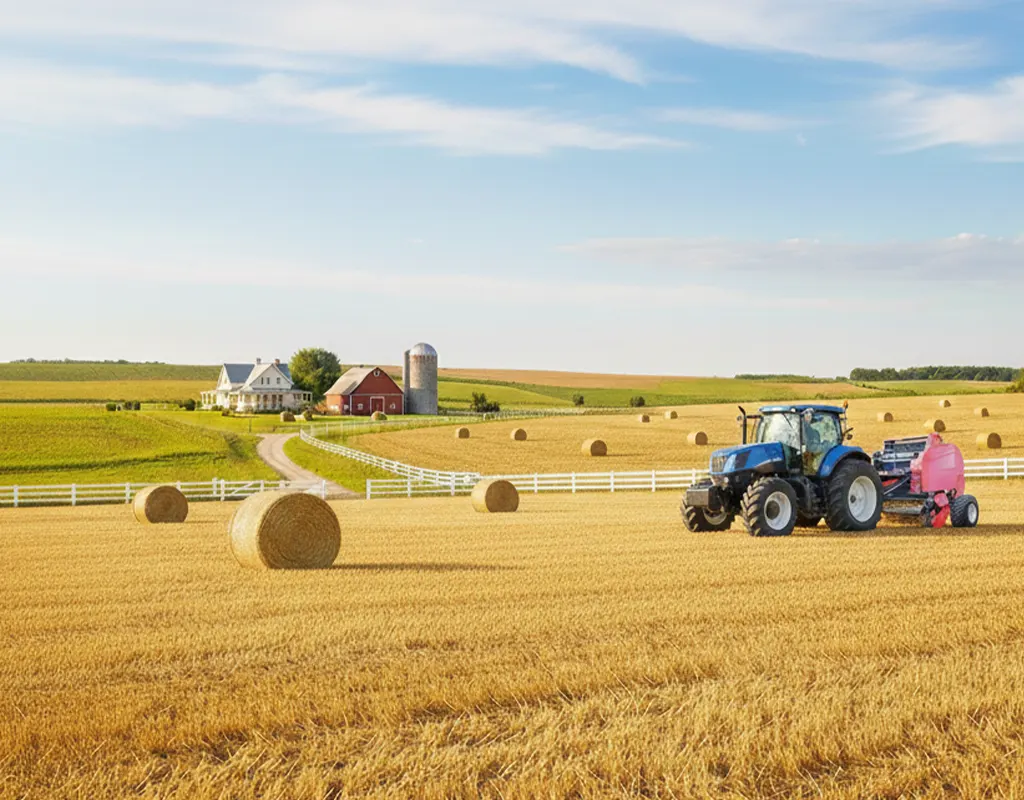
Além do custo imediato de uma única falha, a manutenção adiada se acumula em vários sistemas simultaneamente. O operador que negligencia a tensão da correia na primavera é o mesmo que negligencia a lubrificação da corrente no verão — e, no meio da temporada, o desgaste acelerado tanto da corrente quanto das rodas dentadas reduz a vida útil de ambos em 30 a 40%. Agricultores profissionais e empresas terceirizadas de enfardamento que processam 800 ou mais fardos por temporada consideram a manutenção de pré-temporada um custo operacional fixo, não um investimento opcional. Eles já fizeram esses cálculos.
O Modelo de Serviço das Quatro Estações
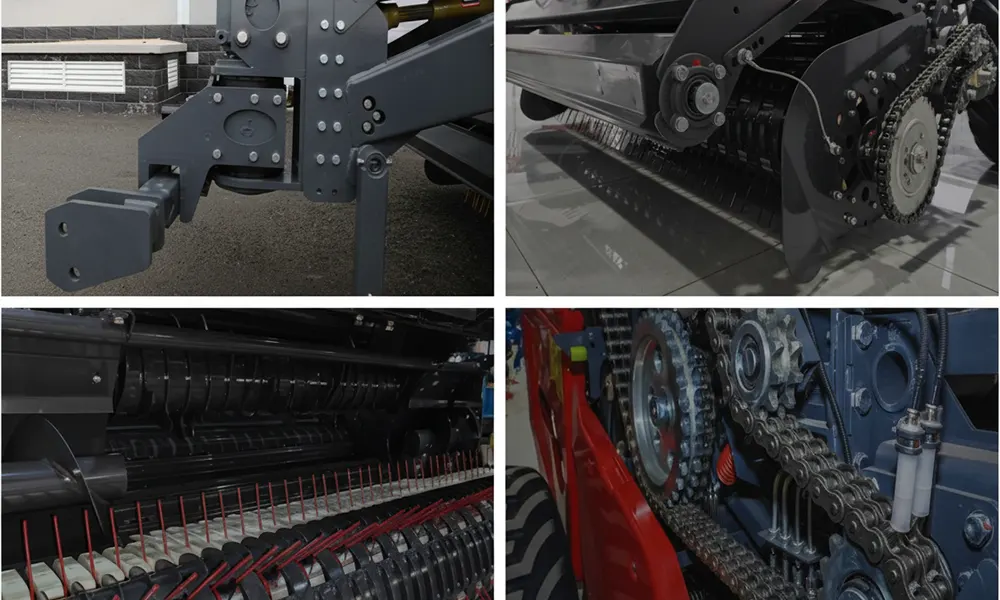
Eficaz manutenção de enfardadeira redonda Segue um ritmo sazonal, não um calendário aleatório. Cada uma das quatro fases de serviço abaixo visa os modos de falha que são estatisticamente mais prováveis naquele ponto do ciclo anual da máquina. Execute-as em ordem — a verificação de pré-temporada estabelece a base sobre a qual todas as verificações subsequentes se baseiam.
Inspeção completa de pré-temporada: a verificação inicial.
Este é o evento de manutenção mais crítico do ano. Todos os sistemas que funcionarão em plena carga pelas próximas 300 a 600 horas são inspecionados, ajustados e documentados antes do primeiro corte. O objetivo não é simplesmente confirmar que tudo parece estar bem, mas sim estabelecer parâmetros de referência para comparação com as leituras do meio da temporada.
🔩 Correias para Câmaras de Fardos
⛓ Correntes de transmissão
🔴 Embreagem de sobrecarga da tomada de força
🌿 Pincéis e Barra de Pinos
🔧 Sistema de amarração com rede/corda
💡 Sistema de Controle Eletrônico
Lubrificação pré-temporada: cada bico de lubrificação e o intervalo necessário para cada um.
A lubrificação é a tarefa mais frequente em qualquer manutenção de enfardadeira redonda programa. A tabela abaixo abrange todos os pontos de lubrificação padrão em um programa comercial. enfardadeira redondaUse graxa multiuso NLGI-2 em todos os pontos, a menos que seja indicado o contrário. Os rolamentos de alta temperatura do rotor da câmara de enfardamento e dos roletes de acionamento por correia se beneficiam da graxa NLGI-2 de alta temperatura (EP) com classificação de pelo menos 160 °C — a graxa multiuso padrão escorre desses rolamentos em temperaturas operacionais sustentadas e deixa o rolamento sem lubrificação em 2 a 3 horas de operação contínua.
| Ponto de lubrificação | Intervalo | Tipo de graxa | Notas |
|---|---|---|---|
| rolamentos da came da barra de dentes de coleta | 8 horas (diariamente) | NLGI-2 multiuso | Ponto de alta rotação; lubrificação insuficiente é a causa do travamento do seguidor de came. |
| Pivôs da mola de flutuação de captação | 8 horas (diariamente) | NLGI-2 multiuso | Pivôs secos fazem com que a esteira se comporte de maneira inconsistente em terrenos irregulares. |
| rolos de acionamento por correia da câmara de fardos | 50 horas | NLGI-2 EP alta temperatura | A temperatura de operação nesses rolos normalmente ultrapassa 120 °C sob carga máxima. |
| dobradiças da rampa de ejeção de fardos | 50 horas | NLGI-2 multiuso | Dobradiças emperradas causam ejeção irregular dos fardos e problemas na direção de rolamento dos fardos. |
| rolamento de pivô do braço de envolvimento da rede | 50 horas | NLGI-2 multiuso | Frequentemente negligenciada, a falha do rolamento causa deslocamento errático do braço de controle. |
| Perfil do eixo telescópico da tomada de força | 50 horas | Graxa EP-2 ou graxa EP | Aplique dentro do tubo e na seção do perfil; a rigidez telescópica induz tensão no garfo da tomada de força. |
| pinos de ligação inferiores do engate de 3 pontos | Sazonal | NLGI-2 multiuso | Verifique a folga entre o pino e a bucha; substitua a bucha se a folga lateral exceder 3 mm. |
| Corrente de transmissão (todas) | Trabalho de campo a cada 8 a 10 horas | Óleo para corrente ou lubrificante penetrante | Não use graxa em correntes — ela atrai partículas que aceleram o desgaste dos pinos e buchas. |
Os intervalos são baseados em condições comerciais padrão de feno. Em ambientes muito empoeirados ou com alta quantidade de palha (feno de sorgo, talos de milho), reduza todos os intervalos de lubrificação em 30–40%.
Verificações durante a temporada: detectando o desgaste antes que ele se transforme em falha.
Meio da temporada enfardadeira redonda O serviço é mais leve do que na pré-temporada — mas não é opcional. O objetivo de qualquer preparação no meio da temporada é... manutenção de enfardadeira A verificação serve para comparar com a linha de base da pré-temporada e identificar componentes que se aproximaram do limite de substituição mais rapidamente do que o esperado. Detectá-los no meio do caminho permite uma substituição planejada em um dia de chuva, em vez de um reparo reativo durante o período de pico de corte.
Verificação do alongamento da cadeia
Meça um vão de 10 elos em relação a uma nova corrente de referência. Substitua quando o alongamento atingir 2%. Com 3%, a geometria de engate entre a corrente e a roda dentada mudou o suficiente para acelerar o desgaste da roda dentada a cada revolução — o custo de substituição agora inclui a roda dentada, bem como a corrente.
Verificação da tensão da correia
As correias novas esticam mais rapidamente nas primeiras 50 horas de operação do que em qualquer outro momento de sua vida útil — esta é a fase inicial de assentamento. Verifique novamente a tensão após os primeiros 50 fardos, mesmo que a leitura pré-temporada estivesse correta. Após o assentamento inicial, verifique novamente mensalmente ou a cada 100 fardos.
Rastreamento de substituição de dentes
Registre cada dente substituído no meio da temporada na tabela de posição da barra de dentes fornecida no manual do operador. Se mais de 121 dentes de uma mesma barra tiverem sido substituídos, os dentes restantes nessa barra estão estatisticamente próximos do fim de sua vida útil — substituir a barra inteira de uma só vez é mais econômico do que substituir dentes individuais pelo resto da temporada.
Inspeção de mangueiras hidráulicas
Com o sistema pressurizado e a bomba de sucção na altura de trabalho, passe a mão (com um pano) ao longo de cada mangueira hidráulica. Um pequeno furo será detectável como uma mancha úmida sob o pano antes que se torne uma falha no sistema de pulverização. Substitua qualquer mangueira que apresente rachaduras na superfície, abrasão na capa externa ou vazamento na conexão crimpada.
Limpeza de acúmulo de plantação
Em condições de colheita densa, remova o acúmulo de material ao redor das áreas de pivô do cilindro hidráulico e do mecanismo do braço de envoltório da rede a cada 50 fardos. O material compactado isola os componentes hidráulicos do resfriamento ambiente e pode acelerar a deterioração das vedações em sistemas que já operam em temperaturas elevadas devido ao calor do verão.
Temperatura da caixa de câmbio
Após duas horas de operação contínua em velocidade máxima, verifique a carcaça da caixa de transferência principal ao toque — coloque a mão enluvada sobre a carcaça por 3 segundos. Ela deve estar morna, mas não quente demais para segurar. Calor excessivo (incapacidade de manter o contato) indica nível de óleo insuficiente, viscosidade do óleo deteriorada ou desgaste inicial das engrenagens. Se for detectado superaquecimento, drene e inspecione o óleo em busca de partículas metálicas.
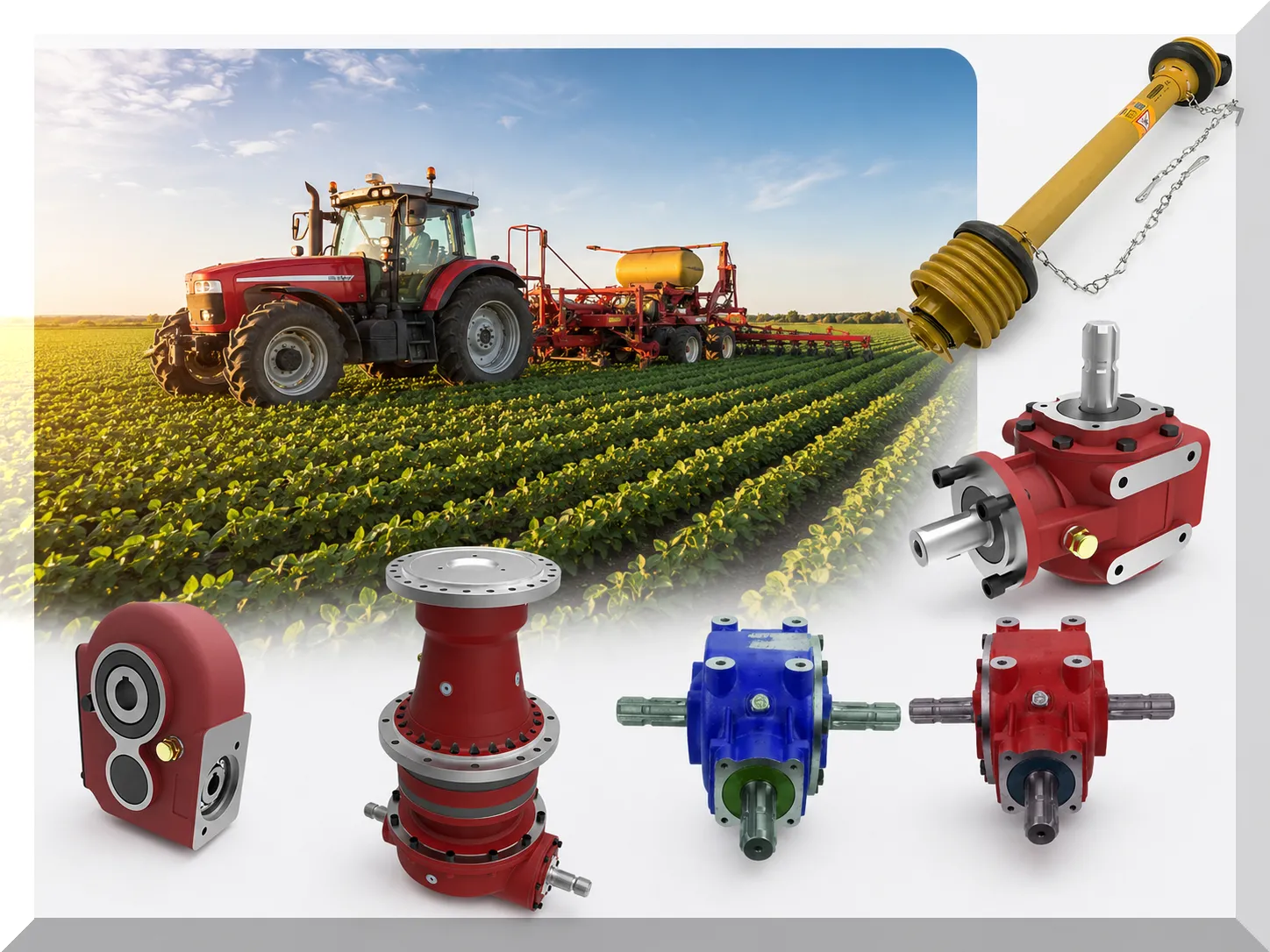
Caixa de engrenagens da tomada de força da enfardadeira: o componente que a maioria dos operadores ignora até que seja tarde demais.
A caixa de transferência entre o eixo da tomada de força (TDF) e o circuito de acionamento da câmara de enfardamento é o componente de maior torque em toda a máquina. Com potências de entrada comerciais (100–150 HP), essa caixa de transferência suporta de 800 a 1.200 Nm de torque contínuo, com picos instantâneos de 2 a 4 vezes maiores quando o recolhedor atinge uma camada densa de feno em plena velocidade. A maioria das falhas na caixa de transferência não é aleatória — elas seguem uma sequência previsível: troca de óleo da engrenagem não realizada no prazo → degradação do óleo → queda da viscosidade → resistência da película insuficiente sob alta carga → corrosão progressiva da face da engrenagem → quebra dos dentes durante a operação na alta temporada.
Troca anual de óleo
Troque o óleo de engrenagem SAE 90 GL-5 ao final de cada temporada — não a cada duas temporadas, mas sim a cada temporada. Guarde o óleo drenado em um recipiente transparente por 24 horas. Qualquer partícula metálica depositada no fundo ou qualquer coloração leitosa (contaminação por água) indica desgaste interno ou falha na vedação que precisa ser investigada antes da próxima primavera. Uma amostra de óleo limpo é a sua confirmação de que os componentes internos da caixa de engrenagens estão em boas condições.
Recalibração da embreagem de sobrecarga
A placa de mola da embreagem de sobrecarga comprime-se sob eventos repetidos de deslizamento ao longo da temporada, reduzindo o torque de deslizamento real em relação à configuração de fábrica. Ao final da temporada, uma embreagem ajustada para 650 Nm na primavera pode estar deslizando a 520 Nm — um valor suficientemente baixo para causar deslizamentos incômodos em condições normais de leiras densas. Reajuste o torque de deslizamento no início de cada temporada usando uma chave dinamométrica no anel de ajuste; nunca apenas ouvindo a frequência de deslizamento.
Substituir ou reconstruir a caixa de velocidades
Para um especificado corretamente caixa de engrenagens da tomada de força da enfardadeiraA reconstrução completa do conjunto de engrenagens, utilizando componentes equivalentes aos originais e engrenagens cônicas espirais com têmpera superficial adequada, restaura a capacidade total de torque e, muitas vezes, é mais econômica do que a substituição completa da caixa de engrenagens em máquinas comerciais. O requisito fundamental é a rastreabilidade dimensional completa do conjunto de engrenagens de reposição — engrenagens de reposição subdimensionadas ou com têmpera inadequada falharão em menos de uma temporada sob carga máxima da enfardadeira.
Resumo da pós-temporada: Preparando a máquina para um bom começo no próximo ano.
Fim de temporada enfardadeira O serviço é onde a maioria das operadoras para cedo demais. Um serviço completo enfardadeira redonda A rotina de preparação para o inverno leva de 3 a 4 horas e protege todos os componentes durante 5 a 6 meses de armazenamento estático. Lavar a máquina e guardá-la simplesmente não é suficiente. manutenção de enfardadeira Procedimento. As etapas abaixo protegem contra os dois principais modos de falha de armazenamento: corrosão em superfícies metálicas cortadas e entrada de umidade em alojamentos de rolamentos selados que esfriaram abaixo do ponto de orvalho ambiente.
01
02
03
04
05
06
Meio do inverno: Planeje a revisão de primavera antes da corrida por peças.
No inverno, os operadores eficientes fazem algo que nenhuma lista de verificação do fabricante recomenda: planejam. Analise o registro de substituição das lâminas da enxada da temporada. enfardadeira Analise os registros de tensão da correia e quaisquer códigos de falha eletrônicos armazenados no painel de controle. Identifique todos os componentes que se aproximaram do limite de substituição nesta temporada — eles ultrapassarão esse limite na próxima. Encomende essas peças em fevereiro. Os operadores que solicitam correias e correntes em maio, durante o pico da colheita, são aqueles que ficaram sem margem de segurança por não se planejarem em fevereiro.
Intervalo de referência para substituição de peças de desgaste
Consistente manutenção de enfardadeira redonda Começa por saber qual a vida útil esperada de cada peça de desgaste principal em condições reais de campo. A tabela abaixo reflete os intervalos de substituição em operações comerciais de feno nos EUA, com produção anual de 300 a mais de 600 fardos. Os intervalos diminuem em condições de alta abrasão (solos arenosos, culturas ricas em sílica, ambientes muito empoeirados) e aumentam em condições amenas. Use estes valores como parâmetros de planejamento, não como garantias absolutas.
| Componente | Intervalo típico de substituição | Indicador de falha precoce | Estoque em armazém nos EUA |
|---|---|---|---|
| dentes de coleta | 300–500 fardos por dente | Raio da ponta > 3 mm; oscilação lateral no clipe | ✔ Conjuntos completos |
| Cintos da câmara de fardos | 600–1.000 fardos | Alongamento > 3%; fissuras superficiais; desfiamento das bordas > 5 mm | ✔ Por modelo |
| Correntes de transmissão (#60 padrão) | 400–700 fardos | Alongamento > 2% em um vão de 10 elos | ✔ Tamanhos padrão |
| lâmina de corte para rede de enrolamento | A cada temporada ou 500 fardos | A rede rasga em vez de cortar de forma limpa; sobras de filme nos fardos ejetados. | ✔ Em estoque |
| rolamentos de rolos de transmissão por correia | Sazonal ou 1.000 fardos | Ruído audível; temperatura da caixa de velocidades acima do normal | ✔ Kits disponíveis |
| Juntas universais do eixo de transmissão da tomada de força | A cada 2 temporadas ou 1.500 fardos. | Vibração na tomada de força em alta velocidade; folga no rolamento de agulhas da transversal. | ✔ Kits de cruzamento |
| Rolos pré-esticados (rede) | A cada 2 temporadas | Cobertura líquida abaixo de 75%; desgaste visível nos sulcos da superfície. | ✔ Por modelo |
| Vedações de cilindro hidráulico | 3 a 5 temporadas ou após a detecção de vazamentos | Vazamento na vedação da haste; variação na altura de captação sob carga. | ✔ Kits de vedação |
Nosso modelos de enfardadeiras redondas Compartilham uma arquitetura de peças comum em toda a linha de produtos, o que significa que um único estoque de peças cobre várias máquinas em uma operação de frota — reduzindo tanto o custo de estoque quanto o risco de ficar sem uma peça crítica no momento errado da temporada.
Projetado para facilitar a manutenção: decisões de design que tornam a manutenção mais fácil.
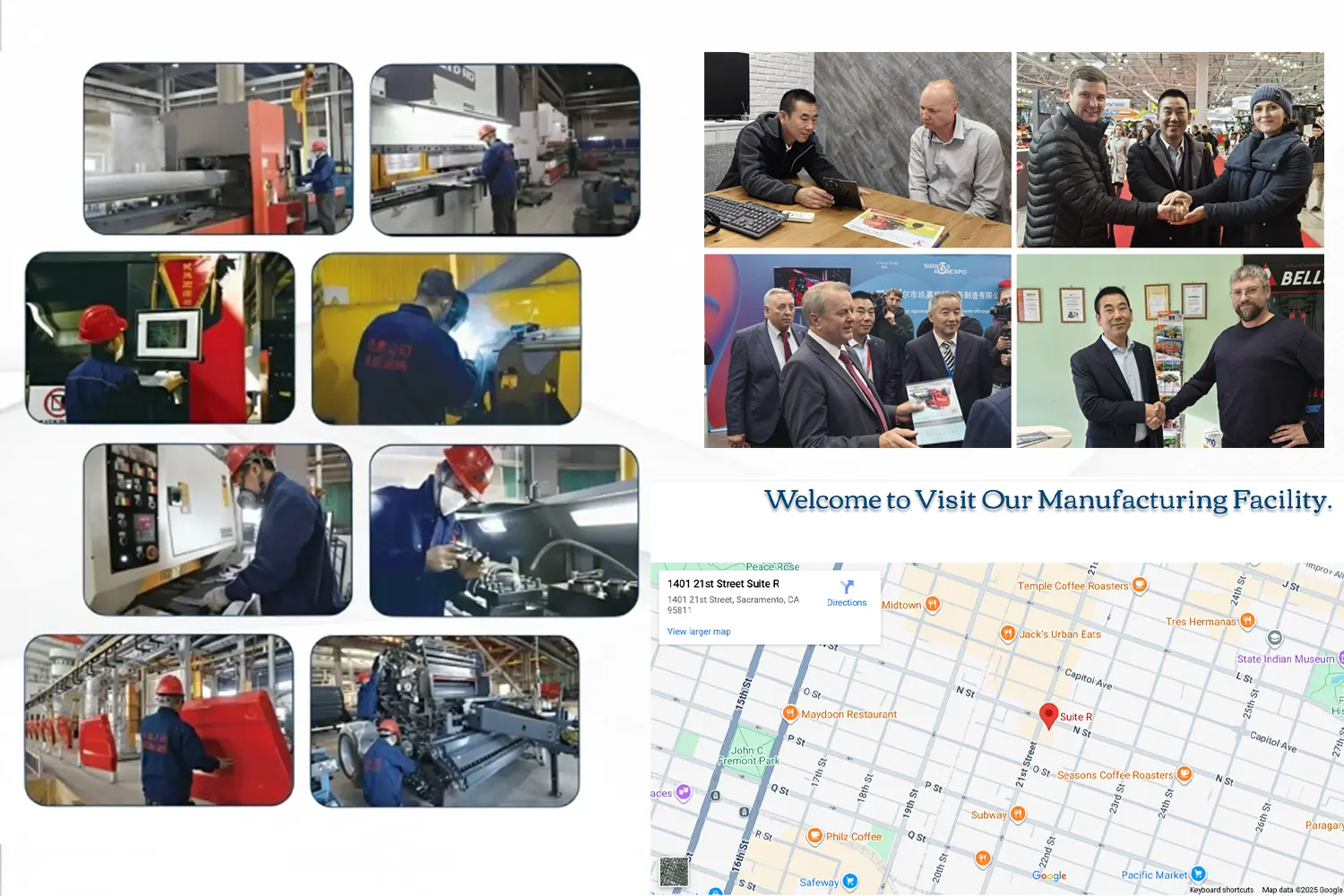
Todo enfardadeira redonda Em nossa linha de produtos, a facilidade de manutenção é projetada com base em um requisito de engenharia mensurável, e não em uma consideração posterior. Eficaz. manutenção de enfardadeira redonda Nunca deve ser necessário visitar uma concessionária para uma tarefa de manutenção de rotina. Os suportes de fixação das lâminas com um único parafuso permitem a substituição individual das lâminas em menos de 3 minutos, sem afetar as lâminas adjacentes. Os pontos de lubrificação acessíveis estão posicionados na extremidade externa de cada alojamento do rolamento, em vez de estarem embutidos na estrutura — visíveis e acessíveis sem a necessidade de remover proteções ou painéis. Os tensionadores da corrente de transmissão utilizam um ponto de ajuste com um único parafuso e uma escala de ajuste marcada.
Esses detalhes fazem toda a diferença no campo. Quando um dente de recolhimento quebra na última fileira de um campo de 24 hectares ao entardecer, o operador que consegue trocá-lo em 3 minutos com um clipe sobressalente da caixa de ferramentas termina o trabalho. Já o operador que precisa lidar com um engate de dentes com múltiplos fixadores volta para a oficina. Equipe de suporte sediada nos EUA Está disponível por telefone para qualquer procedimento de serviço de campo que exija orientação passo a passo — incluindo operadores iniciantes que estejam realizando um procedimento pela primeira vez em sua máquina.
Quando você precisa de uma peça hoje, não na próxima semana.

O período de 10 dias entre o primeiro e o segundo corte é crucial para a logística. Um conjunto de correias ou correntes encomendado no domingo precisa chegar até terça-feira para que o cronograma seja mantido. Nosso armazém na Califórnia realiza o despacho no mesmo dia para todas as peças de desgaste em estoque, para pedidos feitos antes das 14h (horário do Pacífico) — o que abrange a maioria dos fusos horários dos EUA durante o horário comercial padrão. O frete padrão chega à maioria dos endereços no oeste em 2 a 4 dias úteis e à maioria dos endereços no leste em 4 a 6 dias úteis.
Durante o período de pico da colheita (de junho a outubro), mantemos uma fila de prioridade de atendimento para operadores comerciais que estejam realizando enfardamento. Ao fazer seu pedido, identifique-se como operador comercial de feno ou prestador de serviços para ter acesso ao processamento prioritário no mesmo dia, independentemente do tamanho do pedido.
Perguntas frequentes: Serviço e manutenção de enfardadeiras de fardos redondos
Mantenha sua enfardadeira funcionando durante toda a temporada: peças, suporte e dicas de especialistas.
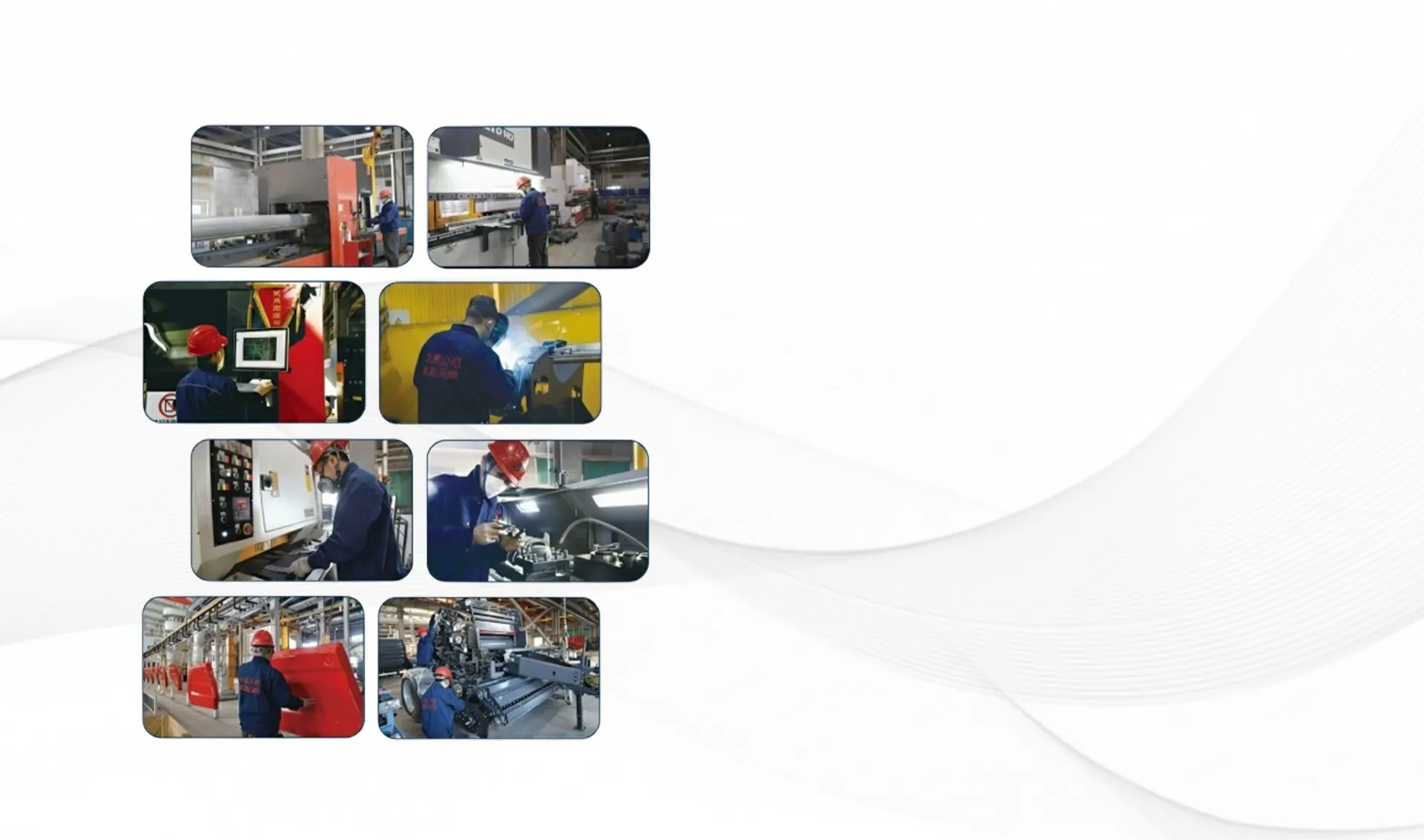
Envio de peças no mesmo dia a partir da Califórnia — para todos os modelos da nossa linha.
Correias, correntes, conjuntos de dentes, lâminas para rede de cobertura, kits de rolamentos, conjuntos de vedação hidráulica e componentes do eixo de transmissão da tomada de força (TDF) estão disponíveis em estoque durante todo o ano e são enviados no mesmo dia para pedidos feitos antes das 14h (horário do Pacífico). Durante a alta temporada de corte, nossa equipe na Califórnia prioriza pedidos comerciais e de empreiteiros para minimizar o tempo de inatividade no campo.
Pedidos feitos antes das 14h (horário do Pacífico)
Horário comercial dos EUA, engenheiros de verdade.
Componentes certificados, especificações rastreáveis.
Pacote completo de faturas disponível mediante solicitação.
Editor: Cxm


