
Verim Formülü: Mahsul Tonajı Nasıl Balya Sayısına Dönüştürülür?
Temel Hesaplama
Dönüm başına balya sayısı basit bir formülle hesaplanır: dönüm başına toplam ürün verimi (kilogram cinsinden), ortalama balya ağırlığına (kilogram cinsinden) bölündüğünde, dönüm başına balya sayısı elde edilir. Bu formüldeki her değişken sabit bir sayı değil, bir aralıktır; ürün verimi tarlaya, hava koşullarına ve biçim aşamasına göre değişir; balya ağırlığı ise ürün nemine, türüne ve piston üzerindeki yoğunluk ayarına göre değişir. Bu aralıklar, deneyimli üreticilerden gördüğünüz geniş balya sayısı tahminlerini oluşturur ("tarlaya bağlı olarak dönüm başına 100 ila 250 balya arasında değişir") ve bu aralıklar doğrudur çünkü değişkenler gerçekten bu genişliği kapsar.
(Dönüm başına verim (kg)) ÷ (Balya ağırlığı (kg)) = Dönüm başına balya sayısı
Örnek: İlk biçimde dönüm başına 2,2 ton (2.000 kg/dönüm) verim veren yonca tarlasında, standart yoğunlukta balya ağırlığı 25 kg'dır: 2.000 ÷ 25 = 80 balya. Aynı verim ve daha yüksek yoğunluk ayarında 32 kg'lık balyalar elde edilirse: 2.000 ÷ 32 = 62,5 balya. Aynı tarla, aynı ürün – ancak daha yüksek yoğunlukta dönüm başına 18 daha az balya. Gelir üzerindeki etki, balya başına mı yoksa ton başına mı ödeme yapıldığına bağlıdır.
Kuru Ağırlık ve Saha Ağırlığı Karşılaştırması
Tarım yayım yayınlarındaki ürün verimi tahminleri genellikle dönüm başına kuru madde tonu olarak verilir. Balya ağırlığı, balyalama neminde tarladaki taze ağırlık olarak ölçülür. Dönüştürmek gerekirse: 15% balyalama neminde dönüm başına 1,5 ton kuru madde içeren bir ürünün tarladaki ağırlığı yaklaşık 1,5 ÷ 0,85 = 1,76 ton (dönüm başına 1600 kg) olur. Balya sayım formülünde kullanılacak rakam budur, kuru madde verimi değil. 14-18% nemde fark mütevazıdır, ancak 20% nemde balyalama yapılıyorsa önemli hale gelir; burada tarladaki ağırlık 1,5 ÷ 0,80 = 1,875 ton olur - dönüm başına 12% daha fazla ağırlık, ancak bu balyalar depolama sırasında zamanla nemini kaybedecektir.
Mahsul Türüne Göre Küçük Kare Balya Ağırlığı Referansı
| Mahsul | Balyalama Sırasında Nem | Düşük Yoğunluklu | Standart Yoğunluk | Yüksek Yoğunluklu |
|---|---|---|---|---|
| Yonca samanı | 14–17% | 16–22 kg | 22–30 kg | 28–38 kg |
| Ot samanı (karışık) | 14–18% | 14–18 kg | 18–26 kg | 24–32 kg |
| Buğday samanı | 10–16% | 10–16 kg | 14–20 kg | 18–24 kg |
| Arpa samanı | 10–16% | 10–15 kg | 13–18 kg | 16–22 kg |
| Mısır sapı | 14–22% | 18–24 kg | 24–34 kg | 32–42 kg |
Yonca Samanı: Biçim Aşamasına Göre Dönüm Başına Balya Sayısı
Birinci ve İkinci Kesim — En Yüksek Verimli Çelikler
İlk biçim yonca, genellikle sezonun en yüksek kuru madde verimini verir; verimli bölgelerdeki yerleşik tarlalarda genellikle dönüm başına 1,5-2,5 ton, sulama yapılan Batı üretim alanlarındaki istisnai tarlalarda ise ilk biçimde dönüm başına 3-4 tona kadar ulaşabilir. Standart yoğunlukta (balya başına 22-28 kg) 460×360 mm'lik küçük kare balyalarda, dönüm başına 2 ton (balya neminde 1.814 kg) ilk biçim yonca, dönüm başına yaklaşık 65-82 balya üretir.
İkinci biçim, genellikle birinci biçime göre daha düşük verim sağlar (çoğu bölgede dönüm başına 1,2-1,8 ton), ancak yaprak-gövde oranı ve sindirilebilirlik açısından yılın en yüksek kaliteli yoncasını üretir. Dönüm başına 1,5 ton ve ortalama 24 kg balya ağırlığı ile ikinci biçim, dönüm başına yaklaşık 62-70 balya üretir.
Üçüncü ve Dördüncü Biçim — Daha Düşük Verim, Sık Gövdeler
Sulama yapılan tarlalarda üçüncü ila beşinci biçimlerde genellikle dönüm başına 0,8-1,3 ton verim elde edilir ve saplar daha kalın ve olgundur. Standart sıkıştırma odalı kare balya makinelerinde (9YF-1700/1900/2200), kalın saplı geç mevsim yoncası, sağlam saplar arasında bazı boşluk bölgeleriyle sıkıştırılır; bu da balya yoğunluğunun aynı piston ayarında birinci veya ikinci biçim yoncasına göre biraz daha düşük olduğu anlamına gelir. 9YF-2200S'deki tek kademeli parçalayıcı, sıkıştırmadan önce sapları kırarak geç mevsim yoncasından daha yüksek ve daha homojen balya yoğunluğu elde edilmesini sağlar. Dönüm başına 1 ton ve 20 kg balya ağırlığında (biraz daha düşük sıkıştırma verimliliğini yansıtarak), üçüncü biçim bir tarlada dönüm başına yaklaşık 50-55 balya elde edilir.
Çim ve Karışık Saman: Yaygın Türler İçin Dönüm Başına Balya Sayısı
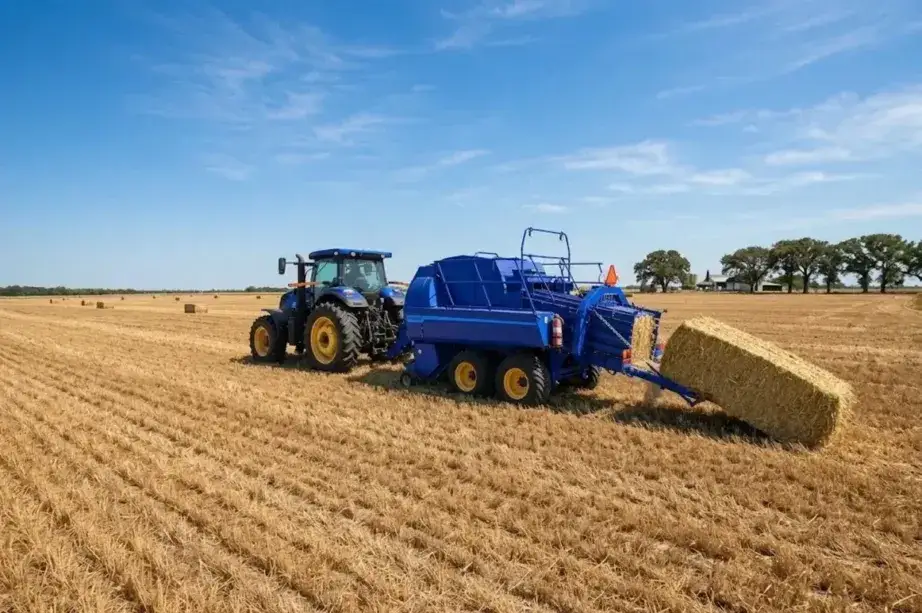
Kuzey üretim bölgelerindeki iyi gelişmiş çayır otu tarlaları, tüm sezon boyunca (iki ila üç biçim) dönüm başına 1,5-2,5 ton verim sağlar. Ortalama balya ağırlığı 20 kg'dır: Sezon başına dönüm başına 75-125 balyaTimothy balyaları boyutlarına göre hafiftir; sap yapısı, maksimum piston yoğunluğunda bile bazı boşluk bölgeleri bırakır; bu nedenle, aynı makine ayarında elde edilen yonca balyalarına kıyasla birim uzunluk başına balya ağırlığı daha düşüktür.
Uygun iklimlerde, çayır otu, sezonda iki ila dört biçimde yüksek verim sağlayan bir türdür. Dönüm başına toplam 2,5 ton ve ortalama 22 kg balya ağırlığı ile: Sezon başına dönüm başına 113 balyaTek tek kesimlerde elde edilen 0,8–1,2 tonluk verim, kesim başına dönüm başına yaklaşık 36–54 balya sayısına karşılık gelir.
Güney eyaletlerinde tam verimde yetiştirilen Bermuda çimi, sulama altında sezonda beş ila yedi biçimde dönüm başına 3-6 ton verim verir. Dönüm başına 4 ton ve 22 kg balya ağırlığında: Sezon başına dönüm başına 181 balya — küçük kare formatta en yüksek balya sayısına sahip türlerden biri.
Büyük Ovalar'daki doğal çayır otundan elde edilen saman, tipik olarak sezonda tek biçimde dönüm başına 0,5-1,5 ton verim sağlar. Dönüm başına 1 ton ve 18 kg balya ağırlığıyla: dönüm başına 55 balyaYerli saman balyaları hafiftir ancak tür çeşitliliğine değer veren at alıcılarından özel pazar primleri alırlar.
Buğday ve Arpa Samanı: Biçerdöver Hasadı Sonrası Dönüm Başına Balya Sayısı
Saman Verimi ve Geri Kazanım Oranı
Biçerdöver hasadından sonra tarladaki buğday samanı verimi, yetiştirilen çeşidin tane-saman oranına (tipik olarak 1:1 ila 1:1,5) ve biçerdöverin saman yönetimi ayarlarına (doğranmış ve yayılmış veya sıra halinde bırakılmış) bağlıdır. Balya yapımı için ilgili rakam, biçerdöver geçişinden sonra tarlada kalan hasat edilebilir saman miktarıdır. Balya yapımı için ortalama hasat edilebilir buğday samanı verimi, çeşide, hava koşullarına ve biçerdöverin malzemeyi ne kadar yaydığına veya sıra halinde bıraktığına bağlı olarak dönüm başına 0,8-1,5 ton arasındadır.
Dönüm başına 1,0 ton hasat edilebilir saman verimi, 1 TP5T nem oranı ve 16 kg ortalama balya ağırlığı (saman düşük yoğunluklu bir malzemedir) ile yaklaşık olarak: dönüm başına 62-68 balyaDönüm başına 1,5 ton verim ve aynı balya ağırlığıyla: yaklaşık dönüm başına 94 balyaDönüm başına saman balyası sayısı, biçerdöverin saman yayma ayarlarına duyarlıdır; biçerdöverin tüm samanı tamamen yaydığı ve doğradığı bir tarlada, ilk verim ne olursa olsun, hasat edilebilir saman miktarı sıfırdır.
Mısır Sapı: Dönüm Başına Balya Sayısı ve Yoğunluk Ayarlarının Önemi
Sap Verimi ve Toparlanma Zorlukları
Mısır sapı (tahıl hasadından sonra kalan saplar, yapraklar, kabuklar ve koçanlar), standart ABD mısır üretiminde dönüm başına 1,5-3,0 ton kuru madde verimi sağlar; balyalama için hasat edilebilir kısım ise, biçerdöver tarafından ne kadarının toprağa karıştırıldığına ve balya makinesinin toplaması için yığın ne kadar iyi oluşturulduğuna bağlı olarak, toplam sap kütlesinin tipik olarak 50-701 tonunu temsil eder.
Mısır sapı, samandan farklı şekilde sıkıştırılır; sapların tamamında homojen sıkıştırmaya direnç gösteren ve balya kesitinde boşluk kanalları bırakan içi boş boğumlar bulunur. Parçalayıcı içermeyen bir balya makinesinde standart sıkıştırma ayarlarında, mısır sapı balyaları, aynı yoğunluk ayarındaki saman balyalarına göre birim uzunluk başına genellikle daha hafiftir (balya başına yaklaşık 18-28 kg). 9YF-2200S'deki tek parçalayıcı ile, parçalanmış sap daha homojen bir şekilde sıkıştırılır ve aynı piston ayarında balya başına 24-38 kg'a ulaşır. Balya ağırlığındaki bu fark, dönüm başına balya sayısını önemli ölçüde değiştirir.
Dönüm başına 2,0 ton hasat edilebilir sap (1.814 kg) ve 24 kg ortalama balya ağırlığı (standart sıkıştırma) ile: yaklaşık dönüm başına 75 balyaParçalama makinesiyle ortalama 32 kg balya ağırlığında elde edilen miktar: yaklaşık dönüm başına 57 balyaParçalama modelinde dönüm başına daha az balya elde edilir, ancak her balya daha ağırdır; toplam geri kazanılan tonaj aynıdır; gelir farkı, piyasanın adet üzerinden mi yoksa ağırlık üzerinden mi ödeme yaptığına bağlıdır.
Balya Makinesinin Yoğunluk Ayarının Balya Sayısı ve Dönüm Başına Gelir Üzerindeki Etkisi
Yoğunluk-Sayım Dengesi
Kare balya makinesindeki piston yoğunluğu ayarı, balya tetikleme uzunluğuna ulaşmadan ve düğümleyiciler devreye girmeden önce pistonun uyguladığı sıkıştırma kuvvetini kontrol eder. Daha yüksek yoğunluk = balya döngüsü başına daha fazla sıkıştırma = daha ağır balyalar = aynı ürün veriminden dönüm başına daha az balya. Daha düşük yoğunluk = daha hafif balyalar = aynı ürün veriminden dönüm başına daha fazla balya. Dönüm başına hasat edilen toplam saman ağırlığı değişmez; değişen şey, konteyner (balya) sayısıdır.
Samanı balya başına ağırlıkla veya ton başına sattığınızda: aynı kilogram fiyatıyla daha az sayıda, daha ağır balya, dönüm başına aynı geliri sağlar. Daha yüksek yoğunluklu balyalar ayrıca ambarlarda daha verimli bir şekilde istiflenir (metreküp başına daha fazla kilogram) ve kalite sinyali olarak sağlam, ağır bir balya bekleyen perakende alıcılar tarafından tercih edilir. Taşıma verimliliği açısından, daha ağır balyalar, aynı tonajı taşımak için kamyon başına daha az balya anlamına gelir.
Balya başına sabit bir fiyatla, ağırlıktan bağımsız olarak saman sattığınızda: daha fazla ve daha hafif balyalar, dönüm başına daha fazla toplam gelir getirir. Yüksek yoğunlukta 80 balya üreten bir tarla, düşük yoğunlukta 105 balya üreten bir tarlaya kıyasla, sabit balya başına fiyatla dönüm başına 311.500 ton daha fazla gelir elde eder; saman tonajı aynı olsa bile. Balya başına ücret alan perakende pazarları için bu, daha düşük yoğunluk ayarları kullanmak için önemli bir ekonomik teşviktir.
Atçılık ve perakende saman pazarında pratik ağırlık tercihleri vardır. 18 kg'ın altındaki bir balya bazen hafif veya düşük kaliteli olarak algılanır. 35 kg'ın üzerindeki bir balya birçok müşteri için taşınması zordur. 20-28 kg aralığı, balya başına veya ağırlık başına fiyatlandırma yapmanızdan bağımsız olarak çoğu perakende ve atçılık alıcısını tatmin eder. Yoğunluğunuzu yalnızca balya sayısına göre optimize etmek yerine bu aralığa ulaşacak şekilde ayarlayın.
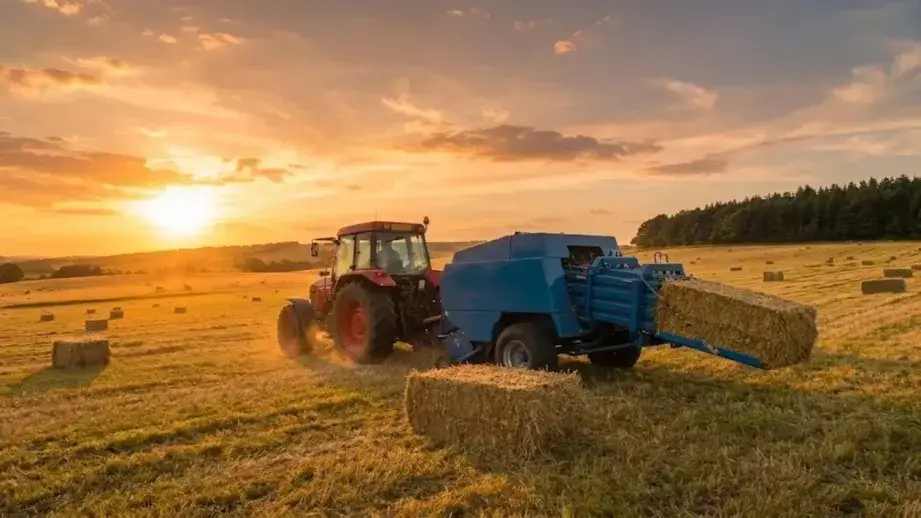
Dönüm Başına Gelir: Yerel Saman Fiyatlarına Göre Hesaplama Kılavuzu
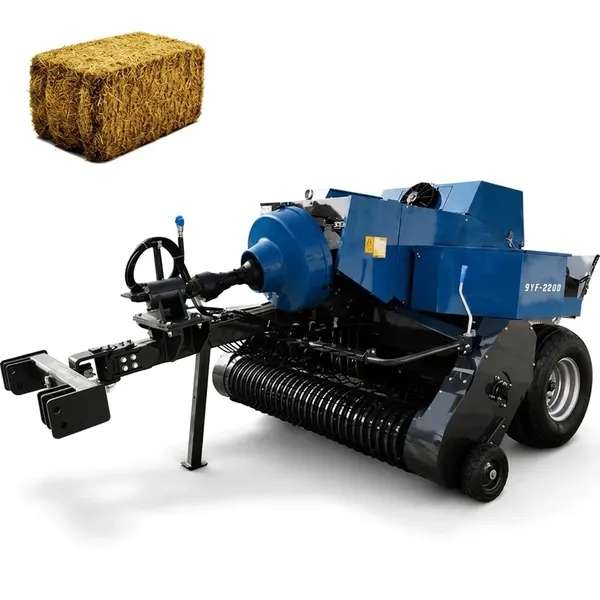
Örnek Gelir Hesaplamaları
Örnek amaçlı olarak 2025-2026 yerel piyasa fiyatlarını kullanıyoruz; üretim planlamasına başlamadan önce bölgenizdeki güncel fiyatları doğrulayın:
| Senaryo | Dönüm Başına Verim | Balya/Dönüm | Balya Başına Fiyat | Brüt/Dönüm |
|---|---|---|---|---|
| Yüksek kaliteli yonca, at pazarı | 2 T/ac | 80 | $14 | $1,120 |
| Çayır otu, perakende saman pazarı | 2,5 T/acre | 113 | $9 | $1,017 |
| Buğday samanı, yatak takımı ve perakende | 1,2 T/acre | 75 | $7 | $525 |
| Mısır sapı, hayvan yemi | 1,8 T/acre | 75 | $5 | $375 |
Bunlar sadece brüt gelir tahminleridir. Üretim maliyetleri (biçme, tırmıklama, balyalama, yakıt ve makine amortismanı, ip, taşıma işçiliği) bölgenizdeki ekipman ve işçilik maliyetlerine bağlı olarak genellikle dönüm başına 1.500-1.200 TL arasında değişmektedir. Net kar marjı, brüt gelirden toplam üretim maliyetlerinin çıkarılmasıyla elde edilir.
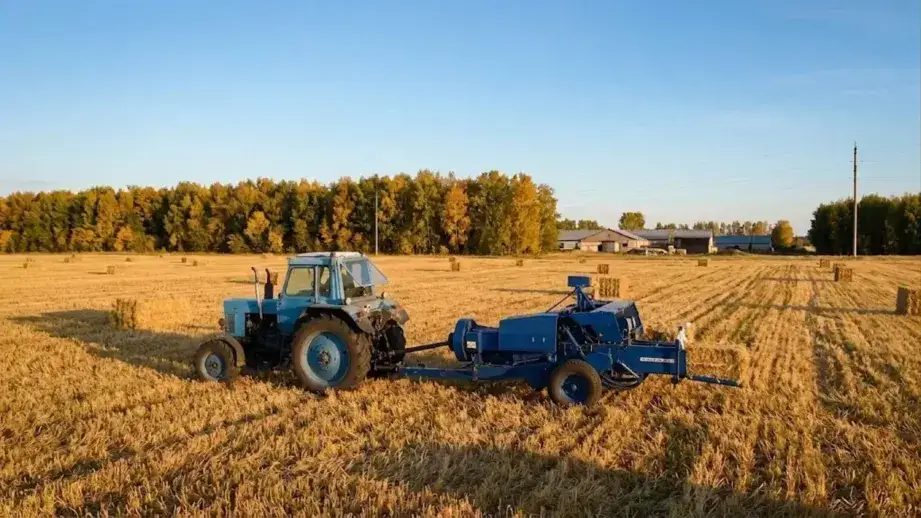
Gerçek Dünya Sayımınızı Ortalamalardan Uzaklaştıran Değişkenler
Pratikte Balya Sayımını Değiştiren Altı Faktör
- Alan değişkenliği:40 dönümlük bir tarlanın daha yüksek ve daha düşük verimli bölümleri olacaktır. Ortalama tahminler aralığı gizler; 2 ton/dönümlük bir ortalama, aynı tarlada 1 ton/dönümlük ve 3 ton/dönümlük bölümleri içerebilir. Balya depolama kapasitesini planlarken tarla bölümlerini ayrı ayrı sayın.
- Balya yapımından önceki hava durumu:Kuruma dönemindeki yağmur olayları, baklagillerde yaprak dökülmesine ve yığından ince malzemenin fiziksel kaybına neden olur. Kuruma aşamasındaki yonca yığınına yağan 2 inçlik bir yağmur, yalnızca yaprak kaybı yoluyla geri kazanılabilir verimi 15-251 ton azaltabilir.
- Balya uzunluğu tutarlılığı:Yıldız tekerlekli mekanizmanın çalışma döngüsünden döngüye bazı varyasyonları vardır. Pratikte, iyi bakımlı bir balya makinesinden çıkan balyaların uzunluğu 5-81 TP5T arasında değişir; bu da balya ağırlığının da ortalama ayar etrafında 5-81 TP5T arasında değiştiği anlamına gelir. Ortalama değer planlama değeridir; tek tek balyalar daha hafif veya daha ağır olabilir.
- Toplama kurtarma oranı:Hiçbir toplama sistemi, yığılmış malzemenin 100%'sini geri kazanamaz. Yaylı dişli sistemler tipik olarak yükseltilmiş yığılmış malzemenin 90–95%'sini geri kazanır; çekiçli pençe sistemleri ise bir miktar ezilmiş malzeme de dahil olmak üzere 92–98%'sini geri kazanır. Geri kazanılamayan kısım, tarlada yüzey kalıntısı olarak kalır.
- Balyalama sırasındaki nem oranı:Aynı ürünün 20% nem oranında balyalanması, aynı ürünün 15% nem oranında balyalanmasına kıyasla birim uzunluk başına 6% daha fazla ağırlıkta balya üretir (kuru madde oranı 0,80'e karşı 0,85). Daha yüksek nem oranında dönüm başına daha az balya elde edilir çünkü her balya daha ağırdır, ancak bu balyalar depolama sırasında kaybolan daha fazla su ağırlığı taşır.
- Burun ve engel kaybı:Ağaçların, su yollarının ve tarla engellerinin etrafında balyalama işlemi, balya makinesinin verimli bir şekilde işleyemeyeceği kısa yığın bölümleri oluşturur. Birçok engelin bulunduğu küçük bir tarlada, yığın malzemesinin 5-101 tonluk kısmı, tam bir balya için çok kısa olan tarla başlarında veya dönüş alanlarında kalabilir.
Kare Balya Makinesi Çalıştırma İçin PTO Tahrik Hattı Kaynakları
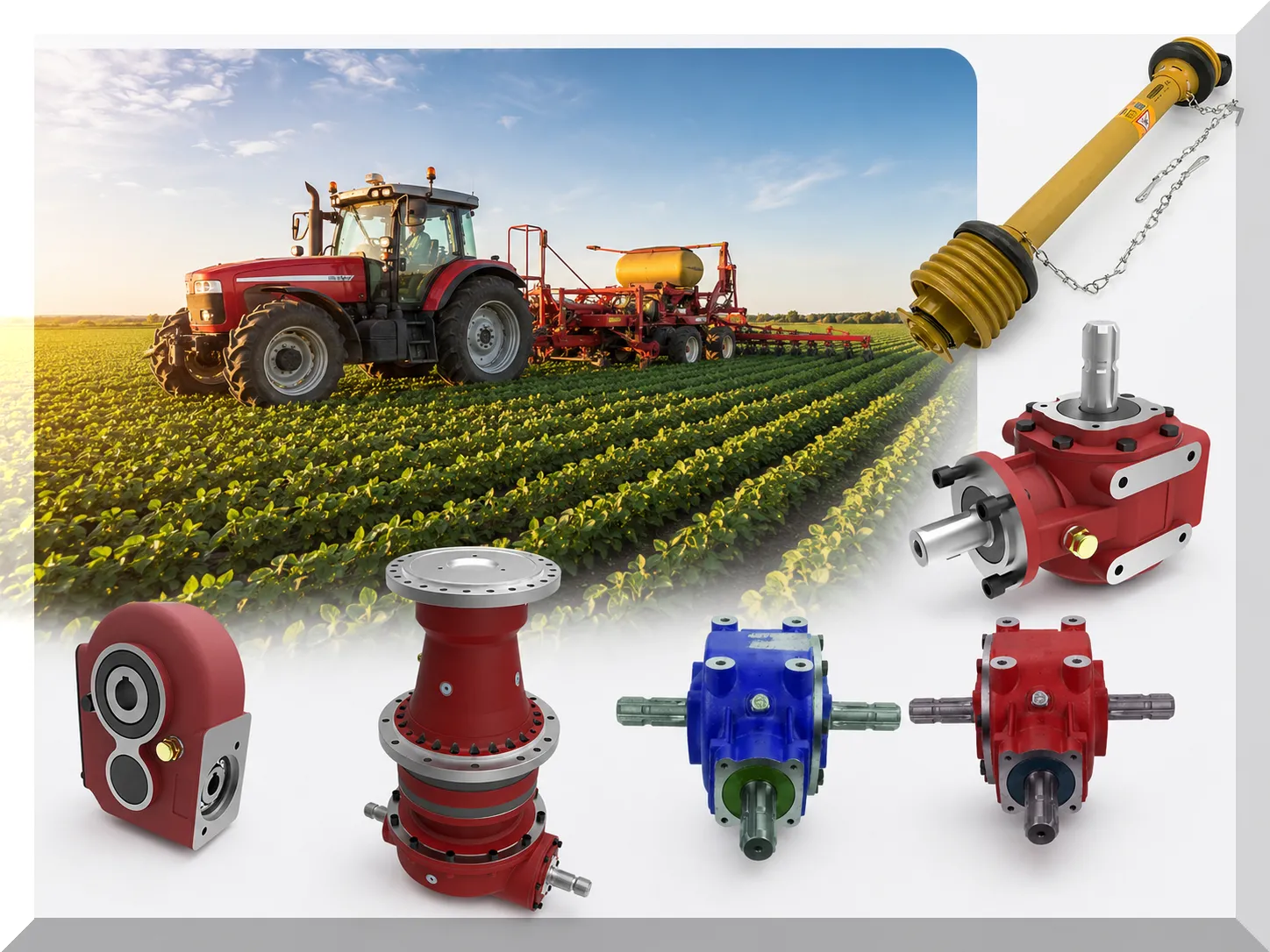
Şanzıman tork değerleri, şaft standartları ve kaplin özellikleri: tarımsal şanzıman ve PTO şaftı özellikleri
Bu kılavuzda ele alınan tüm alan ve güç aralığı için balya makinesi-traktör bağlantısı için PTO tahrik mili uzunluğu hesaplamaları ve CV mafsal açısı özellikleri: PTO tahrik mili ve CV mafsalı boyutlandırma kılavuzu.
Sıkça Sorulan Sorular — Dönüm Başına Küçük Kare Balya Miktarı
Kare Balya İşleminizi Planlayın
Küçük hobi amaçlı işletmeler için kompakt 9YF-1700'den, üst düzey pazar üretimi için fanlı 9YFS-2.2'ye kadar; ekim alanınızı, ürün türünüzü ve traktörünüzün beygir gücünü bize bildirin, size model önerisi ve fiyatlandırma sunalım.
America Ever-Power Forage Baler Equipment INC. · 1401 21st ST STE R, Sacramento, CA 95811
Editör:Cxm


