اختر صفحة
Mowing Equipment Selection Guide

Mower-Conditioner Selection: Roller vs Flail Conditioner Guide

The conditioner you choose determines how fast your hay dries and how much damage the stems sustain in the process. Roller conditioners crack stems and expose cell walls to accelerated evaporation; flail conditioners shred and macerate stems more aggressively for maximum drying speed at the cost of higher leaf loss. For most premium hay markets, the difference between the two is worth understanding carefully before the purchase decision is made.

Compare Conditioner Types

Why Conditioning Matters: The Physics of Faster Hay Drying

A fresh-cut hay stem contains 70–80% moisture locked behind a waxy cuticle that is nearly impermeable to water vapor. Without conditioning, the stem must dry from the cut ends and from any natural breaks in the cuticle — a slow process that extends field time and weather exposure. Conditioning disrupts the cuticle along the full stem length, opening pathways for moisture to escape at a rate that can cut total field drying time by 30–60% compared to unconditioned mowing.

This reduction in field time is not purely a scheduling convenience. Every additional hour the crop lies in the field after cutting is an hour of respiration and leaching that reduces non-structural carbohydrate content and, in sunlight, degrades beta-carotene and other photosensitive nutrients. A mower-conditioner that reliably reduces field time from 3 days to 2 days produces measurably higher-quality hay, not just faster throughput.

30–60%
Reduction in field drying time from effective conditioning vs unconditioned mowing
Roller
Preferred conditioner for premium alfalfa — gentler action preserves leaf integrity
Flail
Preferred for tough-stemmed crops where maximum drying speed outweighs leaf loss concern

Roller Conditioner: Mechanism, Performance, and Best Applications

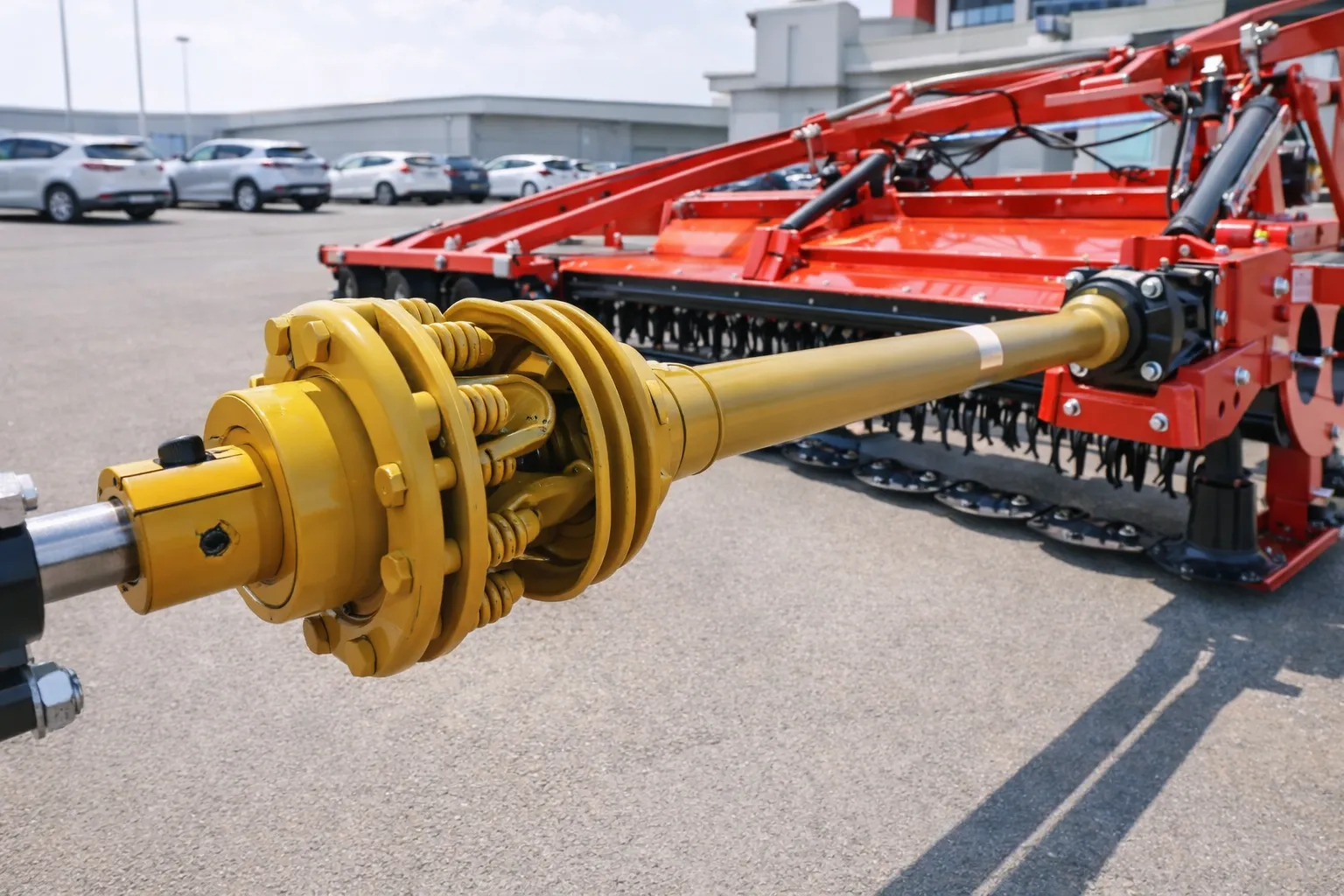
mower-conditioner roller detail — the two counter-rotating rollers grip each stem and crack the outer cuticle along its full length to accelerate moisture evaporation without tearing the leaf tissue

A roller conditioner consists of two counter-rotating cylindrical rolls — typically one steel crimper roll and one rubber or polyurethane roll, or two rubber rolls of different hardness — that are positioned immediately behind the cutterbar. As the cut crop falls into the nip between the two rollers, the rollers grip and squeeze each stem along its entire length, cracking the outer cuticle and crushing the stem’s cellular structure in a series of longitudinal lines.

How the conditioning works

The roller gap setting (distance between the two roll surfaces) determines conditioning intensity. A tighter gap produces more aggressive crushing — faster drying but higher risk of stem breakage and leaf pinching. A wider gap produces gentler conditioning — slightly slower drying but better leaf and stem integrity. The ideal gap for alfalfa is typically 1–3mm; for thick-stemmed grasses, 3–5mm may be needed to allow stems to pass without plugging.

Drying performance

Well-adjusted roller conditioners reduce drying time by 30–50% compared to unconditioned mowing on alfalfa. The drying rate advantage is most pronounced in the first 12–24 hours after cutting when moisture in the stem cortex is highest and the cuticle normally limits evaporation most severely. After the initial moisture drop, the drying rate of conditioned and unconditioned hay converges as remaining moisture diffuses from deeper tissue layers regardless of cuticle condition.

Roller conditioner best applications: Premium dairy and export alfalfa (maximum leaf retention); all applications where hay quality metrics are the primary output goal; mixed alfalfa-grass stands; northern operations with shorter drying windows where every day of quality matters.

Flail Conditioner: Mechanism, Performance, and Best Applications

A flail conditioner uses a high-speed rotor fitted with hinged Y-shaped or paddle-shaped flails that strike the cut crop at high velocity. The impact shreds and splits the stem surface more aggressively than rollers, creating a roughened stem surface with many fissures — more points of moisture exit than roller conditioning produces. The aggressive action comes at a cost: the same forces that shred stems also fracture leaf petioles and dislodge dry leaves from the stem.

Drying performance advantage

Flail conditioning typically reduces drying time by 40–60% vs. unconditioned mowing — 10–20 percentage points more than roller conditioning achieves. For thick-stemmed crops like orchardgrass, tall fescue, and reed canarygrass, the flail’s more aggressive shredding action penetrates the dense outer stem wall more effectively than rollers can. Where maximum drying speed is the priority — particularly in regions with unreliable post-cutting weather windows — the flail’s superior speed advantage is meaningful.

Leaf loss limitation

The flail’s high-velocity impact also strikes leaves — not just stems. On alfalfa, where leaves are 45% of dry matter and 70% of protein value, the higher leaf loss from flail conditioning can offset the quality benefit from faster drying. Research comparing roller and flail conditioning on alfalfa consistently shows 3–8% higher dry matter losses (primarily leaf) with flail conditioning. For a 200-ton alfalfa operation, that 4% average DM loss represents 8 tons — significant at any hay price.

Flail conditioner best applications: Thick-stemmed grass hay operations where leaf loss is less critical to quality grade; operations in high-rainfall regions where maximizing drying speed prevents rain damage; cover crop mowing; bermudagrass and other southern grass hay crops with particularly impermeable stems.

The Operating Parameters That Determine Conditioning Quality

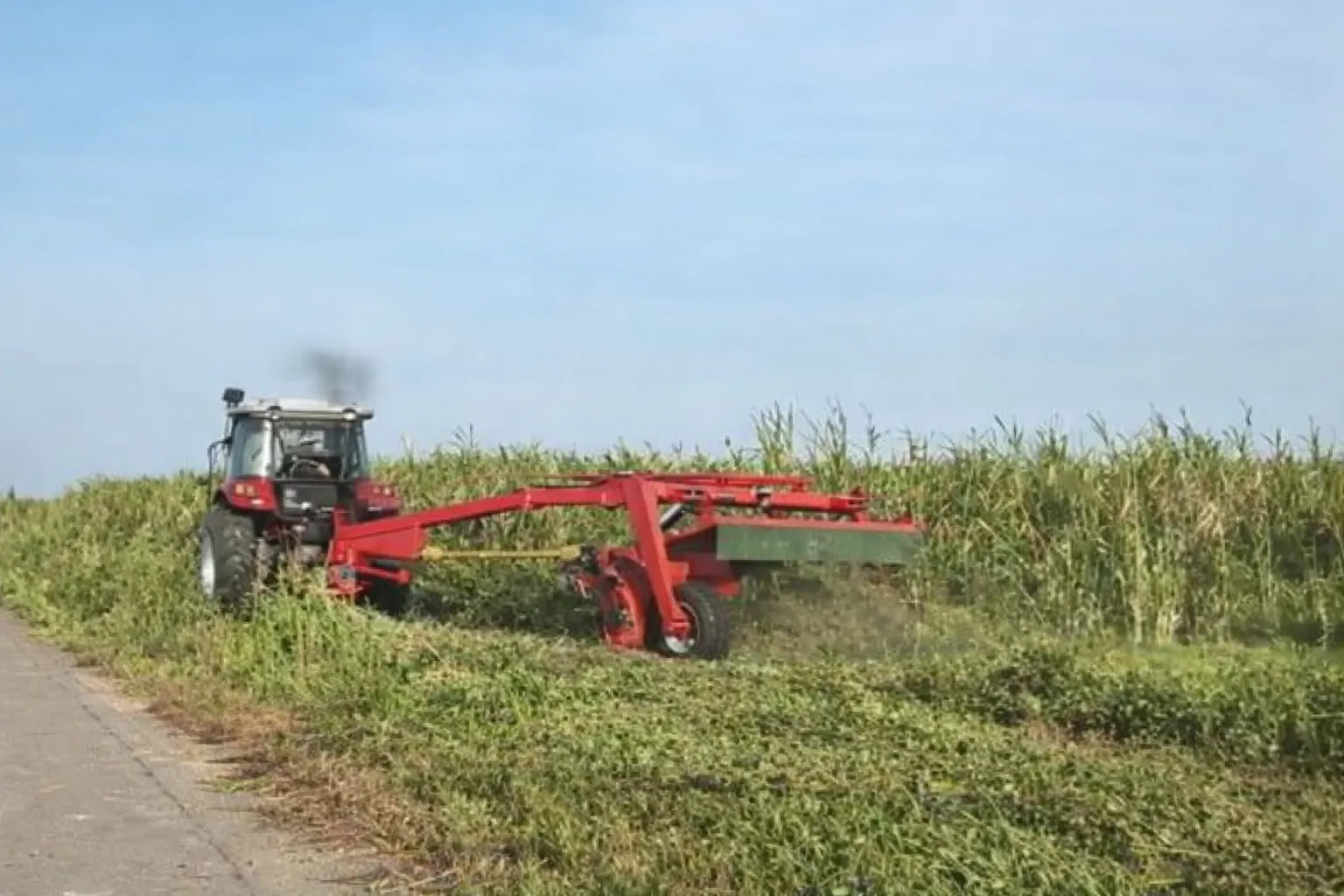
mower-conditioner in field operation — roller gap setting, forward speed, and crop volume through the conditioner all affect the conditioning intensity and the balance between drying speed and leaf retention

For both conditioner types, the operating parameters that the operator controls determine actual conditioning quality — the machine’s theoretical maximum performance is often not achieved in practice because of incorrect parameter settings.

Forward speed
Both conditioner types have an optimal throughput speed — typically 7–12 km/h for most mower-conditioners in normal crop conditions. Too slow: crop volume at the conditioner rolls or flails is insufficient for proper engagement. Too fast: crop enters the conditioner faster than the mechanism can process it, resulting in bypassed stems that are cut but not conditioned. Check your specific model’s rated speed range and stay within 85–100% of the upper limit for best conditioning consistency.
Roller gap (roller type)
Adjust roller gap to match crop stem diameter. For fine-stemmed alfalfa: 1–2mm gap. For mixed alfalfa-grass: 2–3mm. For thick grass stems: 3–5mm. A gap too narrow causes stems to pile up and be crushed in batches rather than processed uniformly; too wide means stems pass through without adequate conditioning. Most roller-conditioner models have a spring-loaded gap that opens under overload — if you see the gap opening frequently under normal crop volume, the spring tension is set too low.
Flail rotor speed (flail type)
Flail rotor speed is governed by the PTO and cannot typically be field-adjusted. What can be adjusted is the rotor-to-crop clearance — the distance between the spinning flails and the baffle plate or hood surface behind the rotor. A smaller clearance increases the intensity of stem processing; a larger clearance reduces impact force per stem. Manufacturer recommendations for flail clearance by crop type are in the operator’s manual — follow them as a starting point and observe conditioning quality in the first swath.
Swath width control
The deflector plate behind the conditioning unit controls swath width — whether the crop is laid in a narrow windrow, a medium-width windrow, or spread across the full mowing width for maximum drying exposure. Narrow placement minimizes ground contact and is preferred for premium hay on clean fields. Wide-spread placement maximizes sun and airflow exposure for faster drying. Match the swath width to your raking equipment width and the number of mowing passes before raking.

Power Requirements and Tractor Compatibility

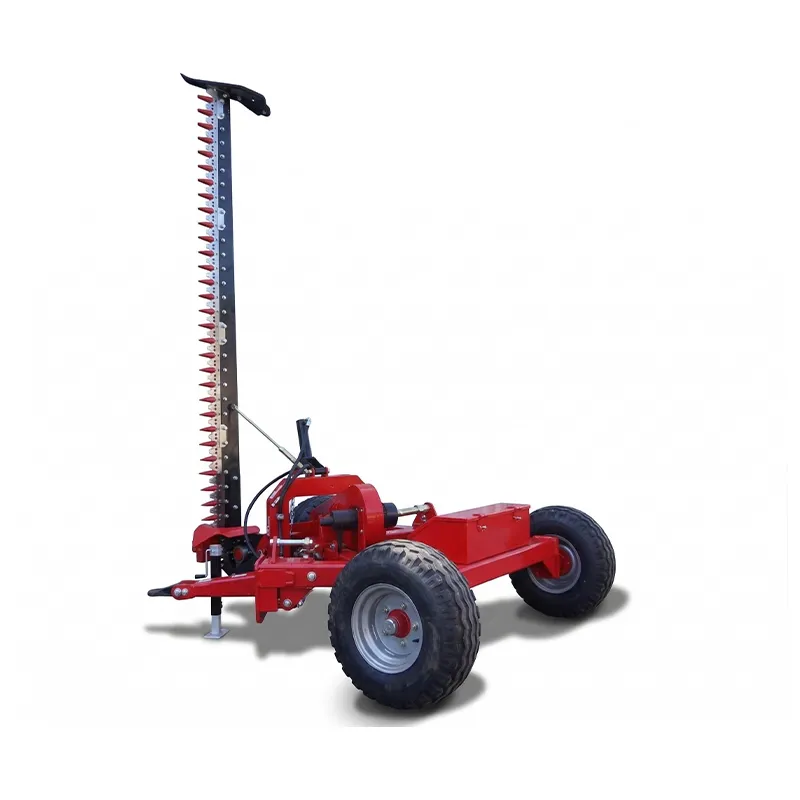
mower equipment ready for field operation — mower-conditioner HP requirements depend on cutterbar width, conditioner type, and operating speed; roller designs require less PTO power than flail designs at equivalent cutting width

Mower-conditioner HP requirements vary significantly by cutterbar width, conditioner type, and operating speed. Correctly sizing the tractor prevents under-powered operation in heavy first-cut conditions.

Machine size / type Min HP (light crop) توصية HP ملحوظات
2.2–2.5m roller conditioner 45 HP 60–80 HP Most common small-farm size; suits utility tractors
2.5–3.0m roller conditioner 65 حصان 80–110 HP Mid-size commercial; standard for 100–400 acre operations
3.0–4.0m roller conditioner 80 HP 110–140 HP Large commercial; heavy first cut requires full HP range
2.5–3.0m flail conditioner 70 HP 90-120 حصان Flail rotor adds 15–25 HP over equivalent roller model
3.0–4.0m flail conditioner 95 HP 130–160 HP Heaviest-demand option; suits large row-crop tractors

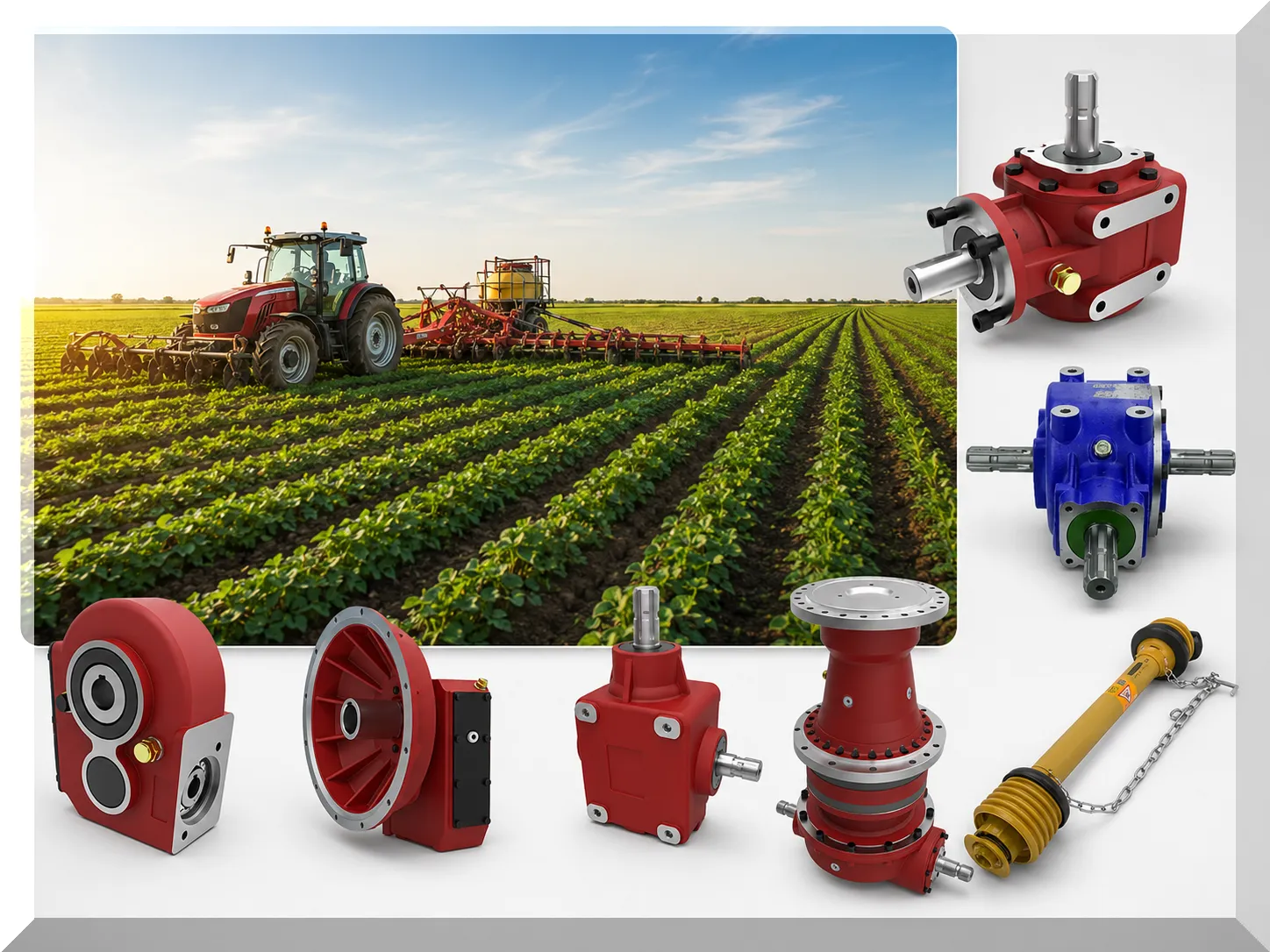
The gearbox and PTO driveline specifications — including the input shaft torque ratings and recommended PTO shaft series for mower-conditioner power delivery — are documented in مواصفات مكونات علبة التروس الزراعية ومجموعة نقل الحركة PTO. The full mower-type comparison — disc mower vs sickle bar and their respective HP requirements, blade wear rates, and terrain suitability — is in the disc mower vs sickle bar comparison guide. The workflow decisions that fit mower-conditioner selection into the full hay production sequence are covered in the hay making workflow optimization guide.

علبة تروس زراعية وعمود نقل الحركة 1

Maintenance Priorities by Conditioner Type

Roller conditioner maintenance
  • Roll surface inspection: Examine the conditioning pattern on the roll surface each season — worn grooves on steel crimping rolls reduce conditioning effectiveness; replace when groove depth is below 50% of original
  • Gap setting verification: Check roller gap with a feeler gauge each season — springs relax over time, allowing the gap to widen beyond the intended setting
  • Bearing inspection: The roll end bearings carry high radial loads; heat-test after each operation day during heavy-use periods
  • Rubber roll hardness: On rubber-steel roll combinations, the rubber roll hardens with age and UV exposure, reducing its ability to conform to stem shape; replace every 3–5 seasons
Flail conditioner maintenance
  • Flail inspection: Each flail should be checked for impact damage, bent tips, and fatigue cracks at the pivot pin hole — a cracked flail can separate at high speed creating a projectile hazard
  • Rotor balance: Missing or uneven flails create rotor imbalance; replace flails in matched sets across the full rotor width to maintain balance
  • Rotor bearing inspection: The central rotor bearings carry high dynamic loads from flail impact; inspect annually and replace every 2–3 seasons in heavy use
  • Baffle plate wear: The rear baffle plate that the flails sweep against wears faster than any other component; inspect annually and replace before wear creates a gap that allows crop to bypass conditioning

Swath Width Management: Wide vs Narrow Lay for Different Drying Conditions

The deflector plate on most mower-conditioners allows the operator to control how wide or narrow the cut crop is deposited behind the conditioner. This swath width decision interacts with conditioning type to determine overall drying rate and final windrow quality.

Wide swath (tedded or full-spread)

Spreading the crop across the full or near-full cutting width maximizes sun and airflow exposure. In high-risk weather conditions where rapid drying is critical, wide swathing after roller conditioning can match or exceed the drying rate of flail conditioning without the leaf loss penalty. Requires a raking pass to form windrows before baling — adds one field operation but improves quality in wet or cloudy conditions.

Narrow swath (windrow lay)

A narrow, concentrated windrow reduces the surface area exposed to sun and wind but reduces soil contamination risk, minimizes equipment tire traffic on cut crop, and allows the baler to pick up without a raking pass. Preferred when drying conditions are excellent (low humidity, moderate temperature, light wind) and quality-protection from minimum handling outweighs drying speed. For premium export alfalfa in good drying weather, narrow swath with no raking pass is the minimum-handling approach.

Medium swath (standard)

For most commercial hay operations, a medium-width swath — roughly 60–70% of the cutting width — balances drying speed and handling. The crop dries faster than a narrow windrow but does not require a separate tedding pass. One raking pass consolidates the medium swath into a baler-width windrow before pickup. This is the practical default setting for most conditions.

Mower-Conditioner Selection FAQs

Can I retrofit a different conditioner type onto my existing cutterbar?+
In most cases, no. The cutterbar frame, conditioning unit frame, and the drive components connecting the two are designed as an integrated system for a specific conditioner type. The mounting geometry and PTO drive path for a roller conditioner differs fundamentally from a flail conditioner setup. Some manufacturers offer both conditioner options on the same cutterbar platform, but these are separate factory configurations — not field retrofit options. If you want to switch conditioner types, the practical option is to replace the entire mower-conditioner head, not retrofit the conditioner alone. Before purchasing, confirm which conditioner type is installed on a used machine and verify it matches your requirements — a used machine with the wrong conditioner type for your crops has limited retrofit value.
What is the difference between a disc mower and a disc mower-conditioner?+
A disc mower cuts the crop and lays it flat in a wide swath, but performs no conditioning — the crop must dry with its intact cuticle, taking longer to reach baling moisture. A disc mower-conditioner adds a conditioning unit (roller or flail) behind the cutterbar that processes the cut crop immediately before it is deposited in the swath. The mower-conditioner is heavier, requires more HP, and costs more than a disc mower alone, but reduces drying time and allows baling sooner after cutting. For operations making multiple cuttings per season in weather-constrained regions, the drying time savings of a mower-conditioner typically outweigh the additional cost and complexity. For operations with ample drying time (low humidity, reliable weather, fewer cuttings per season), a disc mower without conditioning may be adequate. The full comparison between disc mower types and their operating characteristics is in the disc mower vs sickle bar comparison guide.
Does conditioning reduce hay quality by damaging the crop, or does faster drying improve it?+
Net effect is positive for quality when conditioning is properly matched to the crop and type. The mechanism: faster drying reduces the time available for respiration and fermentation losses that consume non-structural carbohydrates; it reduces UV exposure time that degrades carotene; and it reduces the probability of a rain event occurring while the crop is in the field. For roller conditioning on alfalfa, research consistently shows that conditioned hay has higher relative feed value (RFV) and higher non-structural carbohydrate content than unconditioned hay from the same cutting — despite the small physical disruption to the stem. The caveat is that flail conditioning on alfalfa can produce a net negative effect at high leaf loss rates when the leaf loss exceeds the quality benefit from faster drying. Roller conditioning at correct settings is a quality positive for virtually all premium hay crops; flail conditioning requires a crop type and market context where the speed advantage justifies the leaf loss.
How wide a mower-conditioner do I need for my acreage?+
Mower-conditioner width selection is driven by your target mowing rate (acres per hour) and available tractor HP. A 2.5-meter mower-conditioner at 10 km/h cuts approximately 2.3 acres per hour; a 3.5-meter model at the same speed cuts approximately 3.2 acres per hour. Determine your daily mowing requirement (total acres ÷ number of mowing days per cutting) and divide by expected hours per day to get required acres per hour. Then match cutterbar width to that rate given your tractor’s available HP. For most 100–250 acre hay operations with one cutting day per week, a 2.5–3.0 meter cutterbar is adequate. For 300–500+ acre operations with tight cutting windows, 3.5–4.0 meter or dual-header systems become practical. Always size for peak season demand, not average demand — the limiting constraint is the busiest cutting day of the year.
When should I not use a conditioner — are there crops where conditioning is counterproductive?+
Yes — conditioning is counterproductive in two situations. First, when the crop is already drying very quickly (very low humidity, high temperature, high wind) and is likely to drop to below-safe baling moisture before it can be raked and baled — conditioning accelerates the very process that is already moving too fast, and you risk over-dried, shattery hay with excessive leaf loss at every subsequent handling step. Second, for crops destined for silage baling where you want to minimize field drying and bale at the highest practical moisture for fermentation — bypassing the conditioner unit (some mower-conditioners allow the conditioning rolls to be disengaged while the cutterbar continues operating) allows mowing without conditioning for silage applications. If your machine does not allow bypass, mowing without the conditioner engaged is better practice for high-moisture silage crops than conditioning them.
Are there combination roller-flail conditioners that give you both options?+
True combination roller-flail units do not exist as a single product because the two mechanisms require fundamentally different drive and mounting architectures. What some manufacturers offer is a range of conditioning intensities within a single conditioner type — for example, rollers with interchangeable rubber-over-steel vs. all-rubber configurations for different conditioning intensities, or flail rotors with adjustable clearance settings that allow milder or more aggressive conditioning within the flail design’s operating range. If your operation requires both alfalfa-premium-quality mowing and high-speed grass mowing with different conditioning needs, the practical solution is typically to configure the one machine for the primary use case and accept the compromise on the secondary application, or to operate two different mower units for the two crop types. Most commercial hay operations eventually settle on roller conditioning as the all-purpose choice because the alfalfa quality protection is worth the slightly slower drying on grass cuttings.
foragebaler.com mower-conditioner with roller conditioning for premium alfalfa and grass hay operations

Get a Mower-Conditioner Matched to Your Crop and Tractor

Tell us your primary crop, annual acreage, tractor HP, and target market. We recommend the cutterbar width, conditioner type, and roller gap specification that optimizes drying speed and leaf retention for your operation.

Get Mower-Conditioner Recommendation

المحرر: Cxm