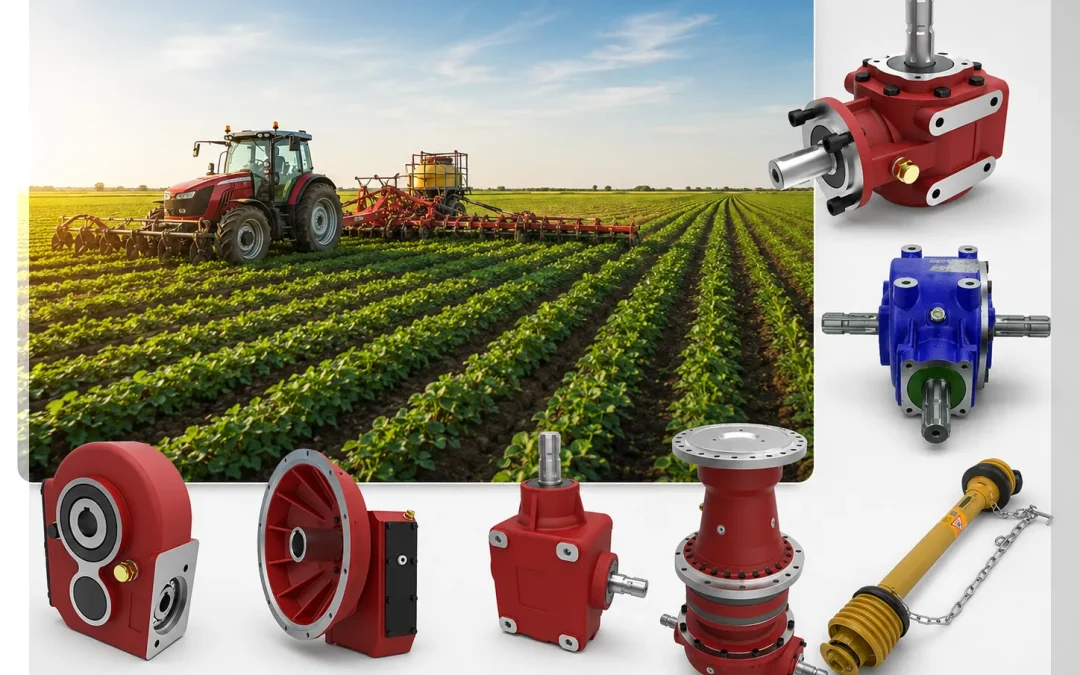
by ep | May 15, 2026 | Forage Baler
Baler Drive System Reference Round Baler Roller Bearings: Heat Test, Grease, and Replacement A round baler carries 20 to 40 bearings depending on design — roller shaft end bearings, pickup shaft bearings, tailgate hinge bearings, and idler bearings throughout the...
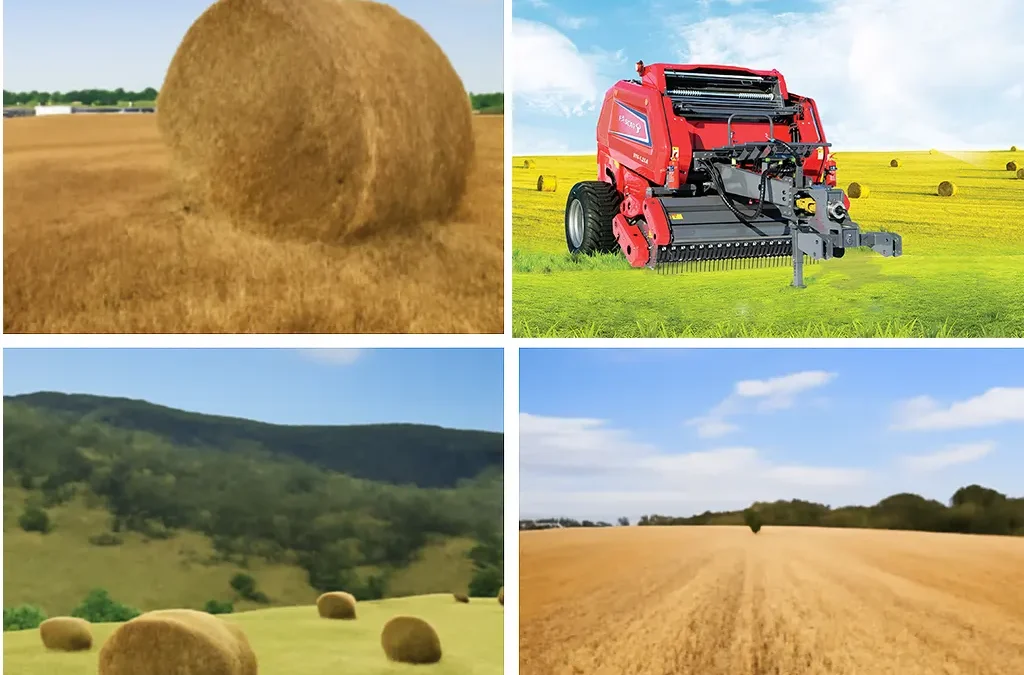
by ep | May 15, 2026 | Forage Baler
Round Bale Silage Production Guide High-Quality Silage Bales: Moisture, Inoculant, and Wrap Guide Round bale silage is not a second-best option for wet hay — it is a deliberately chosen preservation method that, when executed correctly, delivers feed quality that...
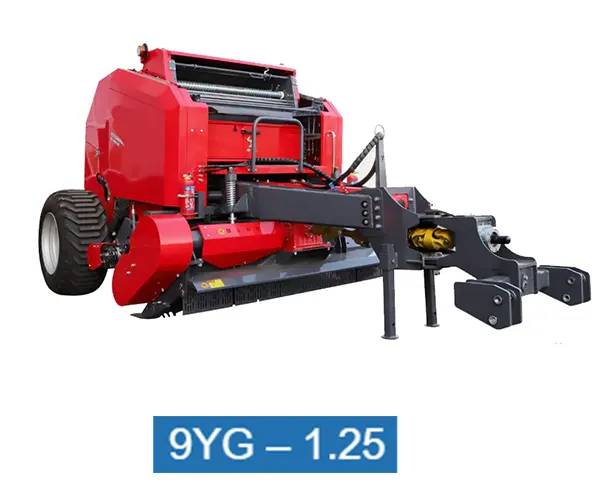
by ep | May 15, 2026 | Forage Baler
Equipment Selection Guide Fixed vs Variable Chamber Round Baler: Which Is Right for You Fixed chamber and variable chamber balers are not better and worse versions of the same machine — they are two different designs optimized for different production priorities....
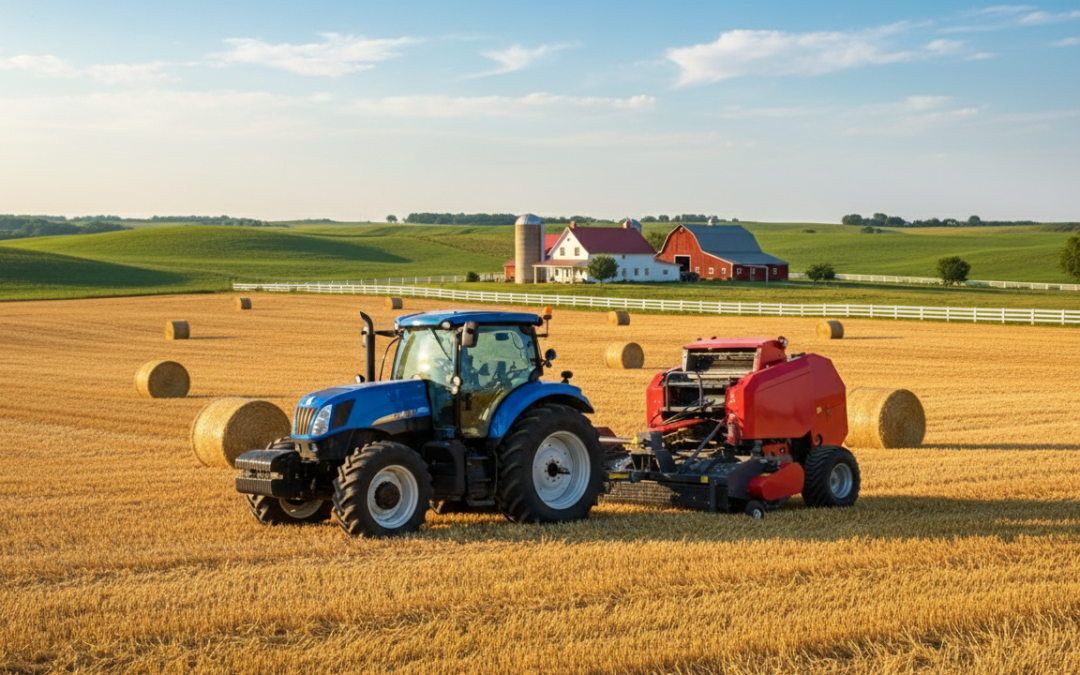
by ep | May 15, 2026 | Forage Baler
Baler Cutting System Reference Pre-Cut Knife System: Setup, Wear, and When to Engage The pre-cut knife system on a round baler is the most frequently misused feature on the machine. Many operators leave knives permanently engaged regardless of crop or end use. Others...
by ep | May 15, 2026 | Forage Baler
Alfalfa Stand Management Guide Alfalfa Cutting Frequency: Stand Life vs Yield Trade-offs Every cut you take from an alfalfa stand is a transaction — you receive a check of high-quality feed while the plant draws down its root carbohydrate reserves to fund the...


