
9YQ-1950 Round Baler
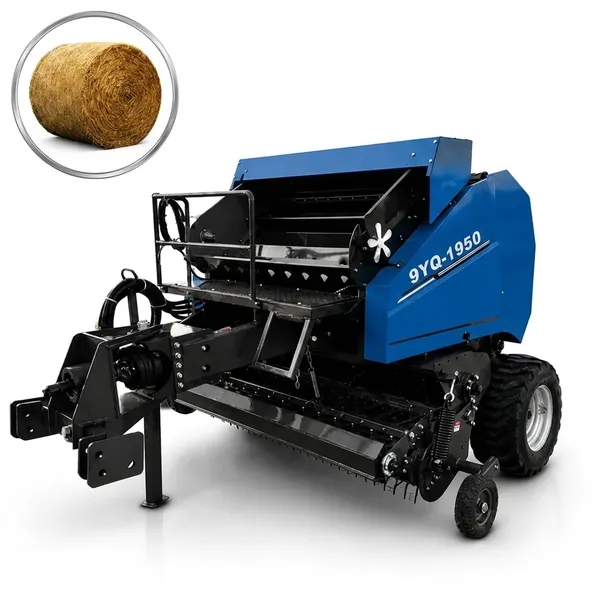
The 9YQ-1950 brings a 1,950mm pickup width, automatic net wrap and an 18-roller Φ1,000mm bale chamber together in one commercial-scale machine. Net wrap enables proper outdoor long-term storage and commercial bale presentation — a step-change from the rope-wrapped smaller models. The dual shift-fork and screw continuous feeding system keeps material flowing at 36.7–110.3kW PTO input, across wheat straw, corn stover, forage grass and cotton stalks.
- ✦ 1,950mm pickup width — wide commercial coverage per pass
- ✦ Automatic net wrap — outdoor storage and commercial-grade bale presentation
- ✦ Φ1,000×1,250mm fixed bale — larger output for high-volume operations
- ✦ 18 × Φ190mm compression rollers — even density across the bale cross-section
- ✦ Shift-fork and screw continuous feeder — consistent flow in variable windrow conditions
9YQ-1950 Round Baler: Commercial-Scale Output with Automatic Net Wrap
The Step from Farm Scale to Commercial Scale
The 9YQ-870 and 9YQ-1250 are farm-scale machines — sized and configured for producers who grow and feed their own hay, bale their own straw, and store their product under cover or feed it out quickly. The 9YQ-1950 crosses into different territory: at 1,950mm pickup width, net wrap binding, and a Φ1,000×1,250mm bale, it is configured for producers who sell bales commercially, store large inventories outdoors, or need to clear acreage at high daily output rates to stay within tight harvest weather windows.
The net wrap upgrade is the single most significant difference from the smaller models. Net wrap protects the outer bale surface from rain and UV, keeps the leading edge intact during bale ejection and handling, reduces leaf shatter in high-protein hay, and produces the clean, tight bale appearance that commercial buyers, feed dealers, and export operations expect. Rope-wrapped bales from the smaller models work well for barn storage and rapid feed-out; net-wrapped bales from the 9YQ-1950 work in those applications and in outdoor storage rows, commercial resale, and feed-lot delivery scenarios where bale quality over weeks of storage matters.
9YQ-1950 At a Glance
Technical Specifications
| # | Item | Unit | Specification |
|---|---|---|---|
| 1 | Model Name | — | 9YQ-1950 Round Baler |
| 2 | Hitching Method | — | Towed-type / Trailed |
| 3 | Pickup Width | mm | 1,950 |
| 4 | Picker Structure | — | Spring Tooth Type |
| 5 | Feeder Structure | — | Shift-Fork Feeding + Screw Continuous Feeding Mechanism |
| 6 | Bale Chamber Type | — | Roll Drum Type (Fixed) |
| 7 | Width of Compressing Room | mm | 1,250 |
| 8 | Bale Diameter | mm | Φ1,000 |
| 9 | Quantity of Pressing Rollers | pcs | 18 |
| 10 | Roller Diameter | mm | Φ190 |
| 11 | Bundling Method | — | Automatic Net Wrapping |
| 12 | Matching Power Range | kW / HP | 36.7–110.3 kW (approx. 49–148 HP) |
| 13 | Overall Dimensions (L×W×H) | mm | 3,200 × 2,500 × 2,010 |
| 14 | Machine Weight | kg | 2,385 |
Crop Applications — What the 9YQ-1950 Handles
Large-Field Straw Harvesting at Commercial Volume
At 1,950mm pickup width, the 9YQ-1950 covers nearly two metres of windrow in a single pass — enough that windrows from 2–3m cut combine headers can often be baled directly without a pre-pass with a mower-rake. This reduces the number of field operations per acre and the total time between grain harvest and field clearing.
- ▸Wheat and cereal straw — covers full combine windrows from 2m+ headers at productive forward speed
- ▸Corn stover — the dual feeder mechanism handles the high-volume material flow from wide stover windrows in heavy-yield fields
- ▸Rice straw — wide pickup clears paddy fields efficiently for the tight post-harvest window before field preparation
- ▸Cotton stalks — spring-tooth pickup at 1,950mm width handles broad cotton residue windrows from large-scale row spacing
Commercial Hay and Forage Production
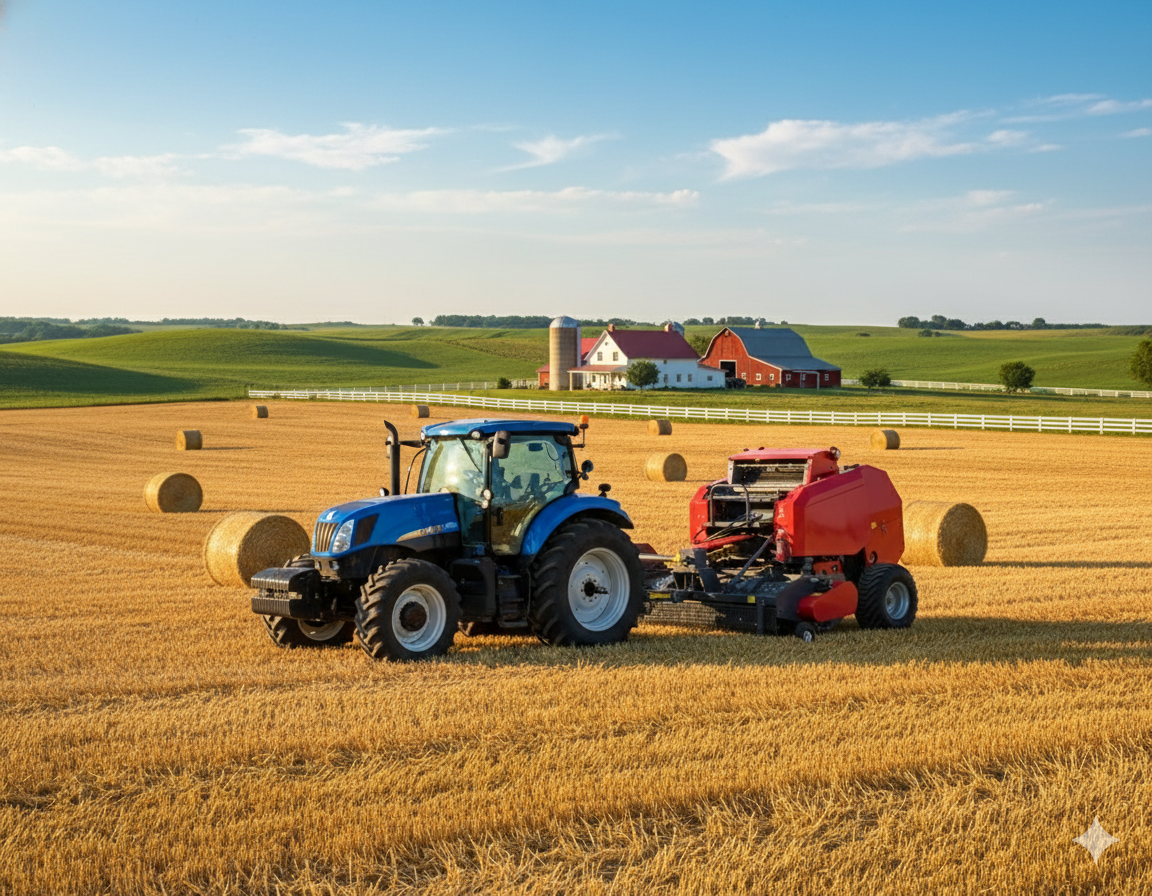
The net wrap on the 9YQ-1950 is what enables commercial hay selling — bales arrive at buyers with consistent shape and a clean, intact outer surface that reflects production quality. For operations producing hay for dairy, beef feedlots, export, or hay dealer resale, the net-wrapped bale from this model meets the standard that buyers in these markets expect. The relationship between bale density, moisture at baling, and feed quality is covered in the round bale density and feed quality guide.
- ▸Alfalfa and clover hay — net wrap holds leaf matter against the bale surface during handling, reducing the shatter loss that rope-wrapped forage experiences
- ▸Native and mixed grass hay — handles the variable density of prairie and native grass windrows with the wide spring-tooth pickup
- ▸Sorghum sudan and baleage — bale at 40–55% moisture for fermented feed production, followed immediately by stretch-wrap application over the net wrap
Key Features of the 9YQ-1950
Automatic Net Wrap System
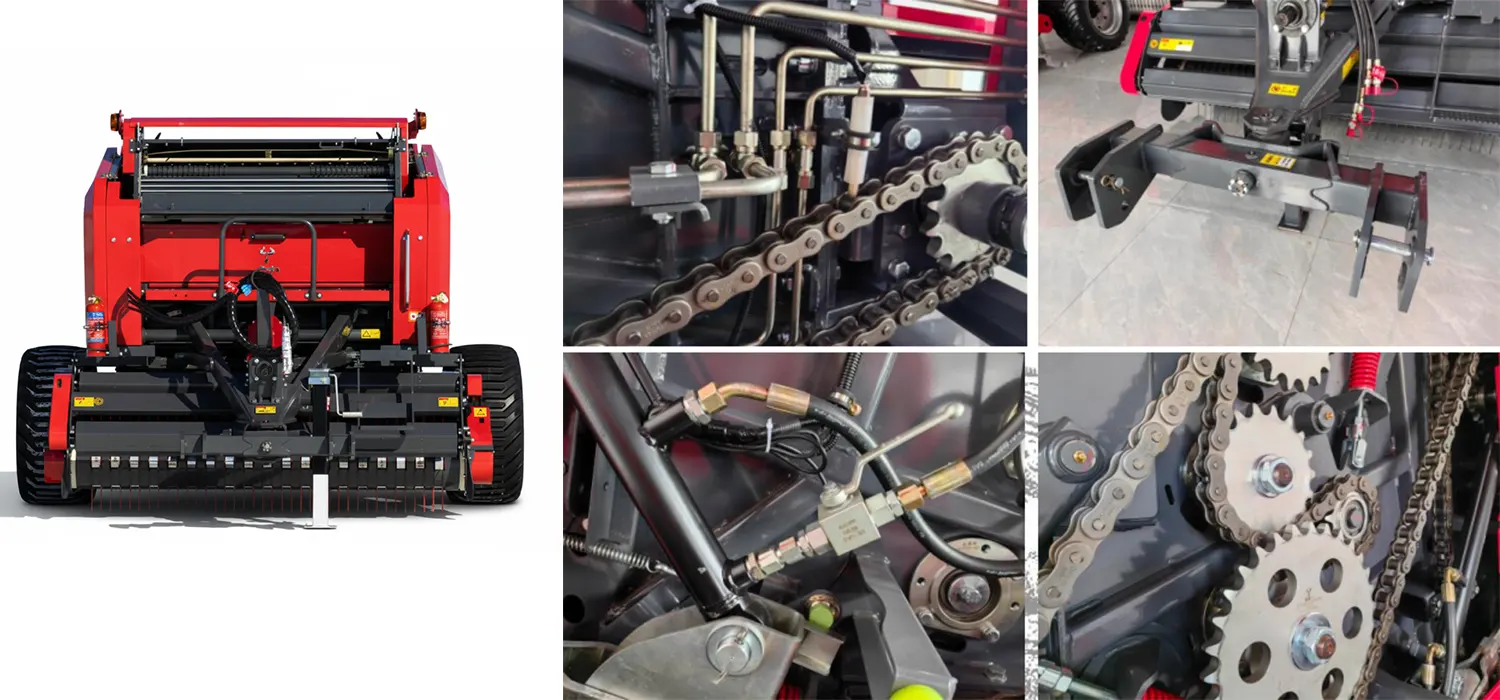
The automatic net wrap system applies net wrap material around the bale circumference at the end of each compression cycle — without operator intervention beyond loading the net roll at the start of the session. The system applies a programmed number of wrap layers and cuts the net cleanly at the tailgate open point, producing a consistently sealed bale every cycle. Net wrap prevents the outer crop layer from weathering during storage, maintains bale shape during handling and transport, and reduces the fire risk that loose, exposed straw material poses in storage areas. For the relationship between net wrap, bale moisture, and fire prevention practices, see the round baler fire prevention and safety guide.
Dual Shift-Fork and Screw Continuous Feeding Mechanism
The shift-fork feeding mechanism actively reaches into the incoming windrow material and transfers it into the screw conveyor zone. In high-volume windrows from a 1,950mm wide pass — where the incoming material volume is significantly more than a narrow-pickup baler handles — the shift-fork stage manages the initial material volume before the screw stage takes over for steady chamber delivery.
The screw conveyor delivers material to the compression chamber at a continuous, even rate — avoiding the surge-and-gap feeding pattern that can produce uneven bale density when the pickup directly feeds the chamber without an intermediate stage. This continuous delivery is particularly important at the 1,950mm pickup scale, where the total material volume entering the machine per unit of forward distance is substantially higher than smaller machines.
The dual-stage feeding arrangement provides an inherent blockage buffer: when the incoming material rate spikes at a dense windrow section, the shift-fork stage absorbs the surge before it reaches the screw conveyor. This design means the operator can maintain consistent forward speed through variable windrow conditions rather than needing to slow or stop at every heavy section to prevent a pickup jam.
18-Roller Φ1,000mm Compression Chamber
The 18 × Φ190mm rollers arranged around the 1,000mm diameter compression chamber give the 9YQ-1950 a significantly larger roller contact area than the 16 × Φ152mm arrangement in the 9YQ-1250. Larger roller diameter means each roller spans more of the bale circumference per revolution, and the Φ190mm rollers are more resistant to surface deformation under the load that a Φ1,000mm bale at commercial density produces. For the full maintenance protocol that keeps the compression chamber in calibration across a baling season, the round baler seasonal maintenance checklist covers roller inspection intervals and wear indicators.
Why Automatic Net Wrap Changes What You Can Do with Your Bales
Outdoor Storage — From Weeks to Months
Rope-wrapped bales stored outdoors experience progressive weather penetration through the outer crop layer — rain, dew and UV work through the outer surface over weeks, creating a degraded outer zone that can represent 5–15% of total bale dry matter. Net-wrapped bales from the 9YQ-1950 have that outer layer sealed — the net holds the surface material tight against the bale body, significantly slowing weather penetration and extending the period over which outdoor-stored bales maintain their quality. For the full relationship between bale storage method and dry matter loss, the round bale storage and dry matter loss guide quantifies the benefit of net wrap for different storage durations and climates.
This matters most for operations that produce a full season of hay in spring and summer and then sell or feed through fall and winter — the bales that are sold last need to be as good as the ones sold first, which requires outdoor storage that preserves quality over months rather than weeks.
Commercial Presentation and Buyer Expectations
Buyers in commercial hay markets — feed dealers, dairy operations, export brokers, and livestock lot managers — routinely specify net-wrapped bales for volume purchases. The reasons are practical: net-wrapped bales have a consistent, intact outer surface that can be inspected before purchase; they handle and transport with less surface material loss; and the net wrap layer provides a clear visual indication of bale integrity during unloading. A producer switching from rope-wrapped to net-wrapped bales with the 9YQ-1950 gains access to markets that were effectively closed to their product while it arrived in rope binding.
9YQ Series Comparison and Sizing Guide
Choosing Between the 9YQ-1950 and 9YQ-2300
The 9YQ-1950 and 9YQ-2300 produce the same bale size (Φ1,000×1,250mm) with the same net wrap binding — the primary difference is pickup width (1,950mm vs 2,300mm) and machine weight (2,385kg vs 2,500kg). Choose the 9YQ-2300 if: your fields are large enough that the extra 350mm of pickup width meaningfully reduces passes per acre and hours per season; your tractor is matched to the 9YQ-2300 power range; or your transport and headland turning dimensions accommodate the wider machine. Choose the 9YQ-1950 if: field sizes and windrow widths are within what 1,950mm handles comfortably, or road transport width constraints make the 2,500mm 9YQ-2300 less practical for your operation.
Full 9YQ Series and 9YG-2.2 Comparison
| Model | Pickup | Bale Size | Power | Weight | Wrap |
|---|---|---|---|---|---|
| 9YQ-870 | 800mm | Φ630×700mm | 25–50HP | 440kg | Rope |
| 9YQ-1250 | 1,250mm | Φ800×1,250mm | 54–80HP | 1,000kg | Rope |
| 9YQ-1950 ◀ This model | 1,950mm | Φ1,000×1,250mm | 49–148HP | 2,385kg | Net wrap |
| 9YQ-2300 | 2,300mm | Φ1,000×1,250mm | 79–178HP | 2,500kg | Net wrap |
| 9YG-2.2 (Fixed) | 2,200mm | Φ1,220×1,400mm | 148–201HP | 3,800kg | Net wrap |
Operating Tips for the 9YQ-1950
Tractor and PTO Requirements
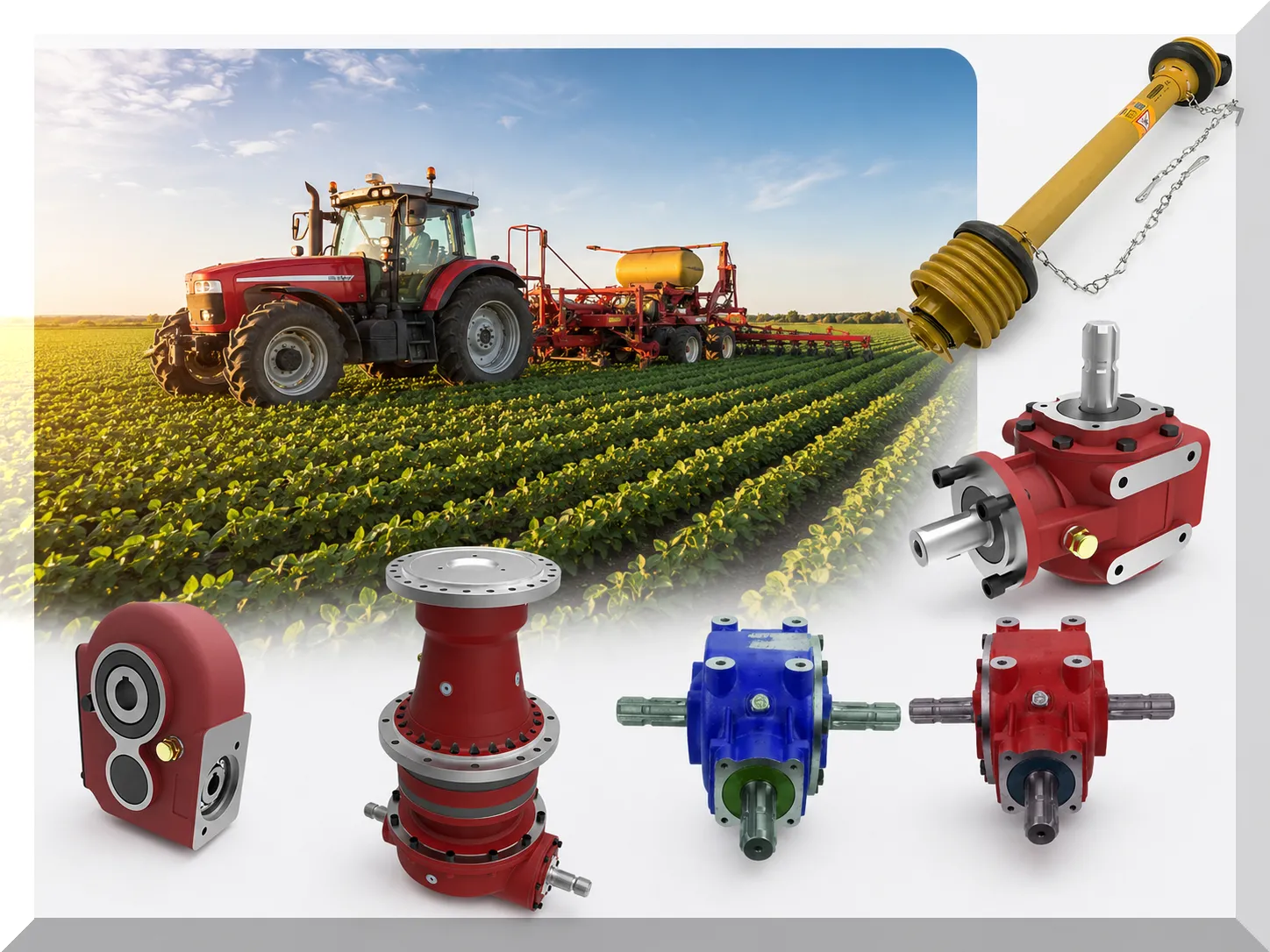
The 9YQ-1950 rated power range (36.7–110.3kW) reflects the wide range of operating conditions this machine handles — from light hay at minimum bale density in good conditions, to high-density corn stover at commercial output rates. For comfortable general-purpose operation across hay, straw and medium-density forage in typical conditions, a tractor producing 60–90HP PTO is a well-matched pairing. For continuous high-volume stover baling or operating at maximum forward speed in heavy forage, a tractor in the 100–130HP PTO range keeps the machine running without labour. The drive shaft and PTO coupling specifications that match this power range are detailed in agricultural gearbox and PTO driveline specifications — relevant if sourcing PTO shaft replacement components or verifying tractor output shaft compatibility.
Field Management and Windrow Optimisation
- Windrow width:Target windrow widths of 1,700–1,900mm for the best pickup efficiency. Slightly narrower than the pickup width avoids leaving edge material uncovered and produces a cleaner field after baling.
- Baling moisture:The hay moisture management protocol from the hay moisture baling and testing guide applies directly here: target 14–18% core moisture for dry hay, and verify with a probe at the windrow core rather than the surface before beginning each field. Net wrap requires bale moisture be within target — net-wrapped bales above 20% moisture still heat, and the sealed surface can slow the dissipation that a rope-wrapped bale achieves through surface evaporation.
- Net wrap settings:Set the wrap cycle for a minimum of 2 layers for barn-stored hay and 3 layers for outdoor-stored bales or bales intended for commercial sale. Inspect the net cut quality at the tailgate after the first 5 bales of each session to verify that the cutter is operating cleanly and not leaving ragged edges that can unravel during handling.
- Troubleshooting:For common feed blockages, pickup miss-feeds, and net wrap cutting problems, the round baler troubleshooting guide covers the diagnostic sequence for the most frequent issues encountered in commercial-scale operation.
Frequently Asked Questions — 9YQ-1950 Round Baler
What Customers Say About the 9YQ-1950
I run a custom baling service and this is the machine that filled the gap between my small farm baler and my big commercial unit. At 1,950mm pickup I cover straw fields at a pace that makes the job economical at custom rates, and the net wrap means my customers get bales that can go straight into outdoor storage without needing barn space. The dual feeder has been the most pleasant surprise — in the variable-windrow corn stover fields I run in October, the machine stays moving when I would have expected jams on a single-stage baler of this size.
We export alfalfa to dairy operations and the buyers require net-wrapped bales — the previous rope-wrapped machine was not an option for this market. The 9YQ-1950 changed our sales channel completely. We now store bales outdoors in rows on a gravel pad and they maintain presentation quality for 4–6 months without the surface deterioration we used to see. The wide pickup at 1,950mm has also reduced our baling days from 12 to 8 per year on the same 400 acres — that time saving alone paid for a significant portion of the machine cost.
We feed around 300 head and needed a baler that could produce enough bales in our 3-week spring hay window to cover winter feed requirements. The 9YQ-1950 at 1,950mm pickup has been the solution. We run a 95HP tractor and it operates well within capacity even in our heavier fescue stands. Bale weight averages around 290kg in the fescue, which our loader handles cleanly. Net wrap means we can leave bales outside the barn and they are still in good condition when we feed them 4 months later. Zero mechanical issues through two full seasons.
We bale rice straw after harvest for sale to mushroom growers and as livestock bedding — net wrap is essential for our buyers. The 9YQ-1950 handles the tangled, low-density post-paddy windrows well and the wide pickup means we clear fields quickly in the narrow window between rice harvest and the next water cycle. One note: the net wrap cutter needed a minor adjustment after the first season because it was leaving slightly ragged cut edges in our very dry straw conditions. A field technician adjusted the cutter tension and the problem was fully resolved. The baler itself is solidly built and the operating cost per bale is well within what the market supports.
Get the 9YQ-1950 for Your Operation
Tell us your primary crop type, total baling acreage, tractor PTO output and whether you need outdoor storage capability. We will verify the 9YQ-1950 is the right fit and provide current pricing, lead time and delivery details.
Additional information
| Editor | Cxm |
|---|
Related products
-
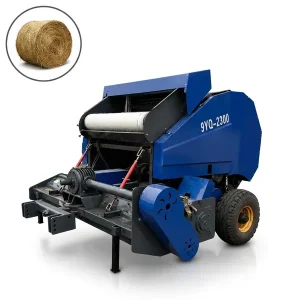
9YQ-2300 Round Baler
-
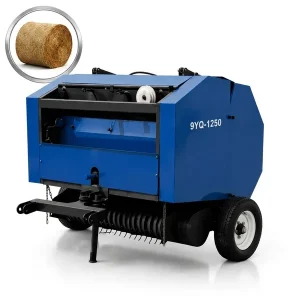
9YQ-1250 Round Baler
-
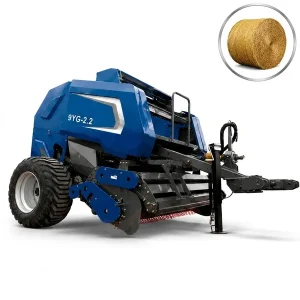
9YG-2.2 Fixed Chamber Round Baler
-
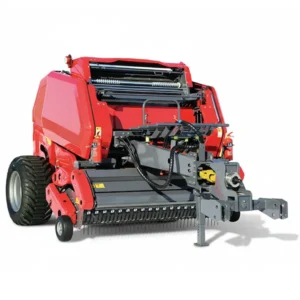
Forage Baler – 9YG – 1.25A Round Baler with Spring – Tooth Pickup
-
Forage Baler – 9YG-2.24D Round Baler S9000 (Base) for Hay & Silage Baling
-
Forage Baler – 9YG-2.24D Round Baler S9000 Classic for Hay & Silage
-
Forage Baler – 9YG-1.0C Round Baler | Net Wrap Baler for US Farms
-
9YG-1.0 Round Baler | Net Wrap Forage Baler for Hay & Silage


