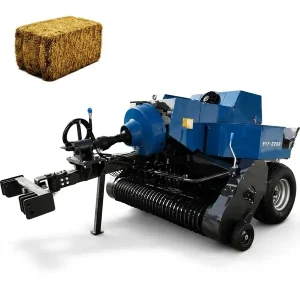
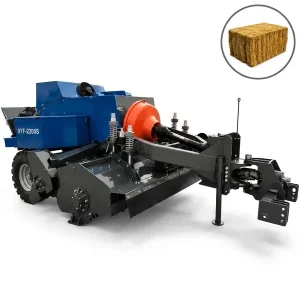
9YFS-2.2 Square Baler
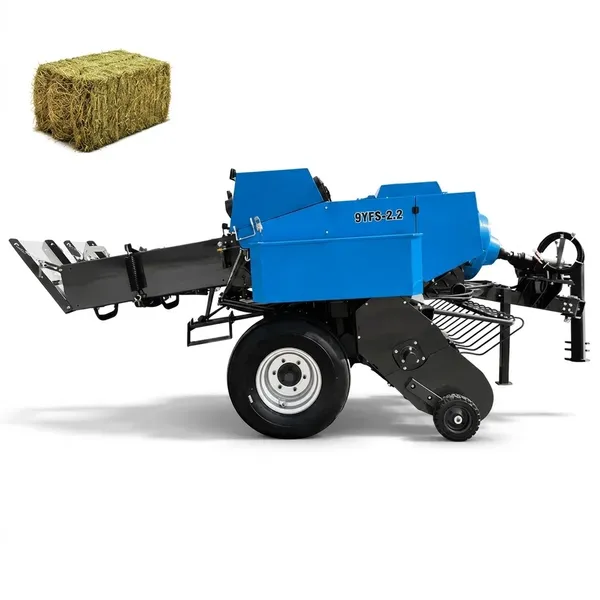
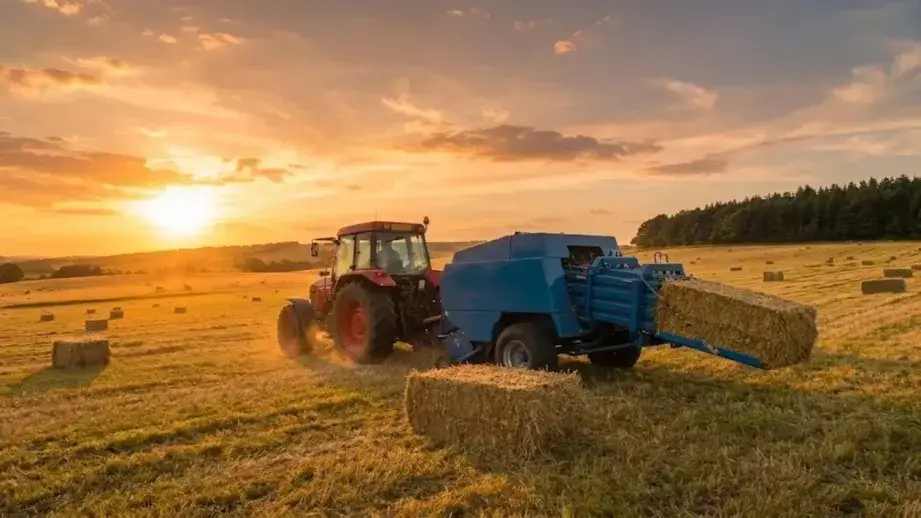
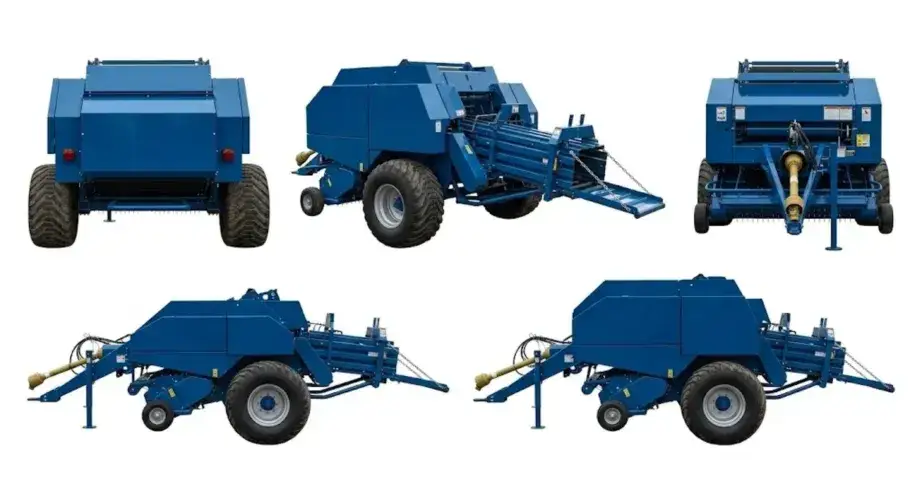
The most capable model in the square baler lineup — the 9YFS-2.2 adds a dual-stage shredding mechanism and a negative-pressure dust-removal fan to the proven 9YF-2200S platform. The fan actively separates dust, fine sand and field impurities from the straw as it enters the baler — producing measurably cleaner, more uniform bales from the same crops. At ≥73.5kW (≥99HP) with hammer-claw pickup, 2,200mm width and 460×360mm auto-rope bale.
- ✦ Dual-stage shredder — more thorough breakdown of hard corn and sorghum stalks
- ✦ Negative-pressure fan — removes dust and impurities for cleaner, more palatable bales
- ✦ Hammer-claw pickup — handles standing, lodged and tangled material
- ✦ 2,200mm pickup · 460×360mm bale · ≥99HP · 2,350kg
- ✦ 6,500×2,900×3,360mm overall dimensions
9YFS-2.2 Square Baler: Maximum Capability for Clean, Dense Bale Production
What Sets the 9YFS-2.2 Apart from the 9YF-2200S
The 9YF-2200S single-shredder model addresses most of the crop processing challenges a small square baler encounters. The 9YFS-2.2 goes further in two specific directions: it shreds more thoroughly with a two-stage mechanism, and it actively cleans the material with a negative-pressure fan before it reaches the bale. These two additions are most valuable in operations where bale purity matters — dairy and equine operations where dust and soil contamination in feed causes respiratory or digestive issues, export operations where bale appearance and cleanliness are evaluated at the receiving end, and any situation where the forage value of the bale depends on a low impurity content.
Two sequential crushing and shredding stages process hard stalks — corn, sorghum, cotton — more completely than a single stage. The first stage breaks the stalk; the second stage shreds the broken pieces into shorter, finer fragments that pack more uniformly in the compression chamber. The practical result: higher average bale density, better bale shape stability, and shorter stalk fragments that improve forage palatability in ruminant feeding.
A dedicated fan unit draws air through the crop material stream before it reaches the compression chamber, separating dust, fine sand, soil particles and light chaff through negative pressure adsorption. These impurities are ejected through the clean windrow — reducing the impurity content of bales by a significant margin compared to direct-compression machines. Cleaner bales mean less soil in the feed ration, lower dust exposure for livestock, and bales that present better for sale.
The same rotating flail-type pickup used on the 9YF-2200S — capable of recovering standing, lodged and tangled material from the ground surface that a spring-tooth system misses. The 9YFS-2.2 can operate in difficult field conditions — traffic-compacted stover fields, wind-damaged cereal crops, and matted paddy residue — that would require a separate raking pre-pass on a standard pickup machine.
9YFS-2.2 At a Glance
Technical Specifications
| # | Item | Unit | Specification |
|---|---|---|---|
| 1 | Model Name | — | 9YFS-2.2 Square Baler |
| 2 | Hitching Method | — | Towed-type / Trailed |
| 3 | Pickup Width | mm | 2,200 |
| 4 | Picker Structure | — | Hammer-Claw Type |
| 5 | Feeder Structure | — | Fork Feeding Mechanism |
| 6 | Shredding Mechanism | — | Dual-Stage Shredder (Two Levels) |
| 7 | Dust Removal System | — | Negative-Pressure Fan (Dedicated) |
| 8 | Knotter Type | — | D-Type |
| 9 | Number of Knotters | pcs | 2 |
| 10 | Bale Chamber Section (W×H) | mm | 460 × 360 |
| 11 | Baling Method | — | Automatic Rope Baling |
| 12 | Matching Power Range | kW / HP | ≥73.5 kW (≥99 HP) |
| 13 | Rated Moisture Range | — | Legume/grass forage 17–23%; straw/stover 10–23% |
| 14 | Slope Limit | — | ≤8 degrees |
| 15 | Overall Dimensions (L×W×H) | mm | 6,500 × 2,900 × 3,360 |
| 16 | Machine Weight | kg | 2,350 |
Crop Applications — Widest Range, Cleanest Output
Crop Types and Field Conditions
The 9YFS-2.2 operates across the same crop range as the 9YF-2200S — with the added capability that the dual shredder and dust-removal fan provide when crop quality or field cleanliness are performance factors. Rated for: legume and gramineous forage 17–23% moisture; rice, wheat and corn stover 10–23% moisture; soil moisture 12–25%; slope up to 8 degrees.
- ▸Corn and sorghum stover — dual shredder provides more complete stalk breakdown than single-stage for the densest, hardest crop residues
- ▸Standing and lodged crops — hammer-claw recovers material flattened by wind, rain or harvest traffic that standard pickups cannot lift from the ground surface
- ▸Alfalfa and legume hay (fresh and dry) — fan removes dust and fine particulate from the windrow before baling, significantly reducing the impurity content of alfalfa bales fed to dairy cows and horses
- ▸Wheat and rice straw — fan removes the fine dust, chaff and light soil particles characteristic of combine-harvested straw windrows
- ▸Cotton stalks and mixed crop residue — the dual shredder handles the variable hardness of cotton stalk material; the fan removes soil contamination common in post-cotton windrows
Markets Where Clean Bales Matter Most
- ▸Dairy and equine operations — animals sensitive to dust and soil contamination in feed respond measurably to cleaner forage; reduced respiratory issues in horses and improved DMI in dairy cows
- ▸Export and commercial resale — bales inspected at the receiving end for impurity content and appearance meet a higher standard when produced from fan-cleaned material
- ▸TMR ration mixing — shredded, fan-cleaned stover and straw integrate more evenly in total mixed rations than whole-stalk or dusty material
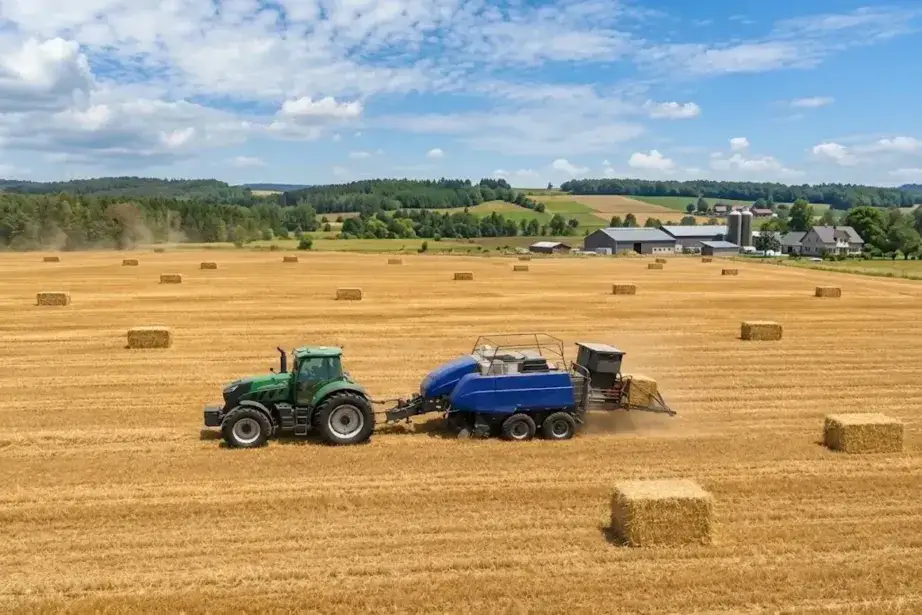
Key Features of the 9YFS-2.2
Negative-Pressure Fan — How Impurity Removal Works
The negative-pressure fan unit creates a suction zone in the crop material stream between the pickup and the shredder stage. As material passes through this zone, the fan draws air through the stream, and particles that are lighter than the crop material — dust, fine sand, soil granules, chaff fragments, and other field impurities — are suspended in the airflow and carried away from the material stream through a clean windrow outlet. The heavier crop material (stalk and leaf) continues into the shredder and compression stages. The impurity removal is not 100% for all particle sizes, but the measurable reduction in fine dust and soil content produces bales that score lower on ash content analysis — the most direct measure of soil contamination in forage — and generate significantly less airborne dust when opened and fed.
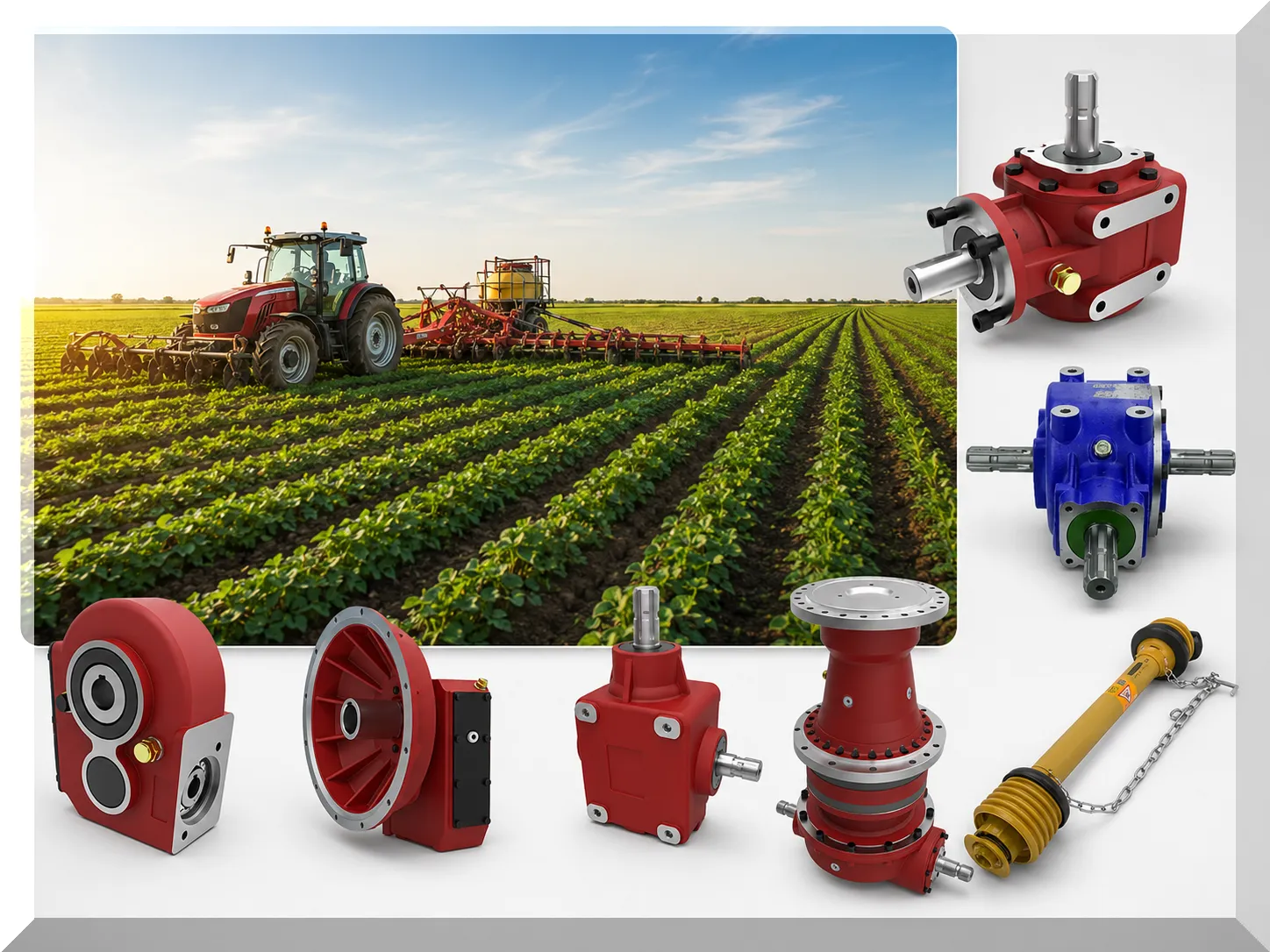
For horse operations, respiratory sensitivity to hay dust is a well-documented issue — horses with recurrent airway obstruction (heaves) benefit significantly from low-dust forage. For dairy operations, soil contamination in TMR rations introduces pathogens and abrasive particles; fan-cleaned bales reduce both risks compared to non-cleaned bales from the same field. The PTO driveline specifications relevant to operating both the fan and the dual shredder simultaneously at the rated power are covered in the agricultural gearbox and driveline specification reference.
Dual-Stage Shredding — Two Levels of Processing
The first shredding stage receives material from the fork feeder and breaks hard, intact stalks — corn, sorghum, thick-stemmed alfalfa — into smaller sections. This initial breaking stage handles the structural integrity of the stalk, which is higher than the secondary stage mechanism is designed to process alone. Operating the dual shredder on material that a single stage handles adequately does not damage the machine — it simply uses more power and produces finer shred length.
The second shredding stage receives material from Stage 1 and reduces it further — rubbing and cutting the broken stalk sections into finer, more uniform fragments. The finer and more uniform the shred length entering the compression chamber, the more evenly the material packs around the perimeter and across the width of the 460×360mm bale — eliminating the large void zones that whole or partially broken stalks leave.
Bales from the 9YFS-2.2 in corn stover or sorghum conditions are noticeably denser and more dimensionally stable than those from a single-stage or non-shredding machine in the same crop. Stacks of these bales maintain their shape across a storage season rather than compressing or deforming as the internal void structure collapses over time.
Full Square Baler Series — Where the 9YFS-2.2 Fits
Complete Series Comparison
| Model | Picker | Shredder | Fan | Min. Power | Weight |
|---|---|---|---|---|---|
| 9YF-2200 | Spring Tooth | None | No | 40HP | 1,950kg |
| 9YF-2200S | Hammer-Claw | Single | No | 99HP | 2,350kg |
| 9YFS-2.2 ◀ This model | Hammer-Claw | Dual-Stage | Yes (Neg. Press.) | 99HP | 2,350kg |
Explore the full square baler range and compare all three models side by side, or visit the foragebaler.com homepage to see the complete baler and mowing equipment lineup.
Operating Tips for the 9YFS-2.2
Fan Setup and Adjustment
The negative-pressure fan setting controls the volume of air drawn through the material stream. In light, dry hay with low dust content, a moderate fan setting is appropriate — a very aggressive fan setting on light material can carry away fine leaf material that has forage value alongside the impurities. In heavily dusty conditions — post-combine straw with significant field dust, sandy soil windrows, or high-chaff grain crop residue — a stronger fan setting maximises impurity removal. The operator manual specifies the adjustment range and provides guidance for different crop types. Inspect the fan discharge outlet at the end of each session for blockage by wet or fibrous material that can accumulate around the outlet screen.
Dual Shredder Maintenance
- Blade inspection:Inspect both shredder stage blade sets before each season. Worn blades on either stage reduce the quality of the shred and increase the power demand per unit of material — dull blades tear rather than cut, which requires more force and produces less consistent fragment length. Replace blade sets that show significant wear before the season, not mid-season.
- Clearance setting:The clearance between the blade and the counter-blade on each stage determines shred fineness and power consumption. Tighter clearance for maximum processing of hard stalks, wider clearance for lighter forage to reduce power draw. Set clearances per the operator manual specification for the crop type being baled.
- Blockage management:Very wet material (above 25% moisture) can clump in the shredder stages and block the inter-stage transfer path. If the machine shows reduced output or uneven bale density in unexpectedly wet windrow sections, engage the reverse-drive function (if equipped) or manually clear the stage before continuing. Do not force through a blockage at full PTO speed.
- Power management:The dual shredder plus fan draws more PTO power than the single-shredder model, particularly in dense crop conditions. Monitor tractor engine load and maintain 10–15% reserve above average PTO load — operating continuously at maximum engine load reduces both tractor and shredder component life. Reduce forward speed rather than pushing through dense sections at full speed.
Frequently Asked Questions — 9YFS-2.2 Square Baler
What Customers Say About the 9YFS-2.2
I sell alfalfa to three boarding stables, and horse owners are very particular about dust. After switching to the 9YFS-2.2, two of my buyers commented without being prompted that the new bales produced less dust when they opened them in the barn. The lab analysis from one buyer showed ash content down measurably from my previous baler on the same fields. For the premium horse hay market, that is a real quality difference that supports higher pricing. The dual shredder also handles my late-season thick-stemmed alfalfa much better than the single-stage machine I had before.
I run 800 acres of corn and the stover recovery is an important secondary income. The 9YF-2200S was good but the dual shredder on the 9YFS-2.2 makes a noticeable difference in stover bale density — the bales weigh more per unit length and the stacks are more stable across winter storage. The fan is the feature I did not expect to value, but my cattle show less sorting behavior with the fan-cleaned stover than they did with the previous baler output on the same fields. That is a real feed efficiency improvement even in a beef operation.
We supply a dairy with TMR-mixed small square bales of wheat straw and alfalfa. The dairy nutritionist tracks ash content in the forage analysis as an indicator of soil load in the ration. Our 9YFS-2.2 bales consistently test lower ash than the previous baler from the same fields — our buyer confirmed this is meaningful in their ration formulation and has made our product the preferred supplier over the competitors who use standard balers. The dual shredder also produces bales that mix more uniformly in the TMR — the nutritionist noted less ingredient separation in the mixer truck.
Sorghum and cotton stalks are hard on any baler, and the 9YFS-2.2 handles them better than anything else I have used. The dual shredder processes sorghum stalks to a point where the bale density is genuinely commercial-grade — something I could not achieve with single-stage or non-shredding machines. The fan removes the cotton field dust that used to make our bales gritty in the outside layer. One practical note: the fan belt requires attention in cotton season — cotton fibre can wrap around the belt pulley and needs clearing at each day end. Once I added that to the daily routine, no issues. Would buy again.
Get the 9YFS-2.2 for Your Operation
Tell us your primary crop types, tractor HP and target market for your bales. We will verify the 9YFS-2.2 is the right fit and provide current pricing, lead time and delivery details.
America Ever-Power Forage Baler Equipment INC. · 1401 21st ST STE R, Sacramento, CA 95811
Additional information
| Editor | Cxm |
|---|