
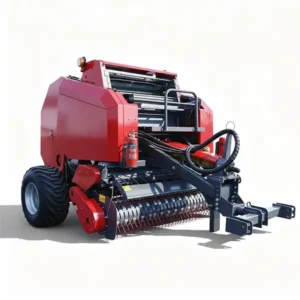
9YG-2.2 Fixed Chamber Round Baler
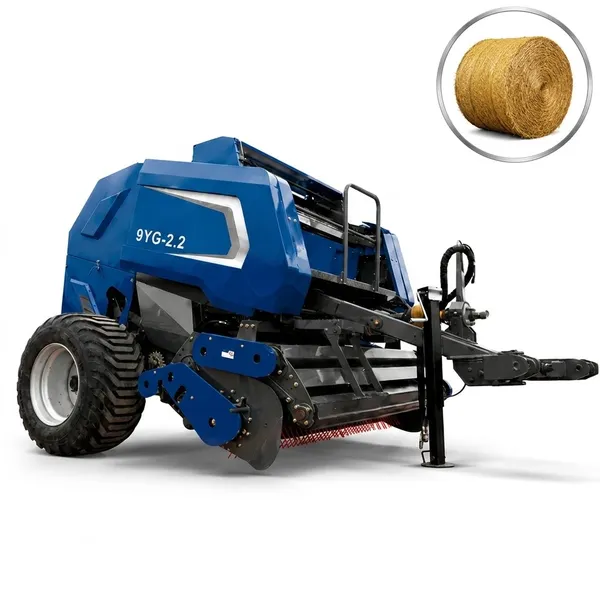
The 9YG-2.2 is a fixed-chamber round baler producing a consistent Φ1,220mm diameter × 1,400mm wide bale on every cycle — no adjustment between bales, no variability in shape. Driven by 110–150kW PTO input and equipped with a color touch screen, 18-roller compression chamber, and automatic net wrap, it is the dependable choice for commercial-scale wheat straw, corn stover, rice straw, cotton stalks, and forage grass operations.
- ✦ Fixed bale output: Φ1,220mm × 1,400mm — uniform every time
- ✦ Color touch screen + high-precision displacement sensor
- ✦ 18-roller roll-drum chamber, Φ222mm rollers, fully sealed
- ✦ Automatic thin-oil lubrication system — centralized grease supply
- ✦ Key drivetrain components sourced from international major brands
9YG-2.2 Fixed Chamber Round Baler: Consistent Bales at 2.2m Pickup Width
What Fixed-Chamber Means in Practice
A fixed-chamber baler builds every bale to the same finished dimensions before the tailgate opens. Unlike variable-chamber designs where the operator can dial the diameter from small to large within a range, the fixed-chamber produces one size — and it does so at the fastest cycle time available for that size class. For the 9YG-2.2, that means a finished bale of Φ1,220mm diameter × 1,400mm wide on every tailgate cycle, with no operator input required to hold that size consistent across the day.
The practical result: bales that stack evenly, fill trailers predictably, and weigh consistently from one end of the field to the other. Buyers who purchase bales in volume — livestock operators, export brokers, hay dealers — value this uniformity because it eliminates the handling and weight variability that variable-chamber output can produce when operators are moving through crops of changing density and moisture.
The 9YG-2.2 at a Glance
Technical Specifications
| # | Item | Unit | Specification |
|---|---|---|---|
| 1 | Model Name | — | 9YG-2.2 Round Baler |
| 2 | Hitching Method | — | Towed-type (3-point hitch compatible) |
| 3 | Pickup Width | mm | 2,200 |
| 4 | Picker Structure | — | Spring Tooth Type |
| 5 | Feeder Structure | — | Continuous Screw Feeding Mechanism |
| 6 | Bale Chamber Type | — | Roll Drum Type — Fixed Chamber |
| 7 | Bale Chamber Width | mm | 1,400 |
| 8 | Bale Diameter (fixed) | mm | Φ1,220 |
| 9 | Quantity of Pressing Rollers | pcs | 18 |
| 10 | Roller Diameter | mm | Φ222 |
| 11 | Bundling Method | — | Automatic Net Wrapping |
| 12 | Matching PTO Power Range | kW | 110–150 (approx. 148–201 HP) |
| 13 | Overall Dimensions (L×W×H) | mm | 4,100 × 2,900 × 2,400 |
| 14 | Machine Weight | kg | 3,800 |
Crop Applications — What the 9YG-2.2 Handles
Straw Harvesting Operations
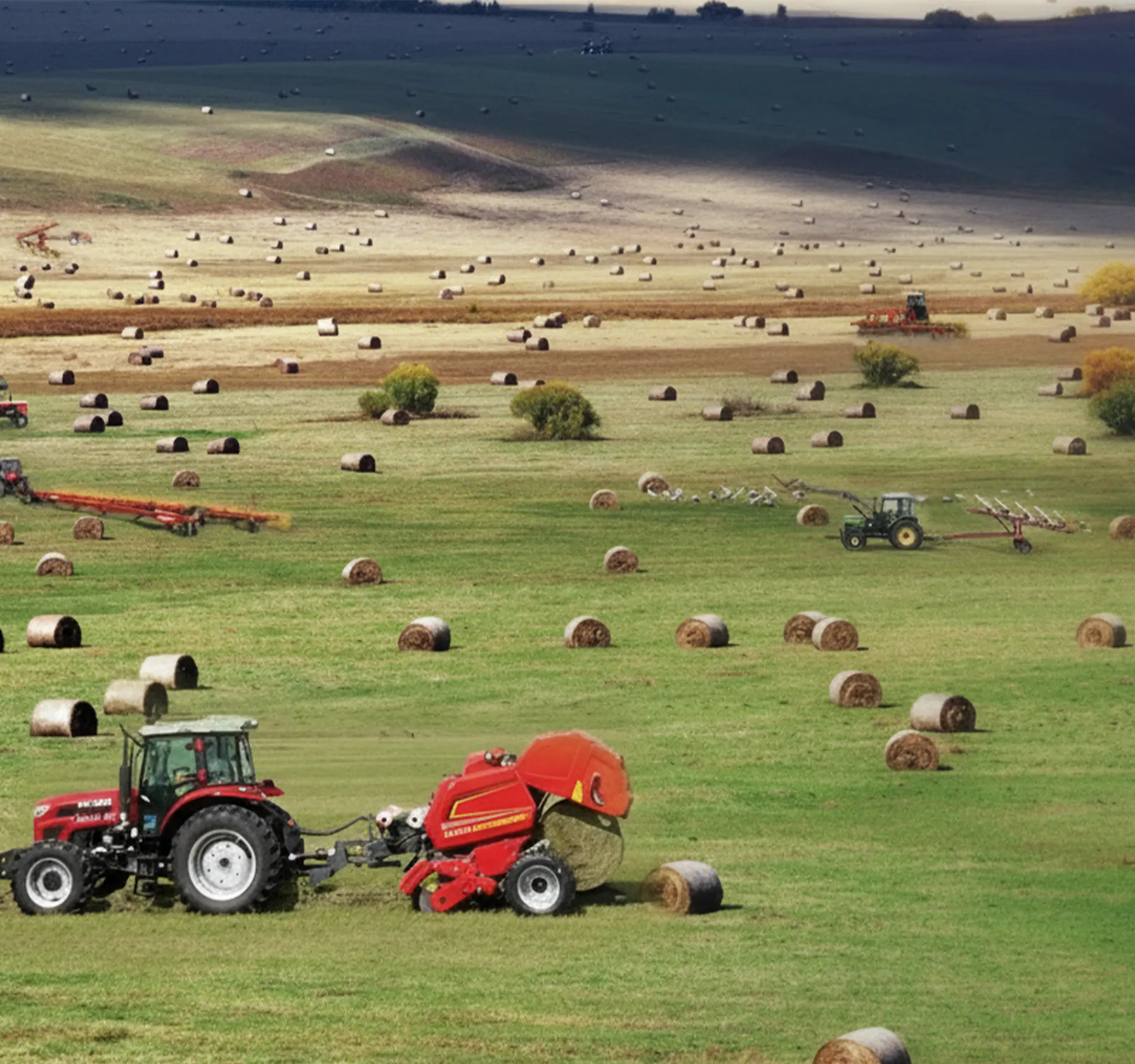
The 9YG-2.2 is well-matched to high-volume straw recovery operations where the field clears fast and the baler needs to keep pace. The 2,200mm pickup width covers a wide swath in a single pass, and the continuous screw feeder keeps material flowing into the compression chamber without blockage-prone gaps.
- ▸
Wheat straw — handles full windrows from wide-cut combines at high forward speed - ▸
Rice straw — the spring-tooth pickup handles the tangled mat left by paddy combines - ▸
Corn stover — the 18-roller chamber produces dense, tight bales from this high-volume crop - ▸
Cotton stalks — consistent chamber geometry handles the variable bulk density of shredded cotton residue
Forage and Hay Production
For hay operations, the 9YG-2.2 produces a bale that is large enough to reduce the number of bales per acre while remaining handleable by standard front-end loaders and bale spears. The automatic net wrap keeps the outer layer of forage from weathering during outdoor storage.
- ▸
Alfalfa and clover hay — net wrap reduces leaf shatter loss during handling - ▸
Native and mixed grass hay — handles variable density from short sod-forming grasses to tall bunch grasses - ▸
Sorghum sudan and silage wrapping — bale at 40–55% moisture and apply stretch wrap for fermented feed production
Key Features of the 9YG-2.2
Smart Control and Monitoring System
The portable color touch panel operates stably and reliably in field conditions. Paired with a high-precision displacement sensor, it gives the operator exact real-time bale weight monitoring — so output weight stays consistent even as crop density changes across the field.
The operating system provides both automatic and manual modes, allowing operators to run at full automation in clean conditions or take direct control when crop conditions require more precision. The full baling process is monitored on-screen, with equipment status visible at a glance.
A high-precision sensor accurately positions each net wrap revolution around the bale — applying the programmed number of layers without over-running. This keeps net wrap material consumption at the minimum needed for bale integrity, which adds up over a high-volume season.
Lubrication and Drivetrain System
The entire chain drive transmission system is maintained by a fully automatic thin-oil lubrication circuit, ensuring smooth operation through the full working day. Chain drive components run cooler, last longer, and require fewer unplanned stops for manual oiling between fields.
All grease lubrication points on the machine are served by a centralized supply system. Rather than hunting individual grease fittings with a grease gun between sessions, the operator services the whole machine from a single point — reducing the time spent on routine maintenance significantly.
The drive shaft, bearings, clutch, chain, and electronic control components are sourced from globally recognized major-brand suppliers. These are the parts that determine the machine life — and sourcing them from proven international manufacturers is what separates long-service commercial machines from short-life substitutes.
Pickup and Feeding System
The hydraulic pickup system adjusts cutting height on the go and has a built-in floating capability — it automatically adapts to uneven terrain, rising and falling with the ground surface to maintain consistent material pickup without the operator needing to adjust height manually across field undulations. This is particularly valuable in paddock fields, hillside operations, or post-combine fields where the ground is not level.
The spring-tooth pickup at 2,200mm width moves material into the continuous screw feeder, which delivers a steady, uninterrupted flow into the 18-roller compression chamber. The screw feeder design reduces the bridging and plugging that can occur with tine-bar feeders when material volume spikes at heavy windrow sections.
Fixed Chamber vs Variable Chamber — What the Difference Costs You in Practice
Storage and Transport Advantages of Uniform Bales
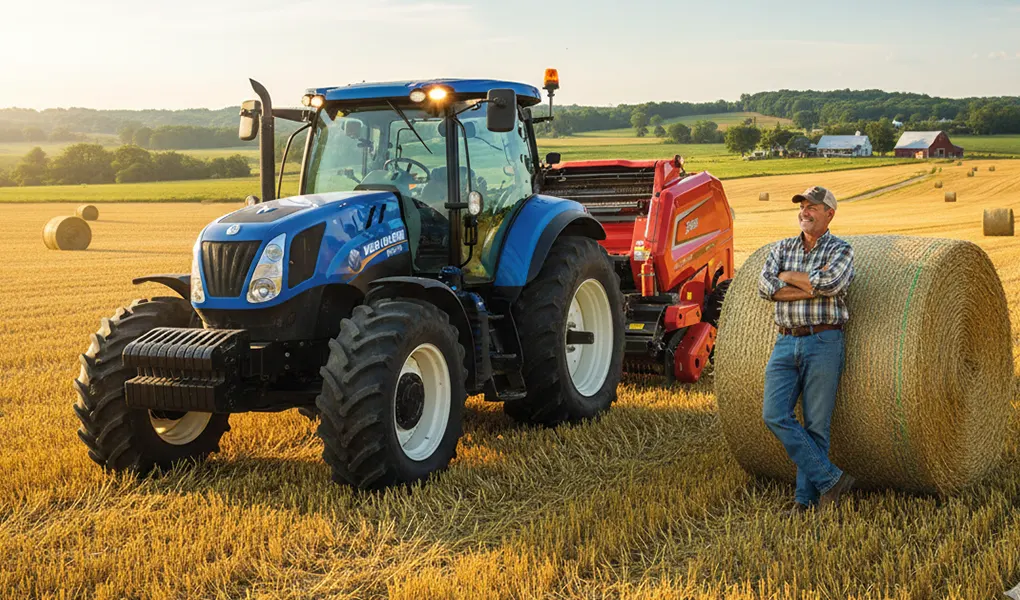
When a variable-chamber baler produces a range of bale diameters across a season — some operators running 900mm, others 1,200mm, and the field producing mixed density that results in bales of varying final size — the stored pile does not stack cleanly. Irregular bales leave air gaps in the stack, which creates moisture pockets and reduces the number of bales per barn or feedlot pad. A fixed-chamber machine eliminates this variability entirely: every bale is Φ1,220mm, and the stack geometry is predictable from the first row to the last.
For transport, uniform bale dimensions mean trailers fill to a known capacity on every load. Buyers who measure their storage space in bale counts need consistent dimensions to plan their inventory; operators selling bales to livestock producers, hay dealers, or export markets find that documented uniform size supports pricing conversations in ways that mixed-size variable-chamber output cannot.
When Fixed Chamber Is the Right Choice
- ✔ You sell bales commercially and need documented uniform dimensions
- ✔ Your storage is sized for a specific bale diameter and you want every bale to fill it the same way
- ✔ You run a custom baling service and your clients need consistent output they can rely on for planning
- ✔ You are maximizing cycle time — the fixed chamber fills to size and opens the tailgate on a defined schedule
- ◆ You need smaller bales for specific applications (horse owners, small livestock, hand-feeding)
- ◆ You want the flexibility to adjust bale size between different crops or customer orders
- ◆ You are working fields with highly variable crop density where building a fixed-size bale consistently would require constant speed adjustment
Operating Tips for Maximum Bale Quality with the 9YG-2.2
Moisture and Windrow Management
The 9YG-2.2 is a net-wrap-only machine — it does not tie with twine. Net wrap performs best on bales baled between 14% and 20% moisture for dry hay, or at 40–55% for baleage wrapped with stretch film. Baling above 20% moisture without additional stretch-wrap protection risks heating and mold development in the bale core. The on-board bale weight monitor helps identify when windrow density is varying — a useful indicator of moisture variation across the field, since wetter crop windrows weigh significantly more per linear foot than dry ones.
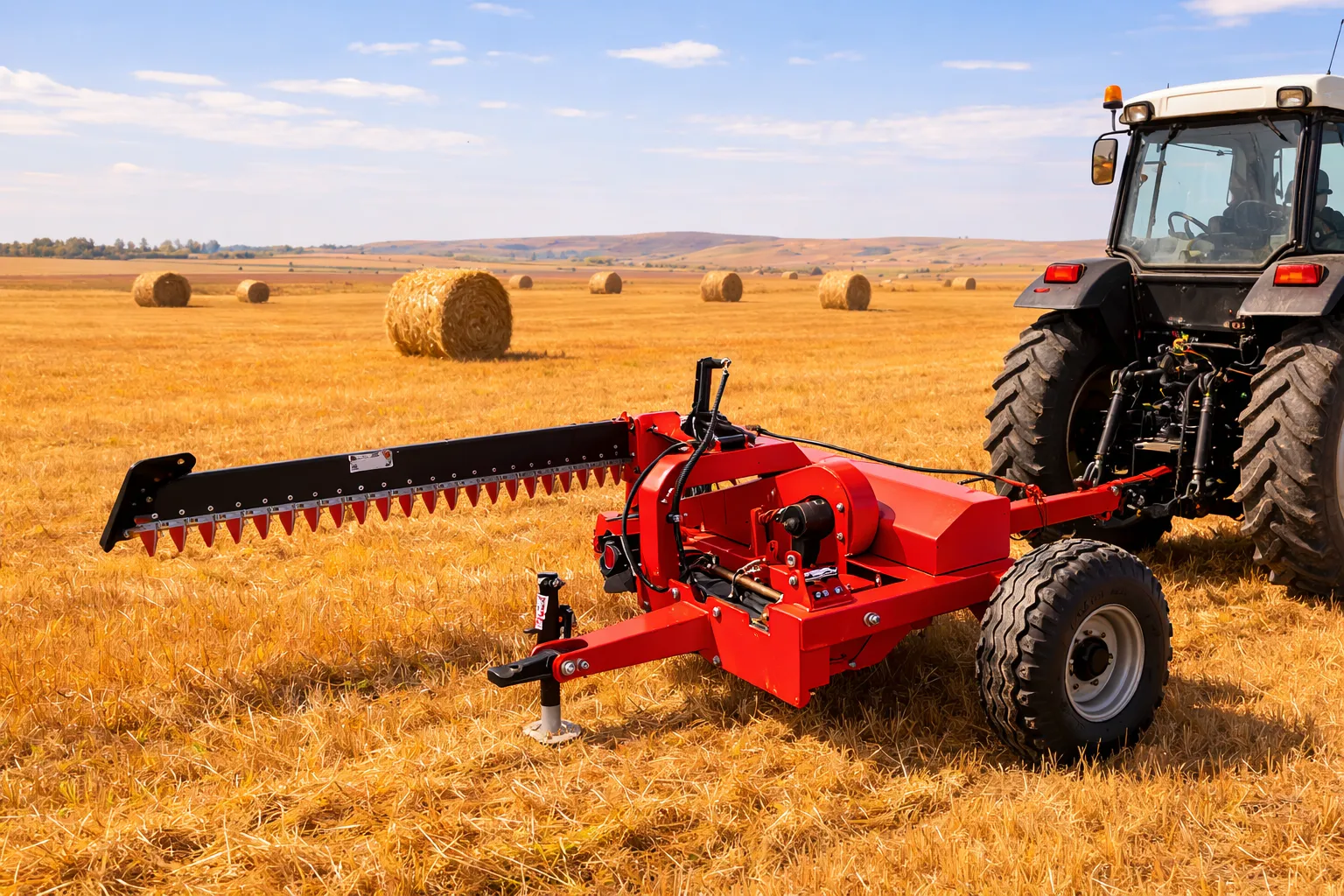
Windrow width should not exceed the 2,200mm pickup width. If you are using a forage mower that cuts narrower than 2.2m, consider merging two windrows before baling. Raking windrows wider than the pickup causes edge material to be missed, reducing efficiency and leaving uneven stubble for the next pass. For very heavy crops like corn stover or thick grass, merging two windrows may tempt operators to create a combined windrow that overloads the feeder — reduce forward speed rather than running a combined windrow too fast through the pickup.
Seasonal Maintenance Schedule
- Daily:
Inspect net wrap path for obstructions; check pickup spring teeth for missing or bent tines; verify the automatic lubrication reservoir level; inspect all visible belt and chain conditions - Weekly:
Verify grease at centralized points; inspect the 18 compression rollers for surface wear or flat spots; check hydraulic hose connections at the pickup cylinder for seeping - Seasonal:
Replace spring-tooth pickup tines that are bent beyond 15 degrees from straight; inspect and adjust the screw feeder auger flight clearances; verify displacement sensor calibration against a known bale weight; flush the thin-oil lubrication circuit - Off-Season:
Load a bale of net wrap and run 5 full wrap cycles to verify sensor calibration; apply protective coating to all exposed hydraulic cylinder rods; store with tailgate closed to protect the chamber rollers from weather exposure
Frequently Asked Questions — 9YG-2.2 Round Baler
What Customers Say About the 9YG-2.2
We run a 190HP row crop tractor and the 9YG-2.2 keeps up with it at full field speed on corn stover. What sold me was the consistency — after a full day, every bale in the stack is the same diameter. We sell the stover bales to a biomass facility that weighs everything at delivery, and our load weights are very predictable now compared to the variable-chamber baler we had before. The centralized grease point also saves a real 25 minutes every morning that I used to spend working through individual fittings.
We run three cuts of alfalfa and two cuts of Sudan per season, and the 9YG-2.2 handles both without adjustment. The touch screen is straightforward — my crew learned it in half a day. What matters for us is that the net wrap sensor is accurate: we run two layers on export bales and three on outdoor storage bales, and the sensor holds that count precisely, no short wraps. The bale weight monitor is a bonus — we catch windrows that are lighter than expected early in the pass, which usually means the crop is drier than we thought and we adjust our merging pattern on the spot.
Three full wheat harvest seasons on this machine and it has not missed a day. We service it every evening and the automatic oiling system has been reliable — never had a chain derail or a bearing failure from lubrication neglect. The only adjustment I would suggest is that the pickup floating system is a bit slow to respond on heavily rutted fields, so we set the pickup slightly higher on rough ground and accept a little more stubble in the windrow. Everything else works as advertised. The bales come out the same size every time, and our grain elevator customers who take straw for bedding are happy with the predictable load weights.
I sell timothy and orchardgrass hay to horse barns and boarding stables, and they need bales that are uniform enough to store in their standard barn bays. The 9YG-2.2 produces that. The net wrap holds the outer leaf layer against weathering and the bales present well when a customer comes to look at inventory — net-wrapped round bales at a consistent diameter stack cleanly and look professional. The touch screen has been more useful than I expected: the bale weight reading helps me identify parts of the field where the hay did not cure evenly, which lets me decide on the spot whether to keep baling or give that section another day of drying time.
Get the 9YG-2.2 for Your Operation
Tell us your primary crop type, field size, and tractor PTO output. We will verify whether the 9YG-2.2 is the right fit for your specific conditions and provide current pricing, lead time, and delivery details to your location.
America Ever-Power Forage Baler Equipment INC. · 1401 21st ST STE R, Sacramento, CA 95811
Additional information
| Editor | Cxm |
|---|
Related products
-
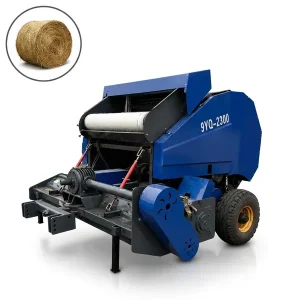
9YQ-2300 Round Baler
-
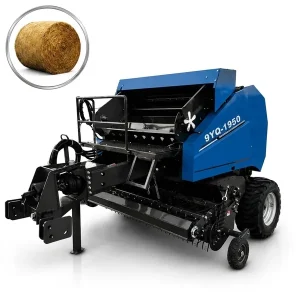
9YQ-1950 Round Baler
-
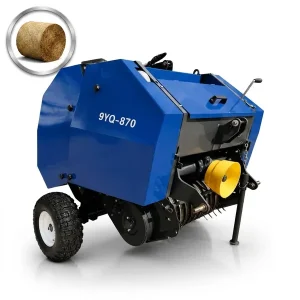
9YQ-870 Mini Round Baler
-
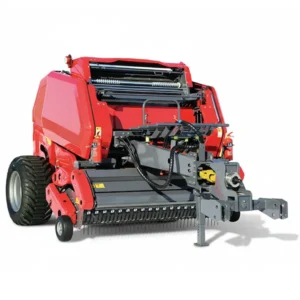
Forage Baler – 9YG – 1.25A Round Baler with Spring – Tooth Pickup
-
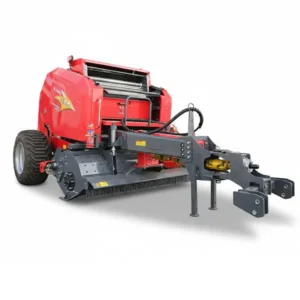
Forage Baler – 9YG-1.25 Round Baler for Hay & Silage with Automatic Net Wrap
-
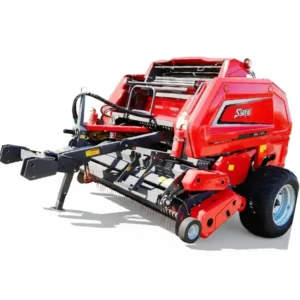
9YG-2.24D Round Baler S9000 Advanced | Forage Baler for Hay & Silage
-
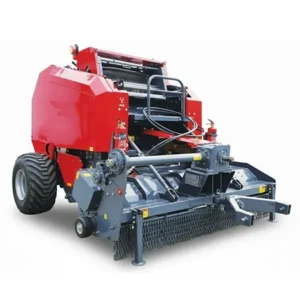
Forage Baler – 9YG-1.0C Round Baler | Net Wrap Baler for US Farms
-
9YG-1.0 Round Baler | Net Wrap Forage Baler for Hay & Silage


