by ep | Jul 28, 2026 | Forage Baler
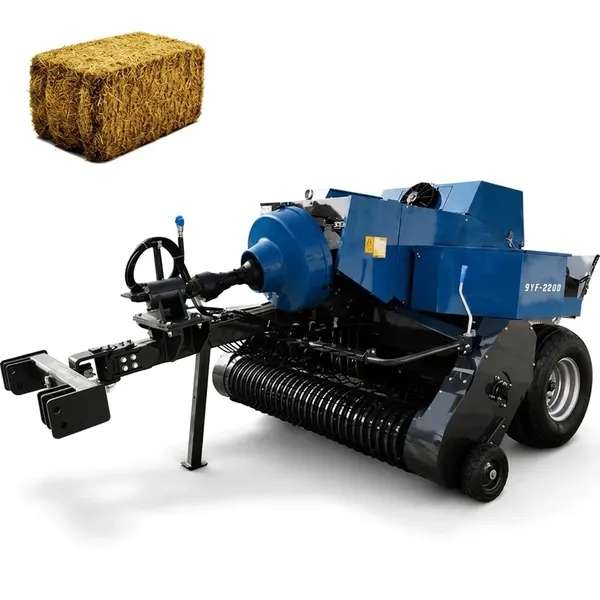
Pre-Season Inspection · All 9YF Models · Annual Service Square Baler Pre-Season Setup Checklist A square baler that fails in the field during peak baling weather costs far more in time and lost crop value than a season-opening inspection takes to complete. This...
by ep | Jul 28, 2026 | Forage Baler
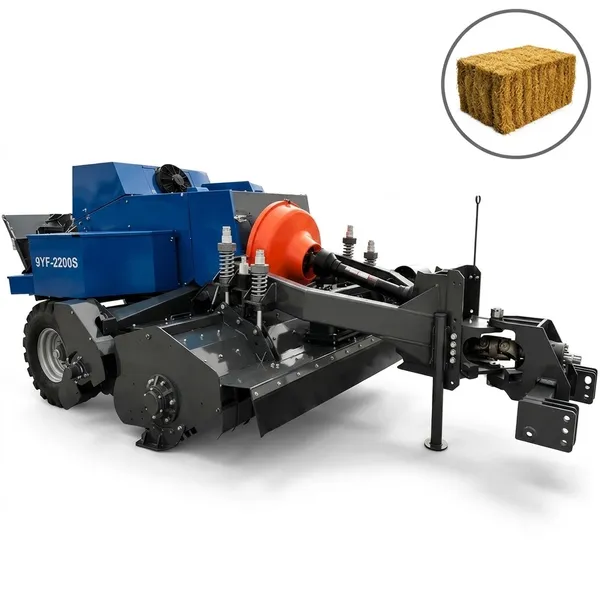
Cotton Stalk Baling · Crop Residue Management · 9YF-2200S / 9YFS-2.2 Cotton Stalk Baling Guide: Equipment and Field Tips Cotton stalks after harvest are among the most difficult materials to bale in a small square baler — woody stems, residual cotton fibre, embedded...
by ep | Jun 4, 2026 | Forage Baler
Equine Reproduction — Pre-Foaling Hay Nutrition and Safety Hay for Breeding Mares: Pre-Foaling Nutrition and Safety The hay a mare eats in the last 90 days before foaling determines colostrum quality, retained placenta risk, and whether she produces milk. Two factors...
by ep | Jun 4, 2026 | Forage Baler
Stand Establishment and Management — Legume-Grass Mixtures Mixed Legume-Grass Hay: Stand Management Guide A mixed legume-grass stand managed well outperforms pure stands of either component: the legume contributes nitrogen, protein, and digestibility; the grass...
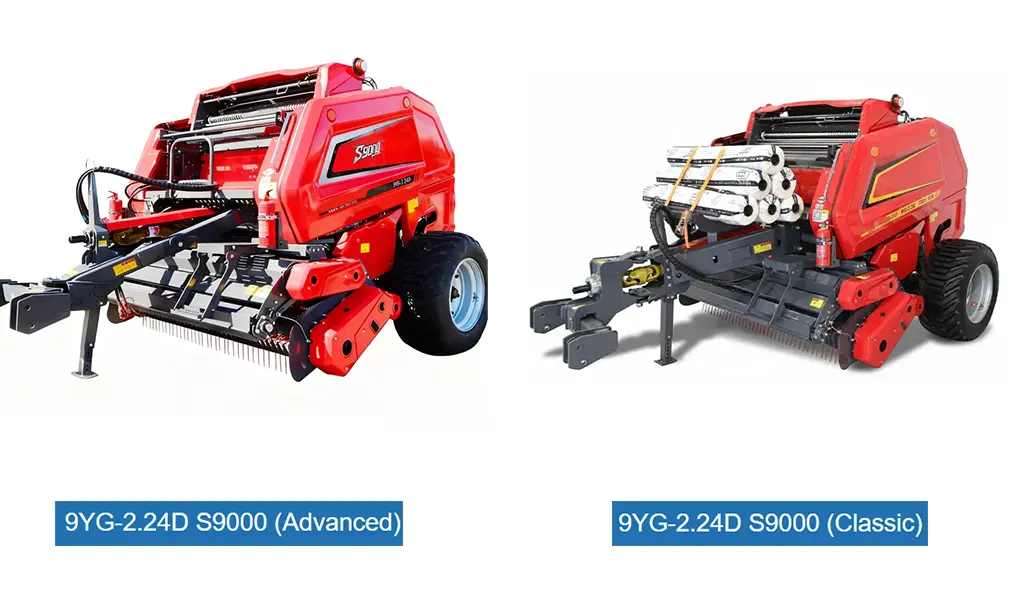
by ep | Jun 4, 2026 | Forage Baler
Hay Production Tools — Moisture Measurement and Baling Decisions Hay Moisture Meter Guide: Types, Accuracy, and Selection A $50 hay moisture probe used correctly is one of the highest-return tools in hay production. The same probe used wrong — wrong species...
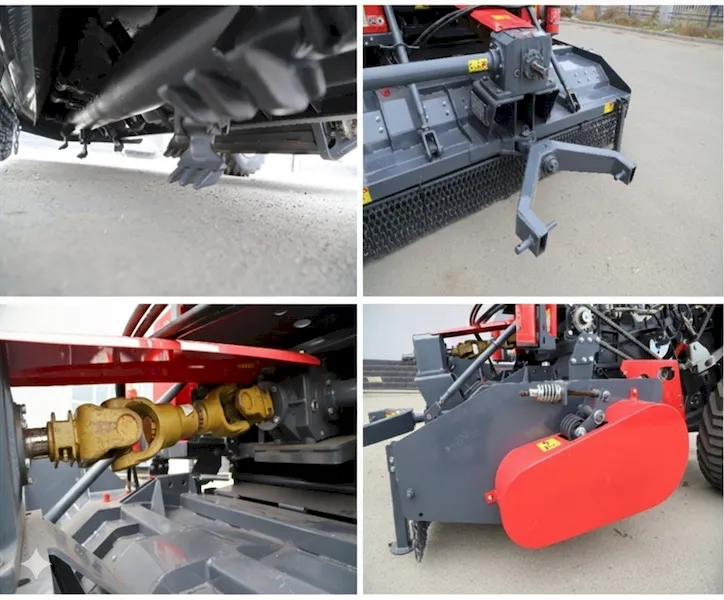
by ep | Jun 4, 2026 | Forage Baler
Drought Management — Emergency Forages and Production Decisions Hay Production in Drought: Dry Year Strategies and Forages Drought changes every hay production decision simultaneously — species selection, cutting timing, stand management, and quality testing all shift...


