
अश्व बाजार में उत्पादन संबंधी अलग-अलग निर्णय लेने की आवश्यकता क्यों है?
घोड़े पालने वाले और मवेशी पालक अलग-अलग मापदंडों के आधार पर चारा खरीदते हैं और गलत चारा खरीदने के परिणाम भी अलग-अलग होते हैं। एक गोमांस उत्पादक जिसे थोड़ी धूलयुक्त 12% CP घास का ढेर मिलता है, वह खिलाने की मात्रा को समायोजित करके आगे बढ़ जाता है। वहीं, घोड़े पालने वाले को वही चारा मिलने पर उसके घोड़े को सांस लेने में तकलीफ या चयापचय संबंधी समस्या हो सकती है - जिसके परिणामस्वरूप पशु चिकित्सक के बिल, घोड़े के स्वास्थ्य पर बुरा असर और खरीदार का दोबारा न लौटना और अस्तबल में हर किसी को अपने अनुभव के बारे में बताना जैसी समस्याएं पैदा हो सकती हैं। जवाबदेही में यही अंतर घोड़े के चारे की उच्च कीमत का कारण है और यही वजह है कि घरेलू चारा बाजार में अश्व बाजार सबसे अधिक लाभ वाला, सबसे अधिक मांग वाला और सबसे वफादार वर्ग है।
एनएससी और मेटाबोलिक हॉर्स: वह विशिष्टता जिसने बाजार को बदल दिया
गैर-संरचनात्मक कार्बोहाइड्रेट (एनएससी) घास में पाए जाने वाले शर्करा, स्टार्च और फ्रक्टैन होते हैं जो घोड़ों में रक्त शर्करा और इंसुलिन के स्तर को बढ़ाते हैं। अधिकांश घोड़ों में, यह कोई समस्या नहीं है - उनका पाचन तंत्र इसे सामान्य रूप से संभाल लेता है। इक्वाइन मेटाबोलिक सिंड्रोम (ईएमएस), पिट्यूटरी पार्स इंटरमीडिया डिसफंक्शन (पीपीआईडी/कुशिंग रोग) या लैमिनाइटिस के इतिहास वाले घोड़ों में, घास में उच्च एनएससी लैमिनाइटिस के दौरे को सीधे ट्रिगर कर सकता है - यह खुर की एक दर्दनाक और कभी-कभी करियर समाप्त करने वाली स्थिति होती है। घरेलू घोड़ों की आबादी में इन स्थितियों की व्यापकता कुछ नस्लों और आयु समूहों में 20-30% होने का अनुमान है, जिसका अर्थ है कि घोड़े मालिकों का एक महत्वपूर्ण हिस्सा सक्रिय रूप से कम एनएससी वाली घास की तलाश कर रहा है और विश्वसनीय आपूर्ति सुनिश्चित करने के लिए अधिक कीमत चुकाने को तैयार है।
| घोड़े का प्रकार/स्थिति | सुरक्षित एनएससी ऊपरी सीमा | सुरक्षित WSC ऊपरी सीमा | सीमा से अधिक होने पर जोखिम |
|---|---|---|---|
| सामान्य रखरखाव/हल्का काम | <201टीपी5टी | <151टीपी5टी | न्यूनतम — मानक घास स्वीकार्य है |
| आसान रखरखाव वाला / मोटा घोड़ा | <151टीपी5टी | <121टीपी5टी | लगातार वजन बढ़ना; इंसुलिन प्रतिरोध का बढ़ता विकास |
| ईएमएस / इंसुलिन अनियमितता | <101टीपी5टी | <81टीपी5टी | लैमिनाइटिस का प्रकरण; इंसुलिन का स्तर बढ़ना |
| पीपीआईडी (कुशिंग रोग) | <101टीपी5टी | <81टीपी5टी | ग्लूकोज चयापचय में गड़बड़ी; लैमिनाइटिस |
| दूध पिलाने वाली घोड़ियां / बछड़े / प्रदर्शन करने वाले घोड़े | 20–251टीपी5टी | <181टीपी5टी | उच्च ऊर्जा मांग — मानक या उच्चतर एनएससी स्वीकार्य है |
एनएससी की गणना डब्ल्यूएससी (जल में घुलनशील कार्बोहाइड्रेट) + स्टार्च के रूप में की जाती है। चारे के परीक्षण में एनएससी रिपोर्ट करने के लिए डब्लूएससी और स्टार्च दोनों को विशेष रूप से मापना आवश्यक है - एक मानक एडीएफ/एनडीएफ/सीपी परीक्षण में ये मान शामिल नहीं होते हैं। चयापचय संबंधी समस्याओं वाले घोड़े मालिकों को उत्पाद बेचते समय, परीक्षण रिपोर्ट पर एनएससी मान प्रदान करना अनिवार्य है; यह वह विशिष्ट जानकारी है जो प्रीमियम कीमत को उचित ठहराती है और जिसके बिना जोखिम वाले पशुओं के घोड़े मालिक सुरक्षित रूप से उत्पाद नहीं खरीद सकते।
प्रकाश संश्लेषण के कारण दिन भर पौधों के ऊतकों में शर्करा (WSC) जमा होती रहती है। यदि किसी पौधे को सुबह 6 बजे, प्रकाश संश्लेषण शुरू होने से पहले काटा जाए, तो उसमें दोपहर 3 बजे काटे गए उसी पौधे की तुलना में WSC की मात्रा काफी कम होती है। मिनेसोटा विश्वविद्यालय के शोध से पता चलता है कि ठंडे मौसम की घासों में दोपहर के समय WSC का स्तर सुबह के समय के स्तर से 2-3 गुना अधिक होता है। कम NSC वाले घोड़े के चारे के उत्पादन के लिए, सुबह जल्दी कटाई करना सबसे महत्वपूर्ण निर्णय है - इसमें कोई लागत नहीं आती और यह किसी अन्य गुणवत्ता मापदंड को बदले बिना WSC को कम करता है।
ग्रीष्म ऋतु की घासें (बरमूडा घास, टेफ) शीत ऋतु की घासों (टिमोथी घास, ऑर्चर्ड घास) की तुलना में कम फ्रुक्टन संग्रहित करती हैं - जिससे समान प्रबंधन के तहत उनमें स्वाभाविक रूप से एनएससी की मात्रा कम होती है। सूखे, कटाई से पहले कम तापमान या वसंत ऋतु में तेजी से वृद्धि से प्रभावित शीत ऋतु की घासों में विशेष रूप से उच्च एनएससी पाया जाता है। व्यावहारिक निष्कर्ष यह है कि जिन क्षेत्रों में शीत ऋतु की घासें अधिक मात्रा में पाई जाती हैं, वहां घोड़े के चारे के उत्पादकों को रात के ठंडे तापमान (40°F से नीचे) के बाद काटी गई प्रत्येक घास की कटाई पर एनएससी की जांच करनी चाहिए, क्योंकि तनाव की स्थिति में एनएससी अप्रत्याशित रूप से बढ़ सकता है।
घोड़ों के लिए चरने वाली घास की प्रजातियों की तुलना: कौन सी घास उगती है, किसका परीक्षण होता है और कौन सी बिकती है
प्रजाति का चयन वह प्रारंभिक निर्णय है जो यह निर्धारित करता है कि आगे के प्रबंधन की परवाह किए बिना कौन सी एनएससी सीमा, सीपी सीमा और बाजार मूल्य की अधिकतम सीमा प्राप्त की जा सकती है। घोड़े के बाजार के विभिन्न खंडों में प्रजातियों के प्रति मजबूत प्राथमिकताएं होती हैं - प्रीमियम घोड़े के चारे के बाजारों में खरीदारों की स्पष्ट प्राथमिकताएं होती हैं जिन्हें वे उत्पादक संतुष्ट नहीं कर सकते जो अपने क्षेत्र के लिए गलत प्रजाति उगाते हैं, चाहे उत्पादन प्रबंधन की गुणवत्ता कितनी भी अच्छी क्यों न हो।
| प्रजातियाँ | क्षेत्रों | सीपी रेंज | एनएससी रेंज | घोड़ा खरीदार स्वीकृति | मूल्य स्तर |
|---|---|---|---|---|---|
| टिमोथी | उत्तर, प्रशांत उत्तर पश्चिम | 7–111टीपी5टी | 8–181टीपी5टी | प्रीमियम ★★★★★ | उच्चतम |
| ऑर्चर्डग्रास | पूर्व, मध्यपश्चिम | 10–151टीपी5टी | 10–201टीपी5टी | प्रीमियम ★★★★ | उच्च |
| बरमूडा घास | दक्षिण, दक्षिणपश्चिम | 8–141टीपी5टी | 6–141टीपी5टी | अच्छा ★★★★ | मध्यम ऊँचाई |
| टेफ घास | अधिकांश क्षेत्रों | 8–141टीपी5टी | 5–101टीपी5टी | बढ़ रहा है ★★★★ | मध्यम ऊँचाई |
| जई का भूसा | पश्चिम, उत्तर | 7–111टीपी5टी | 12–221टीपी5टी | क्षेत्रीय ★★★ | मध्यम |
| अल्फाल्फा (>60% शुद्ध) | पश्चिम, सिंचित | 18–241टीपी5टी | 8–161टीपी5टी | विवादास्पद ★★ | चर |
धूल, फफूंद और घोड़ों का श्वसन स्वास्थ्य: अदृश्य कारक जो उनके स्वास्थ्य को नष्ट करते हैं
बार-बार होने वाला वायुमार्ग अवरोध (आरएओ, जिसे पहले घोड़ों में सीओपीडी या हीव्स कहा जाता था) एक दीर्घकालिक सूजन संबंधी स्थिति है जो घास से निकलने वाले धूल के कणों और फफूंद के बीजाणुओं के साँस के साथ अंदर जाने से उत्पन्न होती है। घोड़े मवेशियों की तुलना में हवा में मौजूद कणों के प्रति कहीं अधिक संवेदनशील होते हैं क्योंकि वे मुँह से साँस लेने के बजाय नाक से गहरी साँस लेते हैं, जिससे हवा में मौजूद कण सीधे श्वसन तंत्र के निचले हिस्से तक पहुँच जाते हैं। धूल का वह स्तर जो मवेशियों में कोई प्रत्यक्ष प्रभाव नहीं डालता, संवेदनशील घोड़े में प्रभावित घास के संपर्क में आने के कुछ ही घंटों के भीतर श्वसन संबंधी परेशानी (नाक बहना, खाँसी, साँस लेने में कठिनाई) के लक्षण पैदा कर सकता है।
हल्की या रेतीली मिट्टी में 3.5 इंच से कम ऊंचाई पर कटाई करने से मिट्टी के कण ढेर में मिल जाते हैं। चारे के परीक्षण में ये कण राख की मात्रा के रूप में दिखाई देते हैं (8% से अधिक राख मिट्टी के संदूषण का संकेत है)। उपाय: जिन खेतों में कटी हुई मिट्टी के ढेर में मिट्टी की बनावट दिखाई देती है, वहां कटाई की ऊंचाई कम से कम 3.5-4.5 इंच तक बढ़ाएं।
12°C से कम नमी पर सुखाया गया चारा भंगुर हो जाता है — गांठें बनाते और संभालते समय पत्ती की कोशिकाएं टूट जाती हैं, जिससे सूक्ष्म कण निकलते हैं जो चारा खिलाते समय हिलाने पर हवा में फैल जाते हैं। घोड़े के चारे के लिए लक्षित नमी का स्तर 14–17°C है। 11°C या उससे कम नमी पर चारा गांठ से निकालते समय खड़खड़ाहट की आवाज करता है और हिलाने पर धूल उड़ती है — घोड़े के चारे के खरीदारों की सबसे आम शिकायत यही है।
बिना परिरक्षक उपचार के 18% से अधिक नमी वाले गट्ठों में बंधी घास में सतह और आंतरिक भाग में फफूंद लग जाती है। प्रभावित गट्ठों में फफूंद के बीजाणुओं की सांद्रता 50,000 से 200,000 कॉलोनी-फॉर्मिंग यूनिट प्रति ग्राम तक हो सकती है - ये स्तर गंभीर RAO (रेडियोपैथिक ऑस्टियोआर्थराइटिस) के बढ़ने से जुड़े होते हैं। दिखाई देने वाली फफूंद (सफेद, नीले-हरे या काले धब्बे) घोड़े खरीदने वालों द्वारा स्वतः ही अस्वीकार कर दी जाती है और घोड़े के स्वास्थ्य के लिए खतरा बन जाती है। किसी भी प्रकार की दिखाई देने वाली फफूंद घोड़ों के बाज़ार से घास को पूरी तरह से अयोग्य घोषित कर देती है।
घोड़ों के बाज़ार में प्रीमियम को बचाने या नष्ट करने वाले बेलिंग संबंधी निर्णय
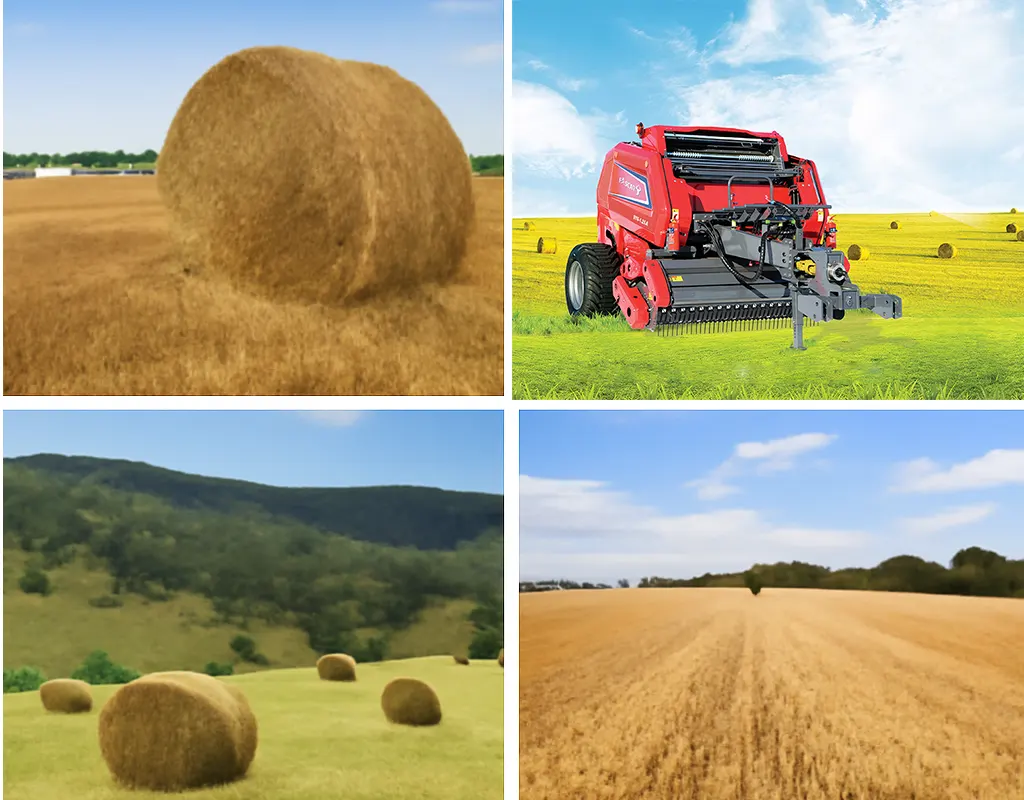
कटाई के समय प्राप्त गुणवत्ता बाद के प्रत्येक निर्णय से प्रभावित होती है - कंडीशनिंग की तीव्रता, सुखाने का समय, रेकिंग में नमी का स्तर, बेलिंग में नमी, बेल का घनत्व, नेट रैप बनाम सूत, और भंडारण की स्थितियाँ। घोड़े के चारे के लिए, जिसे NSC के दावों और धूल रहित प्रदर्शन को पूरा करना होता है, इनमें से कोई भी निर्णय मामूली नहीं होता।
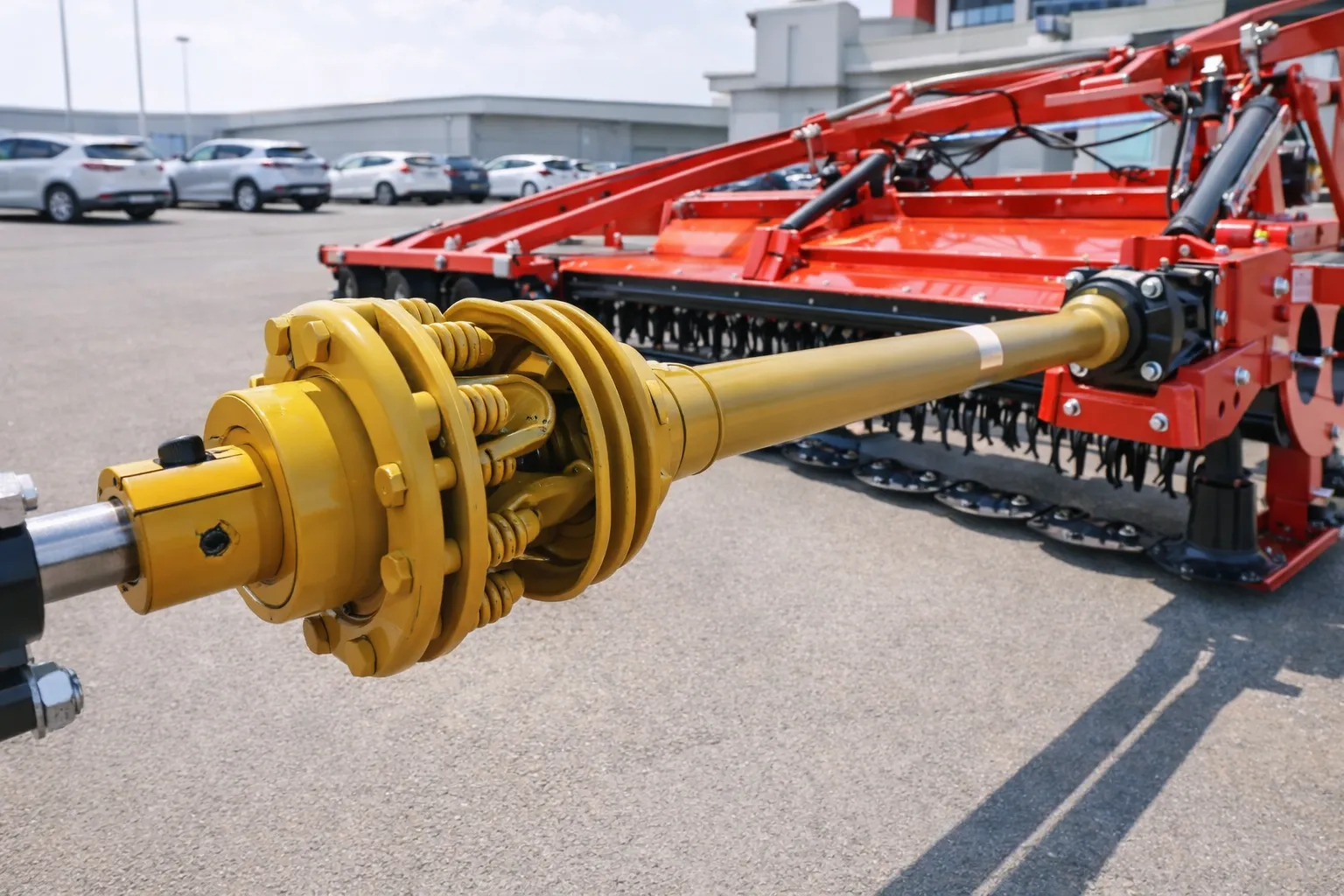
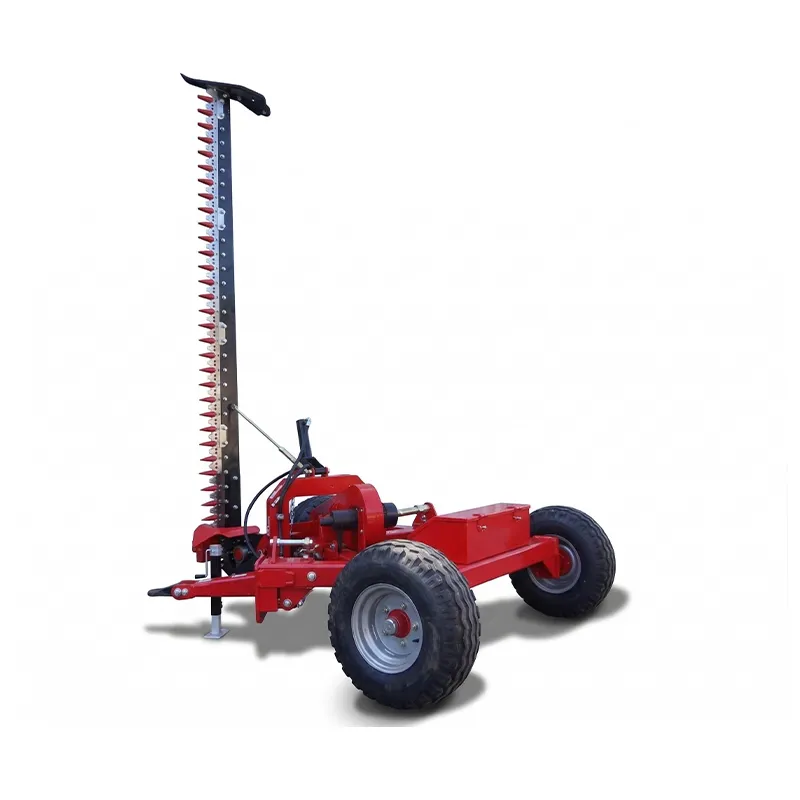
घास काटने और कंडीशनिंग की वे सेटिंग्स जो पत्तियों के नुकसान को कम करती हैं और अत्यधिक सुखाने के बिना सुखाने की दर को बनाए रखती हैं, इसमें शामिल हैं। घास काटने और कंडीशनिंग करने के लिए घास की गुणवत्ता संबंधी दिशानिर्देशघोड़ों के बाज़ार में उत्पादन के लिए उपयुक्त नेट रैप और घनत्व निगरानी वाले राउंड बेलर सिस्टम के लिए, हमारी वेबसाइट देखें। गोल बेलरनेट रैप के चयन के लिए संपूर्ण गाइड — जिसमें प्लाई की संख्या, खिंचाव प्रतिशत और यूवी प्रतिरोध रेटिंग शामिल हैं — इसमें उपलब्ध है। राउंड बेलर नेट रैप चयन गाइडमोवर-कंडीशनर पीटीओ ड्राइवलाइन की विशिष्टताएँ, जो कंडीशनिंग रोलर की गति और तीव्रता को नियंत्रित करती हैं, निम्नलिखित में दी गई हैं: कृषि गियरबॉक्स और पीटीओ ड्राइवलाइन घटक विनिर्देश.
घोड़े के लिए घास का चारा परीक्षण: कौन सा विश्लेषण पैकेज बिक्री बढ़ाने में सहायक है?
चारा परीक्षण रिपोर्ट वह दस्तावेज़ है जो घोड़े के खरीदार की प्रीमियम कीमत चुकाने की इच्छा को वास्तविक सौदे में बदल देता है। सही परीक्षण पैकेज के बिना, आप NSC के उस दावे को प्रमाणित नहीं कर सकते जो आपकी कीमत को उचित ठहराता है, और जानकार घोड़े खरीदार चीनी की मात्रा के बारे में मौखिक दावे को स्वीकार नहीं करेंगे। सही परीक्षण पैकेज प्रयोगशाला लागत में $8–$12 और विक्रय मूल्य में $40–$80 प्रति टन जोड़ता है — यह घास उत्पादन में सबसे स्पष्ट सकारात्मक ROI निर्णयों में से एक है।
- शुष्क पदार्थ और नमी
- कच्चा प्रोटीन (सीपी)
- एडीएफ और एनडीएफ
- डब्ल्यूएससी (जल में घुलनशील कार्बोहाइड्रेट)
- स्टार्च (एनएससी की गणना करने के लिए = डब्ल्यूएससी + स्टार्च)
- अश्व-पाचनीय ऊर्जा (DE, न कि मवेशी-पाचनीय ऊर्जा)
- कैल्शियम और फास्फोरस (Ca:P अनुपात)
- सभी मानक पैनल आइटम
- राख की मात्रा (मिट्टी प्रदूषण सूचक)
- माइकोटॉक्सिन जांच (फफूंदी के विषाक्त पदार्थ, श्वसन संबंधी समस्याओं से ग्रस्त घोड़ों के लिए प्रासंगिक)
- नाइट्रेट (जहां उच्च नाइट्रोजन उर्वरक का उपयोग किया जाता है वहां प्रासंगिक)
- मैग्नीशियम और सेलेनियम (घोड़ों के लिए विशिष्ट पूरक आहार योजना)
घोड़े के चारे का विपणन: चैनल, मूल्य निर्धारण और वफादार खरीदार बनाना
10 से 30 घोड़ों वाले अस्तबल और प्रशिक्षण केंद्र घोड़ों के चारे के लिए आदर्श खरीदार हैं। वे पूरे साल नियमित रूप से खरीदारी करते हैं, कीमत से ज़्यादा गुणवत्ता और विश्वसनीयता को महत्व देते हैं, और प्रमाणित चारे के लिए प्रीमियम बाज़ारों में 110 से 200 टन तक भुगतान करने को तैयार रहते हैं। 5 से 8 अस्तबल खाते बनाना जो सामूहिक रूप से प्रति कटाई 600 से 1000 गांठें खरीदते हैं, घोड़ों के चारे के विपणन में सबसे स्थिर राजस्व आधार बनाता है।
घोड़ों के चारे के बाज़ार में सबसे उच्च गुणवत्ता और सबसे अधिक कीमत वाला चारा मिलता है। शो हॉर्स के संचालक लगातार जाँचे-परखे और प्रमाणित टिमोथी या ऑर्चर्डग्रास के लिए 150 से 220 टन तक का भुगतान करते हैं, जो उनके पोषण कार्यक्रम के अनुरूप हो। शर्त यह है कि हर खेप की जाँच एक समान होनी चाहिए - ये खरीदार सटीक राशन तैयार करते हैं और गुणवत्ता में उतार-चढ़ाव बर्दाश्त नहीं कर सकते। NSC की जाँच और हर खेप की एकरूपता अनिवार्य है।
पुनर्वास और बचाव केंद्रों में अक्सर ऐसे घोड़ों की संख्या अधिक होती है जिन्हें कम एनएससी वाले चारे की आवश्यकता होती है। ये खरीदार कीमत को लेकर संवेदनशील होते हैं, लेकिन मात्रा को लेकर स्थिर रहते हैं और कम एनएससी के प्रमाण को दिखावट से अधिक महत्व देते हैं। ये केंद्र अच्छी तरह से प्रमाणित कम एनएससी वाले चारे के लिए 1.56 टन से 1.56 टन 140 टन तक का भुगतान करते हैं और शायद ही कभी प्रीमियम कीमत देने का बजट रखते हैं — लेकिन ये विश्वसनीय आधार मात्रा प्रदान करते हैं जो उत्पादन अर्थशास्त्र को स्थिर रखता है।
फेसबुक के क्षेत्रीय घोड़े के चारे के समूह, EquineNow.com और क्रेगलिस्ट के फार्म सेक्शन उन व्यक्तिगत घोड़े मालिकों तक पहुँचते हैं जो एक बार में 1-5 गांठें खरीदते हैं और खुदरा कीमतों (4×4 के लिए $20–$35/गांठ) का भुगतान करते हैं — जो प्रति टन उच्चतम कीमत वाला चैनल है। इसमें अधिक व्यक्तिगत लेन-देन की आवश्यकता होती है, लेकिन न्यूनतम मात्रा की कोई प्रतिबद्धता नहीं है। लिस्टिंग के साथ चारे की परीक्षण रिपोर्ट की छवि पोस्ट करें — दस्तावेजित लिस्टिंग लगातार तेजी से और अधिक प्रति गांठ कीमतों पर बिकती हैं।
घोड़ों के लिए भूसे का भंडारण: 90 दिनों तक गुणवत्ता बनाए रखने का प्रोटोकॉल
घोड़े के चारे की गुणवत्ता, कटाई के समय की गुणवत्ता होती है, जिसमें भंडारण के दौरान हुई गिरावट को घटा दिया जाता है। एनएससी (नेशनल स्टैंडर्ड स्कोर) के प्रति संवेदनशील खरीदारों के लिए, जिन्होंने गांठ बनाने के समय के परीक्षण परिणाम के आधार पर खरीदारी की है, भंडारण के दौरान गर्म होने या नमी सोखने वाले चारे का एनएससी मान, परीक्षण प्रमाण पत्र में दिखाए गए मान से भिन्न हो सकता है। भंडारण प्रबंधन, चारे के घोड़े तक पहुंचने से पहले गुणवत्ता का अंतिम चरण होता है।
खुले में नंगी ज़मीन पर रखे गए घोड़े के चारे की बाहरी परत नमी के रिसाव के कारण 10–20% शुष्क पदार्थ खो देती है — और यही बाहरी परत घोड़े के मालिक को गठरी खोलने पर सबसे पहले दिखाई देती है। मौसम की मार से खराब हुई गठरी की बाहरी परत का भूरा पड़ना, रंग बदलना और दुर्गंध आना ही खुले में रखे चारे की गुणवत्ता को लेकर घोड़े के खरीदारों की अधिकांश शिकायतों का कारण है। बजरी या कंक्रीट के चबूतरे पर गठरियों को ढककर, ज़मीन से ऊपर उठाकर रखना, उन सभी व्यवसायों के लिए उत्पादन का मानक है जो घोड़ों के बाज़ार में सामान्य कीमतों से अधिक कीमत पर चारा बेचते हैं।
भंडारण के दौरान WSC (NSC का शर्करा घटक) धीरे-धीरे कम होता जाता है। 3-6 महीने तक भंडारित घास में आमतौर पर गांठें बनाने के समय की तुलना में 15-25% कम WSC पाया जाता है, क्योंकि गांठें बनाने के बाद पहले कुछ हफ्तों तक पौधे के ऊतकों में चयापचय गतिविधि जारी रहती है। यह आमतौर पर चयापचय पर निर्भर घोड़ों के खरीदारों के लिए सकारात्मक होता है - पुरानी घास में अक्सर ताज़ी घास की तुलना में WSC कम होता है। महत्वपूर्ण निष्कर्ष यह है कि यदि आप 60 दिनों से अधिक समय तक भंडारित की जाने वाली घास के लिए केवल गांठें बनाने के समय ही नहीं, बल्कि डिलीवरी के समय के आसपास ही NSC का परीक्षण करें।
गोल गठ्ठों के भंडारण के लिए शुष्क पदार्थ हानि रोकथाम का संपूर्ण प्रोटोकॉल — जिसमें पैड डिजाइन, स्टैकिंग पैटर्न और वेंटिलेशन दिशानिर्देश शामिल हैं — इसमें दिया गया है। गोल गठ्ठी भंडारण मार्गदर्शिका.
घोड़े के लिए घास उत्पादन से संबंधित अक्सर पूछे जाने वाले प्रश्न
घोड़ों के लिए तैयार की जाने वाली घास की गुणवत्ता के अनुसार बेलर की सेटिंग्स को अनुकूलित करें
हमें अपनी लक्षित फसल, कटाई संख्या, वांछित नमी सीमा और बाज़ार वर्ग (सीधे अस्तबल, प्रदर्शनी स्थल या चयापचय संबंधी घोड़े के खरीदार) के बारे में बताएं। हम घनत्व सेटिंग्स, नेट रैप कॉन्फ़िगरेशन और भंडारण की तैयारी की पुष्टि करते हैं जो खेत से लेकर डिलीवरी तक घोड़े की गुणवत्ता को सुरक्षित रखती है।
संपादक: सीएक्सएम


