
Tingkat Pemborosan Metode Pemberian Pakan: Angka-angka Penelitian
Uji coba penyuluhan universitas yang mengukur limbah jerami bal bundar berdasarkan metode pemberian pakan secara konsisten menunjukkan rentang yang luas — dari kurang dari 5% dengan sistem yang paling protektif hingga lebih dari 40% dengan sistem yang paling tidak protektif. Angka-angka ini mewakili bahan kering yang diberikan tetapi tidak dikonsumsi karena terinjak-injak, kotor, atau tersebar. Dengan nilai $150–$220 per ton untuk jerami premium, persentase limbah secara langsung dikonversi menjadi jumlah uang yang signifikan yang dapat dipulihkan oleh sistem pemberian pakan yang lebih baik.
| Metode pemberian makan | Limbah DM tipikal | Kerugian per $150/ton bal | Aplikasi terbaik |
|---|---|---|---|
| Terbentang di tanah, tanpa batasan. | 25–40% | $17–$27/bal | Penyebaran pupuk kandang di padang rumput saja — bukan untuk pemberian pakan ternak di musim dingin. |
| Tumpukan jerami bundar di tanah, tanpa cincin. | 20–30% | $14–$20/bal | Tidak pernah dibenarkan secara ekonomi jika cincin tersedia. |
| Pengumpan cincin dasar terbuka | 10–20% | $7–$14/bal | Pola pemberian pakan ternak musim dingin yang paling umum — keseimbangan yang baik antara biaya dan pemborosan. |
| Pengumpan kerucut / cincin dasar lembaran | 5–12% | $3–$8/bal | Paling cocok untuk pemberian pakan sapi potong di musim dingin di mana biaya penggemukan dapat dipulihkan. |
| Jaring/penyangga jerami pengumpanan lambat | 3–8% | $2–$5/bal | Kuda dan ternak kecil — menghilangkan pemborosan dan memperlambat laju konsumsi |
Tempat Pakan Jerami Sapi Berbentuk Cincin: Jenis dan Perbedaan Desain
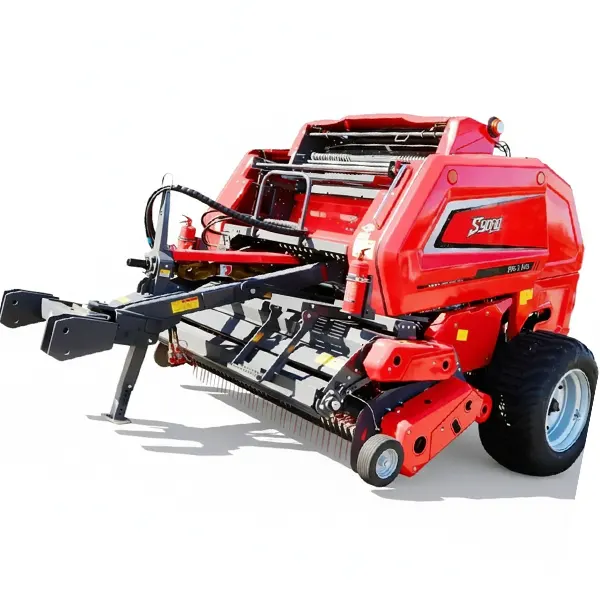
Sebuah cincin baja bundar sederhana yang mengelilingi bal jerami dan memungkinkan hewan menarik jerami melalui lubang cincin. Bal jerami diletakkan di tanah kosong di dasar cincin. Saat hewan menarik jerami keluar, bagian bawah bal jatuh ke tanah di dalam dan di luar cincin dan terinjak-injak. Limbah terutama berasal dari bagian bawah bal — 10–20% tipikal. Biaya: $150–$350. Cukup memadai untuk sebagian besar peternakan sapi potong sebagai minimum.
Struktur tengah berbentuk kerucut ditambah perimeter cincin yang menangkap jerami yang jatuh dari permukaan bal dan mengarahkannya ke zona makan, bukan ke tanah di bawah kaki hewan. Kerucut tersebut menangkap material yang seharusnya terinjak-injak. Penelitian secara konsisten mendokumentasikan pengurangan limbah 5–10% lebih rendah daripada cincin berdasar terbuka. Biaya: $400–$700. Pilihan terbaik untuk peternakan yang memberi makan 50+ sapi di mana nilai pengurangan limbah jelas melebihi biaya pakan.
Pembatas vertikal diberi jarak sedemikian rupa sehingga hewan hanya dapat makan dari satu sisi, dengan jarak yang lebih lebar di dekat bagian bawah agar jerami dapat jatuh ke dalam palung dan bukan ke tanah. Mengurangi cedera akibat persaingan pada kelompok campuran umur atau ukuran dengan membatasi sudut jangkauan. Tingkat pemborosan sebanding dengan tempat pakan berbentuk kerucut (6–12%). Sangat berguna untuk peternakan dengan hewan dominan yang memonopoli tempat pakan berbentuk cincin bundar, sehingga mencegah akses yang memadai bagi hewan yang lebih rendah kedudukannya.
Pemberian Pakan Kuda: Mengapa Arena Pakan Sapi Standar Tidak Tepat
Pemberian pakan kuda dari jerami bundar membutuhkan peralatan dan manajemen yang berbeda dibandingkan dengan pemberian pakan sapi. Kuda secara fisiologis berbeda dari sapi dalam dua hal penting yang memengaruhi pemberian pakan jerami bundar: kuda tidak dapat memuntahkan makanan dan sangat rentan tersedak karena jerami yang dimakan dengan terburu-buru; dan kesehatan pernapasan kuda sensitif terhadap debu dan spora jamur yang dihasilkan oleh jerami bundar yang disimpan dengan buruk atau bersentuhan langsung dengan tanah. Tempat pakan sapi standar tidak dirancang untuk keselamatan kuda atau pemeliharaan kualitas jerami.
Tempat pakan jerami bundar khusus kuda menggunakan jarak antar palang yang lebih sempit (4–6 inci dibandingkan 8–12 inci untuk tempat pakan sapi) untuk mencegah kuda memasukkan kepalanya sepenuhnya ke dalam tempat pakan dan terjebak. Tepi palang yang halus (tanpa tonjolan tajam atau percikan las) mencegah luka pada wajah. Lantai yang kokoh atau platform yang ditinggikan di bawah jerami menjaga jerami tetap berada di atas kelembapan tanah dan memungkinkan bagian bawahnya dikonsumsi daripada terbuang percuma karena bersentuhan dengan tanah. Banyak peternakan kuda juga menggunakan jaring pengumpanan lambat di atas jerami untuk mengurangi tingkat konsumsi pada kuda yang rentan terhadap obesitas atau masalah metabolisme.
Kuda lebih sensitif daripada sapi terhadap spora jamur, debu, dan kontaminasi endofit pada jerami. Jerami bundar yang diberikan kepada kuda harus diambil dari lapisan luar ke dalam — jangan biarkan kuda terpapar bagian inti jerami yang disimpan dengan buruk atau menunjukkan jamur atau perubahan warna yang terlihat. Jerami yang dibungkus jaring dan disimpan di atas alas kerikil adalah standar minimum untuk jerami bundar berkualitas kuda — penyimpanan yang bersentuhan langsung dengan tanah menghasilkan kelembapan lapisan luar dan tingkat jamur yang tidak dapat diterima untuk kuda meskipun bagian dalamnya teruji baik. Lepaskan pembungkus jaring dengan hati-hati, periksa bagian luar 3–4 inci, dan buang bahan yang berubah warna atau berjamur sebelum meletakkan jerami di tempat pakan.
Penempatan dan Rotasi Tempat Pakan: Mengelola Kerusakan Lumpur dan Padang Rumput

Tempat pakan jerami bundar memusatkan lalu lintas hewan di satu lokasi selama pemberian pakan musim dingin — area seluas 30–50 kaki persegi di sekitar setiap lingkaran menjadi zona dengan lalu lintas tertinggi dan penumpukan kotoran terbanyak di seluruh area pemberian pakan musim dingin. Tanpa rotasi tempat pakan yang direncanakan, zona ini menjadi berlubang dalam, terus-menerus berlumpur, dan sarat dengan nutrisi, yang akhirnya membatasi produktivitas padang rumput selama beberapa musim tanam.
Interaksi Kepadatan Bal dan Sistem Pemberian Pakan
Kepadatan bal jerami—seberapa rapat jerami dikemas dalam bal—berinteraksi langsung dengan jenis tempat pakan untuk menentukan tingkat konsumsi, kualitas jerami saat pemberian pakan, dan kehilangan penyimpanan sebelum pemberian pakan. Bal jerami dengan kepadatan rendah yang diberikan dalam cincin berdasar terbuka menghasilkan jerami yang longgar dan mudah ditarik, yang lebih banyak terbuang oleh ternak dibandingkan dengan bal jerami padat yang lebih sulit ditarik. Bal jerami dengan kepadatan lebih tinggi juga lebih tahan terhadap cuaca dan penetrasi kelembapan selama penyimpanan di luar ruangan, sehingga tiba di tempat pakan dengan kualitas bagian dalam yang lebih baik daripada bal jerami dengan kepadatan rendah.
Balok jerami untuk pakan ternak di musim dingin: minimal 10 lbs/cu ft, target 11–13 lbs/cu ft. Jerami kuda untuk pakan melingkar: minimal 11–13 lbs/cu ft — kepadatan yang lebih rapat memperlambat laju konsumsi dan mengurangi pemilahan oleh hidung yang menyebarkan jerami ke luar lingkaran. Balok silase: kepadatan maksimum yang dapat dicapai untuk meminimalkan kantung oksigen. Balok jerami untuk alas tidur: kepadatan kurang penting — yang lebih penting adalah integritas balok tetap terjaga selama penumpukan.
Balok jerami dengan kepadatan tinggi mempertahankan bentuk lingkarannya selama proses pemberian pakan — saat lapisan luar dikonsumsi, lapisan dalam tetap membentuk kolom stabil yang dapat dimakan ternak, alih-alih balok jerami runtuh menjadi tumpukan longgar yang cepat kotor. Balok jerami dengan kepadatan rendah akan runtuh saat sebagian dikonsumsi, menyebar di lantai tempat pakan dan sekeliling lingkaran, lalu terinjak-injak. Kepadatan tinggi merupakan pengaturan produksi hulu yang secara signifikan mengurangi limbah tempat pakan tanpa mengubah tempat pakan itu sendiri.
Analisis rinci tentang bagaimana kepadatan bal memengaruhi kualitas pakan, kehilangan bahan kering selama penyimpanan, dan efisiensi konsumsi terdapat dalam panduan kepadatan dan kualitas pakan jerami bundarPanduan lengkap strategi pemberian pakan — termasuk pemberian pakan di padang rumput versus kandang kering, frekuensi pemberian pakan, dan pemberian suplemen dengan jerami bundar — terdapat di panduan strategi pemberian pakan jerami bundarPengaturan dan konfigurasi mesin pengepak yang mencapai kepadatan target untuk setiap jenis tanaman ada di Spesifikasi komponen gearbox pertanian dan sistem penggerak PTO..
Jumlah Tempat Pakan dan Hewan: Perencanaan Kapasitas

Kekurangan pasokan pakan dibandingkan dengan ukuran kawanan memicu persaingan — hewan yang dominan memonopoli akses sementara hewan yang subordinat mengonsumsi kurang dari kebutuhan nutrisinya. Kelebihan pasokan pakan menyebar kawanan ke lebih banyak lokasi, mengurangi persaingan tetapi meningkatkan jumlah bal jerami yang sebagian dikonsumsi dan terpapar cuaca, serta mengurangi efisiensi penyebaran pupuk kandang per lokasi pakan.
| Jenis dan ukuran kawanan | Jumlah hewan yang disarankan per wadah pakan | Catatan |
|---|---|---|
| Pasangan sapi potong dan anak sapi | 20–30 pasang | Sediakan tempat pakan tambahan ketika sapi yang sedang hamil tua membutuhkan akses prioritas untuk manajemen kondisi tubuh. |
| Petugas stok/peneliti latar belakang | 25–35 ekor | Kelompok seragam dengan hierarki sosial yang lebih rendah — kepadatan ternak per tempat pakan sedikit lebih tinggi dapat diterima. |
| Kelompok sapi berbagai usia | 15–25 ekor | Risiko persaingan lebih tinggi — sediakan lebih banyak pakan dan pantau kondisi tubuh hewan yang lebih lemah. |
| Kuda | 3–6 kuda | Kuda memiliki hierarki dominasi individu yang kuat — maksimal 4–5 kuda per bal jerami untuk memastikan semua kuda memiliki akses. |
Desain Alas Pemberian Pakan Musim Dingin: Menghindari Lumpur
Area pemberian pakan musim dingin adalah satu-satunya investasi infrastruktur yang paling efektif mengurangi pemborosan jerami dan kerusakan padang rumput di peternakan sapi potong di iklim dingin. Area ini memusatkan lalu lintas hewan di permukaan yang terkelola daripada di tanah padang rumput, mencegah kondisi berlumpur yang secara dramatis meningkatkan pemborosan jerami (sapi menghindari berbaring di lumpur dan mengonsumsi jerami lebih agresif ketika berdiri dalam kondisi tidak nyaman), dan membuat pembersihan musim semi menjadi lebih praktis.
Lapisan batu kapur pecah yang dipadatkan (atau beton daur ulang) setebal 4–6 inci di atas dasar yang stabil. Ukuran untuk 50 kaki persegi per unit hewan. Kemiringan 2–3% untuk drainase. Persyaratan utama adalah saluran drainase di sekelilingnya yang mencegah air permukaan mengalir kembali ke alas – alas yang menampung limpasan akan menjadi berlumpur seperti tanah kosong dalam beberapa minggu penggunaan.
Sebuah alas kerikil seluas 5.000 kaki persegi untuk 100 sapi membutuhkan biaya konstruksi sebesar $3.000–$8.000. Pada peternakan 100 sapi yang memberi makan 300 bal jerami premium per musim dingin, menghilangkan pemborosan tambahan sebesar 8–12% yang disebabkan oleh kondisi berlumpur menghemat 24–36 bal — dengan nilai $60/bal, itu berarti penghematan tahunan sebesar $1.440–$2.160. Alas tersebut akan balik modal dalam 2–4 musim dan terus memberikan keuntungan selama masa operasional peternakan.
Pembangunan tempat pemberian pakan memenuhi syarat untuk pendanaan bagi hasil USDA EQIP (Program Insentif Kualitas Lingkungan) di sebagian besar negara bagian, karena praktik ini mengurangi limpasan nutrisi dari area pemberian pakan musim dingin ke saluran air. Tingkat pembayaran EQIP sebesar 50–75% dari biaya konstruksi umum untuk operasi yang memenuhi syarat — hubungi kantor NRCS setempat sebelum membangun untuk mengkonfirmasi tingkat pembayaran dan tenggat waktu aplikasi saat ini.
Pertanyaan yang Sering Diajukan (FAQ) tentang Sistem Pemberian Pakan Balok Bundar
Dapatkan Rekomendasi Kepadatan Bal untuk Sistem Pemberian Pakan Anda
Sebutkan jenis alat pemberi pakan, spesies ternak, ukuran kawanan, dan metode penyimpanan Anda. Kami akan mengkonfirmasi pengaturan kepadatan bal jerami yang ditargetkan untuk meminimalkan pemborosan pada sistem pemberian pakan spesifik Anda dan merekomendasikan konfigurasi mesin pengebal jerami untuk mencapainya secara konsisten.
America Ever-Power Forage Baler Equipment INC. | 1401 21st ST STER | Sacramento, CA 95811
Editor: Cxm


