
Scegliere un rotopressa La scelta di un macchinario agricolo è una delle poche decisioni in cui sbagliare si traduce in un costo per ogni singola balla prodotta per i successivi 10-15 anni. Un macchinario sottodimensionato rispetto al trattore comporta una riduzione della densità di raccolta e della produzione giornaliera; un macchinario sovradimensionato rispetto alla superficie coltivata non compenserà mai il costo iniziale con i risparmi. Questa guida all'acquisto analizza quattro variabili di selezione che semplificano la comprensione delle specifiche tecniche, consentendovi di individuare il modello più adatto al vostro terreno, al vostro trattore e alle vostre esigenze operative, anziché affidarvi al consiglio di un venditore.
Perché questa decisione ha conseguenze sempre più gravi nel tempo
Nella maggior parte dei casi, le decisioni relative all'attrezzatura sono rimediabili. Se si acquista l'irroratrice o lo spandiconcime sbagliato, basta adattarlo, usarlo per una stagione e poi darlo in permuta. Presse rotopresse sono diverse. La macchina che monterete sul vostro trattore in questa stagione imballerà il vostro fieno per le prossime 800-1200 ore di funzionamento, ovvero circa 8-12 anni a un ritmo commerciale tipico, o anche di più per le aziende più piccole. Ogni errore di funzionamento si ripete su ogni balla prodotta durante l'intera vita utile della macchina.
Le discrepanze più costose non sono guasti eclatanti. Sono perdite silenziose e cumulative: una pressa che lavora appena al di sotto della densità ottimale perché il trattore raggiunge a malapena la potenza minima richiesta, oppure una pressa a camera fissa in un programma di insilato in cui il contenuto di umidità oscilla di 15 punti percentuali tra un taglio e l'altro. Questi problemi non si manifestano nella prima stagione. Si presentano nel secondo e nel terzo anno: nei punteggi dei campioni di foraggio che si stabilizzano, nei dati sugli sprechi di foraggio che rimangono ostinatamente elevati, o in un guasto alla cinghia a metà stagione, proprio nella settimana in cui tutti i campi della contea sono pronti per il taglio contemporaneamente.
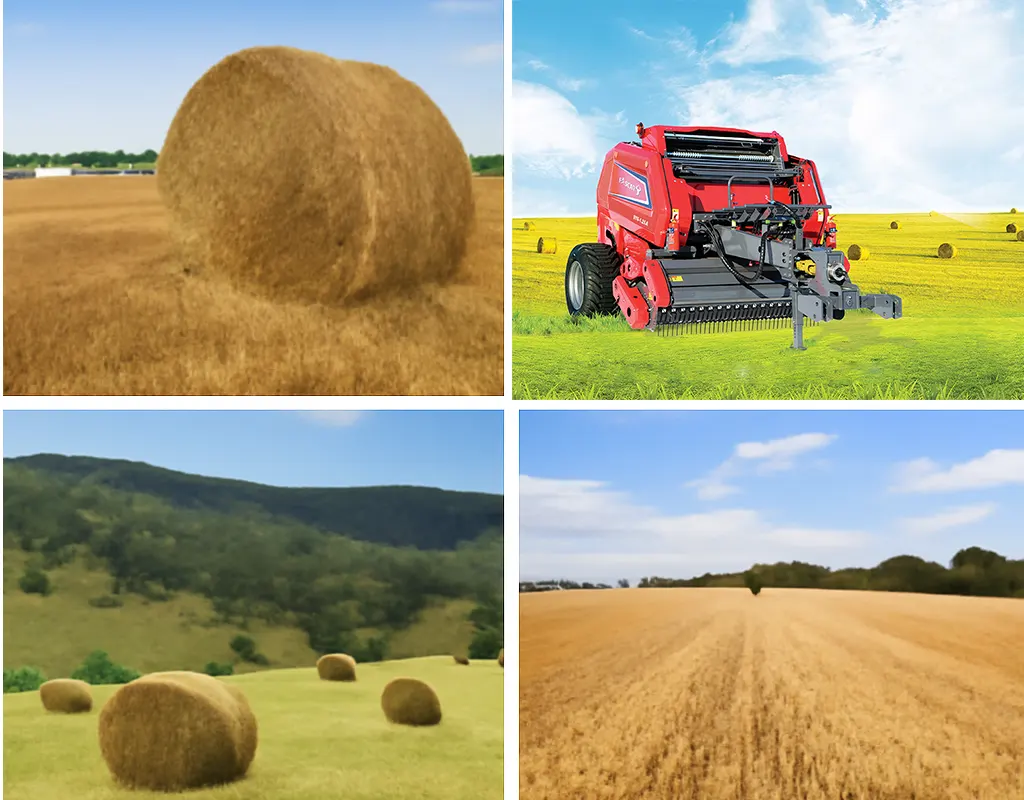
Le quattro variabili che determinano la dimensione ideale della pressa per balle per la tua azienda agricola.
Prima di confrontare un modello specifico, identifica la tua posizione rispetto a quattro variabili. L'intersezione delle tue risposte ti indicherà direttamente la classe di macchine più adatta alla tua attività, escludendo i modelli che sembrano interessanti sulla scheda tecnica ma che non si riveleranno performanti sul campo.
Potenza del trattore
Il limite più difficile da superare. La potenza minima indicata sulla scheda tecnica di una pressa è un valore minimo, non un obiettivo. Far funzionare qualsiasi attrezzo al suo minimo nominale significa che il trattore lavora al massimo carico continuo: la pressa verrà comunque imballata, ma la velocità di avanzamento e la produzione giornaliera rimarranno al di sotto della capacità nominale della macchina, e le ore di funzionamento del motore e della trasmissione si accumuleranno più velocemente del dovuto.
Superficie annua
La superficie coltivata annualmente determina se una pressa compatta, di fascia media o professionale si ripaga da sola. La produttività aumenta con le dimensioni della pressa, ma lo stesso vale per il costo iniziale. Calcolare correttamente questo valore, tenendo conto della crescita su un periodo di 5 anni e non solo sulla stagione in corso, fa la differenza tra una macchina che recupera il suo costo al terzo anno e una che lo recupera all'ottavo.
Tipo di coltura
Erba medica essiccata, insilato d'erba, stocchi di mais ed erba autoctona pongono esigenze diverse al sistema di raccolta, alla camera e al sistema di legatura. L'insilato ad alto contenuto di umidità, con un contenuto idrico del 65-75% (TP5T), richiede una geometria della camera e una velocità di legatura diverse rispetto al fieno secco con un contenuto idrico del 14-18% (TP5T). Specificare la coltura principale prima di selezionare il tipo di camera: questo determina l'intera classe della macchina.
Utilizzo finale della balla
Alimentare quotidianamente 200 vacche da latte, vendere a un silo o imballare su misura per diversi clienti: ognuna di queste esigenze richiede dimensioni e densità delle balle differenti. Un caseificio desidera una balla di 4x5 piedi che si apra e si consumi in un giorno senza deterioramento della superficie esposta. Un acquirente per l'esportazione desidera la massima densità per balla al fine di minimizzare i costi di trasporto in container per tonnellata spedita.
Camera fissa o camera variabile: la scelta che divide gli acquirenti di presse imballatrici
Le presse a camera fissa vengono spesso descritte come modelli base nelle conversazioni con i rivenditori che promuovono i modelli a camera variabile. Questa descrizione, tuttavia, non coglie la realtà operativa. Le macchine a camera fissa producono balle di forma più uniforme a diverse densità di andana rispetto ai modelli a camera variabile e, per le operazioni di pressatura di fieno secco con un contenuto di umidità prevedibile, offrono una migliore uniformità delle balle a parità di costo della macchina. I modelli a camera variabile giustificano il loro prezzo più elevato quando il contenuto di umidità varia da un taglio all'altro, ovvero esattamente il profilo di un programma di insilato di erba ad alto contenuto di umidità o di un'azienda agricola che gestisce stocchi di mais, erba e erba medica sulla stessa macchina nella stessa stagione.
| Fattore | Camera fissa | Camera variabile |
|---|---|---|
| Diametro della balla | Determinata dalla geometria della camera | Regolabile dall'operatore |
| Consistenza della forma della balla | Eccellente su andane | Buono — varia a seconda dell'umidità |
| Manutenzione intelligente | Inferiore | Superiore (meccanismo di espansione) |
| Insilato (> 55% umidità) | Funzionale | Preferita |
| Fieno secco (< 20% di umidità) | Preferita | Bene |
| Flessibilità multicolturale | Limitato | Alto |
| Costo della macchina (in relazione alla classe) | Inferiore | Più alto |
Nota sul campo: se la vostra azienda agricola coltiva un solo tipo di coltura con umidità prevedibile, ad esempio un'azienda dedicata alla produzione di fieno di erba medica o un prato di erba autoctona nell'ambito del programma CRP (Conservation Reserve Program), una pressa a camera fissa della giusta dimensione offrirà prestazioni superiori rispetto a un modello a camera variabile in termini di uniformità delle balle e costi di manutenzione complessivi. Se con la stessa pressa tagliate l'insilato a maggio, il fieno secco a luglio e gli stocchi di mais a ottobre, la camera variabile ripaga il suo costo aggiuntivo.
Fasce di superficie e classi di potenza: dimensionare la macchina in base al volume annuo
La regola più semplice per il dimensionamento è la seguente: la pressa per foraggio deve essere in grado di completare la fienagione dell'intera superficie annuale entro un intervallo di tempo che mantenga gestibile il rischio legato alle condizioni meteorologiche. Nella fascia settentrionale degli Stati Uniti, caratterizzata dalla coltivazione dell'erba medica, questo intervallo va dai 5 agli 8 giorni per il primo taglio. Nel sud-est, può essere più ristretto. La tabella seguente associa la superficie annuale alla classe di macchine in grado di gestire agevolmente quel volume, senza mettere a rischio l'intera attività a causa di una finestra meteorologica di una sola settimana.
| Superficie annua | Potenza del trattore | Classe di macchine | Profilo operativo |
|---|---|---|---|
| 50–200 acri | 40–65 CV | Compatto 1.0C | Aziende agricole diversificate, allevamenti di cavalli e piccoli animali, produttori di fieno per hobby, parco trattori compatti |
| 150–400 acri | 60–100 CV | Gamma media 1,25 / 1,25A | Il segmento più comune di produttori di fieno commerciali negli Stati Uniti. Gestisce cicli di tre tagli di erba medica o due tagli di erba su superfici moderate, senza la pressione di dover programmare la raccolta. |
| 400–800+ acri | 100–150+ CV | Commerciale 2.24D | Grandi aziende agricole per la produzione di fieno da allevamento di bovini da latte, attività di rivendita commerciale e contoterzisti per la pressatura su commissione. La produttività in questa categoria giustifica l'investimento di capitale per superfici superiori a circa 350-400 acri all'anno. |
Diametro della balla: cosa determina l'utilizzo a valle
Il diametro della balla viene spesso considerato una specifica secondaria, ma non lo è. Un allevamento che alimenta 300 mucche al giorno con insilato di erba medica necessita di una balla che la mandria consumi entro 24-36 ore dall'apertura. Una balla 5x6 da 1.200 kg è troppo grande; la superficie esposta si surriscalda e perde sostanza secca prima che il foraggio venga completamente consumato. Lo stesso allevamento necessita di una balla 4x5 da 600-700 kg, una dimensione che limita l'esposizione al deterioramento aerobico a un singolo ciclo di alimentazione. Un acquirente di fieno destinato all'esportazione, che acquista in container, desidera l'opposto: la massima densità per balla per minimizzare i costi di trasporto per tonnellata di prodotto spedito.
Le aziende agricole che offrono servizi di pressatura conto terzi si trovano ad affrontare una terza variante del problema: le aziende clienti utilizzano presse di marche diverse e caricatori differenti, pertanto la macchina dell'azienda deve essere in grado di produrre balle compatibili con l'attrezzatura già in possesso del cliente. Per le aziende, le presse a camera variabile, che consentono di regolare il diametro di uscita tra 1,0 e 1,5 metri, offrono la flessibilità necessaria per adattarsi alle attrezzature del cliente senza dover ricorrere a soluzioni alternative ogni stagione.
Rete o spago: il sistema di legatura e il suo reale costo di esercizio
La scelta del metodo di legatura viene solitamente inquadrata come un confronto dei costi dei materiali: pellicola a rete per rotolo contro spago per balle per rotolo. Tuttavia, questa impostazione trascura la variabile più importante: il tempo di ciclo per balla. La pellicola a rete completa un ciclo di legatura completo in 25-35 secondi con 2,5-3 passaggi sovrapposti sull'intera larghezza della balla, coprendo l'80-90% della superficie esterna. Lo spago a 4 fili impiega 60-90 secondi e lascia l'80-85% della superficie esterna della balla esposta agli agenti atmosferici tra i fili.
Avvolgimento in rete
Spago
Con una produzione di 100 balle al giorno, la differenza tra un ciclo di avvolgimento in rete di 30 secondi e un ciclo di legatura con spago di 75 secondi si traduce in oltre un'ora di tempo di legatura aggiuntivo al giorno, ovvero circa 10-12 giorni lavorativi in più nell'arco di un'intera stagione di tre tagli. La maggior parte dei produttori di fieno commerciali statunitensi è passata all'avvolgimento in rete principalmente per questo vantaggio in termini di tempo di ciclo, e il beneficio della protezione dalle intemperie è un vantaggio secondario che si aggiunge al calcolo della produttività.
Il sistema di raccolta: adatta denti, larghezza e andana alle vostre esigenze operative.
Il sistema di raccolta è il componente che entra in contatto più diretto con l'andana e che influenza maggiormente l'uniformità della forma delle balle. I sistemi di raccolta a denti elastici, utilizzati su tutta la nostra gamma, gestiscono andane aggrovigliate, pesanti e irregolari senza creare ponti, poiché la geometria dei denti solleva dal basso anziché trascinare lateralmente. Questo preserva la densità dell'andana su tutta la larghezza di raccolta ad ogni passaggio, che è la base meccanica per una formazione di balle uniforme in condizioni di campo variabili.
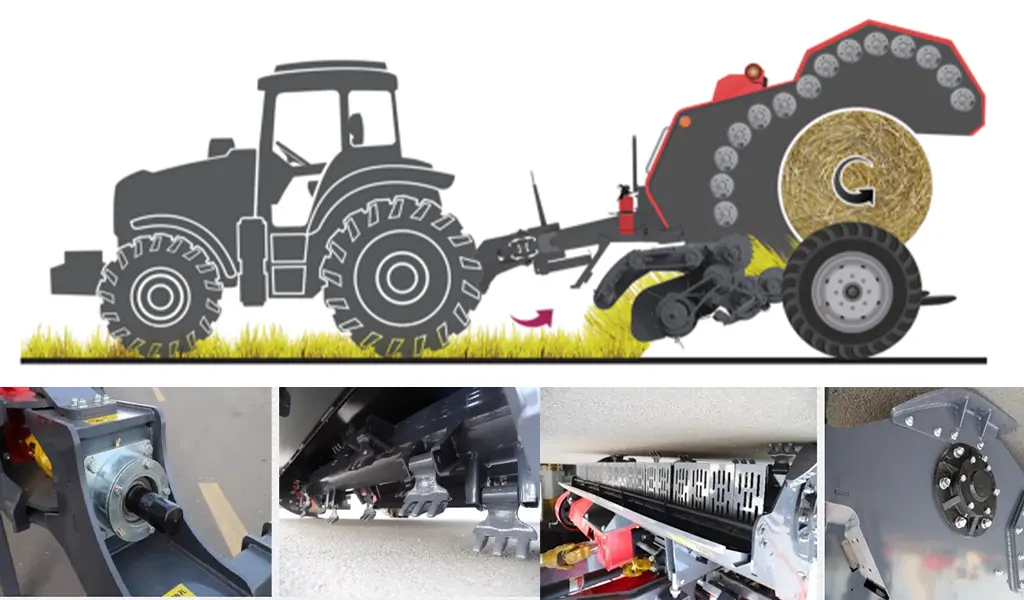
Adattare la larghezza del raccoglitore alla quantità di andana prodotta
Se il vostro ranghinatore produce costantemente andane più larghe della larghezza di raccolta nominale della pressa, il foraggio si accumula ai bordi esterni della testata a ogni passaggio. Su un campo di 200 acri con passaggi di 40 metri, il materiale che non viene raccolto si traduce in una perdita di resa misurabile per ogni taglio, silenziosa e invisibile a meno che non si passi dietro la macchina in un campo con stoppie pulite dopo il passaggio della pressa. Questo è uno dei motivi meno discussi per cui acquistare una pressa senza prima aver considerato la configurazione del ranghinatore porta a problemi a lungo termine.
Nostro fila di rastrelli per fieno Comprende sia ranghinatori orizzontali trainati che modelli a ruote a dita, con larghezze di lavoro da 9 a 12 metri. Abbinare la larghezza di andana del ranghinatore alle specifiche di raccolta della pressa, anziché il contrario, garantisce una forma uniforme delle balle dalla prima all'ultima fila in ogni campo.
Albero di trasmissione della presa di forza e protezione da sovraccarico
La frizione di sovraccarico nel riduttore di trasmissione della presa di forza La frizione è il componente più trascurato in termini di manutenzione sulla maggior parte delle presse in campo. La coppia di slittamento della frizione determina quando la trasmissione si disconnette per proteggere il cambio da un improvviso picco di carico, ad esempio quando il raccoglitore incontra un punto critico in un'andana pesante a piena velocità. Una frizione troppo allentata slitta costantemente sotto carico normale, riducendo la potenza effettiva della presa di forza alla camera di pressatura. Una frizione troppo stretta permette che i sovraccarichi moltiplichino la coppia sul cambio, accelerando l'usura degli ingranaggi e causando infine la rottura dei denti a metà stagione. Controllare e regolare la coppia di slittamento all'inizio di ogni stagione: è un'operazione di 15 minuti che evita ore di fermo macchina imprevisto.
La nostra gamma di rotopresse: cinque modelli suddivisi in tre classi operative.
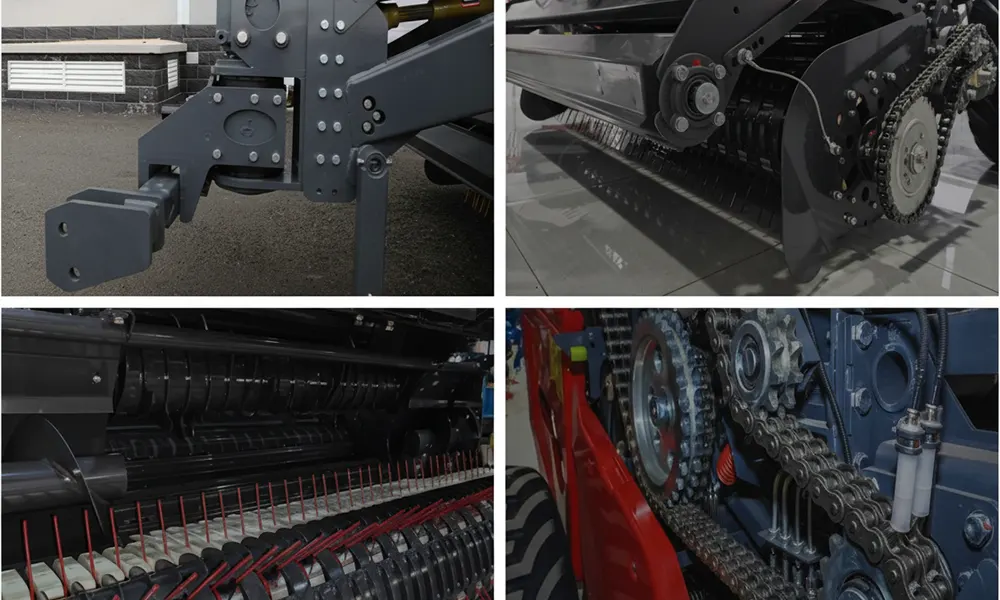
Ogni modello nel nostro gamma completa di presse rotonde Utilizza un raccoglitore a denti elastici, una presa di forza a 540 giri/min e un attacco posteriore a tre punti. Le differenze tra i modelli riguardano il tipo di camera, la capacità di produzione delle balle, la potenza richiesta e la densità che ogni macchina raggiunge in modo affidabile in condizioni di campo commerciali. Utilizza la tabella sottostante come filtro iniziale: restringerà le opzioni a due o tre modelli e il nostro team statunitense potrà confermare la scelta più adatta in base al modello del tuo trattore e alla superficie annuale da coltivare.
| Modello | Camera | Dimensioni della balla (diametro × larghezza) | HP richiesto | Ettari annuali | Ideale per |
|---|---|---|---|---|---|
| 9YG-1.0C | Fisso | 1,0 × 1,0 m | ≥ 40 CV | 50–200 | Piccole aziende agricole diversificate, allevamenti amatoriali, parco trattori compatti |
| 9YG-1,25 | Fisso | 1,25 × 1,25 m | 60–80 CV | 150–350 | Fieno secco costante, aziende agricole monocolturali, produttività media affidabile |
| 9YG-1.25A | Variabile | 0,9–1,5 × 1,25 m | 75–100 CV | 200–500 | Multicoltura, opzione insilato, aziende che pianificano di aumentare la superficie coltivata. |
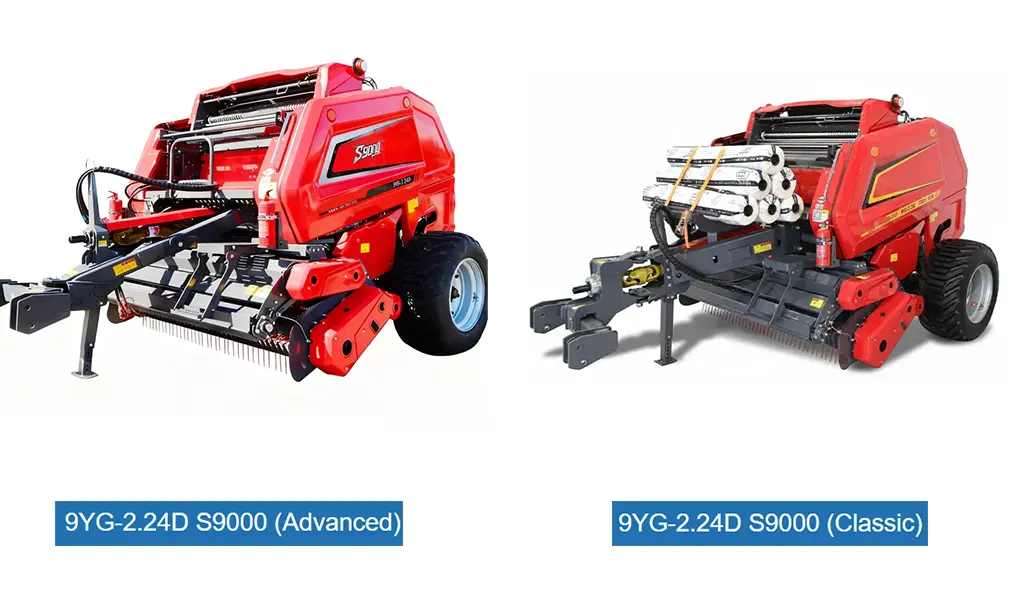
| 9YG-2.24D Base / Classico |
Variabile | Fino a 2,24 × 1,25 m | 100–130 CV | 400–800 | Fieno per allevamenti da latte, rivendita di fieno, servizi di imballaggio su commissione. |
| 9YG-2.24D Ultra | Variabile | Fino a 2,24 × 1,25 m | 120–150+ CV | 600–1.200+ | Programmi di fienagione commerciale ad alto volume per l'esportazione, grandi appaltatori di insilati |
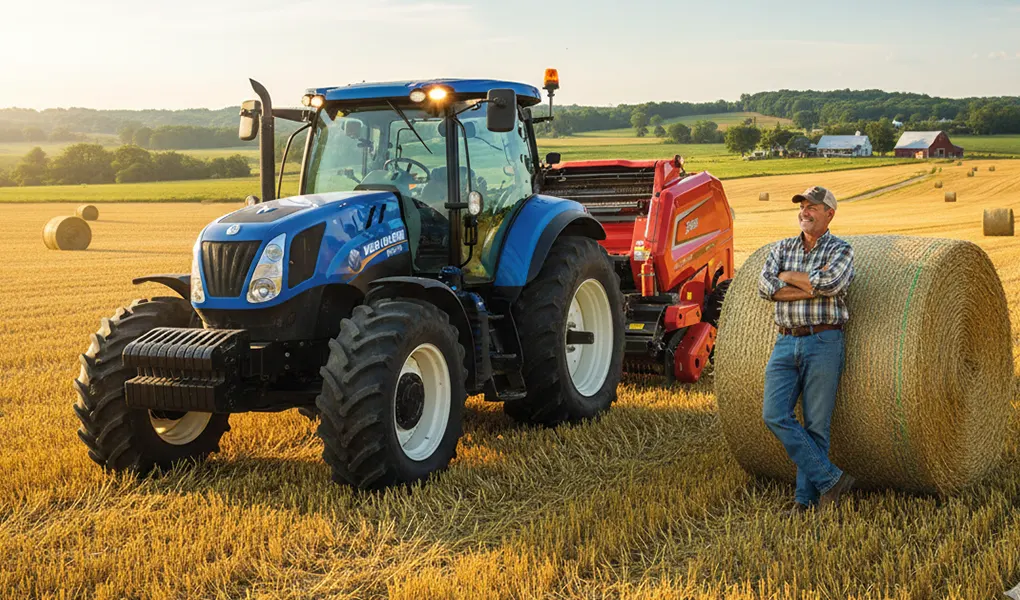
Domande frequenti: Scelta della rotopressa
Ottieni un consiglio personalizzato sulla pressa per balle rotonde
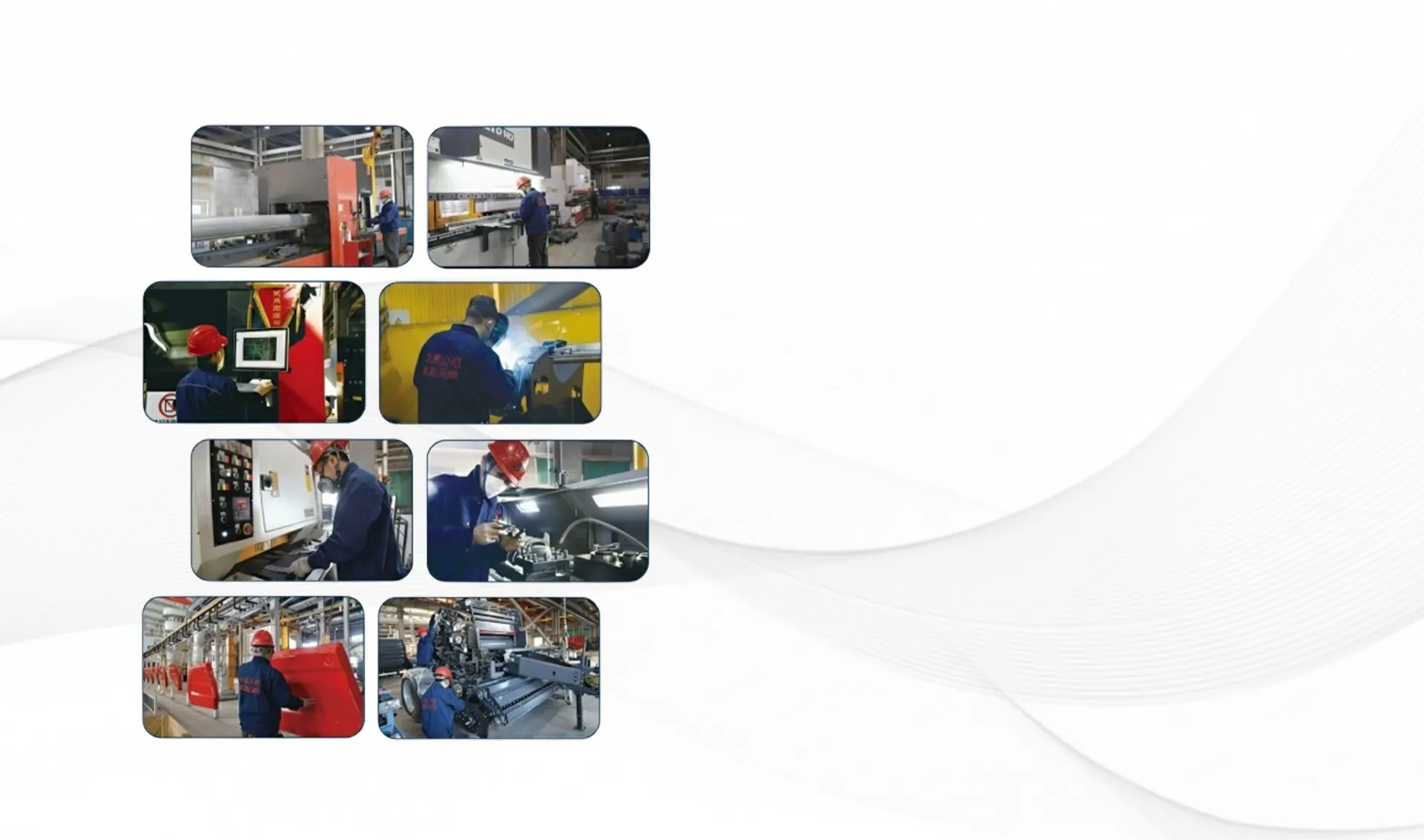
Comunicaci il tuo trattore, la superficie coltivata annualmente e la coltura principale: ti aiuteremo a trovare il modello giusto.
Il nostro team con sede in California verifica la compatibilità del trattore (potenza, categoria di attacco, potenza della presa di forza posteriore) in base al modello e al numero di serie del trattore prima della spedizione. Prezzi di fabbrica diretti, documentazione di qualità ISO 9001, fatture conformi alla Sezione 179 e assistenza ricambi nella stessa stagione sono inclusi in ogni ordine.
America Ever-Power Forage Baler Equipment INC. | 1401 21st ST STE R, Sacramento, CA 95811
Redattore: Cxm


