
The round baler pickup is the first mechanical point of contact with the cut crop — and it is the point where more bale quality problems originate than most operators realize. A pickup that is poorly matched to the windrow, worn beyond its effective life, or running at the wrong height relative to the field surface creates a cascade of problems downstream in the chamber: uneven crop flow, low bale density, leaf loss, and soil contamination in the bale. Understanding the round baler pickup system — the tine types, the width matching requirements, and the diagnostic indicators of wear — is fundamental to consistent bale quality.
What the Pickup Does: The First Point of Forage Contact
The pickup assembly on a round baler performs a deceptively simple function: it lifts the windrow from the ground surface and feeds it into the bale chamber at a controlled, even rate. In practice, executing this function well — gathering all the windrow without leaving residue, lifting cleanly without soil contamination, and feeding evenly across the full chamber width — requires the pickup to be correctly matched to the windrow in width, correctly set in float height relative to the field surface, and maintained with tines that retain their original geometry throughout the season.
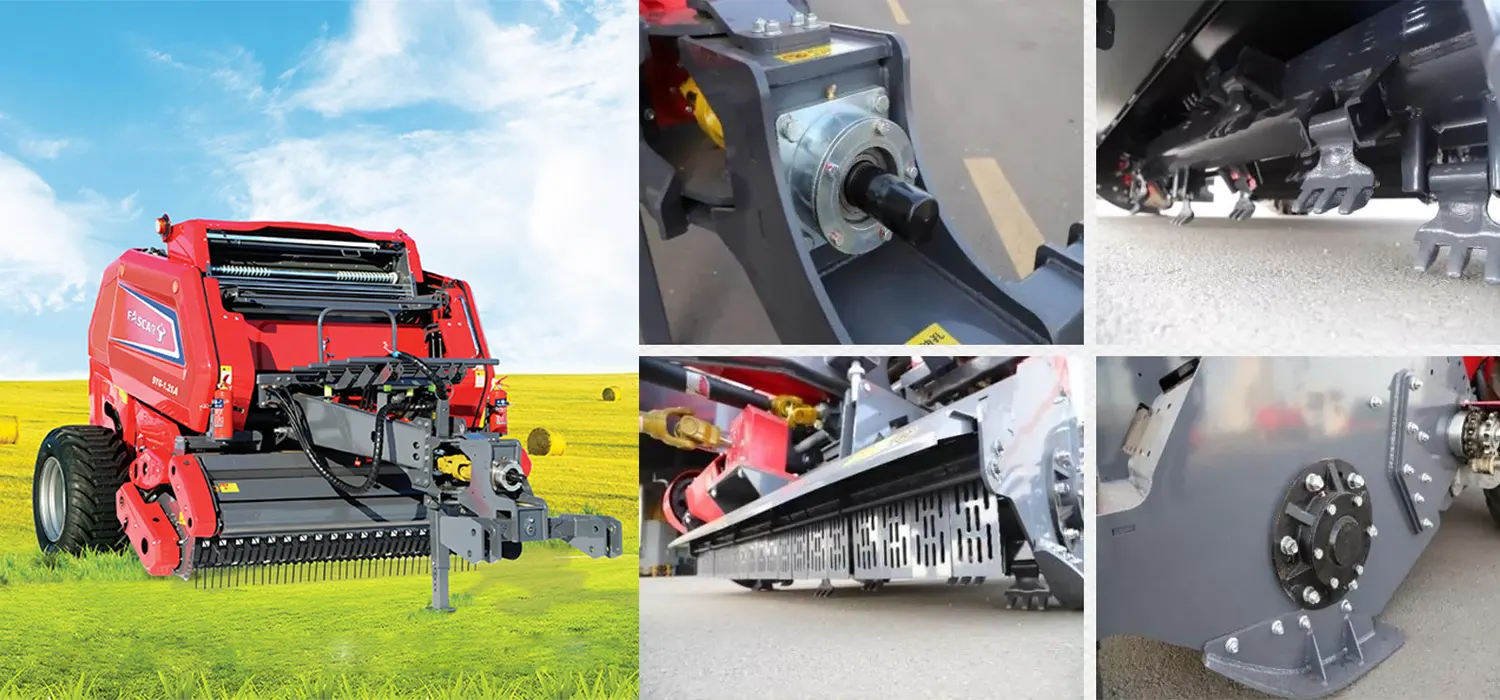
Spring-Tooth Tines: Design and Operating Characteristics
Spring-steel tines are the most common pickup design on mid-range round balers. Each tine is a curved spring-steel element mounted to a cross-bar on the pickup reel. As the reel rotates, the tines project forward and downward through the windrow, then retract as they pass through the lower portion of the arc — releasing the gathered material into the chamber intake zone. The spring construction allows individual tines to deflect backward on contact with rocks, soil clods, or heavy material without breaking, then return to their original profile when the obstruction passes.
IL 9YG-1.25A with spring-tooth pickup uses this tine design matched to its belt-chamber configuration — the spring-tooth reel produces even crop flow across the full pickup width, which is a prerequisite for consistent belt-chamber bale formation. Spring-tooth designs are available in different tine spacings (the number of tines per bar and the spacing between bars) to match different windrow densities: closer spacing for thin, light windrows; wider spacing for dense, high-biomass windrows.
Cam-Controlled Tines: The Precision Trade-Off
Cam-controlled tine pickups use a mechanical cam mechanism that controls the tine projection angle throughout the reel’s rotation, rather than relying on spring deflection. As each tine passes through the active gathering arc at the front and bottom of the reel, the cam holds it at a precise forward projection angle, then actively retracts it as it passes through the discharge zone — releasing the crop more cleanly and consistently than a spring-steel tine’s passive deflection.
The result is a smoother, more uniform crop flow into the chamber, with less tendency for material to remain on the tine through the discharge arc and enter the chamber in clumps. The trade-off is that cam mechanisms add mechanical complexity compared to spring-steel, and when a cam-controlled tine is damaged by a rock strike, the damage affects the cam follower and cam track rather than just the replaceable spring tine — making repair more involved and expensive. Cam-controlled pickups are found on higher-specification commercial balers where maximum crop flow consistency justifies the additional complexity and cost.
The Width Matching Calculator: How Pickup Width Relative to Windrow Determines Bale Density
The single most impactful pickup variable for bale quality is the ratio between pickup width and windrow width. This relationship is often overlooked because both numbers are assumed to be fixed once the equipment is purchased — but windrow width is actually a controllable variable determined by how the rake is set, and getting this ratio right is more valuable than any baler adjustment.
| Scenario | Larghezza dell'andana | Larghezza di ripresa | Ratio | Predicted Result |
|---|---|---|---|---|
| Under-width windrow | 90 cm | 140 cm | 0.64 | Soft bale center. Chamber fills only in center lane. Bale forms as dense column with soft flanks. Bale deforms under stack pressure. |
| Matched width | 145 cm | 140 cm | 1.04 | Optimal bale density. Chamber fills uniformly across full width. Consistent dense bales with good structural integrity. |
| Over-width windrow | 200 cm | 140 cm | 1.43 | Pickup overload. Material piles at pickup edges, causes center-mound feeding. Uneven chamber fill, slower bale cycle. Leaf loss elevated. |
Target ratio: windrow width should be 100 to 115% of pickup width. Rake adjustment, not baler adjustment, is the correct solution for ratio problems. Measure windrow width at the widest point before making rake setting changes.
Pickup Float Height: Balancing Ground Contact and Soil Contamination
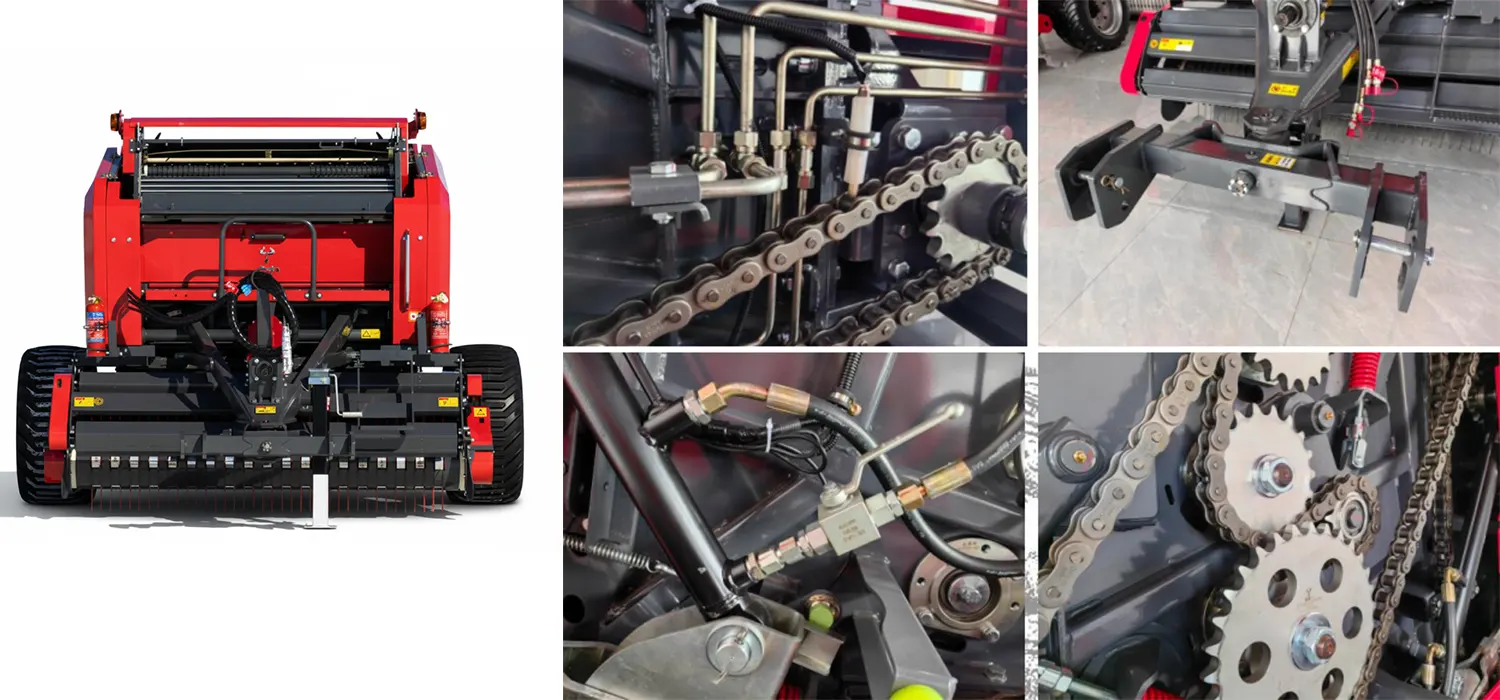
Pickup float height — the distance between the lowest tine tips and the field surface during normal operation — is set by adjusting the pickup height stops and the float spring tension. The target is the minimum clearance that prevents consistent soil scalping while still gathering all of the windrow off the surface. Most manufacturers recommend 25 to 50 mm (1 to 2 inches) of tine-tip clearance as a starting setting on flat, firm ground.
Running the pickup too low (below 20 mm clearance) picks up soil, dust, and surface organic matter that contaminate the bale with inorganic material — a direct quality problem for hay sold on quality tests, and a silage fermentation inhibitor when soil pH buffers the fermentation acid production. Running the pickup too high (above 60 mm clearance) leaves windrow material behind — particularly the lower, loosest portions of the windrow that contain the fine-stemmed material with the highest nutritional value per unit weight.
Tine Wear Diagnosis and Replacement Criteria
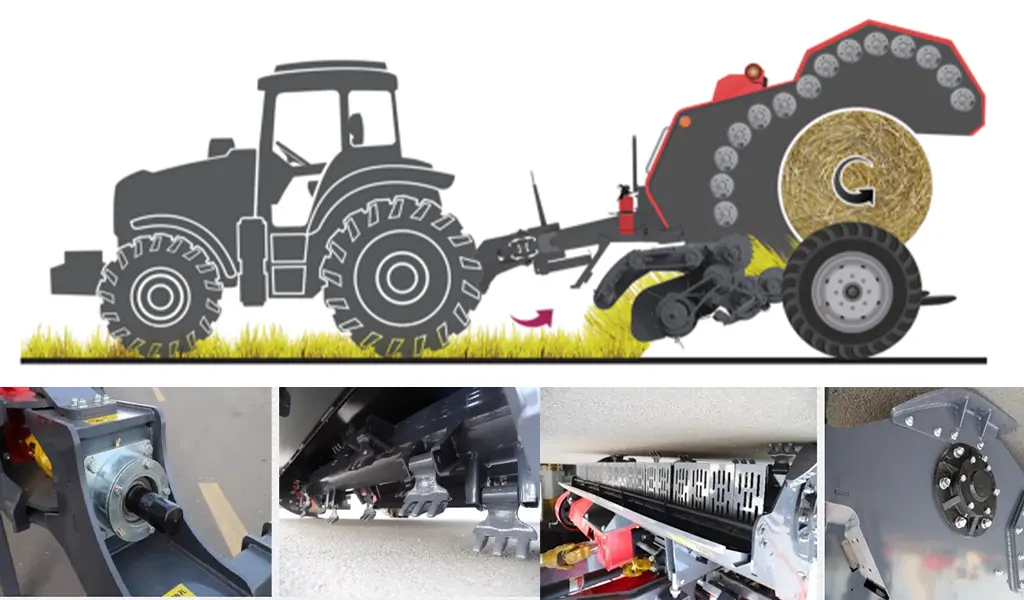
Spring-steel tines wear through a combination of tip abrasion against soil and gradual deformation of the curved profile from repeated deflection cycles. The visible indicators that tines are approaching replacement are: tip shortening — a tine that is visibly shorter than adjacent tines has lost material at the tip from abrasion; profile straightening — a tine that has lost its original curved projection angle and sits more nearly flat on the bar than it should; and cracking — particularly at the tine-to-bar mounting point where stress concentrations from deflection cycles accumulate.
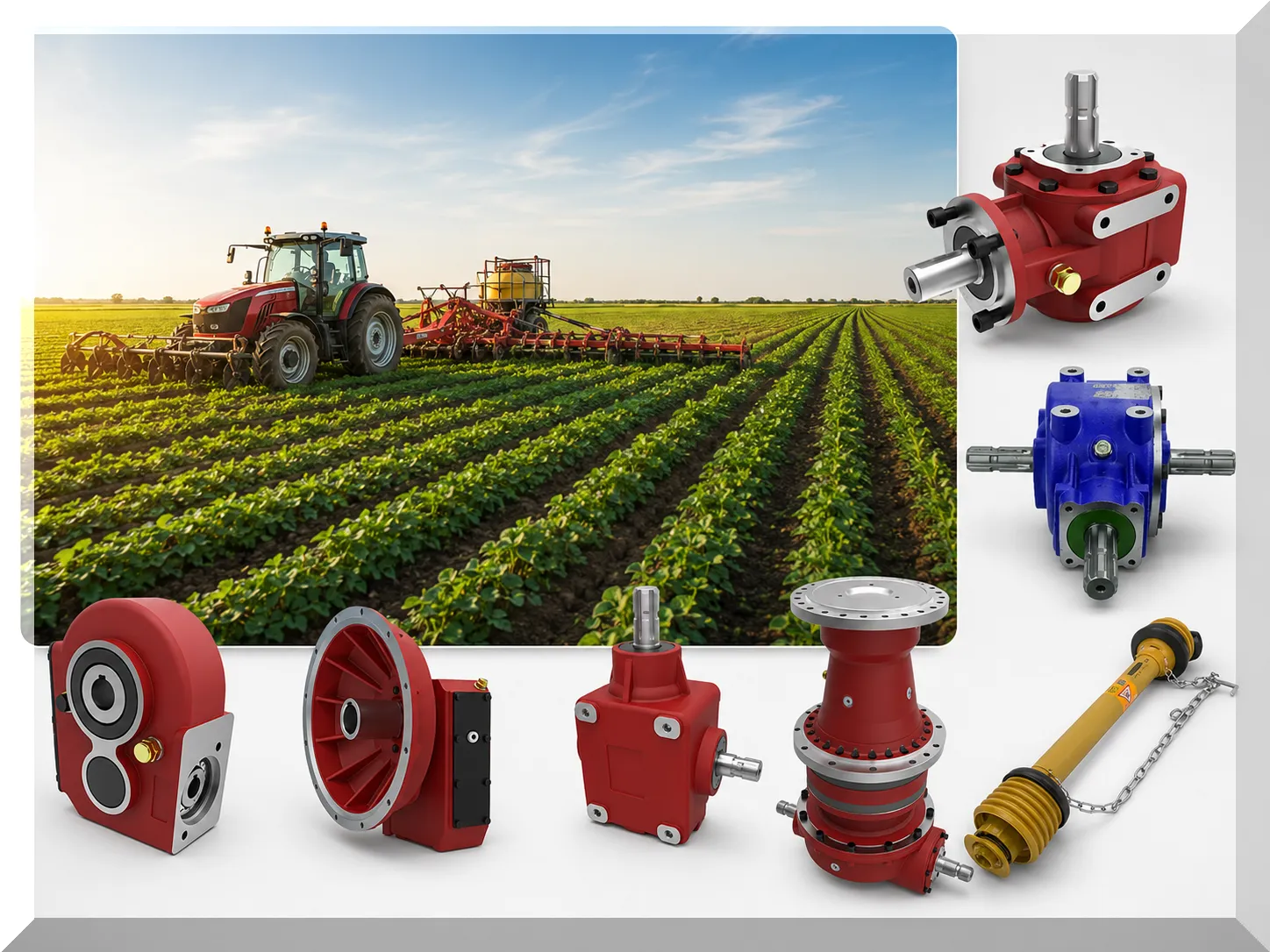
A useful field rule of thumb: any tine that has been straightened to less than 30 degrees from the bar plane (where the original profile typically projects the tine tip 80 to 120 mm forward from the bar) is past its effective working life and should be replaced. Running worn tines reduces the pickup’s effective gathering height and leaves windrow material on the field — a direct yield loss that accumulates across a full season. The agricultural drive and gearbox components powering the pickup reel from the PTO input should be checked for correct oil level and seal condition at the same pre-season service inspection.
Domande frequenti

Tell Us Your Mower Width, Rake Type, and Target Windrow — We Confirm the Right Pickup Width
Pickup width, tine type, and float setting are confirmed against your mower and rake specifications before any baler ships from our California warehouse. Direct factory pricing, no dealer margin.
Redattore: Cxm


