
Perché la maggior parte delle aziende di imballaggio su commissione applica prezzi troppo bassi e come evitarlo
L'approccio standard alla determinazione dei prezzi nel settore della pressatura conto terzi consiste nell'analizzare i prezzi praticati dai concorrenti per balla e fissare la propria tariffa a un livello pari o leggermente inferiore per rimanere competitivi. Questo approccio tiene conto delle tariffe di mercato, ma ignora completamente se tali tariffe coprano effettivamente i costi. Nelle regioni in cui le tariffe per la pressatura conto terzi sono rimaste stagnanti per anni, mentre i costi di carburante, attrezzature e manodopera sono aumentati, la tariffa di mercato potrebbe essere significativamente inferiore al punto di pareggio per un'attività adeguatamente capitalizzata.
L'approccio corretto consiste nel definire il prezzo partendo dalla struttura dei costi e confrontandolo poi con le tariffe di mercato, non viceversa. Se il prezzo basato sui costi è superiore alle tariffe di mercato, si hanno tre opzioni: ridurre i costi, aumentare i volumi per distribuire meglio i costi fissi o uscire dal mercato. Se il prezzo basato sui costi è inferiore alle tariffe di mercato, si ha un vantaggio competitivo. In entrambi i casi, conoscere il costo effettivo per balla è la base per un'attività di pressatura conto terzi sostenibile.
La formula del costo per balla: costruire il prezzo partendo da zero
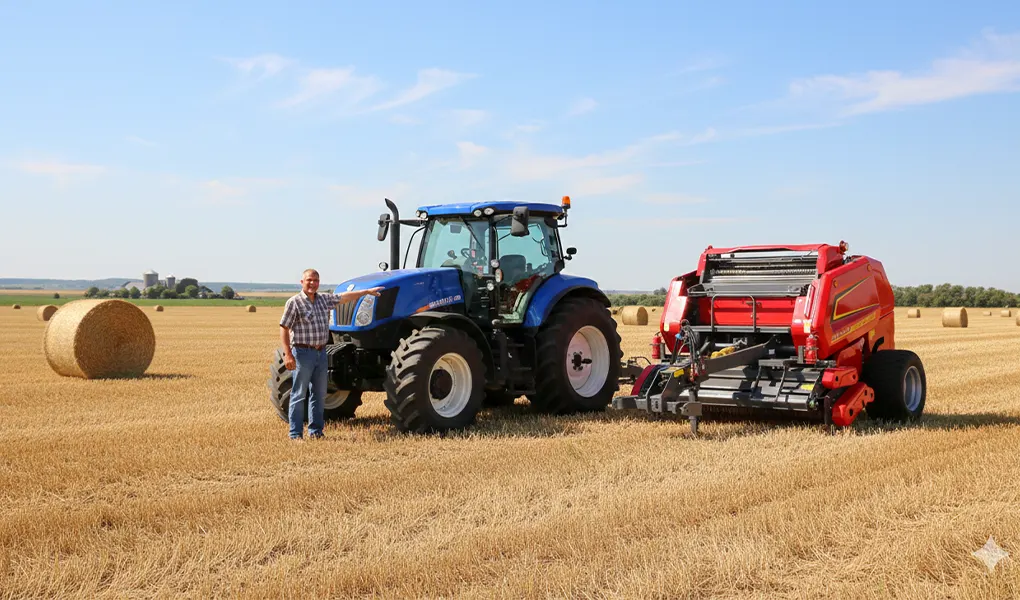
Nel settore della pressatura conto terzi, esistono sette categorie di costo. Trascurarne anche solo una significa sottovalutare il costo reale e ottenere un prezzo che appare vantaggioso nel breve termine, ma che al contempo consuma il valore residuo delle attrezzature senza alcun compenso.
| categoria di costo | Come calcolare | Intervallo tipico | $/balla a 2.000 balle/stagione |
|---|---|---|---|
| Ammortamento delle attrezzature | Prezzo di acquisto × 15% ÷ balle annuali | $2–$5/balla | $2.10–$3.75 |
| Interessi / costi di finanziamento | Saldo medio del prestito × tasso di interesse ÷ balle annuali | $0.50–$2/balla | $0.60–$1.80 |
| Carburante | Prezzo del gasolio × galloni/ora × ore/balla | $1.20–$2.40/balla | $1.20–$2.40 |
| Materiali di consumo (rete di protezione, bulloni di sicurezza) | Spesa annua per materiali di consumo ÷ balle annue | $2–$3.50/balla | $2.00–$3.25 |
| Riparazioni e manutenzione | Valore storico o 5% delle attrezzature ÷ balle annuali | $0.70–$2/balla | $0.70–$1.75 |
| Manodopera (tempo dell'operatore) | Ore/balla × tariffa salariale di mercato | $1.50–$3.50/balla | $1.50–$3.25 |
| Spese generali (assicurazione, magazzinaggio, amministrazione) | Costo fisso annuale ÷ balle annuali | $0.50–$1.50/balla | $0.50–$1.25 |
Costo totale per balla: $9.48 | Al margine di profitto 20%, il prezzo = $11.37/balla
Densità dei percorsi: la variabile di redditività che la maggior parte dei contoterzisti ignora
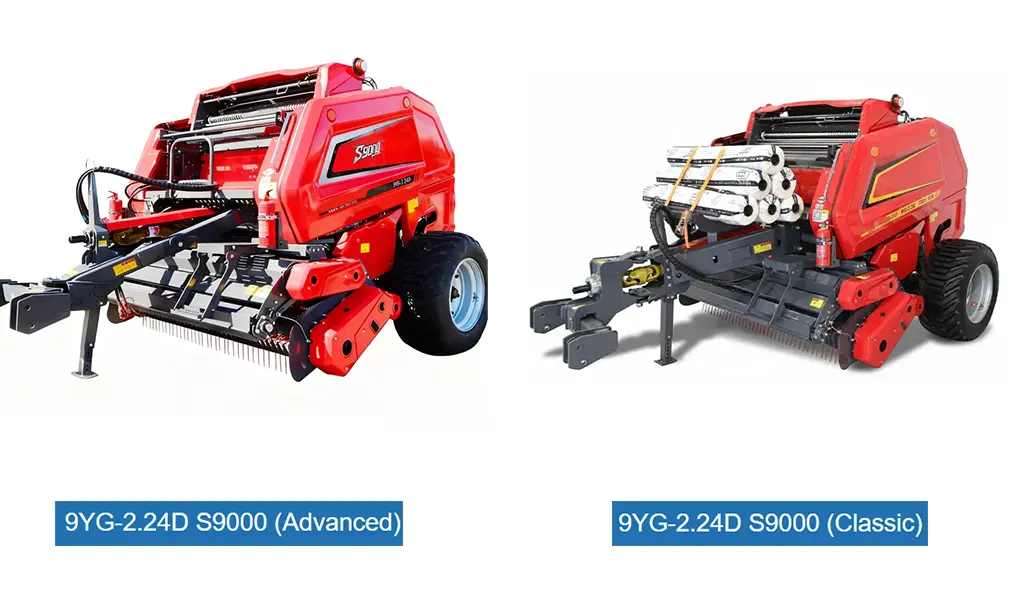
La densità del percorso, ovvero il numero di balle per miglio di distanza tra i clienti, è la variabile che determina se il costo effettivo per balla corrisponde al costo teorico. Un percorso di pressatura personalizzato in cui 10 clienti sono concentrati entro un raggio di 5 miglia produce un costo di trasporto per balla notevolmente inferiore rispetto a un percorso in cui 10 clienti sono distribuiti su un raggio di 25 miglia. Il lavoro di pressatura sul campo è lo stesso; il tempo di percorrenza, invece, è diverso.
Obiettivo: 15+ balle per miglio percorso per un'attività di pressatura conto terzi redditizia
Bassa densità: <8 balle/miglio — il costo di trasporto per balla supera i vantaggi in termini di efficienza sul campo
Alta densità: oltre 25 balle/miglio — massima redditività per ora di attività
Esempio: 2.000 balle dai clienti distribuite su un totale di 400 miglia di percorrenza a stagione = 5 balle/miglio. A una velocità media di 30 mph, ciò corrisponde a 13,3 ore di viaggio. Con un costo dell'operatore di $25/ora + $0,80/miglio di carburante = $652 di costo di viaggio, ovvero $0,33/balla solo per il viaggio. Un percorso denso di 2.000 balle in 100 miglia di percorrenza = 20 balle/miglio = $163 di costo di viaggio = $0,08/balla. Stessa pressa, stessa produzione, costo inferiore di $0,25/balla solo grazie alla geografia del percorso.
Costruire un percorso di raccolta capillare richiede di puntare consapevolmente a clienti all'interno di un'area geografica ristretta, piuttosto che accettare qualsiasi cliente raggiungibile in auto. La tentazione di guadagnare a breve termine accettando 50 balle da un cliente distante allo stesso prezzo unitario è spesso meno redditizia rispetto al rifiutare e aspettare di riempire quella fascia oraria con un cliente più vicino al centro del percorso. Si tratta di una disciplina aziendale difficile, ma la più incisiva nell'economia del servizio di imballaggio conto terzi.
Avvio: Scelta delle attrezzature per un'attività di imballaggio su misura
La scelta della pressa per un'attività di pressatura conto terzi appena avviata dovrebbe essere guidata dalle specifiche delle balle richieste dalla clientela di riferimento, non dal prezzo più basso. Un cliente che vende fieno a un silo si aspetta una dimensione e un peso minimi specifici per le balle. Un cliente che alimenta bovini da latte potrebbe richiedere balle dense e pretagliate. Acquistare attrezzature che non soddisfano queste specifiche, anche a un costo inferiore, limita il mercato a clienti disposti ad accettare qualsiasi prodotto.
Le nuove attrezzature eliminano il rischio di una storia sconosciuta delle macchine usate: si conosce la cronologia degli interventi di manutenzione, si ha una copertura di garanzia completa e si può contare sulla rete di supporto tecnico del produttore. Per una startup che non può permettersi un guasto a metà stagione che rovini il periodo di raccolta di un cliente, l'affidabilità delle nuove attrezzature giustifica il prezzo più elevato. Le nuove presse per balle sono inoltre idonee per la detrazione delle spese del primo anno ai sensi della Sezione 179, che può ridurre significativamente il costo al netto delle imposte nel primo anno. L'analisi completa del trattamento fiscale è disponibile nel documento. Guida alla detrazione ai sensi della Sezione 179 per le attrezzature per la fienagione.
Una pressa usata ben tenuta, con cronologia di manutenzione documentata e ispezione stagionale in corso da parte di un meccanico qualificato, può offrire prestazioni equivalenti a un costo pari al 50-701 TP5T del nuovo. Il rischio è rappresentato dall'usura imprevista: cinghie, cuscinetti e catene che sembrano funzionanti potrebbero guastarsi entro 500 balle. Per mitigare questo rischio: richiedete un'ispezione pre-acquisto da parte del vostro meccanico, non da quello del venditore; richiedete la cronologia del conteggio delle balle; e prevedete un budget di 1 TP6T800-1 TP6T1.500 per la sostituzione delle cinghie e l'ispezione dei cuscinetti prima della prima stagione di utilizzo da parte del cliente. Una pressa usata che superi una rigorosa ispezione pre-acquisto e che abbia una cronologia di manutenzione comprovata è spesso la scelta iniziale più economica.
L'analisi completa degli investimenti, compresi gli scenari di finanziamento, il conteggio delle balle di pareggio e il confronto del rendimento netto a 5 anni tra l'acquisto di attrezzature nuove e usate, è disponibile nel analisi del ROI dell'investimento della pressa. Le specifiche del cambio e dell'albero PTO che determinano le velocità massime di funzionamento sul campo e la capacità di potenza sostenuta sono in Specifiche dei componenti del cambio agricolo e della presa di forza.
Acquisizione e fidelizzazione dei clienti: costruire la strategia vincente
I clienti che scelgono un servizio di pressatura personalizzato basano la loro decisione annuale su due fattori, in ordine di importanza: la disponibilità nel momento del bisogno e la qualità/uniformità delle balle prodotte. Il prezzo è importante, ma la maggior parte dei produttori di fieno accetta un sovrapprezzo moderato per un operatore di pressatura affidabile rispetto a un operatore più economico che potrebbe non essere disponibile nel momento più opportuno.
Contatta ogni cliente entro il 1° aprile per confermare le date approssimative di taglio e i volumi di balle per la prossima stagione. Questa pianificazione anticipata ti permette di individuare eventuali sovrapposizioni di date, pianificare i percorsi di consegna e verificare di disporre di una capacità di macchinari sufficiente per il periodo di punta. I clienti che sanno che stai pianificando in base alle loro esigenze sono più propensi a rimanere fedeli nel tempo.
Quando il maltempo o problemi alle attrezzature ritardano la consegna a un cliente, è importante chiamare prima del giorno previsto, non dopo averla persa. I clienti che ricevono un aggiornamento proattivo gestiscono meglio la situazione; al contrario, i clienti che scoprono di aver perso la consegna solo perché l'operatore non si è presentato, perdono immediatamente la fiducia. Anche se l'aggiornamento è semplicemente "siamo in ritardo di 2 giorni", la comunicazione in sé è fondamentale per mantenere un buon rapporto.
I clienti che vendono a un silo commerciale necessitano di balle che soddisfino costantemente le specifiche minime di peso e dimensioni del silo. Un'azienda che fornisce balle da 950 libbre a un silo che ne richiede un minimo di 1.000 libbre crea un problema per il cliente, indipendentemente dalla tariffa per balla applicata. Prima di iniziare a lavorare per ogni cliente, è fondamentale conoscere le specifiche delle balle richieste e verificare che le impostazioni delle attrezzature le soddisfino. Questa semplice pratica genera più clienti fidelizzati di qualsiasi strategia di prezzo.
Analisi del punto di pareggio: quante balle servono prima di realizzare un profitto?
Il calcolo del punto di pareggio determina il volume minimo annuo di balle al quale la tua attività copre tutti i costi al prezzo obiettivo. Al di sotto di questo volume, stai consumando il valore delle attrezzature senza alcun compenso. Al di sopra di tale volume, ogni balla aggiuntiva genera profitto.
Esempio: Costi fissi (ammortamento + interessi + assicurazione) = $5.200/stagione
Costo variabile = $5.64/balla (carburante + materiali di consumo + manodopera + riparazioni)
Prezzo = $11.50/balla
Pareggio = $5.200 ÷ ($11,50 − $5,64) = $5.200 ÷ $5,86 = 888 balle/stagione
Meno di 888 balle: attività in perdita.
Da 888 a circa 1.200 balle: margine di profitto ridotto.
Oltre 1.200 balle: contributo significativo al profitto per ogni balla aggiuntiva.
Questo calcolo rivela perché il volume è così importante nel settore della pressatura conto terzi: i costi fissi rimangono invariati, sia che si producano 500 o 2.000 balle a stagione. In questo esempio, ogni balla prodotta oltre il punto di pareggio contribuisce con $5,86 al profitto. Un operatore al secondo anno di attività che passa da 1.000 a 1.500 balle aggiunge $2.930 al profitto grazie al solo aumento del volume, senza alcuna variazione di prezzo.
Strutturare i prezzi in base ai diversi livelli di servizio.
Gli operatori di pressatura conto terzi che offrono diversi livelli di servizio — solo pressatura di base, pressatura con conteggio o pressatura con trasporto a bordo — ottengono maggiori ricavi per cliente e fidelirebbero più clienti grazie alla flessibilità del servizio. Una struttura tariffaria a livelli consente di soddisfare sia il cliente attento al prezzo che desidera il servizio minimo, sia il cliente esigente in termini di servizio, disposto a pagare per la comodità.
| Livello di servizio | Cosa è incluso | Premio tipico sopra la base | Tempo aggiunto per balla |
|---|---|---|---|
| Base: solo balle | Solo imballaggio; le balle vengono espulse nel campo dove si formano; il cliente sposta le balle | — | Linea di base |
| Inoltre: foglio di conteggio degli involucri | Base + conteggio delle balle scritto per sezione di campo consegnato al cliente | $0–$0.25/balla | Trascurabile |
| Inoltre: rete protettiva inclusa | Base + fornitore dell'operatore net wrap (elimina l'onere di approvvigionamento del cliente) | +$2.50–$3.50/balla | Nessuno (già in funzione) |
| Inoltre: balla fino al bordo del campo | Base + spostare ogni balla al bordo del campo o al sito di stoccaggio designato dopo l'imballaggio | +$2–$5/balla | +3–6 min/balla (richiede un trasportatore separato) |
| Premium: servizio completo sul campo | Rastrellare (andane del cliente) + imballare + spostare al bordo + applicare l'etichetta di imballaggio con il numero di lotto | +$6–$12/balla | Significativo: richiede attrezzature di rastrellatura e passaggi multipli |
Offrire la rete di imballaggio come costo incluso (compresa nel prezzo per balla) anziché come voce di spesa separata semplifica la fatturazione ai clienti ed elimina le controversie sulla qualità o sul tasso di consumo della rete. La maggior parte degli operatori che includono la rete di imballaggio nel prezzo complessivo trova più semplice gestire il proprio modello di costo acquistando la rete a prezzi all'ingrosso e integrando tale costo direttamente nella tariffa per balla.
Domande frequenti sulle attività di imballaggio personalizzato
Configura una pressa per imballaggio per uso commerciale personalizzato
Comunicaci il volume annuo di balle che desideri produrre, la coltura principale, le specifiche delle balle richieste dai tuoi clienti e se stai avviando una nuova attività o aggiornando le attrezzature esistenti. Ti consiglieremo il modello che offre la capacità e l'affidabilità di cui la tua azienda di pressatura conto terzi ha bisogno.
Redattore: Cxm


