Why the Equine Market Demands Different Production Decisions
Horse owners and cattle operators buy hay from different criteria and with different consequences for getting it wrong. A beef producer who receives a slightly dusty load of 12% CP grass hay adjusts the feeding rate and moves on. A horse owner who receives the same hay may end up with a horse in respiratory distress or with a metabolic episode — outcomes that translate into veterinary bills, horse health consequences, and a buyer who never returns and tells every contact at the barn about the experience. This accountability gap is what drives the horse hay premium and what makes the equine market the highest-margin, most demanding, and most loyal segment in the domestic hay market.
NSC and the Metabolic Horse: The Specification That Changed the Market

Nonstructural carbohydrates (NSC) are the sugars, starches, and fructans in hay that raise blood glucose and insulin levels in horses. In most horses, this is a non-issue — the digestive system handles it normally. In horses with Equine Metabolic Syndrome (EMS), Pituitary Pars Intermedia Dysfunction (PPID/Cushing’s), or a history of laminitis, elevated NSC in hay can directly trigger a laminitis episode — a painful and sometimes career-ending hoof condition. The prevalence of these conditions in the domestic horse population has been estimated at 20–30% in some breed and age groups, which means that a significant fraction of horse owners are actively seeking low-NSC hay and willing to pay premium prices to secure a reliable supply.
| Horse type / condition | Safe NSC upper limit | Safe WSC upper limit | Risk if limit exceeded |
|---|---|---|---|
| Normal maintenance/light work | <20% | <15% | Minimal — standard hay acceptable |
| Easy keeper / obese horse | <15% | <12% | Ongoing weight gain; increased insulin resistance development |
| EMS / insulin dysregulation | <10% | <8% | Laminitis episode; insulin spike |
| PPID (Cushing’s disease) | <10% | <8% | Glucose metabolism impairment; laminitis |
| Lactating mares / foals / performance horses | 20–25% | <18% | High energy demand — standard or higher NSC acceptable |
NSC is calculated as WSC (water-soluble carbohydrates) + Starch. The forage test must specifically measure both WSC and Starch to report NSC — a standard ADF/NDF/CP test does not include these values. When marketing to horse owners with metabolic concerns, providing the NSC value on the test report is not optional; it is the specification that justifies the premium price and that horse owners with at-risk animals cannot safely buy without.
Photosynthesis accumulates sugars (WSC) in plant tissue throughout daylight hours. A plant cut at 6 AM before photosynthesis begins for the day contains significantly lower WSC than the same plant cut at 3 PM. University of Minnesota research documents afternoon WSC levels up to 2–3× higher than pre-dawn levels in cool-season grasses. For low-NSC horse hay production, early-morning cutting is the single most impactful production decision — it costs nothing and reduces WSC without changing any other quality parameter.
Warm-season grasses (bermudagrass, teff) tend to store fewer fructans than cool-season grasses (timothy, orchardgrass) — making them naturally lower in NSC under equivalent management. Cool-season grasses stressed by drought, cold temperatures before cutting, or rapid spring growth are particularly high-NSC. The practical implication: in regions where cool-season grasses dominate, horse hay producers should test NSC on every lot cut after cold nighttime temperatures (below 40°F) because stress conditions can elevate NSC unpredictably.
The Horse Hay Species Comparison: What Grows, Tests, and Sells
Species selection is the upstream decision that determines what NSC range, CP range, and market price ceiling is achievable regardless of subsequent management. Different horse market segments have strong species preferences — premium horse hay markets have clear buyer preferences that producers who grow the wrong species for their region simply cannot satisfy regardless of production management quality.
| 種 | Regions | CP range | NSC範囲 | Horse buyer acceptance | Price tier |
|---|---|---|---|---|---|
| ティモシー | North, Pacific NW | 7–11% | 8–18% | Premium ★★★★★ | Highest |
| オーチャードグラス | East, Midwest | 10–15% | 10–20% | Premium ★★★★ | 高い |
| バミューダグラス | South, Southwest | 8–14% | 6–14% | Good ★★★★ | Medium-High |
| Teff grass | Most regions | 8–14% | 5–10% | Growing ★★★★ | Medium-High |
| Oat hay | West, North | 7–11% | 12–22% | Regional ★★★ | Medium |
| Alfalfa (>60% pure) | West, irrigated | 18–24% | 8–16% | Controversial ★★ | 変数 |
Dust, Mold, and Horse Respiratory Health: The Invisible Quality Killers

Recurrent Airway Obstruction (RAO, formerly called COPD or heaves in horses) is a chronic inflammatory condition triggered by inhaled dust particles and mold spores from hay. Horses are far more sensitive to airborne particles than cattle because they breathe deeply through their nose rather than mouth-breathing, directing airborne material directly to the lower respiratory tract. A dust level that causes zero observable effect in cattle can trigger visible respiratory distress — nasal discharge, coughing, labored breathing — in a susceptible horse within hours of exposure to affected hay.
Cutting height below 3.5 inches on light or sandy soils transfers soil particles into the windrow. These appear as ash content on the forage test (ash above 8% is a warning sign for soil contamination). Solution: raise cutting height to 3.5–4.5 inches minimum on any field where soil texture is visible in the cut windrow.
Hay dried below 12% moisture becomes brittle — leaf cells fracture during baling and handling, releasing sub-micron particles that remain airborne when hay is disturbed at feeding. Target baling moisture 14–17% for horse hay. Hay at 11% or below sounds “rattly” when pulled from the bale and produces visible dust when shaken — the most common complaint from horse hay buyers.
Hay baled above 18% moisture without preservative treatment develops surface and interior mold. Mold spore concentrations in affected bales can be 50,000–200,000 colony-forming units per gram — levels associated with severe RAO exacerbations. Visible mold (white, blue-green, or black patches) is an automatic rejection by horse buyers and a horse health liability. Any visible mold disqualifies hay from equine markets entirely.
Baling Decisions That Protect or Destroy the Horse-Market Premium

The quality achieved at cutting is preserved, held constant, or degraded by every subsequent decision — conditioning intensity, drying time, raking moisture level, baling moisture, bale density, net wrap vs twine, and storage conditions. For horse hay that needs to deliver on NSC claims and dust-free performance, none of these decisions is trivial.
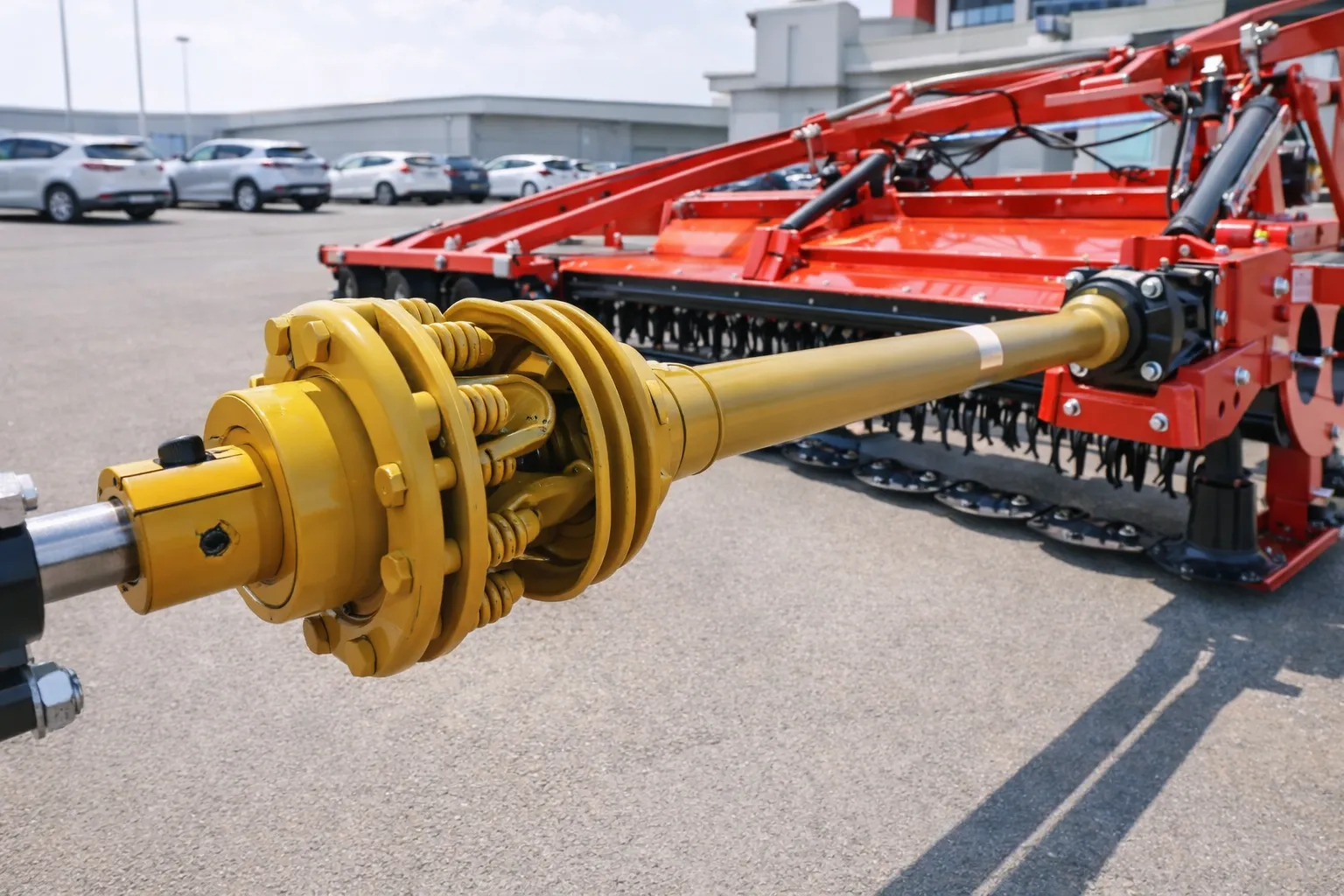
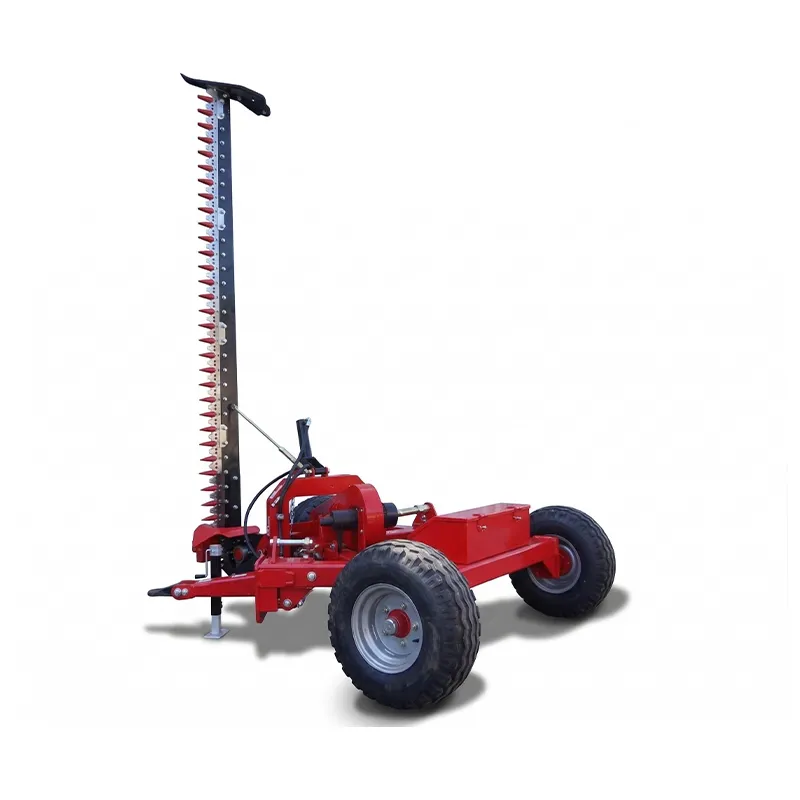
The mowing and conditioning settings that minimize leaf loss and preserve drying rate without over-drying are in the 刈り取りと干し草の品質調整に関するガイド. For round baler systems with net wrap and density monitoring suited to horse-market production, browse our 丸型ベーラー. The complete net wrap selection guide — including ply count, stretch percentage, and UV resistance ratings — is in the 丸型ベーラー用ネットラップ選定ガイド. The mower-conditioner PTO driveline specifications that govern conditioning roller speed and intensity are in 農業用ギアボックスおよびPTO駆動系部品の仕様.
The Horse Hay Forage Test: Which Analysis Package Closes Sales
The forage test report is the document that converts a horse buyer’s willingness to pay a premium into an actual transaction. Without the right test package, you cannot substantiate the NSC claim that justifies your pricing, and knowledgeable horse buyers will not accept a verbal claim about sugar content. The right test package adds $8–$12 to laboratory cost and $40–$80 per ton to your selling price — one of the clearest positive ROI decisions in hay production.
- 乾物と水分
- 粗タンパク質(CP)
- ADFとNDF
- WSC (water-soluble carbohydrates)
- Starch (to calculate NSC = WSC + Starch)
- Equine digestible energy (DE, not cattle DE)
- Calcium and phosphorus (Ca:P ratio)
- All standard panel items
- Ash content (soil contamination indicator)
- Mycotoxin screen (mold toxins, relevant for respiratory-sensitive horses)
- Nitrates (relevant where high nitrogen fertilizer used)
- Magnesium and selenium (specific equine supplementation planning)
Marketing Horse Hay: Channels, Pricing, and Building Loyal Buyers
Boarding barns and training facilities with 10–30 horses are the ideal horse hay buyer. They purchase consistently throughout the year, value quality and reliability over price alone, and will pay $110–$200/ton in premium markets for documented hay. Building 5–8 stable accounts that collectively buy 600–1,000 bales per cutting creates the most stable revenue base in equine hay marketing.
Highest-quality, highest-price end of the horse hay market. Show horse operators pay $150–$220/ton for consistently tested, documented timothy or orchardgrass that meets their nutrition program. The requirement: every lot must test consistently — these buyers formulate precise rations and cannot absorb quality swings. NSC testing and lot-by-lot consistency are non-negotiable.
Rehabilitative and rescue facilities often have high fractions of metabolic horses requiring low-NSC hay. They are price-sensitive but volume-consistent buyers who value low-NSC documentation more than visual appearance. These operations pay $90–$140/ton for well-documented low-NSC hay and rarely have the budget for premium pricing — but provide reliable base volume that stabilizes production economics.
Facebook regional horse hay groups, EquineNow.com, and Craigslist farm sections reach individual horse owners buying 1–5 bales at a time who pay retail prices ($20–$35/bale for 4×4) — the highest price-per-ton channel. Requires more individual transactions but no minimum volume commitment. Post the forage test report image alongside the listing — documented listings consistently sell faster and at higher per-bale prices.
Horse Hay Storage: The 90-Day Quality Preservation Protocol
Horse hay quality at delivery is what was produced at cutting, minus whatever degraded in storage. For NSC-sensitive buyers who purchased based on a test result from the time of baling, hay that has heated or absorbed moisture during storage may deliver a different NSC value at feedout than the test certificate shows. Storage management is the final quality gate before the hay reaches the horse.
Horse hay stored outdoors on bare ground loses 10–20% dry matter from the outer layer through moisture infiltration — and that outer layer is what the horse owner first sees when the bale is opened. The browning, discoloration, and musty smell of weather-degraded outer bale material is the source of the majority of horse buyer quality complaints on outdoor-stored hay. Covered storage on a gravel or concrete pad, with bales elevated off the ground surface, is the production standard for any operation selling into horse markets above commodity price levels.
WSC (the sugar component of NSC) decreases slowly during storage — hay stored for 3–6 months typically shows 15–25% lower WSC than at baling due to continued metabolic activity in the plant tissue during the first weeks post-baling. This is generally positive for metabolic horse buyers — aged hay is often lower in WSC than fresh hay. The important implication: test the hay close to delivery time if you will be marketing the NSC value, not just at baling time, for hay that will be stored more than 60 days.
The complete dry matter loss prevention protocol for round bale storage — including pad design, stacking patterns, and ventilation guidelines — is in the 丸型ベール保管ガイド.
Horse Hay Production FAQs
Get Baler Settings Optimized for Horse-Market Hay Quality
Tell us your target crop, cutting number, desired baling moisture range, and market segment (direct stable, show facility, or metabolic horse buyers). We confirm the density settings, net wrap configuration, and storage preparation that protects horse-market quality from field to delivery.
編集者: Cxm