
예초기 겸 건조기는 절단과 줄기 건조 작업을 한 번에 수행합니다. 롤러 압착이나 플레일 분쇄와 같은 건조 과정은 작물 줄기의 왁스질 큐티클 층을 파괴하거나 갈라지게 하여 밭에서 건조하는 동안 수분이 더 빨리 빠져나가도록 합니다. 알팔파의 경우, 건조 과정을 거치면 일반 예초기로 72시간이 걸리던 건조 시간이 동일한 기상 조건에서 36~48시간으로 단축됩니다. 이러한 시간 절약은 건조 속도가 중요한 모든 작업에서 일반 디스크 예초기나 낫 예초기보다 예초기 겸 건조기를 선택해야 하는 가장 큰 경제적 이유입니다.
일반 잔디깎이로는 할 수 없는, 컨디셔닝이 제공하는 이점은 무엇일까요?
식물 줄기를 자르면 수분 손실의 주된 경로는 잘린 단면을 통해서입니다. 하지만 이는 작물을 안전하게 건초로 만들기 전에 제거해야 하는 수분의 극히 일부에 불과합니다. 나머지 수분은 줄기 표면을 통해 증발해야 하는데, 줄기 표면은 큐티클층으로 보호되어 있어 증발 속도를 상당히 늦춥니다. 따라서 갓 자른 건초 더미는 겉보기에는 건조해 보이지만 줄기 내부에는 여전히 30~40T의 수분이 함유되어 있을 수 있습니다.
컨디셔닝은 큐티클층을 기계적으로 파괴합니다. 롤러 방식과 플레일 방식 모두 예초 후 잘린 줄기에 물리적인 힘을 가하여 왁스질 표면에 균열, 흠집 또는 마모된 부분을 만들어 수분이 훨씬 빠르게 빠져나가도록 합니다. 그 결과, 작물은 표면에서 환경으로의 수분 확산에만 의존하지 않고 내부에서부터 건조됩니다.
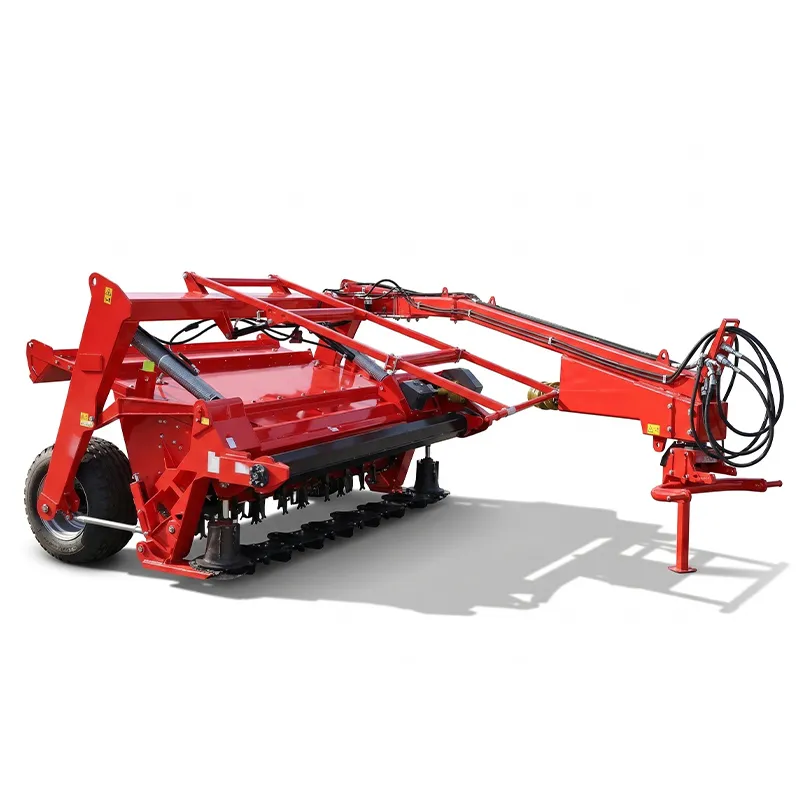
이러한 건조 속도 향상의 실질적인 가치는 여러 번 수확하는 알팔파 재배 프로그램에서 가장 두드러지게 나타납니다. 한 시즌에 4번 수확하는 시스템에서는 건조 기간을 하루라도 단축할 때마다 전체 시즌에 걸쳐 상당한 이점을 얻을 수 있습니다. 예초 후 30~36시간 이내에 2차 및 3차 수확 알팔파를 일관되게 베일로 만들 수 있는 농장은 일반 예초기를 사용하여 작물을 안전하게 베일로 만들 수 있을 때까지 60시간 이상 기다려야 하는 인근 농장에 비해 기상 조건에 대한 위험 부담이 훨씬 적습니다.
롤러 컨디셔닝: 작동 원리 및 작물에 미치는 영향
롤러 컨디셔닝 시스템은 예초기 절단 장치 바로 뒤에 위치한 두 개의 역회전 롤(일반적으로 고무, 고무 코팅 강철 또는 맞물리는 강철로 제작됨)을 사용합니다. 잘린 작물이 두 롤러 사이의 꺾이는 지점을 통과할 때, 롤은 줄기에 압축력을 가하여 줄기 길이를 따라 일정한 간격으로 주름을 만듭니다. 이 주름은 큐티클층에 일련의 응력 균열을 발생시켜 수분 손실을 급격히 가속화합니다.
고무 롤러는 현대식 예초기 겸 건조기에 가장 흔하게 사용되는 방식입니다. 강철 롤러보다 부드러운 건조 작용을 하며, 알팔파나 클로버처럼 줄기가 가는 작물의 잎 손상을 줄여줍니다. 롤러 간격은 일반적으로 0~8mm로 조절 가능하며, 간격을 좁게 설정하면 더욱 강력한 건조 작용을 하고, 간격을 넓게 설정하면 섬세한 작물이나 이미 건조한 환경에서 과도한 건조로 인해 작물이 건조대에 도달하기 전에 잎이 부서지는 것을 방지할 수 있습니다.
미국 건초 생산자에게 롤러 컨디셔닝의 가장 큰 장점은 식물을 잘게 찢거나 조각내지 않고 줄기만 컨디셔닝한다는 점입니다. 잘린 작물은 긴 줄기, 붙어 있는 잎, 뭉쳐진 형태 등 물리적 구조가 거의 온전한 상태로 롤러를 통과합니다. 이는 특히 잎의 온전성이 시장 등급과 가격을 결정하는 알팔파에 매우 중요합니다.
플레일 컨디셔닝: 작동 원리 및 장점
플레일 컨디셔닝 시스템은 예초기 절단 장치 뒤쪽에 위치한, 자유롭게 회전하는 플레일 요소(고무 패들, Y자형 플레일 또는 체인형 비터)를 장착한 고속 회전 로터를 사용합니다. 로터는 분당 1,000~1,500회전(RPM)으로 회전하며, 작물이 통과할 때 플레일 요소가 줄기 표면을 치고 마모시키고 찢습니다. 이는 롤러 크림핑보다 더 강력한 컨디셔닝 방식입니다.
그 결과, 옥수수 사일리지와 사료작물을 혼합 파종한 작물, 수수-수단그라스 잡종, 왁스질 큐티클을 가진 빽빽한 풀 종류와 같이 줄기가 두꺼운 작물에서 탁월한 수분 손실률을 보이는 컨디셔닝 공정이 가능해집니다. 이러한 작물에서는 롤러 컨디셔닝만으로는 큐티클에 효과적으로 침투하기 어려울 수 있습니다. 또한, 플레일 컨디셔닝은 쓰러지거나 엉킨 작물에서 롤러 쌍이 모든 줄기에 고르게 접촉하지 못하는 경우에도 더욱 균일한 컨디셔닝 효과를 제공합니다.
단점은 플레일 제초기가 잎 조직에 더 강한 손상을 준다는 것입니다. 알팔파, 붉은 클로버, 새발톱풀처럼 잎이 섬세한 콩과 식물의 경우, 플레일의 고속 충격으로 인해 잎이 부서져 동일한 작업 속도에서 롤러 제초기에 비해 수확량과 품질이 저하될 수 있습니다. 하지만 순수 목초 건초 생산이나 목초와 콩과 식물이 혼합된 재배지처럼 잎이 부서지는 것이 크게 문제가 되지 않는 경우에는 플레일 제초기가 적합하며, 경우에 따라서는 더 나은 선택이 될 수 있습니다.
작물 종류별 관리 강도: 적합한 시스템 선택하기
다음 표는 롤러 및 플레일 건초 조절 시스템을 건초 조절 강도 축에 배치하고 미국에서 가장 일반적인 네 가지 건초 및 사료 작물 유형에 걸쳐 성능을 평가합니다.
| 작물 종류 | 롤러 컨디셔닝 (약함-중간 정도) |
플레일 컨디셔닝 (온건-공격적) |
메모 |
|---|---|---|---|
| 알팔파(콩과 식물) | ✔ | ⚠ | 롤러를 사용하는 것이 강력히 권장됩니다. 잎 구조가 섬세하여 플레일 건조 방식은 잎 파손 위험이 높습니다. 고급 알팔파에서 10%의 잎 손실은 시장 가치 하락으로 직결됩니다. 잎 파손 없이 빠른 건조를 위해서는 롤러 간격을 1~3mm로 좁게 유지해야 합니다. |
| 오차드그래스/티모시(냉온성 잔디) | ✔ | ✔ | 두 시스템 모두 줄기가 가는 냉량기 목초에 효과적입니다. 롤러는 말 건초 품질 목표에 더 부드럽게 작용하며, 플레일은 건조 속도가 약간 빠르지만 건초가 다소 잘게 부서지는 단점이 있습니다. |
| 버뮤다그래스(따뜻한 계절에 자라며, 큐티클이 왁스질임) | ⚠ | ✔ | 버뮤다그래스는 두껍고 왁스질의 큐티클층을 가지고 있어 일반적인 간격 설정의 롤러 컨디셔닝으로는 큐티클층까지 완전히 침투하지 못할 수 있습니다. 플레일 컨디셔닝은 더 높은 에너지로 표면을 마모시켜 큐티클층을 효과적으로 파괴하며, 특히 코스탈(Coastal) 및 티프턴(Tifton) 품종에서 이러한 효과가 두드러집니다. |
| 호밀 / 피복작물 (수분 함량이 높고 줄기가 빽빽함) | ⚠ | ✔ | 깃잎 단계의 호밀은 수분 함량이 75~80%일 때 줄기가 두껍고 단단하여 플레일 제초기로 강하게 건조하는 것이 좋습니다. 롤러 제초로는 피복작물 수확에 필요한 7~14일이라는 짧은 기간 내에 빠른 건조가 어려울 수 있습니다. |
✔ = 해당 작물에 적합한 최적의 조건 유지 시스템 | ⚠ = 주의해서 사용하거나 적절한 성능을 위해 설정 조정이 필요함
작업 폭 선택: 작업에 필요한 폭을 계산하는 방법
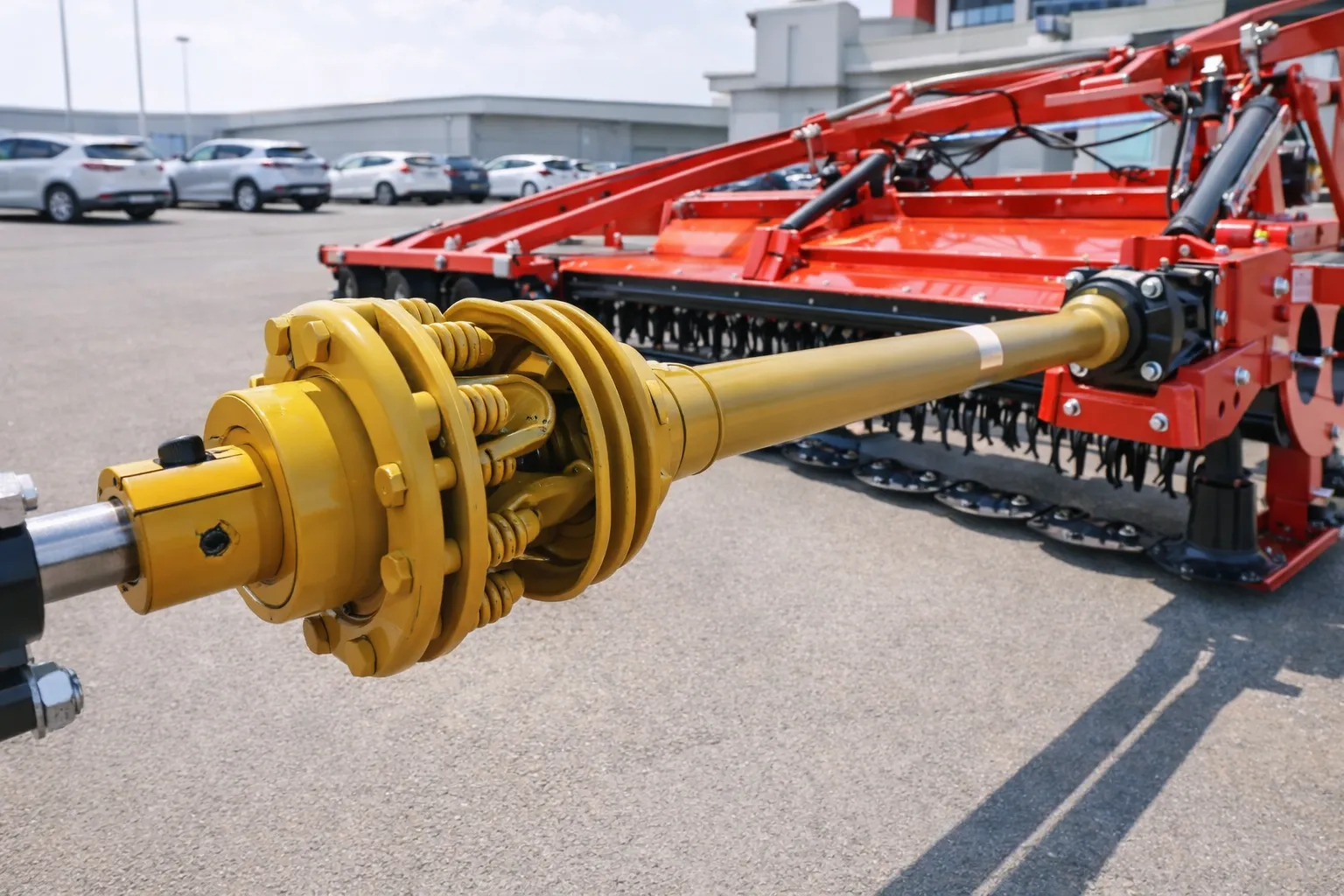
잔디깎이 겸용 컨디셔너의 작업 폭 선택은 총 경작 면적, 각 예초 작업에 적합한 기상 조건, 그리고 시스템에 연결된 베일러와 레이크의 용량이라는 세 가지 요소가 복합적으로 작용하여 결정됩니다.
가장 먼저 고려해야 할 사항은 예초 가능 기간입니다. 만약 300에이커(약 121헥타르)의 알팔파를 관리하고, 비가 오지 않는 안정적인 기간이 보통 3일이라면, 그 기간 안에 300에이커 전체를 예초할 수 있는 시스템이 필요합니다. 시속 12km의 주행 속도와 3.2m의 예초 폭을 가진 예초기는 밭의 형태에 따라 시간당 약 2.7~3.0헥타르를 예초할 수 있습니다. 8시간 작업 기준으로 21~24헥타르를 예초할 수 있으며, 이는 한 대의 장비로 3일 동안 총 65~72헥타르를 예초할 수 있다는 의미입니다. 300에이커(약 121헥타르)의 경우, 3.2m 예초 폭의 장비 한 대로 전체 면적을 예초하려면 5일이 걸리는데, 이는 안정적인 기상 기간을 초과할 수 있습니다.
이러한 계산 때문에 150~200에이커 이상의 작업에서는 폭이 좁은 기계 두 대를 사용하거나 폭이 넓은 기계 한 대를 사용하는 경우가 많습니다. 구매 전에 폭과 작업 면적의 관계를 이해하면 작업 속도에 맞지 않는 기계를 구입하는 흔한 실수를 방지할 수 있습니다.
하류 공정과의 호환성 요구 사항 또한 매우 중요합니다. 예초기 겸 건조기의 예초 폭은 갈퀴질 후 베일러 픽업 폭과 15~20% 이내로 일치해야 합니다. 일반적으로 3.2m 예초 폭은 갈퀴질 후 표준 베일러 픽업으로 직접 픽업하기에 적합한 1.0~1.4m 너비의 윈드로우를 형성합니다. 잔디 깎기 및 컨디셔닝 품질 가이드 이 책은 예초부터 베일 제작까지의 전체 작업 과정을 다루며, 각 단계별 예초 폭 관리 방법에 대한 자세한 내용을 포함합니다.
9GQY-3.2 잔디깎이 겸용 컨디셔너: 사양 및 트랙터 호환성
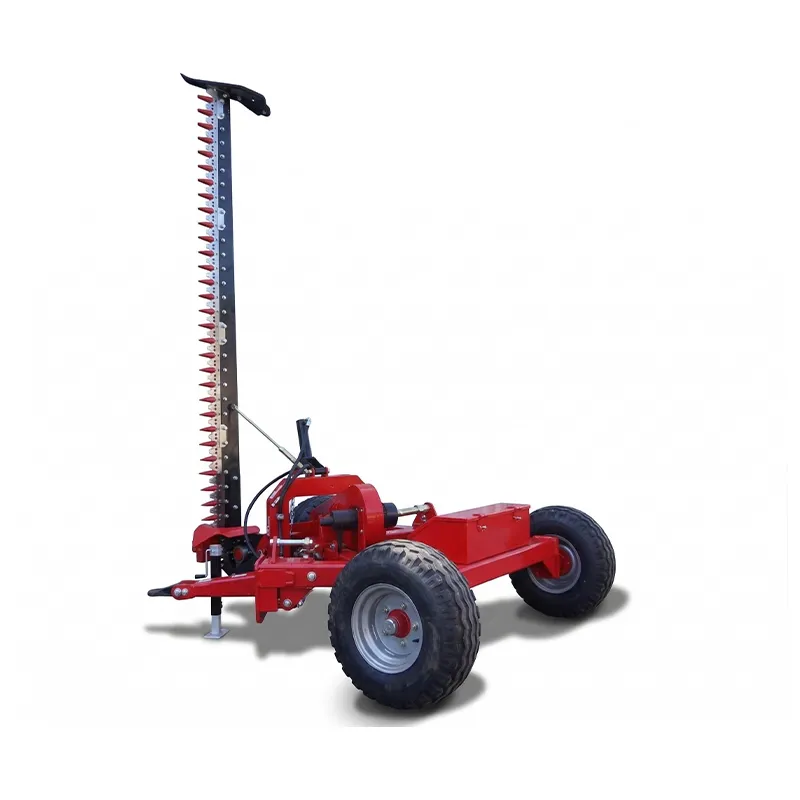
그만큼 9GQY-3.2 잔디깎이 겸용 컨디셔너 이 장비는 통합 롤러 컨디셔닝 시스템을 통해 3.2m의 작업 폭을 제공하며, 위의 폭 계산 예시와 정확히 일치합니다. 3.2m의 절단 폭과 권장 작업 속도 10~14km/h에서 일반적인 경작 조건에서 시간당 약 2.8~3.2헥타르의 유효 작업량을 생산합니다.
9GQY-3.2의 롤러 컨디셔닝 시스템은 조절 가능한 간격 설정이 가능한 맞물림식 고무 코팅 롤을 사용하여 작업자가 연약한 콩과 식물 잎을 위한 가벼운 압착부터 줄기가 굵은 목초 품종을 위한 강력한 압착까지 컨디셔닝 강도를 조절할 수 있도록 합니다. 이러한 조절 기능은 한 시즌 동안 동일한 장비로 알팔파와 냉량기 목초를 모두 재배하는 미국 농장에서 매우 중요한 특징입니다.
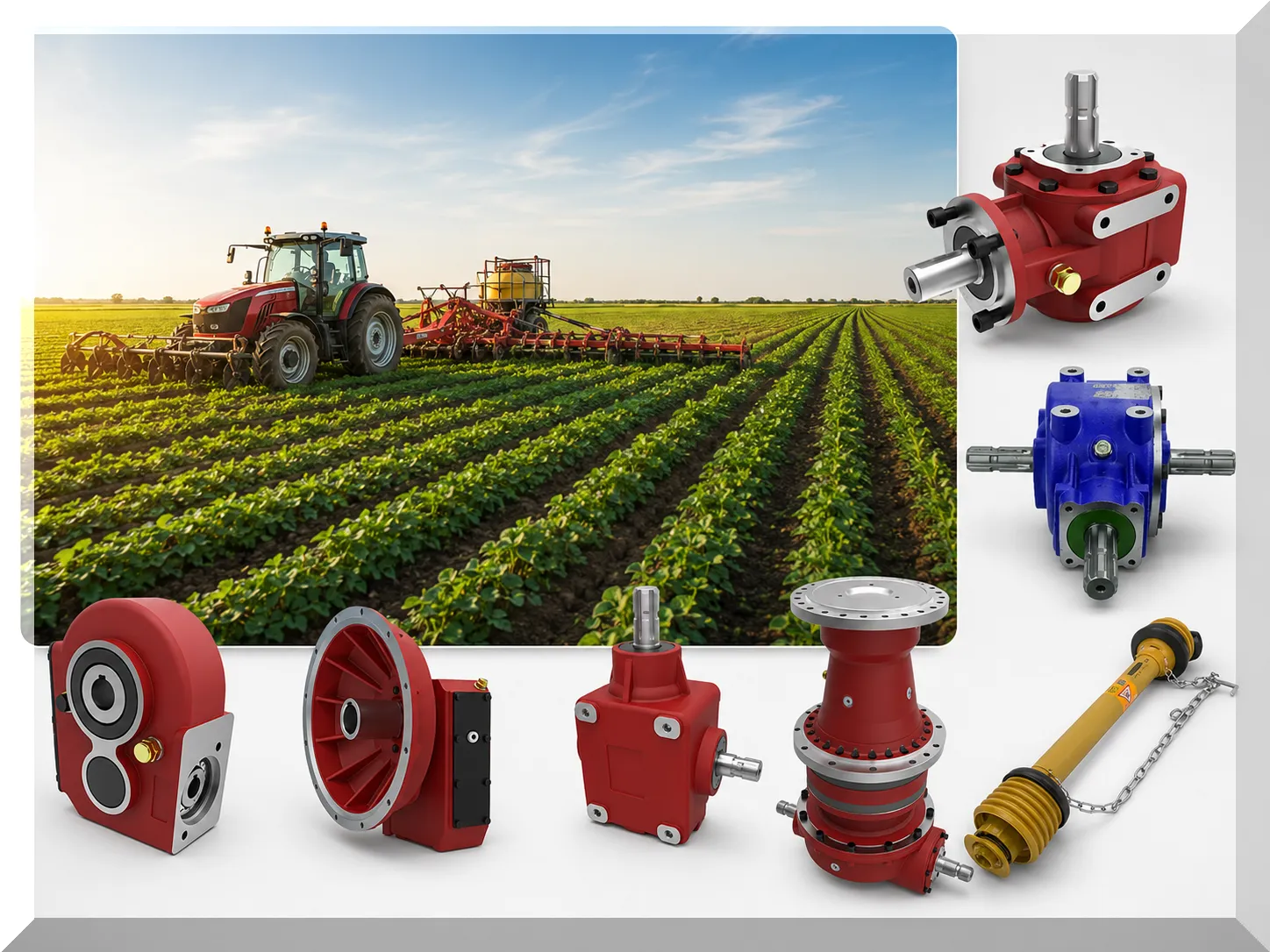
이 기계는 표준 3점식 후방 히치(카테고리 II 연결)를 통해 연결됩니다. PTO 요구 사항은 연속 정격 출력 시 540rpm이며, 고수확 초벌 작물에서 최대 작업 속도로 지속적인 작동을 위해서는 최소 65마력의 트랙터가 권장됩니다. 농업용 변속기 및 구동 부품 잔디깎이 겸용기의 구동계는 단일 입력축을 통해 PTO 동력을 디스크 절단 장치와 롤러 컨디셔닝 시스템 모두에 전달합니다.
건조 시간: 컨디셔닝이 현장 경화 시간을 실제로 얼마나 단축시킬까요?
미국 내 여러 국립 농과대학에서 수행한 알팔파 건조 관련 연구 결과는 중서부 및 서부 지역의 일반적인 건초 생산 조건에서 다음과 같은 범위를 일관되게 보여줍니다.
| 잔디 깎는 방법 | 18% 수분 함량까지의 일반적인 경화 시간 | 날씨 의존성 |
|---|---|---|
| 일반 디스크형 잔디깎이 (컨디셔닝 기능 없음) | 60~90시간 | 높은 온도 - 햇볕이 잘 들고 습도가 낮아야 합니다. |
| 잔디깎이 컨디셔너(롤러, 표준 설정) | 36~48시간 | 보통 수준 - 하룻밤 사이에 이슬이 한 번 내리는 것은 문제없이 견딜 수 있으며, 조리 시간을 재설정할 필요가 없습니다. |
| 잔디깎이 기계 (플레일, 버뮤다그래스용) | 24~36시간 | 낮은 - 표면의 급격한 파괴로 인해 높은 습도에서도 수분 손실이 발생합니다. |
건조 시간은 일일 평균 기온 25°C, 건조 기간 동안 상대 습도 50~60±5T, 수확량 3~5t DM/ha를 기준으로 합니다. 수확량이 많거나, 기온이 낮거나, 습도가 높을 경우 위의 모든 수치가 비례적으로 증가합니다.
롤러 간극 조정 및 유지 보수
예초기 겸 사료건조기의 롤러 간격은 사료건조 품질에 가장 큰 영향을 미치는 일일 조정 사항입니다. 간격이 너무 넓으면(6mm 이상) 줄기가 굵은 작물의 건조가 불완전해지고, 간격이 너무 좁으면(1mm 미만) 연약한 콩과 식물의 잎이 부서질 위험이 있습니다. 적절한 설정은 예초 시점의 작물 수분 함량과 사료의 최종 용도에 따라 달라집니다.
미국 건초 재배 프로그램의 일반적인 롤러 간격 지침: 첫 번째 수확 시 알팔파(수분 함량이 높고 줄기가 굵음) - 1~3mm로 좁게 설정; 이후 수확 시 알팔파(수분 함량이 낮고 줄기가 얇음) - 2~4mm; 오차드그래스 또는 티모시 - 2~4mm; 버뮤다그래스 - 큐티클 파괴를 극대화하기 위해 1~2mm.
롤러 유지보수는 고무 롤 표면의 마모 홈, 평평한 부분 또는 균열 여부를 주기적으로 검사하는 것을 포함합니다. 마모된 고무 롤 표면은 안정적인 압착에 필요한 일관된 접촉을 감소시켜 작물이 적절하게 압착되지 않고 통과하게 되며, 결과적으로 작물 전체에 걸쳐 건조 속도가 고르지 않게 됩니다. 사용 시간이 많은 예초기 컨디셔너의 경우, 매년 육안 검사와 제조업체의 최소 사양 대비 롤 직경 측정은 표준적인 시즌 전 유지보수 작업입니다.
자주 묻는 질문
경작 면적, 작물 종류, 트랙터 마력을 알려주시면 적절한 폭을 계산해 드립니다.
50에이커의 알팔파 재배지든 400에이커의 혼합 목초-콩과 식물 건초 재배지든, 저희 미국 팀은 고객님의 재배 방식, 트랙터, 그리고 기상 조건에 가장 적합한 건초 가공 시스템과 작업 폭을 찾아드립니다. 공장 직송 가격으로 캘리포니아 창고에서 바로 구매 가능하며, 대리점 마진이 없습니다.
편집자: Cxm


