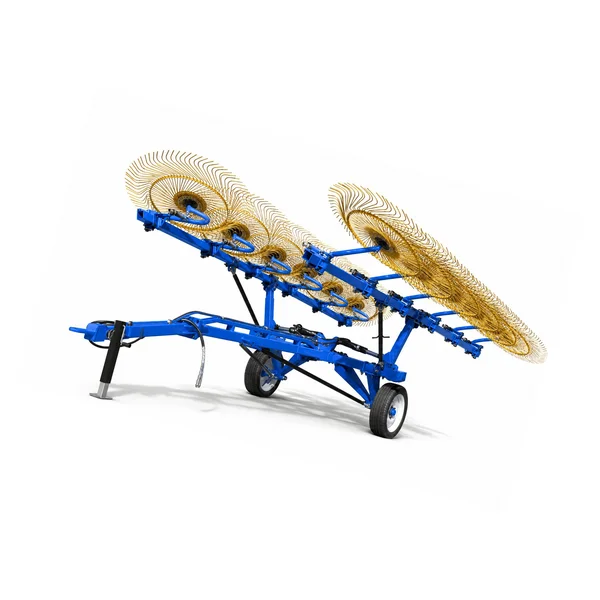
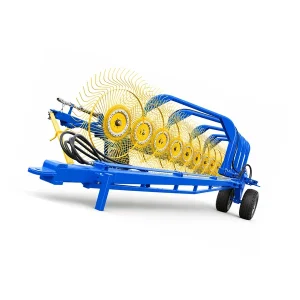
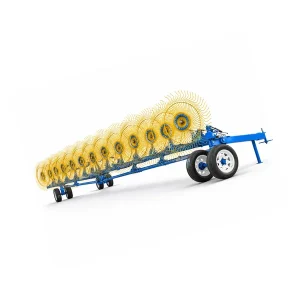
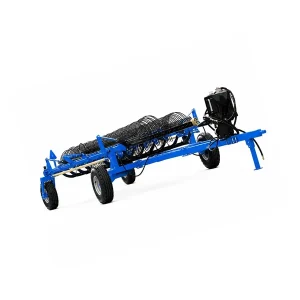
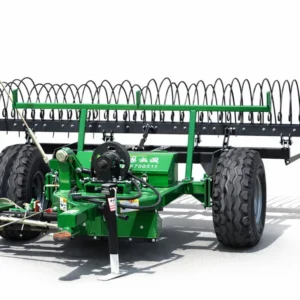
9LZ-6.0 핑거휠 건초갈퀴 | 12륜 V형 갈퀴 6m

그만큼 9LZ-6.0 finger wheel hay rake is a twelve-disc ground-driven V-rake designed for the hay operation that has outgrown its rotary rake but does not yet need the capital investment and HP requirements of a full-width commercial 9-meter machine. With 720 spring tines across 12 independent floating discs, a 6.0-meter working width, and a ≥25 kW (35 HP) tractor minimum, the 9LZ-6.0 brings the leaf-gentle, windrow-consistent performance of a commercial finger wheel hay rake within reach of farms running compact and utility tractors — the tractor class that powers most of the 50 to 200 hectare hay programs in the U.S.

카테고리:

Why Operations Upgrade from Rotary Rakes to the 9LZ-6.0 Finger Wheel Design

6.0 m
working width
12
finger discs
720
spring tines
35 HP
min. tractor
7.2 ha/hr
peak output
유급휴가 없음
ground-driven

The rotary rake is the most common entry-level hay rake sold in the U.S. compact tractor market, and it works adequately for operations under 50 hectares baling a single crop type at low annual volume. When annual hay acreage grows past 50 to 75 hectares, or when the primary crop shifts to alfalfa where leaf loss rates directly affect bale value, rotary rakes consistently produce two problems that accumulate season by season: poor windrow uniformity and above-acceptable leaf shatter.

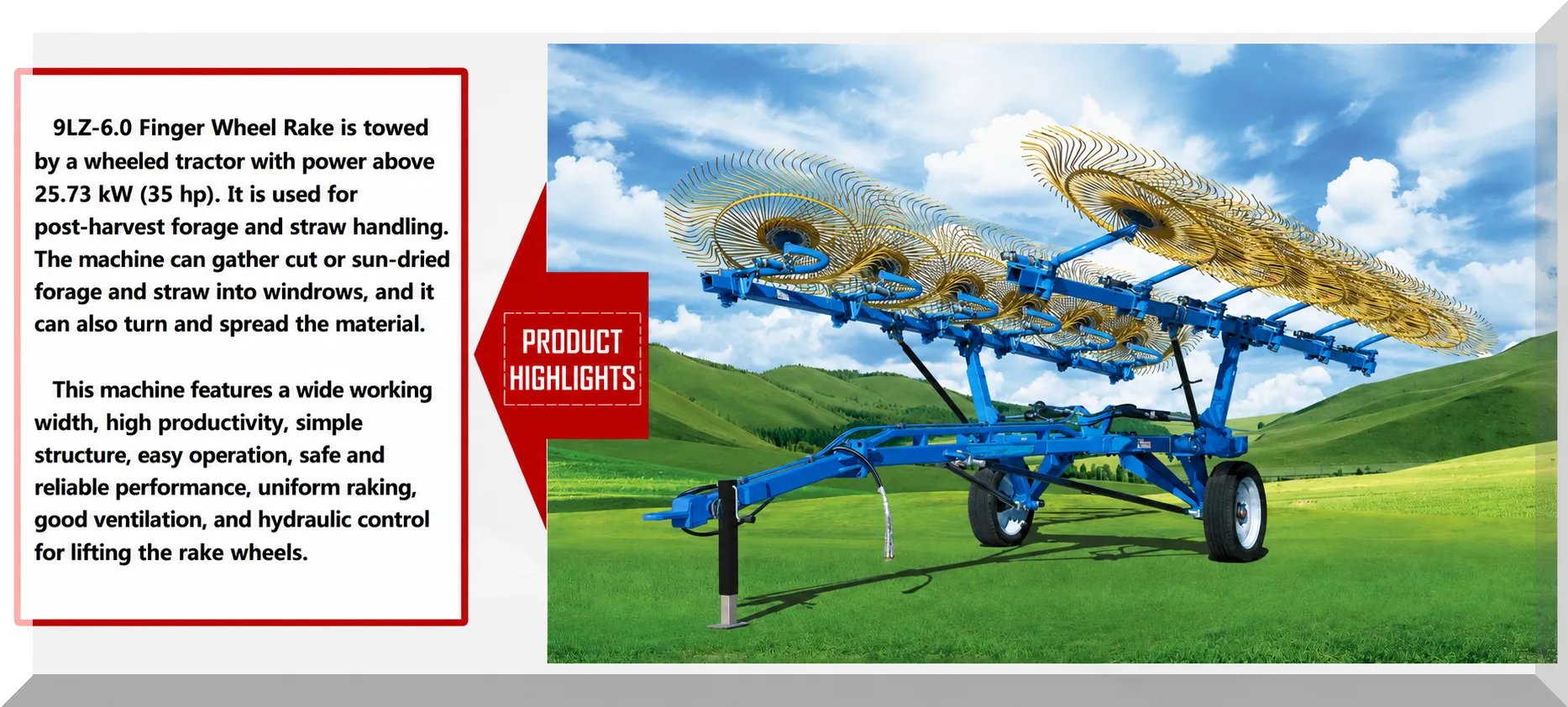
9LZ-6.0 Finger Wheel Hay Rake Highlights

The 9LZ-6.0 addresses both problems through the finger wheel disc mechanism, which is mechanically superior to rotary drum designs in three measurable ways:

Rotary Drum / Star Wheel Rake

High leaf shatter on legumes. Rotating drum tines impact crop from above and drag it laterally. On alfalfa below 40% moisture, this dragging action fractures leaf petioles — the most protein-dense part of the plant — and deposits them on the field surface rather than in the windrow.

Inconsistent windrow density. Rotary drums engage the entire swath width with each drum pass rather than lifting progressively. Surge-and-gap windrow density variation causes bale chamber fill inconsistency, which produces irregular bale shapes and lower average density per bale.

Poor performance on rocky ground. Drum tines must contact the ground surface to rake effectively. On rocky or uneven stubble fields, drum tines catch and break on surface obstacles rather than deflecting around them.

Lower initial cost. Rotary rakes remain the lowest-cost entry point in the rake market. For very low annual volume on a single grass crop, the cost difference may not be recovered in hay quality premiums.
9LZ-6.0 Finger Wheel V-Rake

≤2% raking loss on alfalfa. Spring tines lift from beneath the crop mat at a shallow entry angle. The lifting motion — rather than dragging — detaches and elevates the forage without the impact force that fractures leaf tissue. Alfalfa leaf retention with finger wheel rakes is consistently 3 to 5 percentage points better than with rotary drum designs.

Uniform windrow density, every pass. 12 independent discs each process a 500 mm column of crop progressively as the tractor moves forward. The continuous, even engagement creates a windrow of consistent density across its full length — no surge-and-gap variation.

Spring-tine rock tolerance. Each of the 720 tines deflects elastically when it contacts a rock or hard obstacle, then returns to its working position without breaking. Ground-driven independent disc mounting allows each disc to ride over hard obstacles without rigid shock transmission to the frame or hub.

Same 35 HP requirement as a comparably sized rotary rake — no additional tractor investment required to make the upgrade.
For alfalfa operations specifically: A 3 to 5 percentage point improvement in leaf retention across 150 bales per year at $90/bale equals $405 to $675 recovered annually from hay quality alone — typically more than enough to justify the price difference between a rotary rake and the 9LZ-6.0 in the first season.

기술 사양

All values are factory-rated. The 9LZ-6.0 requires only a standard drawbar hitch and one rear SCV hydraulic outlet for lift/lower. No PTO shaft. No electrical harness beyond optional lighting. Any tractor from approximately 35 HP upward with hydraulic remotes can operate this machine.

아니요. 매개변수 단위
1 모델 / 9LZ-6.0
2 히치 타입 / Drawbar (towed)
3 Drive Type / Ground-driven — no PTO required
4 작업 폭 미터(피트) 6.0 (19.7 ft)
5 Disc (Wheel) Quantity 12
6 Spring Tines per Disc 60
7 Total Spring Tines 720
8 Windrow Width m (in) 0.8–1.4 (31.5–55.1 in)
9 필요한 트랙터 출력 kW(HP) ≥ 25 (≈ 35 HP)
10 작업 속도 킬로미터/시 (mph) 7–12 (4.3–7.5 mph)
11 생산력 ha/hr (ac/hr) 4.2–7.2 (10.4–17.8 ac/hr)
12 Raking Loss Rate % ≤ 2
13 기계 무게 kg (파운드) ~800 (1,764 lb)

35 HP: The Most Accessible Commercial Hay Rake Tractor Requirement Available

Most commercial hay rakes in the 6-meter and larger width class specify tractor power requirements of 55 HP or above. The 9LZ-6.0's 35 HP minimum is possible because the ground-driven disc mechanism draws zero power from the tractor beyond towing — all 720 tines spin from ground contact without any PTO, hydraulic motor, or belt drive extracting engine power. The tractor's engine must provide only the drawbar pull to move approximately 800 kg of machine at 7 to 12 km/h working speed.

This 35 HP floor opens the 9LZ-6.0 to a tractor class that the majority of smaller U.S. farm operations already own. The following models are confirmed compatible:

35–45 HP Compact
Kubota B3350 / B2650
John Deere 3038E / 3046R
Mahindra eMax 35
LS Tractor MT342
Kioti CK3510
Yanmar SA424
✔ Functional on flat-moderate terrain
45–60 HP Utility
Kubota MX5400 / M5660
John Deere 4052R / 5055E
New Holland Workmaster 50
Massey Ferguson 1754E
Case IH Farmall 50A
Kioti DK4510
✔ Comfortable on any terrain
60–75 HP Mid-Range
Kubota M7060
John Deere 5065E / 5075E
NH T4.75 / T5.90
Massey MF 5711
Case IH Farmall 65C
Kioti DK5510
✔ Overspecified — fully functional

The single-tractor hay workflow

On a single-tractor operation, the 35 HP floor means the same 40 to 55 HP utility tractor handles every step in the hay program: connect the mower, cut; swap to the rake, windrow; swap to the forage baler, bale. The 9LZ-6.0 adds no tractor upgrade requirement to that workflow. Its ground-driven mechanism also leaves the rear PTO completely free — so if your workflow runs the baler and rake sequentially on the same machine, there is no PTO reconfiguration between implements.

1
tractor needed
for the whole system

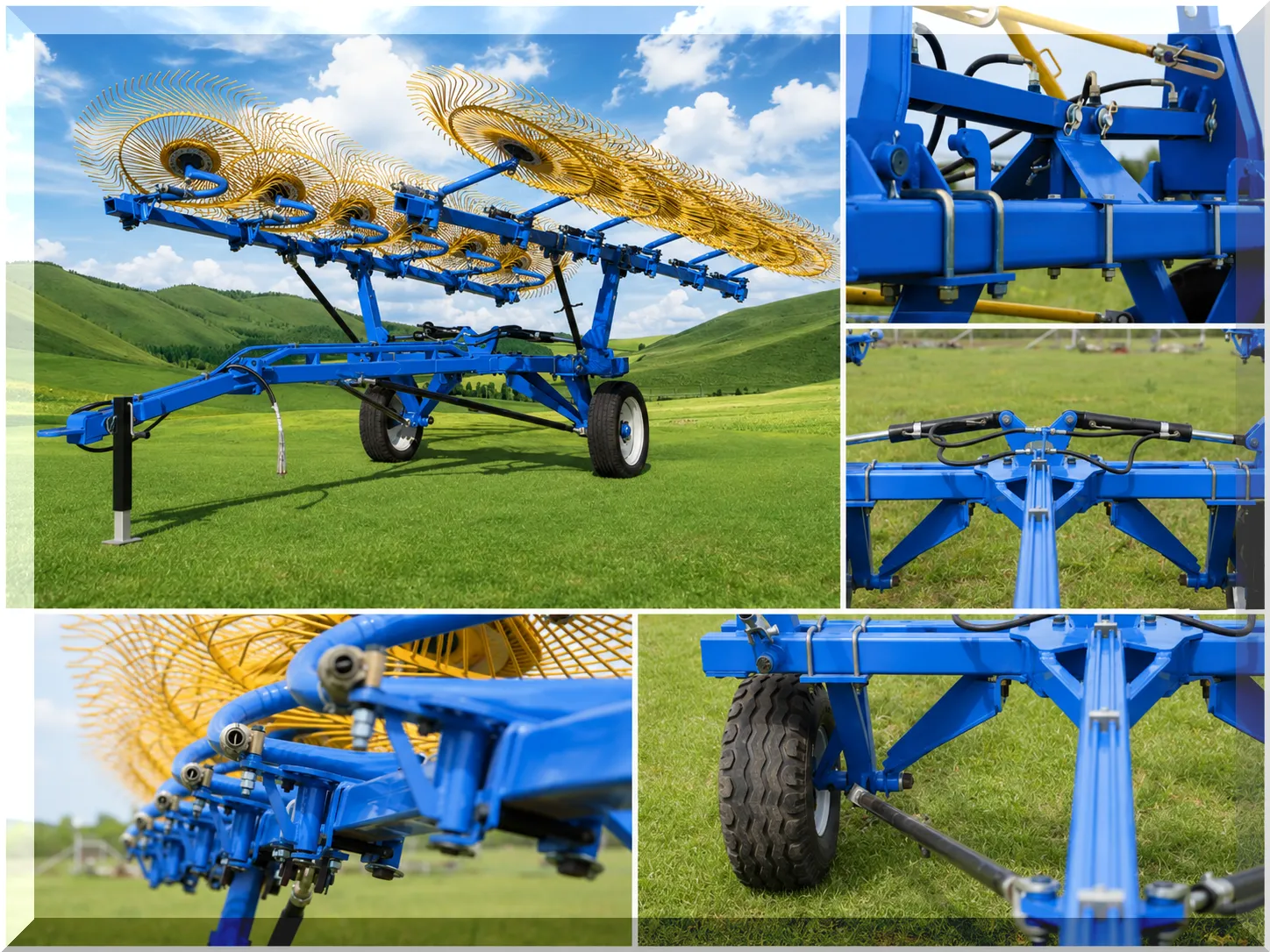
9LZ-6.0 Finger Wheel Hay Rake Detail

Why 6 Meters Is the Right Width for Most Mid-Size Operations — Not 9

One of the most common purchasing errors in the hay rake market is overspecifying width. The logic runs: "if I'm upgrading anyway, I may as well buy the largest machine so I don't have to upgrade again." That reasoning makes sense for implements that hold value through utilization — tractors, trucks, harvesting equipment. It does not apply to towed field implements that sit idle between cuttings.

The practical problem with overspecifying rake width is that the time saved per pass by a wider machine is only recovered if the annual raking volume is high enough to produce a meaningful number of passes. At 100 hectares per year with three cuttings (300 ha total annual raking area), the difference between a 6-meter rake and a 9-meter rake is approximately 23 raking hours per year — less than three full working days. At the capital cost premium for a 9-meter commercial machine, those 23 hours do not pay back for years.

Annual Program 9LZ-6.0 hrs/yr
(@ 5.5 ha/hr)
9LZY-9.0 hrs/yr
(@ 7.5 ha/hr)
Annual Hours Saved 평결
50 ha, 3 cuts = 150 ha 27 hrs 20 hrs 7 hrs/yr → 9LZ-6.0 optimal
100 ha, 3 cuts = 300 ha 55 hrs 40 hrs 15 hrs/yr → 9LZ-6.0 optimal
150 ha, 3 cuts = 450 ha 82 hrs 60 hrs 22 hrs/yr → Borderline — evaluate weather window risk
250 ha, 3 cuts = 750 ha 136 hrs 100 hrs 36 hrs/yr → Consider 9LZY-9.0
The weather-window caveat: The right-sizing table above is for operations where a single cutting can be raked across multiple days without quality risk. If your operation is in a high-rain-risk region (Great Lakes, Northeast, Pacific Northwest) where the window from dry windrow to rain event is commonly 36 to 48 hours, the additional raking speed of a wider machine reduces weather exposure risk — which may justify the upgrade regardless of annual hour savings. Discuss your regional weather profile with our U.S. team when selecting between 6-meter and 9-meter options.

9LZ-6.0 Finger Wheel Hay Rake Application

The 9LZ-6.0 in a Typical 100-Acre Small-Farm Hay Program

A 100-acre mixed alfalfa and grass farm in the Midwest running three cuttings per year produces approximately 350 to 450 bales annually. Here is what the 9LZ-6.0 hay rake's role looks like on that operation across a full calendar year:

First Cutting
Late May – Early June
Mow 100 acres over 2–3 days with the mower
9LZ-6.0 rakes all 100 acres in approximately 18–20 hrs (2.5 working days at 7 hrs/day)
Baler follows on raked windrows
~150 bales from this cut at 1.25 bales/acre
Second Cutting
Mid July – Late July
Summer heat increases drying speed — raking may follow mowing same day
9LZ-6.0 rakes 100 acres in 18–20 hrs
Higher quality summer alfalfa — leaf-gentle raking matters most
~150 bales from this cut
Third Cutting
Late August – September
Fall cut — weather risk returns with September rain probability
Raking speed matters here; 9LZ-6.0 at 10–12 km/h on dry conditions to clear quickly
18–20 hrs total raking time
~100–120 bales from lighter fall cut
Off-Season
October – April
Annual maintenance: pre-season bearing inspection and tine check (~2 hrs)
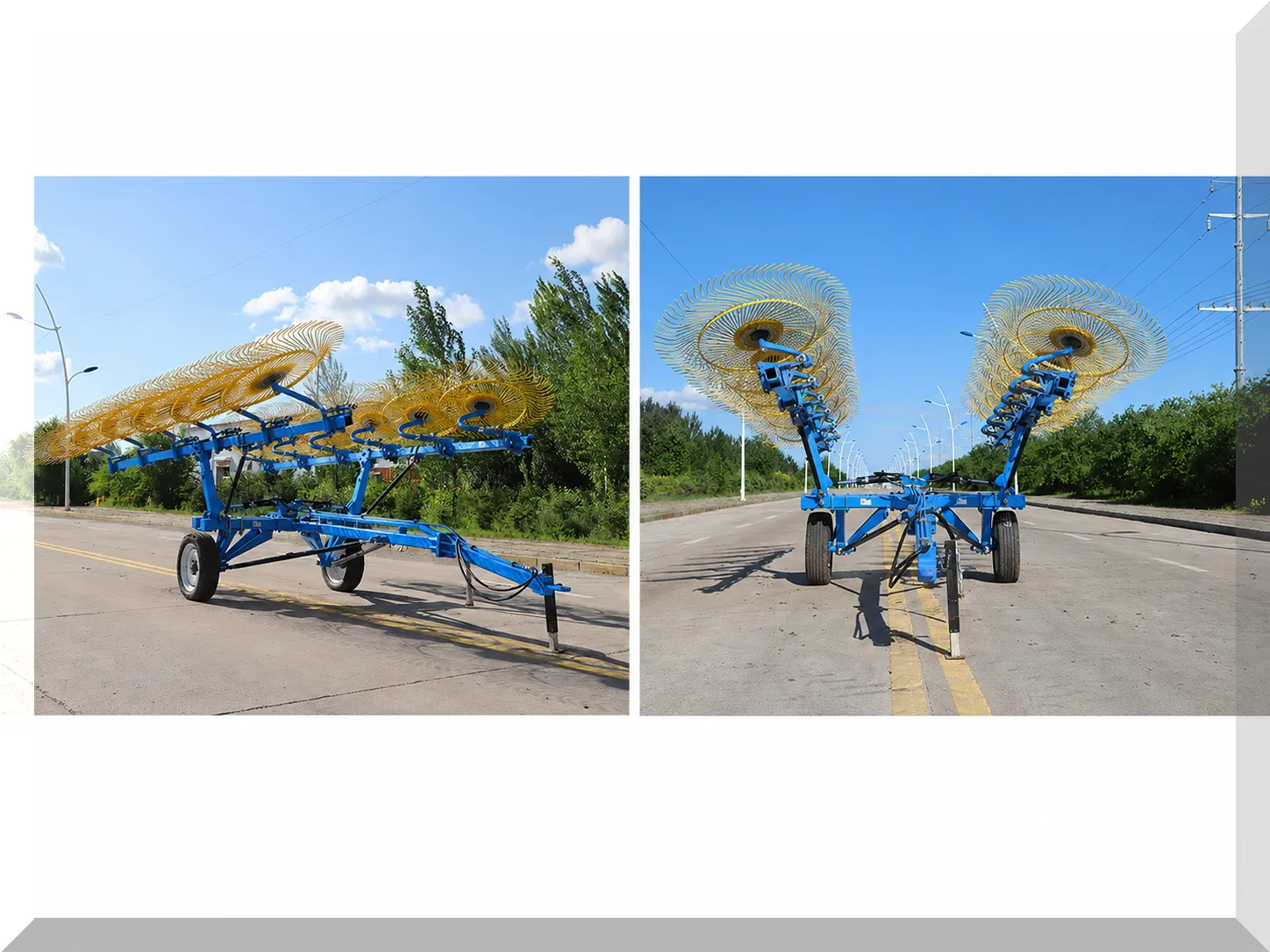
Stored folded — compact transport width fits in any implement shed
Total active hours/yr: ~55–60 hrs — well within bearing service life
Full-year result: ~400–420 bales raked across 3 cuttings using 55–60 machine hours per year. Total annual raking cost (tractor fuel + bearing grease + proportional tine replacement): typically $180 to $280 per year for this program — or approximately $0.45 to $0.70 per bale, well under a $3 to $5 custom raking rate.

Compact Field Mobility: Where Smaller Width Becomes an Operational Advantage

On small-to-mid farm operations, field shape matters more than on large commercial farms with long, regular rectangular fields. Irregular field shapes, tree lines, ponds, drainage ditches, and narrow field access lanes all create situations where a compact-width implement completes the task more efficiently than a wide one. The 9LZ-6.0's 6-meter working width and lower total machine mass produce specific field mobility advantages:

🔄 Shorter Headland Turns

A 6-meter V-rake requires approximately 8 to 10 meters of headland turning radius at standard working speed — less than a 9-meter machine's 12 to 14 meter requirement. On fields with 20 to 30 meter headland strips (common on small rectangular fields), the shorter turning radius produces more effective field time per pass and less crop material driven over by the tractor during headland turns.

🚪 Field Gate Clearance

The 9LZ-6.0 folds to a compact transport width well within standard U.S. agricultural implement road limits. For operations with narrow field entry lanes or farm gates, the folded transport profile is easier to maneuver through restricted access points than wider 9-meter machines whose folded dimensions push the boundary of standard implement road limits in some states.

🏚 Implement Shed Storage

At ~800 kg and 6-meter working width, the 9LZ-6.0 stores more conveniently in a standard farm implement shed bay than commercial 9-meter machines. The folded footprint fits a standard single-bay implement shed without requiring a dedicated wide implement building — relevant on operations where covered implement storage space is limited.

🌿 Irregular Field Shapes

Fields with curved borders, diagonal corners, and irregular geometry are better served by a compact-width machine that can make shorter, tighter passes at the field boundary to minimize unraked strips. On a 20-acre irregular field, a 6-meter rake may require 3 to 4 fewer wide headland turns than a 9-meter machine, recovering material that would otherwise remain as headland windrow residue.

How the 9LZ-6.0 Finger Wheel System Works

The 9LZ-6.0 operates on the same ground-driven finger disc principle as the larger models in our hay rake range — understanding it takes two minutes and explains every aspect of the machine's performance and maintenance profile.

9LZ-6.0 핑거휠 건초갈퀴

Ground contact → disc rotation: Each of the 12 discs is mounted on a free-spinning hub bearing. As the tractor moves forward, the curved spring tines contact the ground surface and cut crop simultaneously. Ground friction causes each disc to rotate — no external drive input required. Disc rotation speed scales directly with tractor ground speed: faster travel produces faster disc rotation and more tine contacts per square meter.

Disc angle → lateral crop flow: Each disc is fixed at an inward-facing angle in the V-configuration. As tines rotate, they lift forage from beneath and impart a lateral velocity component toward the machine center. The two disc banks (left and right) each sweep their half of the 6-meter working width inward toward the centerline, depositing a single centered windrow at the machine's track center.

Spring tine deflection → obstacle tolerance: Every tine is spring-steel — it bends elastically when it contacts a rock, hard soil clump, or stubble base, then returns to its working position. This deflection-recovery cycle produces no damage to the tine or the disc hub bearing. The independent floating suspension on each disc allows each 60-tine disc assembly to follow field contour independently, maintaining tine-to-ground contact pressure across the full 6-meter width even on undulating terrain.

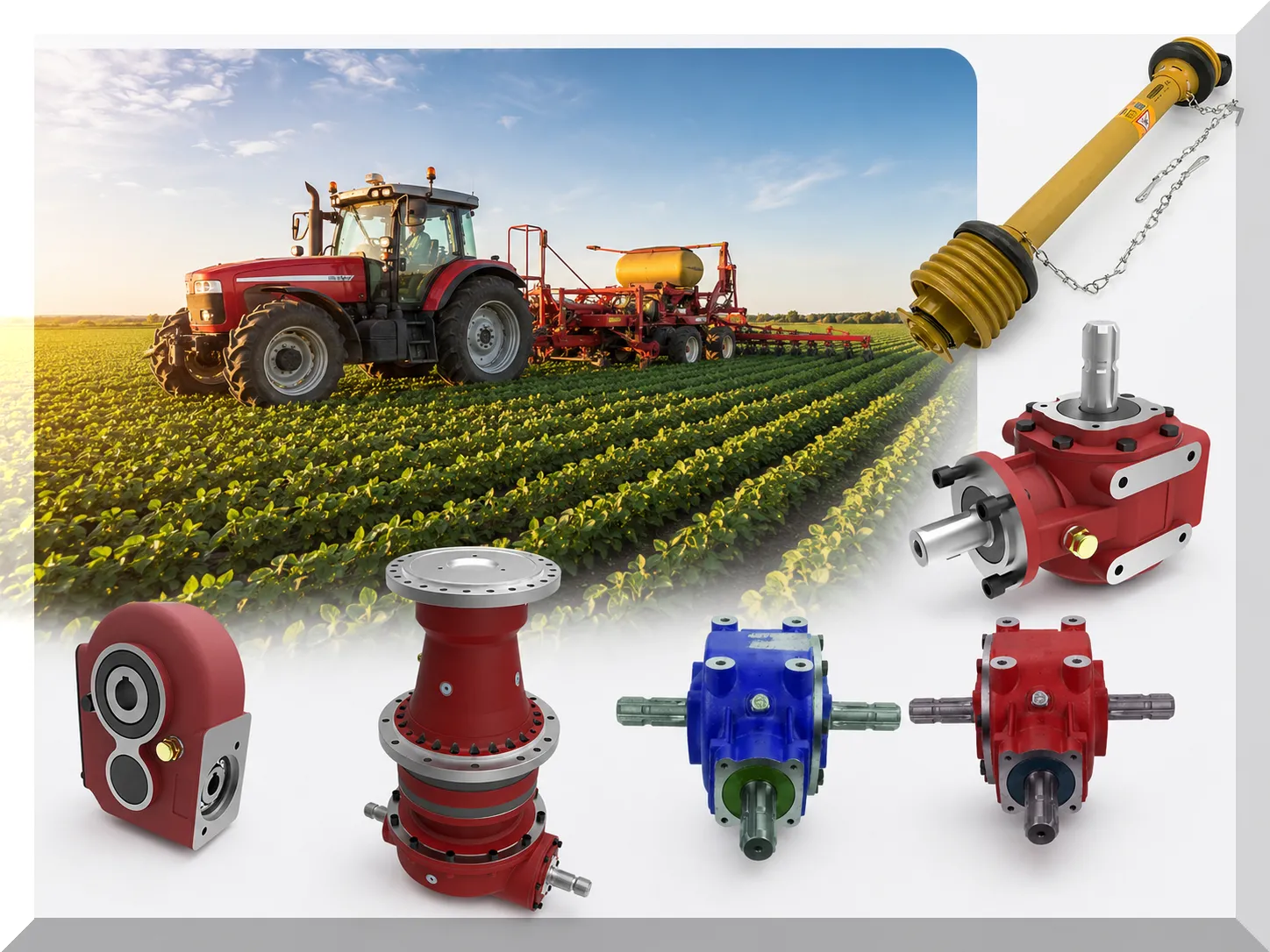
The machine produces a centered 0.8 to 1.4 m windrow matching the pickup header width of the round baler lineup. The compact forage baler models in the 9YG-1.0C and 9YG-1.25 class, which are designed for the same 35 to 65 HP tractor range as the 9LZ-6.0, operate directly on the windrow output of this rake with no additional width adjustment needed. This tractor-rake-baler system at the same HP class is the core of a single-tractor small-farm hay program that the 9LZ-6.0 is specifically sized to support. The round baler in that chain uses a 540 rpm PTO driveline with a transfer 농업용 기어박스 — the one powered component in the otherwise entirely ground-driven and mechanically passive hay-making chain that the 9LZ-6.0 enables.

농업용 기어박스 및 PTO 샤프트

Six Reasons Small-to-Mid Farm Hay Producers Choose the 9LZ-6.0

🌾

The Alfalfa Leaf Retention Advantage

For operations where alfalfa quality grade directly affects sale price, the transition from a rotary rake to the 9LZ-6.0 finger wheel design is often the single highest-ROI equipment upgrade available. Three to five percent less leaf shatter per cutting, multiplied across 150 bales per year at $10 to $15 per bale quality premium, produces a first-season recovery of $450 to $1,125 — real numbers from operations that have made this switch.

⚙️

12 Bearings — Minimal Annual Upkeep

12 disc hub bearings are the machine's only mechanical wear components beyond spring tines. At typical small-farm annual hours (50 to 60 operating hours per year), bearing replacement intervals run 4 to 7 years — a maintenance profile more similar to a fertilizer spreader than a complex mechanical implement. Total annual service cost on a well-maintained 9LZ-6.0 at this utilization level typically runs under $200 per year.

🚜

Consistent Windrow — Better Bales

12 independently floating discs processing a continuous 6-meter mat produce a windrow of consistent density from the first meter to the last. Baler operators consistently report that bales from well-windrowed hay with a finger wheel V-rake are more uniformly round, denser, and easier to wrap consistently than bales produced from rotary-raked windrows where density peaks and troughs are common.

📉

No PTO — Full Versatility

Ground-driven disc rotation means the 9LZ-6.0 can be towed by any tractor with a drawbar and one SCV hydraulic outlet — including tractors whose rear PTO is already occupied with another implement, or older tractors where PTO maintenance is a concern. The machine leaves the rear PTO completely free throughout operation.

💰

Right Capital Cost for the Operation Scale

The 9LZ-6.0 is priced at the level appropriate for operations producing 50 to 200 hectares annually — not at the commercial-fleet price of 9-meter machines that are amortized over 400+ hectares per year. Buying the correctly-sized machine at the correct price point recovers capital faster and leaves budget for other farm investments that produce returns at the same operating scale.

🌱

Scalable Upgrade Path

When annual hay acreage grows past 200 to 250 hectares, the 9LZ-6.0 has demonstrated its value and the operation has the cash flow data to justify the step up to a 9-meter model. Starting with the right-sized 6-meter machine builds institutional knowledge of the finger wheel V-rake system — operating procedure, tine management, windrow-width tuning — that transfers directly to the larger machine when the time comes.

Why Small-Farm Hay Producers Choose foragebaler.com

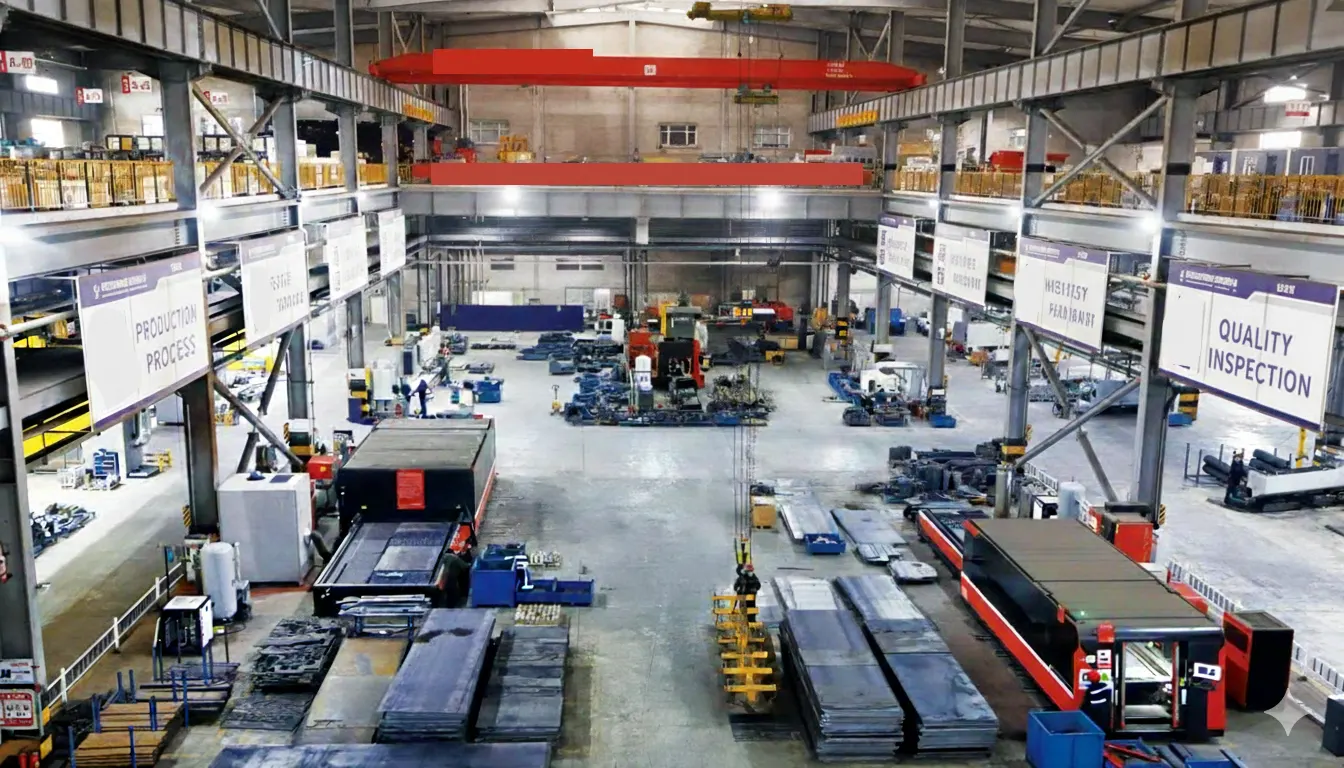
사료 베일러 공장
  • Complete Hay System from One Supplier. The 9LZ-6.0 hay rake is part of a full four-step forage system available at 포리지발러닷컴 — mowing equipment, tedder, hay rakes, and round balers — all supported from the same California warehouse. One phone call, one parts order, one technical team.
  • Tractor Compatibility Verified Before Ordering. Drawbar hitch capacity, SCV hydraulic pressure, and tractor weight-to-load ratio confirmed from your tractor model and year before the 9LZ-6.0 ships. First-time V-rake buyers consistently find the pre-purchase compatibility check valuable — we walk through operating procedure and first-season setup during the same conversation.
  • Same-Day Parts Dispatch. 60-piece per disc tine replacement sets, 12-disc full bearing kits, and hydraulic hose assemblies stocked year-round at the California warehouse. Orders placed before 2:00 PM Pacific ship same business day. No waiting weeks for parts from overseas on a mid-season repair.
  • Full Hay System Integration. The 9LZ-6.0 windrow output is matched to our full 건초 갈퀴 제품군 and round baler pickup widths, and the machine operates on the same compact tractors that run our mowing equipment and small-class silage balers. You are building a connected system, not just buying an implement.
  • 공장 직판 가격. No dealer network, no territory premium.

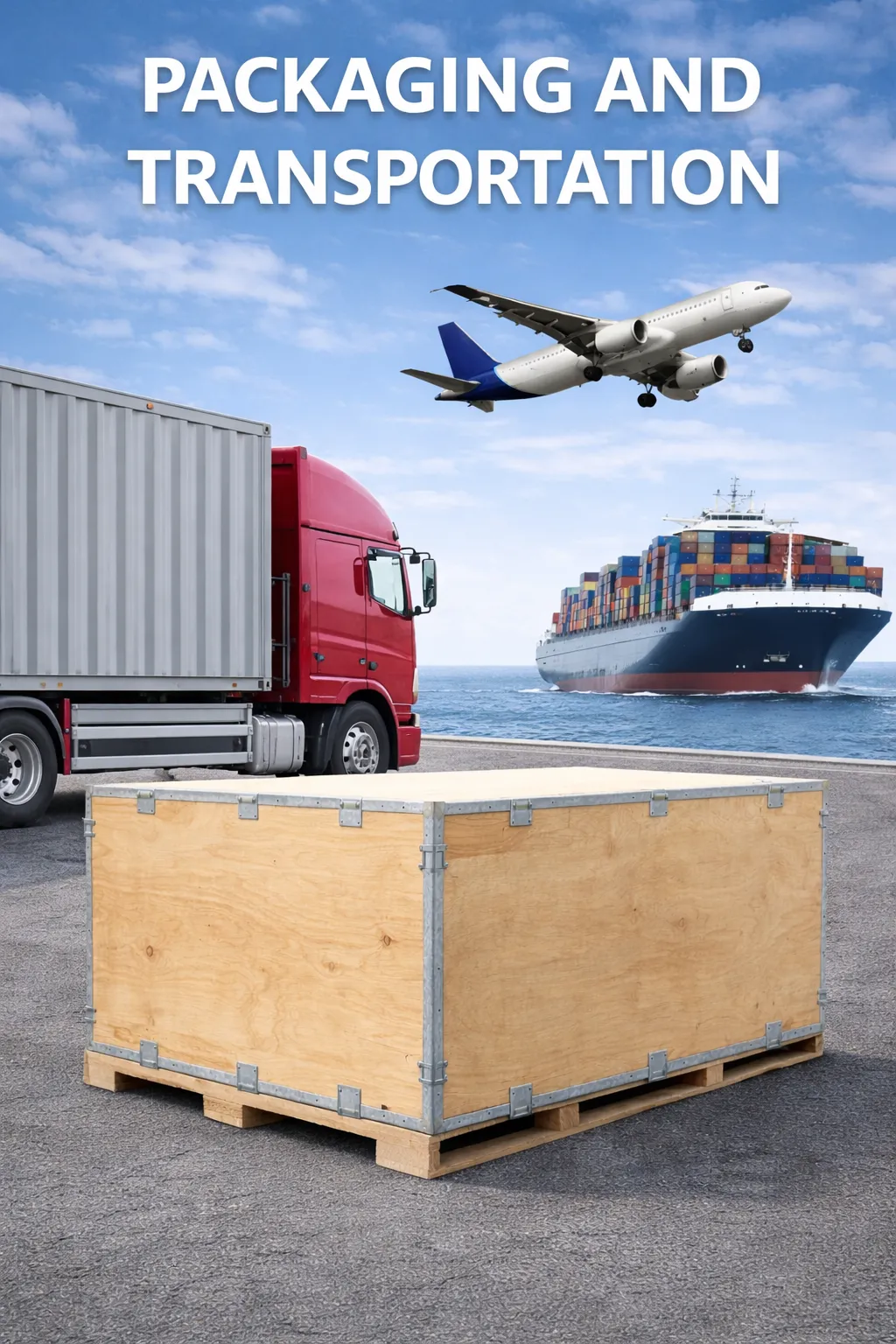
9LZ-6.0 finger wheel hay rake U.S. warehouse packing and shipping — California same-day dispatch

Maintenance: 12 Bearings, 720 Tines, Nothing Else to Service

The 9LZ-6.0 has the simplest maintenance profile of any commercial hay implement. No gearbox, no chains, no drive belts, no hydraulic motor, no PTO shaft. Three service categories cover the entire machine:

🔩 Daily During Cutting Season (every 8 hrs)

Hub bearings: 2–3 pumps NLGI-2 multi-purpose grease via each zerk fitting. Ground-driven bearings accumulate crop debris at the seal lip — daily greasing flushes contamination out through the bearing seal and prevents abrasive entry into the bearing race.
Tine visual check: any tine bent beyond its elastic recovery range, missing, or cracked at the root should be replaced before the next field session.

🔧 Per Cutting or Every 20–30 Hours

Full 720-tine count: walk each disc and confirm all 60 tines per disc are present and unbroken. A single missing tine on one disc creates a raking gap that deposits a narrow unraked strip into the windrow on every subsequent pass.
Drawbar pin and fastener check.
Hydraulic hose inspection at the fold mechanism pivot points.

📅 Pre-Season Annual

Hub bearing replacement for any bearing showing roughness, binding, or elevated temperature from the prior season.
Full 720-tine inspection and selective replacement.
Touch-up paint on bare metal; corrosion-inhibiting oil on tine mount hardware.

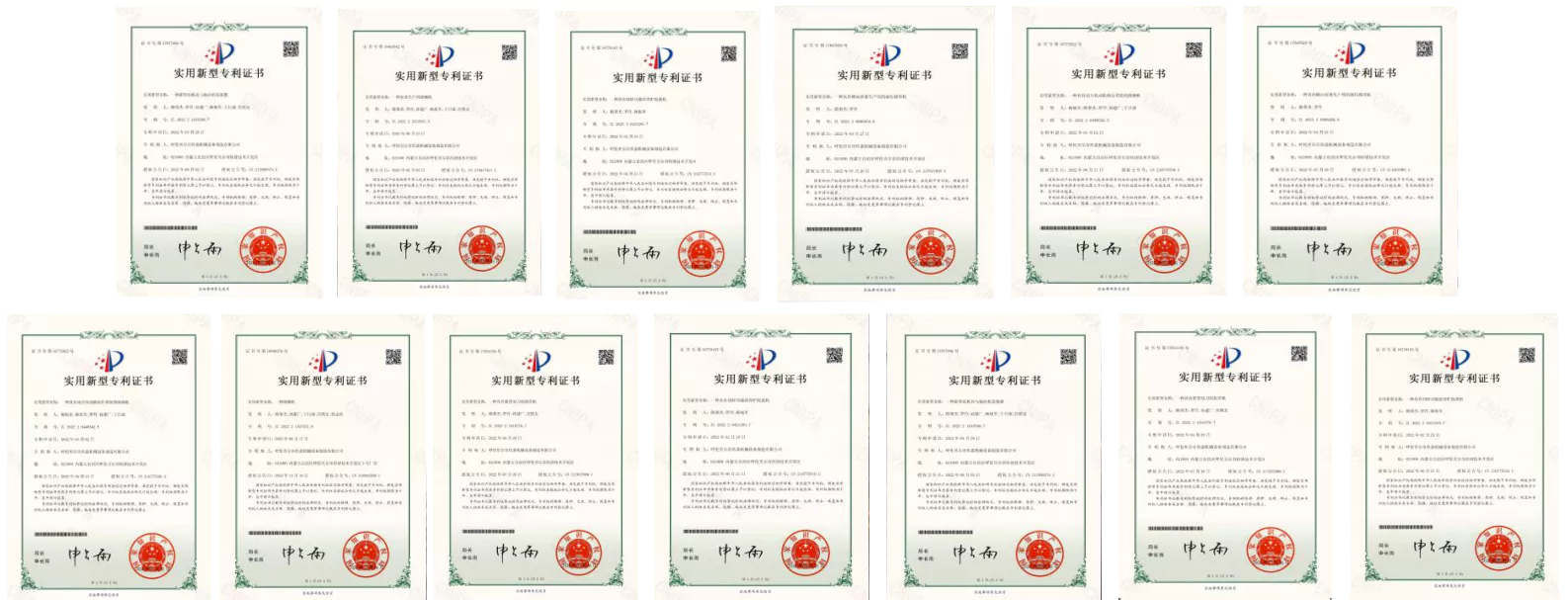
ISO 9001 and quality certification for 9LZ-6.0 finger wheel hay rake

자주 묻는 질문

What is the actual minimum HP for the 9LZ-6.0, and what is the practical comfort HP?+
The absolute minimum is ≥25 kW (approximately 33 to 35 HP). At exactly 35 HP, the tractor operates at high drawbar load on the 800 kg machine at 10 km/h working speed — functional on flat terrain but with minimal power reserve. The practical comfort range starts at 40 HP, where the tractor maintains rated working speed on moderate grades (5 to 8%) without lugging. For an operation running the rake, a round baler, and a mower on the same tractor, a 45 to 55 HP tractor handles all three comfortably without any implement being a bottleneck. Share your tractor's model and year with our U.S. team for a specific compatibility confirmation before ordering.
Can the 9LZ-6.0 merge two adjacent mower passes into one windrow?+
Yes — by overlapping adjacent rake passes by 0.5 to 1 meter at the V's trailing edge, two adjacent mower swaths can be merged into a single heavier windrow. On thin grass hay where the mower produces a light swath, merging produces a baler-compatible windrow density that would otherwise require multiple single-pass windrows per baler trip. At 6 meters working width, the 9LZ-6.0 can merge two 3-meter mower passes in a single pass — a workflow particularly useful when using a 3-meter disc mower ahead of this rake.
What makes the 9LZ-6.0 better than a 3-meter rotary rake for alfalfa?+
Two differences matter most for alfalfa: leaf shatter rate and windrow uniformity. Rotary drum tines drag the hay laterally by impact, which fractures alfalfa leaf petioles at moisture levels below 40% — the range where alfalfa is typically ready to rake for dry hay. Finger wheel tines lift from below at a shallow angle, preserving the leaf-stem connection at the same moisture range. Leaf fraction of alfalfa — the primary protein-bearing component — is preserved 3 to 5 percentage points better per cutting with finger wheel designs in peer-reviewed agronomic trial data. For alfalfa sold at premium grades where buyers test RFV and crude protein, this difference is measured in dollars per bale, not just percentage points.
How does the 9LZ-6.0 differ from the 9LZY-9.0 (15-wheel) beyond wheel count?+
The key differences are working width (6 m vs 9 m), productivity range (4.2–7.2 ha/hr vs 7.2–9.0 ha/hr), tractor HP minimum (35 HP vs 68 HP), and machine weight (~800 kg vs ~1,100 kg). The 9LZ-6.0's 500 mm average disc spacing versus the 9LZY-9.0's 600 mm also means slightly denser tine coverage per meter on the 6-meter machine — not enough to matter in most operational contexts, but the 9LZ-6.0 is technically more aggressive per meter of working width. For operations under 200 ha/year on compact tractors, the 9LZ-6.0 is the correct specification; for 300+ ha/year on mid-HP tractors, the 9LZY-9.0 is the next step.
Does the 9LZ-6.0 produce a windrow compatible with my 9YG-1.0C compact round baler?+
Yes — the 9LZ-6.0's 0.8 to 1.4 m windrow width range directly matches the 9YG-1.0C's approximately 1.2 m pickup header. Set the drawbar height to produce a 1.0 to 1.1 m windrow and the baler will process the windrow cleanly across its full pickup width without leaving untouched material on the field edges or overloading the center. This tractor-rake-baler pairing on the same 35 to 55 HP compact tractor is the core use case the 9LZ-6.0 was designed for — the fully integrated small-farm hay system available at foragebaler.com.
Can I use the 9LZ-6.0 for grass silage (high moisture) as well as dry hay?+
Yes, with speed adjustment. At high moisture (60 to 75%), reduce working speed to 6 to 7 km/h to prevent material from accumulating and wrapping around disc hubs in the wet, heavy mat. Shorten the bearing greasing interval to every 6 hours when raking silage-moisture material. Rinse the disc hub areas with water after silage raking sessions if possible — fermentation acids in fresh silage material accelerate bearing seal degradation faster than dry hay dust. Primary use on dry hay or moderate-moisture haylage (40 to 55%) requires no special adjustment beyond speed control.
Is the 9LZ-6.0 worth buying if I only hay 50 to 60 acres per year?+
At 50 to 60 acres with three cuttings, total annual raking area is 150 to 180 hectares — approximately 27 to 33 machine hours per year. The 9LZ-6.0 is a long-life machine; at this utilization level, bearing life runs 10 to 15 seasons. The economic case is not about throughput at this scale — it is about hay quality. For alfalfa operations where grade-1 versus grade-2 hay pricing is $12 to $20 per bale, the leaf retention advantage of the finger wheel system versus a rotary rake at 50 acres producing 100 bales is $1,200 to $2,000 per year in quality premium recovery — enough to pay back the machine cost in 2 to 3 seasons on alfalfa at standard market prices. For pure grass hay at commodity prices with no premium market, the ROI at 50 acres is less compelling.
What is the delivery timeline and how does the machine arrive?+
In-stock units ship LTL freight from the California warehouse within 2 to 5 business days of order confirmation. Standard domestic transit reaches most U.S. addresses in 6 to 10 business days. The machine arrives largely assembled; installation involves connecting the drawbar hitch pin to your tractor's drawbar and attaching the hydraulic hoses to the rear SCV couplers — typically 20 to 30 minutes. The U.S. team walks through the first field deployment procedure and windrow-width tuning by phone on delivery day for first-time V-rake operators.

What Small Farm Hay Producers Say After Their First Season

Rebecca Hartman — Alfalfa, 85 ha, Champaign County, OH
★★★★★

Three years on a rotary star-wheel rake before switching to the 9LZ-6.0. The first cutting comparison told the whole story — I walked the field after the first 9LZ-6.0 pass and saw noticeably less leaf material on the ground compared to what the rotary rake left behind. My elevator hay analysis showed a 2.8 percentage point improvement in crude protein on the same alfalfa stand, same cuttings. That improvement pays the machine cost back in quality premiums in under two seasons on 85 acres at Grade 1 pricing. Operating on a 52 HP Massey Ferguson 1754E without any strain.

Tim Calder — Mixed Grass Hay, 120 ha, Wright County, MN
★★★★★

Single-tractor operation on a 48 HP Kubota MX5400 — the mower, the rake, and the 9YG-1.25 baler all run on the same machine. The 9LZ-6.0 was specifically chosen because it runs on the same tractor without any additional HP requirement. Three cuttings per year, about 100 bales per cutting, and the 9LZ-6.0 clears 40 acres (the field size I have in blocks) in 7 to 8 hours per cutting. Windrow quality is noticeably better than the old rotary rake — the baler fills more consistently and bale shapes are rounder.

Steve Lindquist — Horse Hay, 65 ha, Goodhue County, MN
★★★★★

Horse hay operation selling to boarding facilities and sport horse owners who pay premiums for high-leaf alfalfa. The 9LZ-6.0 was purchased primarily for the leaf retention advantage on second and third cut alfalfa, which commands the highest premiums. After the first season with the 9LZ-6.0, three of my regular buyers independently commented on the improvement in hay quality without knowing I'd changed equipment. That's the most credible endorsement I can give. Paired with a 40 HP Kubota B3350 — works on flat fields with care on the minor slopes.

Mike Tanner — Grass Hay + Straw, 100 ha, Whitman County, WA
★★★★☆

Four stars rather than five simply because of the bearing greasing requirement — daily during cutting season is a discipline I had to build into my routine. Once I got that habit established, the machine has been trouble-free for two seasons. It handles wheat straw at 12 km/h as easily as the grass hay, which I was not expecting. The 6-meter width is right for our field sizes (20 to 35 acre blocks) — I can work all the headlands without the backing/repositioning that a wider machine would require on the odd-shaped fields in Whitman County. Running it behind a 58 HP John Deere 5065E.

Donna Kocher — Organic Alfalfa, 55 ha, Lancaster County, PA
★★★★★

Organic certified alfalfa sold directly to organic dairy and horse customers at significant premiums. At our price point, every percentage point of crude protein recovered through leaf retention translates directly to revenue. I was initially skeptical about buying any rake equipment from outside our usual dealer network, but the pre-purchase consultation with the foragebaler.com team was thorough — they confirmed our 42 HP tractor was compatible on our flat Lancaster County fields and walked me through the windrow width adjustment for our 9YG-1.0C baler. First season was seamless. The machine cost paid back in quality premiums before the third cutting.

Larry Poole — Small Beef Herd, 70 ha, Jefferson County, CO
★★★★★

70 acres of native grass and orchard grass for 45 beef cows, baled for winter feed. Not selling hay commercially — feeding it ourselves. The economics here are different: every bale I produce myself is a bale I don't pay $75 to $100 to buy. The 9LZ-6.0 was the upgrade from a worn-out old rotary rake. The improvement in windrow quality is immediately visible in how much less material we leave on the field after each pass. On our rocky Colorado mountain field edges, the spring tines deflect over rocks without breaking — something the old rigid-tine rotary rake could not do. Second season in with zero mechanical problems.

The Right First Commercial Hay Rake for Your Small-to-Mid Farm Operation

Tractor compatibility (drawbar HP, hydraulic pressure, weight-to-load) verified from your model before shipment. Direct factory pricing, same-day U.S. warehouse parts dispatch, and complete system support for the full forage chain.
아메리카 에버파워 사료 베일러 장비 주식회사 | 1401 21번가 R호, 새크라멘토, 캘리포니아 95811

무료 견적 받기

추가 정보

편집자

Cxm