
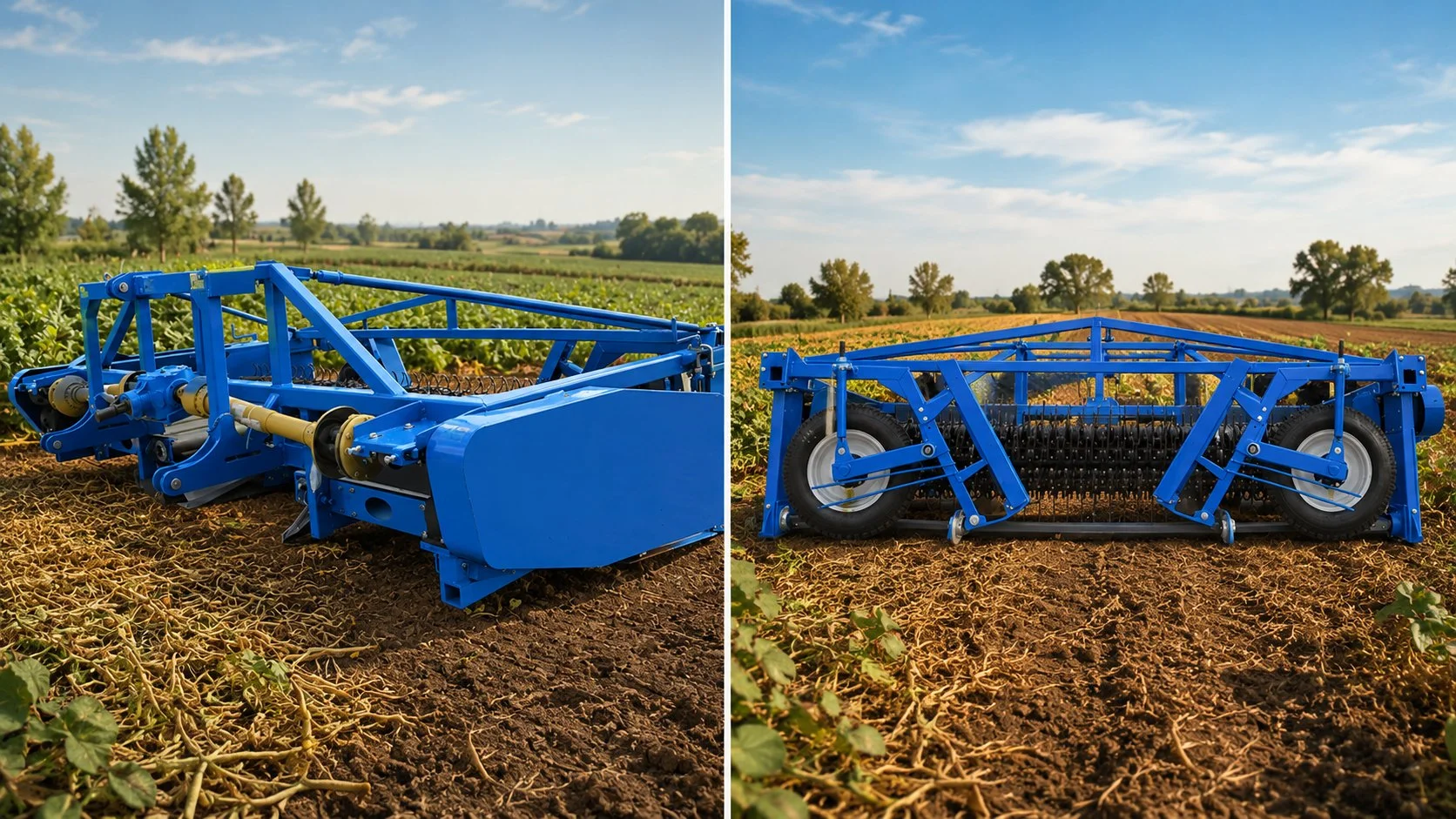
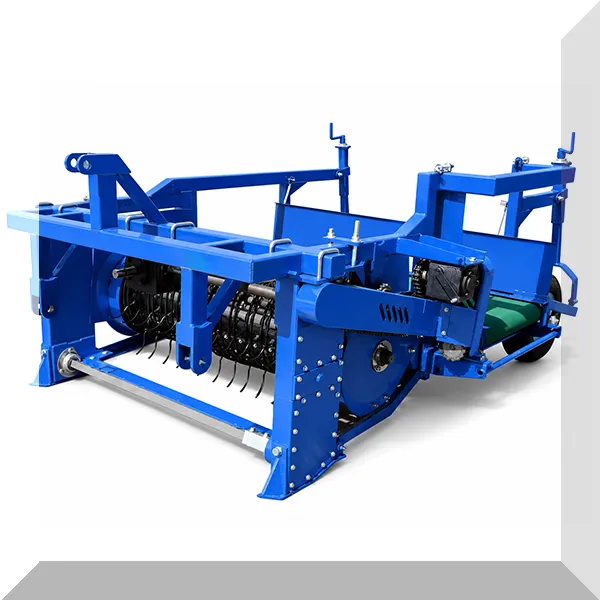
Most growers purchasing a kidney bean puller focus on machine specifications — row count, working width, HP requirement. These are the right questions for equipment selection. But those specifications only deliver their rated performance when the crop in front of the machine was planted with mechanical harvest in mind. A well-designed 4-row puller operating on a variety with poor shatter resistance pulled two days past the optimal window will leave more beans on the ground than a 2-row puller on a well-adapted variety timed correctly. Variety selection is the first mechanical harvest decision, and it is made at the seed retailer months before the puller ever enters the field.
The Five Agronomic Traits That Determine Mechanical Harvest Compatibility
Not all dry bean varieties respond equally to mechanical harvesting. Five plant traits determine how compatible a variety is with the pull-and-thresh two-stage harvest system used across U.S. commercial dry bean production:
1. Pod shatter resistance is the most harvest-critical trait. Shatter resistance refers to the tendency of dried bean pods to remain closed — holding the seeds inside — rather than splitting open along the suture and dropping seeds to the ground when the plant is disturbed. Low-shatter-resistance varieties have pods that split readily once moisture drops below 15 to 18%, making the harvest window narrow and the shatter losses high when pulling is delayed even slightly. High-shatter-resistance varieties hold seeds securely through a wider range of pod moisture conditions, giving the producer more scheduling flexibility during the pull-and-cure sequence.
2. Root system architecture affects how cleanly the plant separates from the soil at pulling. An extensive, fibrous root system with good lateral development anchors the plant well in the soil and provides a clean shear plane when the share passes under the root zone — the plant lifts with intact roots, the soil shears away, and the root mass deposits relatively clean into the windrow. Deep-tapping varieties with single primary taproots that extend below the share depth are harder to lift cleanly and leave more root mass in the windrow, which adds soil contamination to the eventual threshed grain sample.
3. Maturity uniformity determines how tight the optimal harvest window is at the field level. A variety with highly uniform pod maturity across the stand — all pods reaching 85 to 90% color change at the same time — allows the grower to pull the entire field in a single pass without leaving early pods that will over-dry to shattering conditions while late pods are still immature. Split-maturity stands, where a portion of pods are at optimal pull stage while another portion remain green, force an uncomfortable choice between waiting for the late-maturing segment (at the cost of shatter on the early pods) or pulling early (leaving immature pods that contribute to green seed and dockage at the elevator).
4. Vine habit — whether the variety is determinate or indeterminate in its growth pattern — directly affects maturity uniformity. Determinate varieties terminate vegetative growth at a defined node count and set all pods within a relatively narrow window, producing a more uniform maturity profile. Indeterminate varieties continue vegetative growth and produce flowers and pods sequentially throughout the season, resulting in pods at different maturity stages on the same plant at harvest — the classic split-maturity problem.
5. Pod insertion height refers to where on the plant the lowest pods are set. Varieties with low pod insertion — pods within 10 to 15 cm of the soil surface — risk having those lowest pods remain buried or in contact with the soil after pulling, resulting in pods that do not lift into the windrow. High pod insertion (lowest pods 20 cm or more above the soil surface) allows the pulling shares to pass cleanly under all pods without missing the lowest-set fruit.
U.S. Dry Bean Market Class × Mechanical Harvest Trait Matrix
The following matrix rates the six principal U.S. dry bean market classes across the five harvest-relevant agronomic traits. Ratings reflect general performance of commercially available varieties within each class, based on extension research from Michigan State University, North Dakota State University, and University of Nebraska-Lincoln dry bean programs. Individual variety performance within a class varies — always confirm specific variety ratings with your state extension dry bean specialist and seed supplier before finalizing planting decisions.
| Market Class | Pod Shatter Resistance |
Root System Architecture |
Maturity Uniformity |
Vine Habit (Determinacy) |
Pod Insertion Hoogte |
Primary U.S. Growing Region |
|---|---|---|---|---|---|---|
| Donkerrode nier (DRK) | ⚠ | ✔ | ⚠ | ✔ | ⚠ | Michigan Thumb; Ontario, Canada |
| Navy (Pea Bean) | ✔ | ✔ | ✔ | ✔ | ✔ | Michigan Thumb; Minnesota; North Dakota |
| Pinto | ⚠ | ⚠ | ⚠ | ⚠ | ✔ | Nebraska; Colorado; Wyoming; Idaho |
| Black (Black Turtle) | ✔ | ✔ | ✔ | ✔ | ✔ | Michigan; Colorado; North Dakota |
| Great Northern | ⚠ | ⚠ | ⚠ | ✔ | ⚠ | Idaho; Wyoming; Nebraska |
| Small Red | ⚠ | ✔ | ⚠ | ⚠ | ✔ | Idaho; Washington; North Dakota |
⚠ = manageable with correct timing / settings
✕ = unfavorable — additional risk
Ratings represent typical class-level performance based on published university extension dry bean research. Specific variety performance varies significantly within each market class. Consult your state extension dry bean specialist and seed supplier for current variety trial data in your region before finalizing planting decisions.
Dark Red Kidney: The Class That Demands the Most from Equipment and Timing
Dark red kidney beans are the variety class most associated with mechanical harvest challenges, and they represent the largest single market class in the U.S. commercial dry bean industry — Michigan’s Thumb region alone plants approximately 200,000 to 250,000 acres of DRK annually. The class’s relatively moderate pod shatter resistance means the harvest window between optimal pull stage (85 to 90% pod color change, pods at approximately 30 to 40% moisture) and over-dry shatter conditions (pods below 12% moisture) is typically 5 to 10 days under normal Michigan late-summer conditions, and shorter during dry, windy weather events that accelerate desiccation.
Michigan State University dry bean breeding program research identifies pod shatter resistance as the primary trait target in current DRK breeding, precisely because of its centrality to mechanical harvest profitability. Current commercially available DRK varieties — including Montcalm, Mohawk, LaPaz, Red Hawk, and Belmont — vary in shatter resistance. Growers in the Thumb region should evaluate current MSU Bean Varieties for Michigan publication (updated annually) and request field trial data on shatter resistance ratings before committing to a variety for mechanical harvest at commercial scale.
Navy Bean: The Most Mechanically Compatible U.S. Dry Bean Class
Navy beans (small white pea beans) have the best combination of mechanical harvest traits in the U.S. dry bean lineup. The variety is strongly determinate, producing a compact plant with a clearly defined terminal bud that stops vegetative growth and sets all pods within a relatively uniform timeframe — producing the narrow, synchronized maturity window that mechanical harvest requires. Pod shatter resistance in commercial navy varieties such as Nautica, Envoy, and T-39 is consistently higher than in kidney and pinto classes, providing a wider harvest window between optimal pull stage and over-dry shatter conditions.
The navy bean’s compact plant and high-relative pod insertion height (high insertion relative to the plant’s overall size) also reduces the risk of low pods remaining in contact with soil at pulling. Navy plants are shorter than kidney or pinto plants, but their pod set is proportionally higher on the plant — the lowest pods are typically 15 to 22 cm above the soil surface, well within the share’s effective lift zone on well-set shares.
Regional Variety Recommendations and Extension Resources
Variety selection for mechanical harvest is a regional decision guided by local trial data that changes annually as new varieties enter commercial availability and new disease or agronomic challenges emerge. The authoritative regional sources for variety trial data in U.S. dry bean growing regions are: Michigan State University Extension (Bean Varieties for Michigan, updated annually) for Michigan DRK and navy bean programs; North Dakota State University Extension dry bean variety performance summaries for Red River Valley programs; and University of Nebraska-Lincoln Extension dry bean trial reports for Great Plains pinto and black bean programs.
The mechanical harvest compatibility criteria described in the matrix above should be applied to specific variety candidates in current trial data before finalizing seed orders. Request shatter resistance ratings, maturity dates, and plant height data for all candidate varieties, and give explicit weight to shatter resistance and maturity uniformity when ranking varieties for fields that will be mechanically harvested.
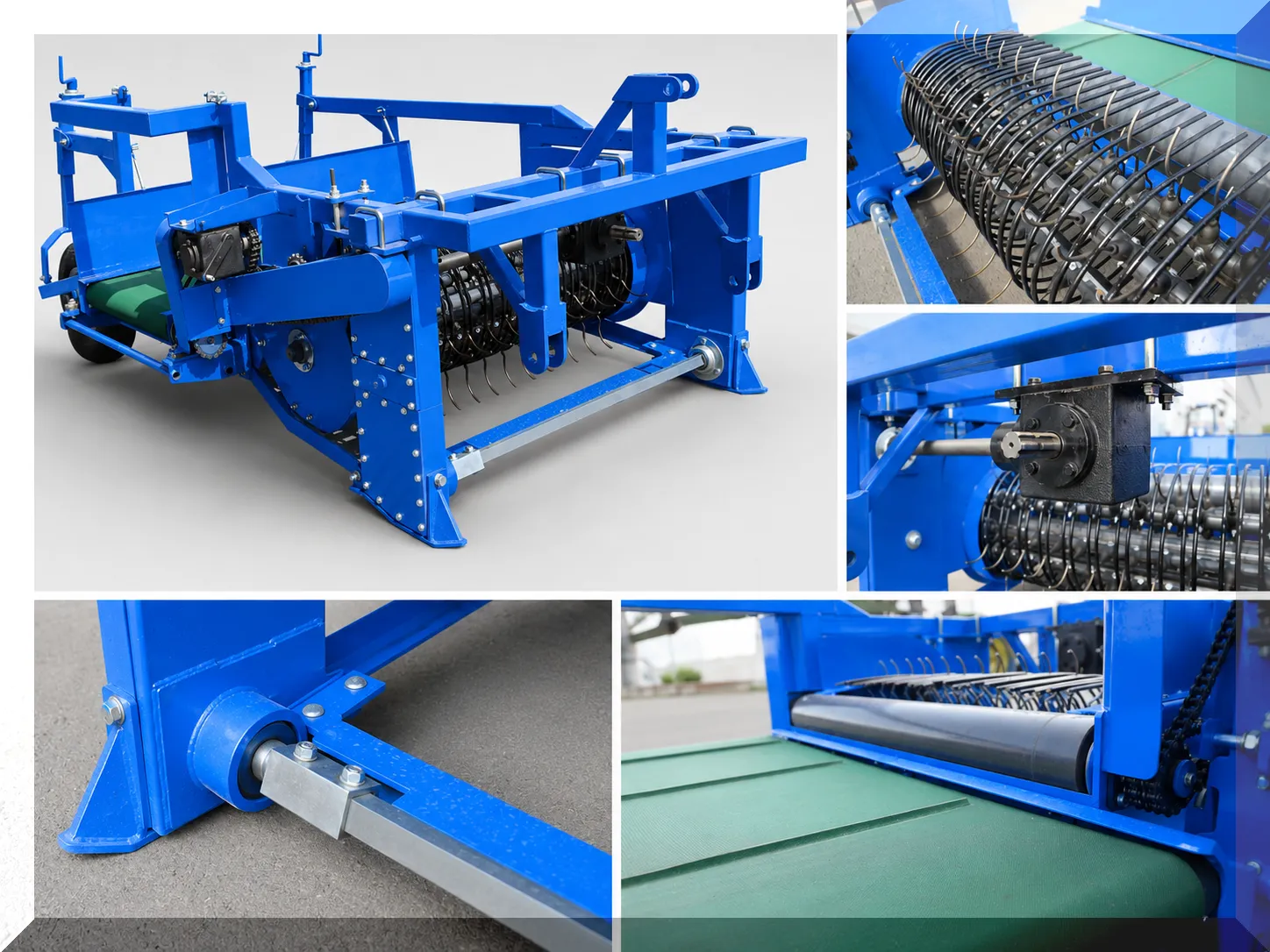
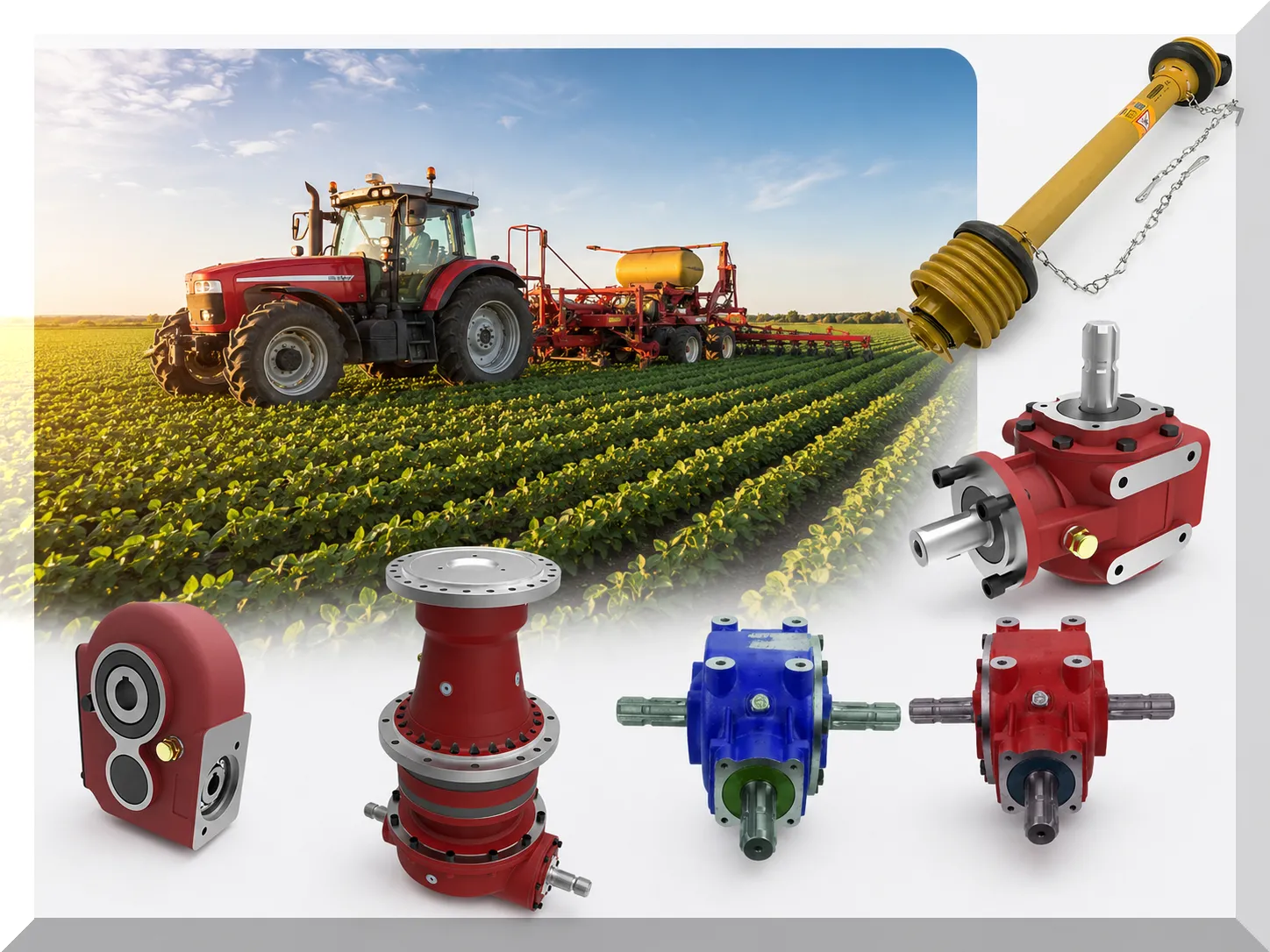
Ons kidney bean mechanical harvest guide covers the full two-stage harvest sequence — pull, field-cure, and thresh — in detail. For the equipment that executes the pulling stage, see our assortiment van sperziebonenoogstmachines with models from 2-row to 6-row configurations. The landbouw-PTO-aandrijflijncomponenten powering each puller model are sized for the continuous torque load of the pulling and root-shaking mechanisms across a full commercial season.
Veelgestelde vragen
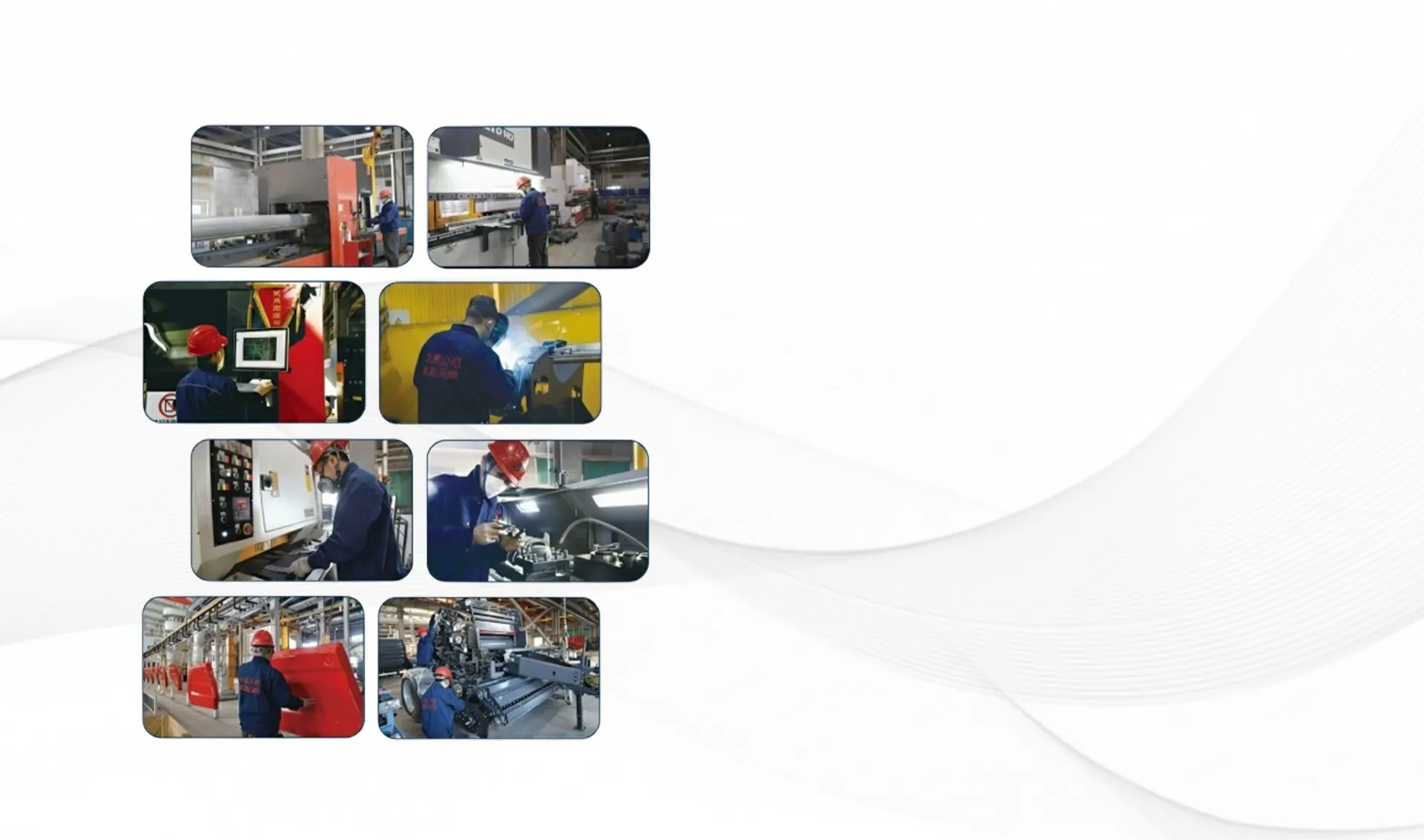
Tell Us Your Variety, Row Spacing, and Acreage — We Confirm the Right Puller Model
Row spacing, soil type, and bean class determine which model from our 2-row to 6-row puller lineup is the right fit for your operation. Our U.S. team confirms compatibility before any order ships from our California warehouse.
Redacteur: Cxm


