
Hoe hooiconserveringsmiddelen werken: ze remmen hitte en schimmelvorming.
Wanneer hooi wordt geperst met een vochtgehalte boven de 181 TP5T, begint microbiële activiteit – schimmels en bacteriën – de koolhydraten en eiwitten in de baal te consumeren via een aeroob verhittingsproces. Deze biologische verhitting verhoogt de kerntemperatuur van de baal, waardoor de Maillardreactie op gang komt die eiwitten permanent bindt aan celwandmateriaal, waardoor ze niet langer beschikbaar zijn voor de voeding. De baal verliest ook droge stof door ademhaling en kan in ernstige gevallen hete plekken ontwikkelen die warmer worden dan 71 °C (160 °F), wat brandgevaar oplevert tijdens opslag.
Propionzuur en organische zuren als conserveermiddel remmen de microbiële populatie die dit proces aandrijft. Propionzuur – het actieve bestanddeel in de meeste commerciële hooiconserveermiddelen – heeft sterke schimmelwerende en antibacteriële eigenschappen bij de concentraties die tijdens het persen worden toegepast. Wanneer het gelijkmatig door de hooimassa is verdeeld, onderdrukt het de kieming van schimmels en vermindert het de bacteriële ademhaling tot een niveau dat aanzienlijke verhitting voorkomt, zelfs bij vochtigheidsniveaus die anders tot ernstig kwaliteitsverlies zouden leiden.
Propionzuur versus gebufferde organische zuren: vergelijking van de formulering
De actieve remmende stof in vrijwel alle commerciële hooiconserveringsmiddelen is propionzuur, maar de vorm waarin dit zuur voorkomt verschilt aanzienlijk: puur propionzuur, ammoniumpropionaat (gebufferd) of mengsels van meerdere organische zuren. De samenstelling is van invloed op de veiligheid bij de verwerking, de compatibiliteit met apparatuur, de werkzaamheid bij een hoog vochtgehalte en de kosten per behandelde ton.
Zuiver of bijna zuiver propionzuur (concentratie 80–991 TP5T). Sterkste schimmelwerende werking per volume-eenheid – vereist de laagste dosering om remming te bereiken. Aanzienlijk risico bij gebruik – corrosief voor huid, ogen en metalen apparatuur. Vereist doseerapparatuur van roestvrij staal of polyethyleen met hoge dichtheid. Lagere kosten per effectieve eenheid dan gebufferde producten. Corrosie van de apparatuur is het grootste operationele nadeel; lekkage van de spray op de balenpers of omliggende apparatuur veroorzaakt snelle corrosieschade.
Propionzuur wordt geneutraliseerd met ammoniak tot ammoniumpropionaat – een zoutvorm die vloeibaar is bij kamertemperatuur. Het is aanzienlijk veiliger in gebruik (niet-corrosief in verdunde vorm), compatibel met standaard spuitapparatuur en veel minder corrosief voor de metalen onderdelen van de balenpers. De effectieve propionzuurconcentratie per liter is lager dan bij puur zuur, waardoor grotere toepassingsvolumes nodig zijn. De kosten per behandelde ton zijn hoger dan bij puur zuur, maar de voordelen op het gebied van hantering en bescherming van de apparatuur rechtvaardigen de hogere prijs voor de meeste landbouwbedrijven.
| Producttype | Toepassingshoeveelheid (18–20% vocht) | Geschatte kosten per behandelde ton | Apparatuurvereisten |
|---|---|---|---|
| Zuiver propionzuur | 2–4 pond/ton | $5–$8 | Pomp, slangen en sproeiers uitsluitend van roestvrij staal of HDPE. |
| Ammoniumpropionaat (60%) | 4–8 lbs/ton | $8–$13 | Standaard polyurethaanspuitapparatuur acceptabel |
| Multizuurmengsel | 4–6 pond/ton | $10–$16 | Volgens het productetiket — doorgaans standaard spuitapparatuur |
Toepassingssnelheid per vochtigheidsgraad: de kritische dosis-responsrelatie
De effectiviteit van conserveermiddelen is dosisafhankelijk: hoe hoger het vochtgehalte van het hooi, hoe meer zuur er nodig is om de groei te remmen, omdat er meer water is om het zuur te bufferen en meer microbiële activiteit om te onderdrukken. Het toepassen van de lage dosering bij hooi met een hoog vochtgehalte leidt tot gedeeltelijke remming: de opwarming wordt gedeeltelijk onderdrukt, maar de behandeling voorkomt het kwaliteitsverlies niet volledig. Dit is de meest voorkomende fout in de praktijk bij het gebruik van hooiconserveermiddelen.
| Vochtigheid van hooi | Aanvraagpercentage | Geschatte kosten per ton | Verwachte uitkomst |
|---|---|---|---|
| 15–18% (ideaal droog bereik) | Niet nodig | $0 | Geen risico op oververhitting — bewaren zonder behandeling. |
| 18–20% | 4–5 pond/ton | $8–$10 | Oververhitting volledig onderdrukt bij correct gebruik. |
| 20–25% | 6–8 pond/ton | $12–$16 | De opwarming is aanzienlijk verminderd; bij de hoogste luchtvochtigheid kan er nog enige lichte opwarming optreden. |
| >25% vocht | Niet aanbevolen | — | Behandeling onvoldoende boven 25% — stel het balen uit of overweeg de silageoptie. |
Doseersystemen: typen, kalibratie en veelvoorkomende problemen
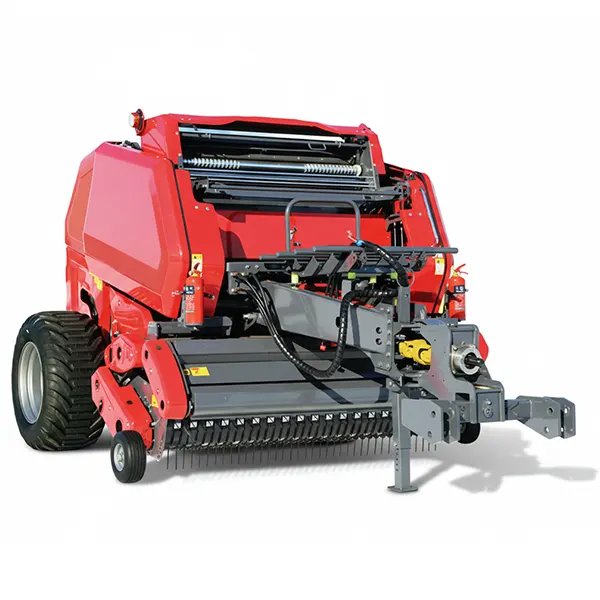
Het doseersysteem brengt het conserveringsmiddel aan op het hooi in de opvangzone van de balenpers, zodra de hooizwad de machine binnenkomt. Om effectief te zijn, moet het conserveringsmiddel gelijkmatig over de hooimassa verdeeld zijn. Een concentratie in één zone en een afwezigheid in een andere zone leidt tot een ongelijkmatige remming, waardoor onbehandelde gedeelten alsnog opwarmen. De kalibratie van het doseersysteem is de meest verwaarloosde stap in programma's voor hooiconservering.
De dosering past zich automatisch aan de rijsnelheid aan: sneller rijden betekent dat er meer gewas per minuut de balenpers binnenkomt en dat de aangedreven pomp proportioneel meer conserveermiddel levert. Dit is de meest nauwkeurige methode omdat de dosering per ton constant blijft, ongeacht de snelheidsvariatie. De meeste OEM- en aftermarket-systemen voor het doseren van conserveermiddel in balenpersen maken gebruik van een aangedreven aandrijving. Kalibreer door de werkelijke pompopbrengst per meter te meten en deze te vergelijken met de beoogde dosering per ton gewas.
Een elektrische pomp levert een constante stroomsnelheid, ongeacht de rijsnelheid. Wanneer de perssnelheid en de zwadendichtheid constant zijn, is een systeem met constante stroomsnelheid voldoende. In velden met variabele zwadendichtheid of velden waar de rijsnelheid varieert, leidt een systeem met constante stroomsnelheid tot overdosering in dunne zwaden (te veel conserveermiddel per ton gewas) en onderdosering in dichte zwaden (te weinig per ton). Het systeem werkt het best in combinatie met een constante snelheid en een constante zwadendichtheid.
De toepassingssnelheid wordt berekend op basis van het gebruikte tankvolume ten opzichte van de geschatte totale geproduceerde hoeveelheid, in plaats van op basis van een directe meting van de doorstroomsnelheid. Als de schatting van de velddoorvoer 20% afwijkt, wijkt de toepassingssnelheid met dezelfde hoeveelheid af. Dit leidt tot ofwel onderbehandeling (verhitting treedt op) ofwel overbehandeling (hogere kosten, mogelijke vermindering van de smakelijkheid door een te hoge zuurconcentratie in het hooi).
2. Meet het opgevangen vloeistofvolume (ml). Omrekenen naar ponden: propionzuur/ammoniumpropionaat = ongeveer 8,3–8,8 pond per gallon, afhankelijk van de concentratie.
3. Schat de gewasdoorvoer per 15 meter: Gewicht van het gewas per voet (gemeten aan de hand van een monster) × 50 voet = pond gewas in 50 voet van het gewas.
4. Bereken de hoeveelheid conserveermiddel in ponden per ton: (pond conserveermiddel per 50 ft ÷ pond gewas per 50 ft) × 2.000 = toepassingshoeveelheid in ponden/ton.
5. Pas de pompslag of -snelheid aan. om het streefgewicht in ponden per ton te bereiken voor het gemeten vochtgehalte van uw hooi.
De economische aspecten: behandelingskosten versus kosten van diabetesverlies
De financiële argumenten voor het conserveren van hooi zijn eenvoudig: vergelijk de behandelingskosten per ton met de kosten van het verlies aan droge stof en kwaliteit dat door de behandeling wordt voorkomen. Behandeling is financieel gerechtvaardigd wanneer het kwaliteitsverlies zonder behandeling hoger is dan de behandelingskosten – wat bijna altijd het geval is voor alfalfa met een vochtgehalte van meer dan 201 TP5T, en vaak ook voor hoogwaardig grashooi met een vochtgehalte van meer dan 181 TP5T.
Hitteschade verlaagt de RFV met 20-30 punten → kwaliteit daalt van Premium naar Goed → prijsdaling van ~$30/ton. Verlies aan droge stof door verhitting: ~8% extra. Bij een baal van 800 lb: 64 lbs verlies aan droge stof × ($220/2.000) = $7.04/baal DM-waarde verloren. Totale kwaliteit + DM-verlies: ~$14/baal
Verwarming onderdrukt. Kwaliteit behouden. Behandelingskosten: 6 lbs/ton × 0,4 ton per baal = 2,4 lbs conserveermiddel. Bij $2/lb productkosten = $4.80/baal Behandelingskosten. Oververhitting voorkomen. Kwaliteit behouden op premium niveau.
$14.00 kwaliteits-/DM-verlies voorkomen − $4.80 behandelingskosten = $9.20/baal netto voordeel voor behandelingBij een behandeling van 500 balen per seizoen: een netto voordeel van $4.600 uit het conserveringsprogramma.
De waarden zijn indicatief bij de opgegeven hooiprijs en vochtigheidsgraad. Voer dezelfde berekening uit met uw werkelijke hooiprijs en behandelingskosten om de economische haalbaarheid voor uw specifieke situatie te bevestigen.
De gegevens over het verlies aan droge stof tijdens opslag die deze vergelijking ondersteunen – inclusief de verliespercentages aan droge stof door hitteschade versus correct opgeslagen hooi – zijn te vinden in de Handleiding voor de opslag van ronde balenAlle beslissingen met betrekking tot het kwaliteitsbeheer van hooi, van het maaien tot de opslag, die de uiteindelijke kwaliteit en marktwaarde bepalen, bevinden zich in de Handleiding voor het verbeteren van de hooikwaliteitDe specificaties voor de aftakas en aandrijflijn van de maai-kneuzer voor hooiproductiemachines zijn te vinden in Specificaties van componenten voor landbouwversnellingsbakken en aftakas-aandrijflijnen.
Biologisch goedgekeurde alternatieven en natuurlijke antimicrobiële middelen
Conventionele propionzuurconserveringsmiddelen zijn niet goedgekeurd voor gebruik in gecertificeerde biologische hooiproductie volgens de USDA NOP-regels. Biologische producenten die hun balingsperiode willen verlengen, hebben verschillende opties waarbij gebruik wordt gemaakt van toegestane antimicrobiële middelen of fysieke beheersmaatregelen in plaats van verboden synthetische zuren.
Verschillende mengsels van organische zuren, samengesteld uit goedgekeurde natuurlijke bronnen (azijnzuur/azijn, melkzuur, mierenzuur uit natuurlijke bronnen), zijn OMRI-gecertificeerd en NOP-conform. De effectiviteit varieert: de meeste biologisch goedgekeurde producten bieden voldoende remming bij een vochtigheidsgraad van 18–21%, maar zijn minder effectief boven 22% dan conventioneel propionzuur. Controleer de OMRI-certificering en de goedkeuring van de certificeringsinstantie vóór de eerste toepassing op biologische akkers.
Bacteriële entstoffen (Lactobacillus-stammen) kunnen tijdens het persen aan hooi worden toegevoegd om competitieve inhibitie te creëren — de geïntroduceerde bacteriën concurreren met schimmels en ongewenste bacteriën om substraat. Onderzoeksresultaten zijn variabeler dan bij behandelingen met zuren; de effectiviteit is hoger bij hooi met een vochtgehalte boven 20%, waar het concurrentievoordeel van de entstof groter is. Sommige OMRI-gecertificeerde entstoffen zijn goedgekeurd voor biologisch gebruik — controleer de certificeringsstatus bij uw certificeringsinstantie voordat u ze gebruikt.
Als er geen goedgekeurd of effectief conserveermiddel beschikbaar is voor het aanwezige vochtgehalte, zijn de alternatieven: het persen uitstellen totdat het vochtgehalte daalt tot een veilig niveau (onder 181 TP5T voor onbehandeld opgeslagen hooi); persen bij een gemiddeld vochtgehalte (20–221 TP5T) en de balen in een enkele laag buitenopslag verspreiden met ventilatieopeningen om verder drogen mogelijk te maken; of het te natte materiaal gebruiken voor kuilvoer dat met folie wordt omwikkeld in plaats van droog hooi.
Veiligheid en corrosiebeheer van apparatuur voor zuurdoseersystemen
Propionzuur en organische zuurconserveringsmiddelen zijn corrosief voor bepaalde metalen en vereisen zorgvuldig beheer van de apparatuur om schade aan de balenpers en het doseersysteem te voorkomen. Zuiver propionzuur is bijzonder agressief: zelfs kortstondig contact met ijzerhoudende metalen onderdelen veroorzaakt binnen enkele uren oppervlakteroest, en herhaalde blootstelling zonder te spoelen leidt tot putcorrosie op de aangetaste oppervlakken.
Spoel aan het einde van elke werkdag het gehele doseercircuit door met schoon water – tank, pomp, leidingen en sproeiers. Laat het spoelwater door het hele circuit lopen totdat er helder water uit de sproeiers komt. Als u niet spoelt, blijft het zuur 's nachts in het circuit achter, waardoor de interne onderdelen van de pomp corroderen en de boringen van de sproeiers worden aangetast. Een spoeling van 5 minuten aan het einde van de dag voorkomt corrosieschade die uren kan kosten om te herstellen. Bij systemen met puur propionzuur dient u na de waterspoeling een spoeling met minerale olie uit te voeren om het circuit te bedekken met een corrosiewerende film.
Zuiver propionzuur (boven concentratie 20%): alle onderdelen die in contact komen met het medium moeten van roestvrij staal (bij voorkeur kwaliteit 316), HDPE of Viton-rubber zijn. Gebruik geen standaard fittingen van koolstofstaal, gegalvaniseerde onderdelen of messing – deze corroderen snel bij contact met geconcentreerd propionzuur. Ammoniumpropionaat (gebufferde producten): onderdelen van HDPE, polypropyleen en PVC zijn acceptabel. Standaard rubberen slangen zijn niet geschikt – gebruik versterkte polyurethaan- of HDPE-slangen voor duurzaamheid bij gebufferde zuurproducten.
Veelgestelde vragen over hooiconserveringsmiddelen
Ontvang advies over conserveringssystemen en balenpersen voor uw specifieke vochtproblemen.
Vertel ons wat uw belangrijkste gewas is, het gebruikelijke vochtgehalte tijdens het persen en uw huidige doseersysteem. Wij bevestigen de juiste dosering voor uw omstandigheden en de doseerconfiguratie die zorgt voor een gelijkmatige dekking over de gehele breedte van de persopening van uw balenpers.
Redacteur: Cxm


