
Why Conditioning Matters: The Physics of Faster Hay Drying
A fresh-cut hay stem contains 70–80% moisture locked behind a waxy cuticle that is nearly impermeable to water vapor. Without conditioning, the stem must dry from the cut ends and from any natural breaks in the cuticle — a slow process that extends field time and weather exposure. Conditioning disrupts the cuticle along the full stem length, opening pathways for moisture to escape at a rate that can cut total field drying time by 30–60% compared to unconditioned mowing.
This reduction in field time is not purely a scheduling convenience. Every additional hour the crop lies in the field after cutting is an hour of respiration and leaching that reduces non-structural carbohydrate content and, in sunlight, degrades beta-carotene and other photosensitive nutrients. A mower-conditioner that reliably reduces field time from 3 days to 2 days produces measurably higher-quality hay, not just faster throughput.
Roller Conditioner: Mechanism, Performance, and Best Applications
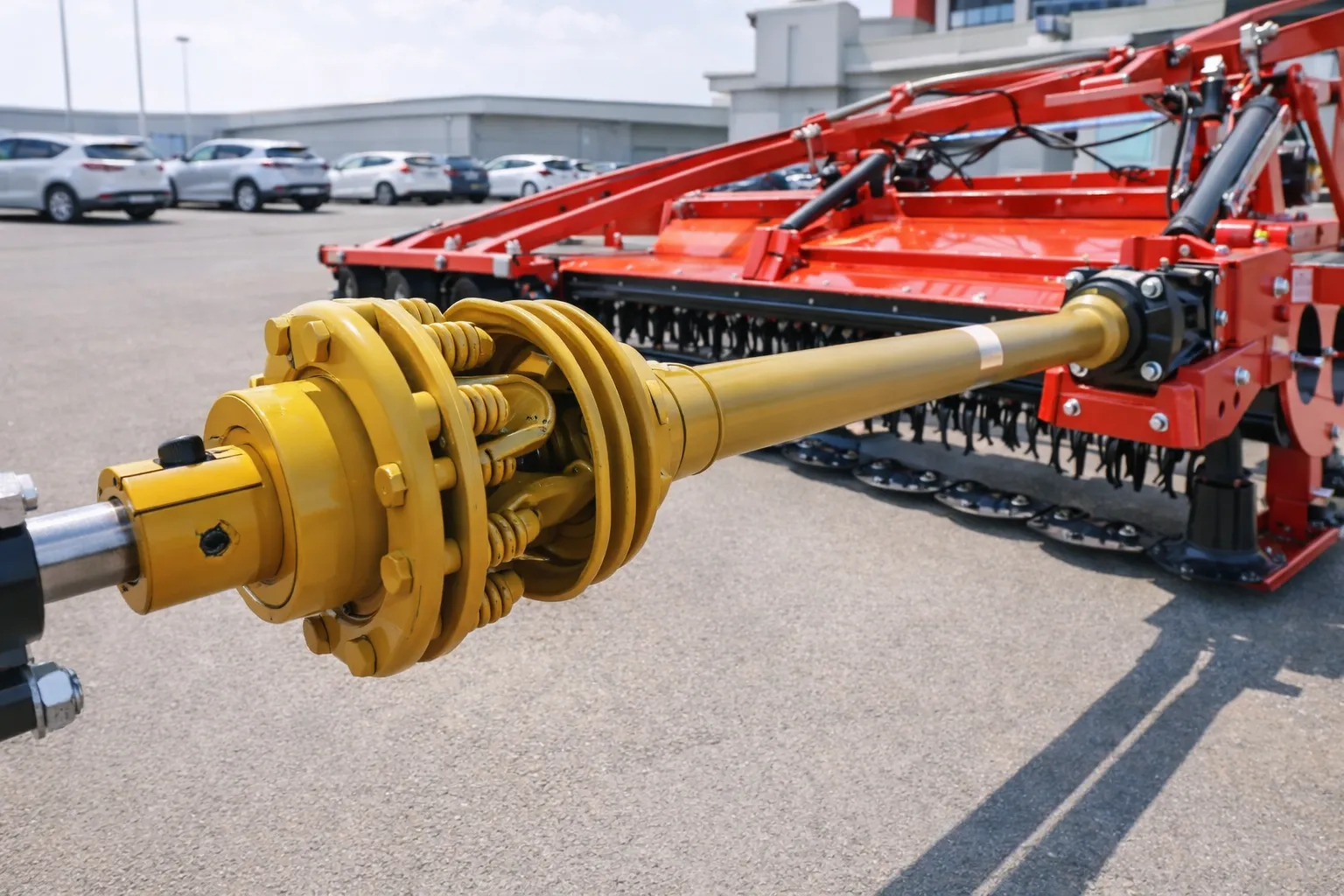
A roller conditioner consists of two counter-rotating cylindrical rolls — typically one steel crimper roll and one rubber or polyurethane roll, or two rubber rolls of different hardness — that are positioned immediately behind the cutterbar. As the cut crop falls into the nip between the two rollers, the rollers grip and squeeze each stem along its entire length, cracking the outer cuticle and crushing the stem’s cellular structure in a series of longitudinal lines.
The roller gap setting (distance between the two roll surfaces) determines conditioning intensity. A tighter gap produces more aggressive crushing — faster drying but higher risk of stem breakage and leaf pinching. A wider gap produces gentler conditioning — slightly slower drying but better leaf and stem integrity. The ideal gap for alfalfa is typically 1–3mm; for thick-stemmed grasses, 3–5mm may be needed to allow stems to pass without plugging.
Well-adjusted roller conditioners reduce drying time by 30–50% compared to unconditioned mowing on alfalfa. The drying rate advantage is most pronounced in the first 12–24 hours after cutting when moisture in the stem cortex is highest and the cuticle normally limits evaporation most severely. After the initial moisture drop, the drying rate of conditioned and unconditioned hay converges as remaining moisture diffuses from deeper tissue layers regardless of cuticle condition.
Flail Conditioner: Mechanism, Performance, and Best Applications
A flail conditioner uses a high-speed rotor fitted with hinged Y-shaped or paddle-shaped flails that strike the cut crop at high velocity. The impact shreds and splits the stem surface more aggressively than rollers, creating a roughened stem surface with many fissures — more points of moisture exit than roller conditioning produces. The aggressive action comes at a cost: the same forces that shred stems also fracture leaf petioles and dislodge dry leaves from the stem.
Flail conditioning typically reduces drying time by 40–60% vs. unconditioned mowing — 10–20 percentage points more than roller conditioning achieves. For thick-stemmed crops like orchardgrass, tall fescue, and reed canarygrass, the flail’s more aggressive shredding action penetrates the dense outer stem wall more effectively than rollers can. Where maximum drying speed is the priority — particularly in regions with unreliable post-cutting weather windows — the flail’s superior speed advantage is meaningful.
The flail’s high-velocity impact also strikes leaves — not just stems. On alfalfa, where leaves are 45% of dry matter and 70% of protein value, the higher leaf loss from flail conditioning can offset the quality benefit from faster drying. Research comparing roller and flail conditioning on alfalfa consistently shows 3–8% higher dry matter losses (primarily leaf) with flail conditioning. For a 200-ton alfalfa operation, that 4% average DM loss represents 8 tons — significant at any hay price.
The Operating Parameters That Determine Conditioning Quality
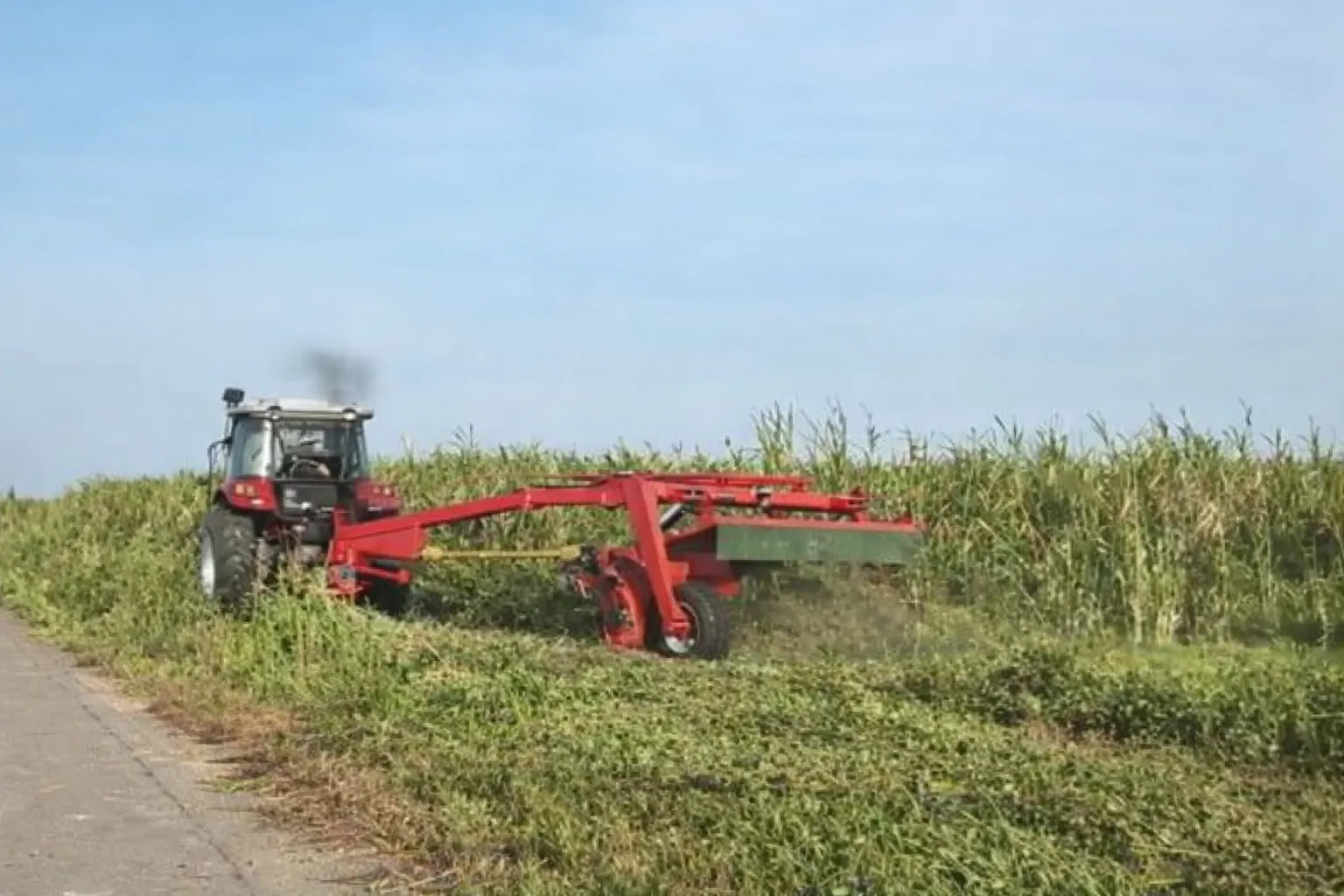
For both conditioner types, the operating parameters that the operator controls determine actual conditioning quality — the machine’s theoretical maximum performance is often not achieved in practice because of incorrect parameter settings.
Power Requirements and Tractor Compatibility
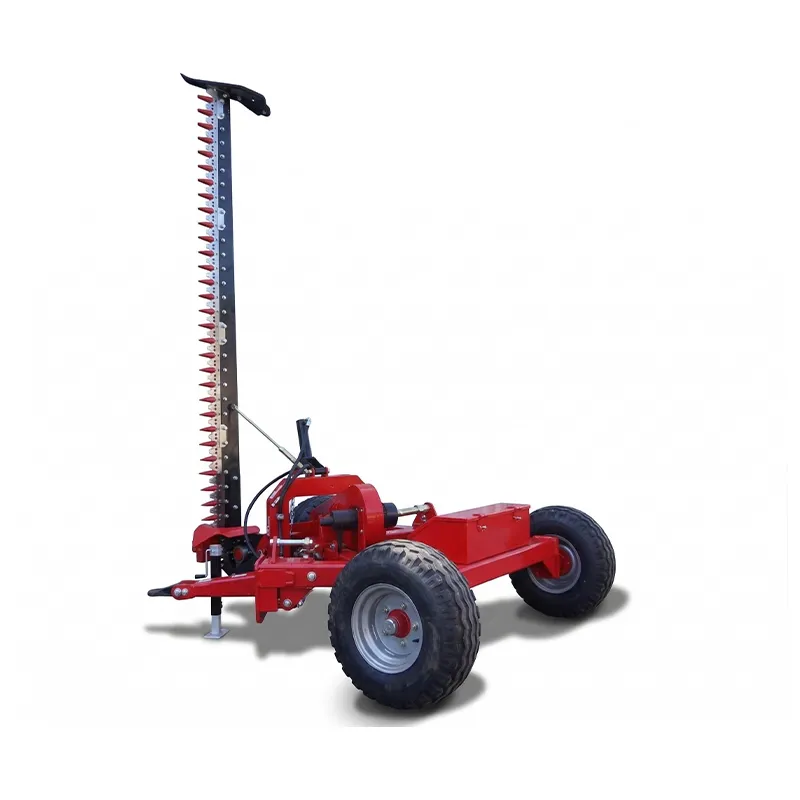
Mower-conditioner HP requirements vary significantly by cutterbar width, conditioner type, and operating speed. Correctly sizing the tractor prevents under-powered operation in heavy first-cut conditions.
| Machine size / type | Min HP (light crop) | HP recomendado | Notas |
|---|---|---|---|
| 2.2–2.5m roller conditioner | 45 HP | 60–80 HP | Most common small-farm size; suits utility tractors |
| 2.5–3.0m roller conditioner | 65 HP | 80–110 HP | Mid-size commercial; standard for 100–400 acre operations |
| 3.0–4.0m roller conditioner | 80 HP | 110–140 HP | Large commercial; heavy first cut requires full HP range |
| 2.5–3.0m flail conditioner | 70 HP | 90–120 HP | Flail rotor adds 15–25 HP over equivalent roller model |
| 3.0–4.0m flail conditioner | 95 HP | 130–160 HP | Heaviest-demand option; suits large row-crop tractors |
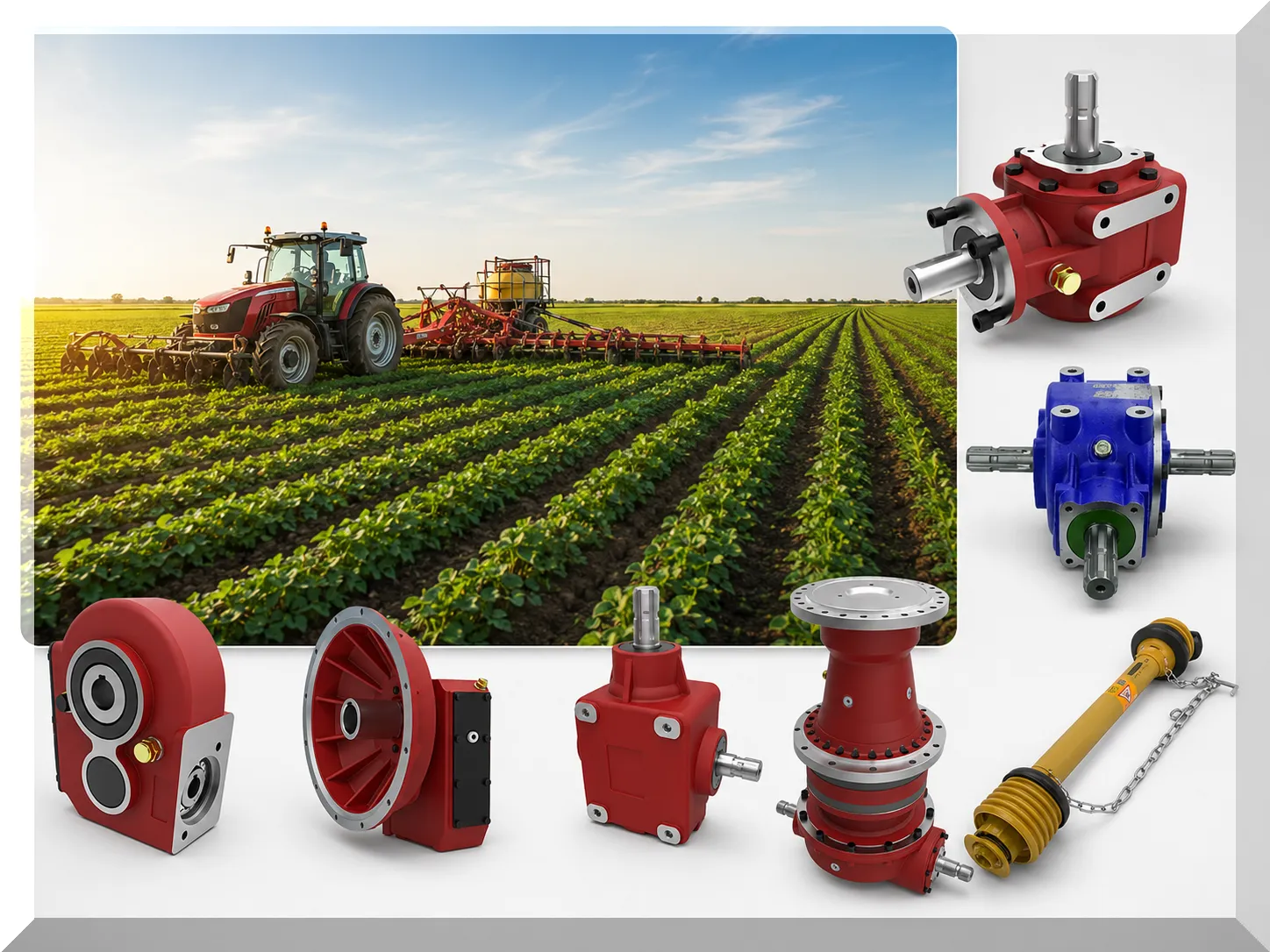
The gearbox and PTO driveline specifications — including the input shaft torque ratings and recommended PTO shaft series for mower-conditioner power delivery — are documented in Especificações dos componentes da caixa de engrenagens e da transmissão da tomada de força (TDF) para uso agrícola. The full mower-type comparison — disc mower vs sickle bar and their respective HP requirements, blade wear rates, and terrain suitability — is in the disc mower vs sickle bar comparison guide. The workflow decisions that fit mower-conditioner selection into the full hay production sequence are covered in the hay making workflow optimization guide.
Maintenance Priorities by Conditioner Type
- Roll surface inspection: Examine the conditioning pattern on the roll surface each season — worn grooves on steel crimping rolls reduce conditioning effectiveness; replace when groove depth is below 50% of original
- Gap setting verification: Check roller gap with a feeler gauge each season — springs relax over time, allowing the gap to widen beyond the intended setting
- Bearing inspection: The roll end bearings carry high radial loads; heat-test after each operation day during heavy-use periods
- Rubber roll hardness: On rubber-steel roll combinations, the rubber roll hardens with age and UV exposure, reducing its ability to conform to stem shape; replace every 3–5 seasons
- Flail inspection: Each flail should be checked for impact damage, bent tips, and fatigue cracks at the pivot pin hole — a cracked flail can separate at high speed creating a projectile hazard
- Rotor balance: Missing or uneven flails create rotor imbalance; replace flails in matched sets across the full rotor width to maintain balance
- Rotor bearing inspection: The central rotor bearings carry high dynamic loads from flail impact; inspect annually and replace every 2–3 seasons in heavy use
- Baffle plate wear: The rear baffle plate that the flails sweep against wears faster than any other component; inspect annually and replace before wear creates a gap that allows crop to bypass conditioning
Swath Width Management: Wide vs Narrow Lay for Different Drying Conditions
The deflector plate on most mower-conditioners allows the operator to control how wide or narrow the cut crop is deposited behind the conditioner. This swath width decision interacts with conditioning type to determine overall drying rate and final windrow quality.
Spreading the crop across the full or near-full cutting width maximizes sun and airflow exposure. In high-risk weather conditions where rapid drying is critical, wide swathing after roller conditioning can match or exceed the drying rate of flail conditioning without the leaf loss penalty. Requires a raking pass to form windrows before baling — adds one field operation but improves quality in wet or cloudy conditions.
A narrow, concentrated windrow reduces the surface area exposed to sun and wind but reduces soil contamination risk, minimizes equipment tire traffic on cut crop, and allows the baler to pick up without a raking pass. Preferred when drying conditions are excellent (low humidity, moderate temperature, light wind) and quality-protection from minimum handling outweighs drying speed. For premium export alfalfa in good drying weather, narrow swath with no raking pass is the minimum-handling approach.
For most commercial hay operations, a medium-width swath — roughly 60–70% of the cutting width — balances drying speed and handling. The crop dries faster than a narrow windrow but does not require a separate tedding pass. One raking pass consolidates the medium swath into a baler-width windrow before pickup. This is the practical default setting for most conditions.
Mower-Conditioner Selection FAQs

Get a Mower-Conditioner Matched to Your Crop and Tractor
Tell us your primary crop, annual acreage, tractor HP, and target market. We recommend the cutterbar width, conditioner type, and roller gap specification that optimizes drying speed and leaf retention for your operation.
Editor: Cxm


