
A decisão sobre o formato: o que realmente determina a escolha certa?
A decisão entre enfardadeira redonda e enfardadeira quadrada pequena é influenciada por quatro fatores que não têm nada a ver com qual enfardadeira é "melhor": quem compra seu feno e qual o formato de fardo exigido, quanta mão de obra você tem disponível (ou está disposto a pagar), qual a potência do seu trator e qual o seu volume de produção anual. Tenha clareza sobre esses quatro fatores e o formato ideal geralmente se torna evidente.
Fardos quadrados pequenos — geralmente de 18 a 30 kg e com dimensões de 35 x 45 x 90 cm — são o formato preferido para pequenas fazendas de gado, criações de cavalos, vendas diretas de feno no varejo e qualquer comprador que manuseie os fardos manualmente ou com equipamentos leves. Fardos redondos — de 180 a 680 kg, dependendo do tamanho — são o formato preferido para operações pecuárias maiores que utilizam carregadeira de trator para alimentação diária, compradores comerciais de feno e mercados de exportação. Essas preferências de mercado não são arbitrárias: refletem diferenças reais na capacidade de manuseio que não podem ser compensadas pela escolha de um formato diferente, contrariando a preferência do comprador.
Enfardadeira de fardos quadrados pequenos: mecânica, mercados e aplicações ideais
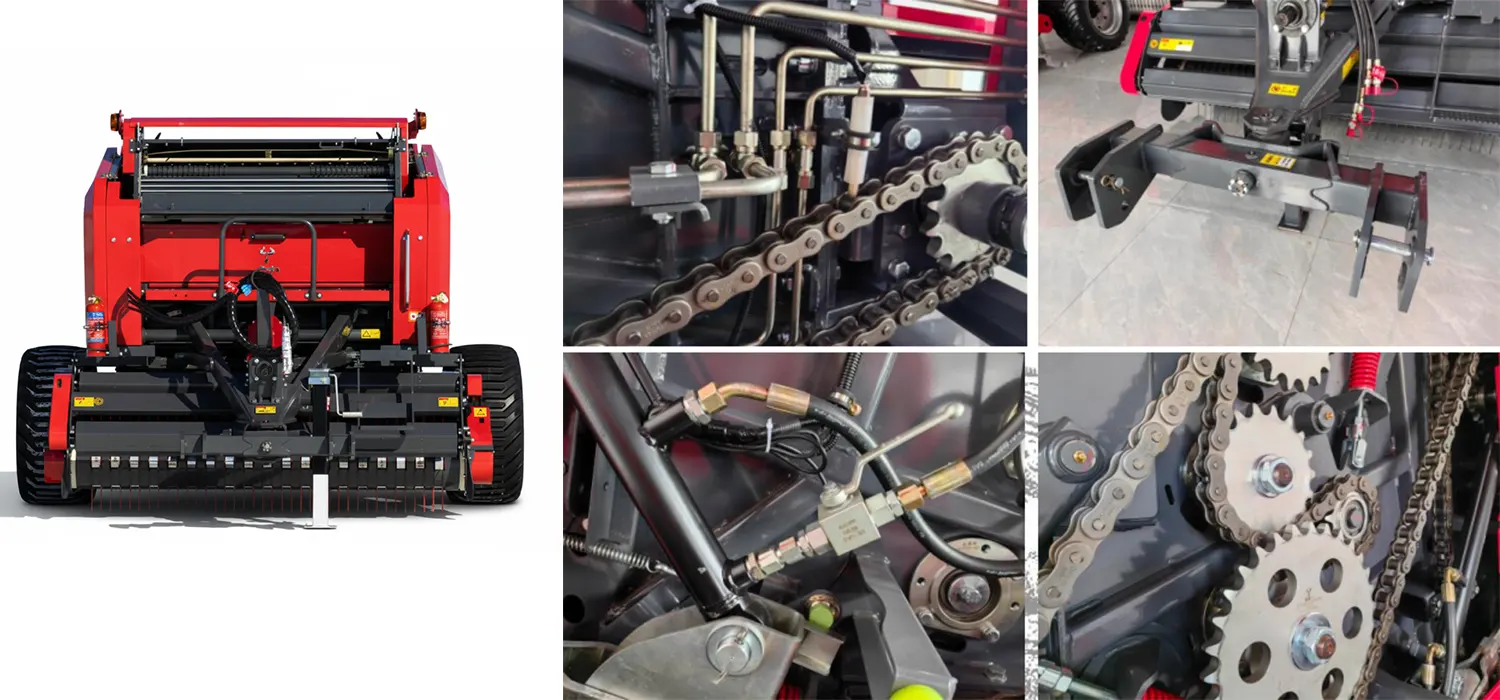
Uma enfardadeira de fardos quadrados pequenos recolhe a leira, alimenta a colheita em uma câmara retangular, comprime-a até obter uma seção transversal uniforme e amarra o fardo com dois ou três cordões que são automaticamente atados pelo mecanismo de amarração. Os fardos são ejetados para trás, em uma calha, acumulador ou vagão. Todo o ciclo de formação do fardo é contínuo — ao contrário das enfardadeiras de fardos redondos, a enfardadeira de fardos quadrados pequenos não para para o enfardamento.
- Mercados de cavalos e pequenos animais: A maioria dos compradores de equinos exige ou prefere fortemente pequenos quadrados para alimentação manual sem equipamentos.
- Vendas diretas no varejo e em pontos de venda agrícolas: Os fardos quadrados pequenos são o único formato prático para consumidores que compram de 10 a 50 fardos por vez, sem equipamentos para manuseio.
- Preço premium por tonelada: O feno em fardos quadrados pequenos é vendido regularmente a $30–$80/tonelada acima do feno em fardos redondos para mercados especializados que exigem esse formato.
- Operações de baixo volume: Em volumes inferiores a 100 toneladas/ano, onde o custo de capital é mais relevante, o custo de equipamentos para enfardadeiras de fardos quadrados pequenos é menor do que o de enfardadeiras de fardos redondos comerciais.
- Situações de alimentação manual: Qualquer operação em que o usuário final alimenta o sistema manualmente em vez de usar um carregador.
- Requisitos de mão de obra: Empilhar fardos pequenos quadrados exige de 4 a 8 vezes mais mão de obra por tonelada do que manusear fardos redondos — o que limita as operações à disponibilidade de mão de obra familiar ou à aceitação de altos custos de mão de obra contratada.
- Capacidade de produção em grande escala: Acima de 200 toneladas/ano, pequenos gargalos de mão de obra em fardos quadrados reduzem significativamente a velocidade da operação em comparação com o enfardamento de fardos redondos.
- Perdas por armazenamento ao ar livre: Fardos pequenos quadrados armazenados ao ar livre perdem mais matéria seca do que fardos redondos, porque as superfícies planas acumulam e retêm umidade; o armazenamento coberto é essencial para a preservação da qualidade.
- Incompatibilidade de silagem: A ensilagem em fardos quadrados pequenos não é prática — a silagem em fardos redondos é o único formato viável de silagem enfardada.
Enfardadeira de fardos redondos: onde o formato oferece vantagens estruturais
A vantagem mecânica da enfardadeira de fardos redondos reside na automação: o fardo é formado, embalado e ejetado por um único operador, sem necessidade de mão de obra adicional na enfardadeira. Os fardos redondos também escoam a água da chuva em sua superfície curva — uma propriedade que torna o armazenamento ao ar livre significativamente mais prático do que para fardos quadrados, sejam eles pequenos ou grandes. As limitações do formato redondo são a sua incompatibilidade com mercados que exigem fardos de tamanhos que permitam o manuseio manual e o maior peso por fardo, o que exclui pequenas propriedades pecuárias sem equipamentos de carregamento.
Um único operador pode enfardar e descarregar o feno sem necessidade de mão de obra adicional na enfardadeira. Os sistemas automáticos de envolvimento em rede reduzem ainda mais a intervenção do operador, limitando-o à condução do trator. Para operações agrícolas onde a colheita individual é a norma, a enfardadeira de fardos redondos é a única opção prática.
Fardos redondos envoltos em rede, armazenados sobre uma base de cascalho com espaçamento correto entre as fileiras, perdem de 5 a 12 toneladas de matéria seca (MS) durante um período de armazenamento ao ar livre de 6 meses — uma perda administrável para operações comerciais sem armazenamento coberto. Os fardos quadrados pequenos equivalentes, armazenados ao ar livre, perdem de 15 a 35 toneladas de MS. Se o armazenamento coberto não estiver disponível, os fardos redondos são o único formato viável para armazenamento ao ar livre.
A silagem em fardos redondos (enfardada com umidade entre 40 e 60 TP5T e envolta em filme plástico) é o formato dominante de silagem em fardos envoltos. A silagem em pequenos quadrados é tecnicamente possível, mas raramente praticada — o enfardamento individual de pequenos quadrados com filme plástico é impraticável. As operações que produzem tanto feno seco quanto silagem essencialmente necessitam de uma enfardadeira de fardos redondos para a produção de silagem.
Mão de obra e produtividade: a diferença operacional mais decisiva

Enfardamento: 1 operador × 4 horas = 4 horas-homem
Empilhamento no campo (com acumulador e vagão): 2 operadores × 4 horas = 8 horas-pessoa
Descarregar e empilhar no celeiro: 3 operadores × 3 horas = 9 horas-homem
Total: 21 horas-homem por 100 toneladas
Enfardamento: 1 operador × 4 horas = 4 horas-homem
Coleta em campo (garfa na carregadeira): 1 operador × 1,5 horas = 1,5 horas-pessoa
Transferência para o local de armazenamento: 1 operador × 0,5 horas = 0,5 horas-pessoa
Total: 6 horas-homem por 100 toneladas — 72% menos mão de obra
Para operações que pagam mão de obra contratada a $18–$25/hora, a diferença de 15 horas-homem em uma operação de 100 toneladas representa um custo adicional de mão de obra de $270–$375 por 100 toneladas para fardos quadrados pequenos em comparação com fardos redondos. Em uma produção anual de 500 toneladas, essa diferença é de $1.350–$1.875/ano — significativa, mas frequentemente compensada pelo preço premium dos fardos quadrados pequenos em mercados que o pagam. As estratégias de alimentação que minimizam a mão de obra na distribuição para operações com fardos redondos são abordadas em [referência omitida]. Guia de estratégias de alimentação com fardos redondos.
Acesso ao mercado e prêmio de preço: adequando o formato ao comprador
| Tipo de comprador | Formato preferido | Preço adicional para quadrados pequenos | Justificativa |
|---|---|---|---|
| Proprietários de cavalos / operações equinas | Pequeno quadrado | $30–$80/tonelada | Alimentação manual sem trator; verificação visual da qualidade fardo por fardo. |
| Pequenas fazendas de lazer e propriedades rurais | Pequeno quadrado | $40–$100/tonelada | Sem carregadeira; pequenas quantidades; compra a varejo fardo a fardo |
| Operações de cria e recria de gado | fardo redondo | Nenhuma — formato redondo é preferível. | Equipada com carregadeira; alimente o rebanho com fardos redondos utilizando alimentadores circulares. |
| Operações de laticínios (grande porte) | Redondo ou quadrado grande | Quadrado pequeno não é o preferido | Altas exigências diárias de tonelagem; sistemas de alimentação mecanizados |
| elevadores comerciais de feno | Preferência por formato quadrado grande | Quadrado pequeno: desconto significativo | Eficiência no transporte; equipamentos de elevador dimensionados para formatos grandes ou circulares. |
A enfardadeira de fardos quadrados grandes — um terceiro formato não abordado aqui — ocupa o mercado de elevadores comerciais e de exportação entre os formatos de enfardadeiras de fardos quadrados pequenos e redondos. A comparação detalhada entre a enfardadeira de fardos quadrados grandes e a de fardos redondos, incluindo a diferença no custo de capital e o volume de produção necessário para justificar a aquisição de uma enfardadeira de fardos quadrados grandes, encontra-se no [referência omitida]. Guia de enfardadeiras redondas versus enfardadeiras quadradas grandesAs especificações da linha de transmissão da tomada de força (PTO) para sistemas de acionamento de enfardadeiras de fardos quadrados e redondos de pequeno porte estão em Especificações dos componentes da caixa de engrenagens e da transmissão da tomada de força (TDF) para uso agrícola.
Tabela de comparação direta
| Dimensão | Pequeno quadrado | Fardo redondo (4×5) | Vantagem |
|---|---|---|---|
| Peso do fardo | 40–65 libras | 700–1.400 libras | SS para manual; redondo para mecanizado |
| Mão de obra por tonelada | Alto | Baixo ✓ | Redondo — 72% menos mão de obra por tonelada típica |
| Prêmio de varejo/cavalo | $30–$100/tonelada premium ✓ | Sem taxa adicional para pequenos varejistas. | SS para mercados especializados/diretos |
| Adequação para armazenamento ao ar livre | Ruim (perda de DM de 15–35%) | Bom (perda de DM de 5–12%) ✓ | Redondo — escoa a chuva sobre uma superfície curva. |
| Capacidade de ensilagem | Nenhum | Excelente ✓ | A silagem em fardos redondos é um mercado importante. |
| Custo de novos equipamentos | $6k–$18k ✓ | $15k–$40k | SS menor capital inicial na mesma área |
| Operação individual | Difícil (precisa de ajuda para empilhar) | Fácil (enrolamento automático, um operador) ✓ | Round — sistema verdadeiramente operado por um único operador |
Executando ambas as abordagens: quando a abordagem híbrida faz sentido
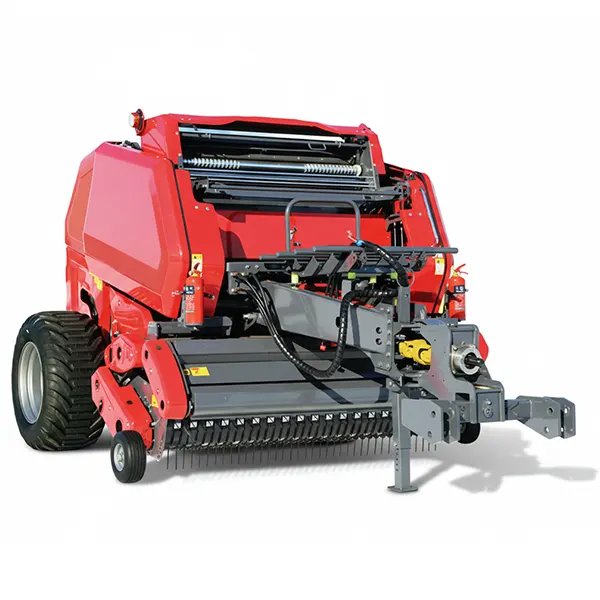
Algumas operações comerciais de feno utilizam tanto uma enfardadeira de fardos quadrados pequenos quanto uma enfardadeira de fardos redondos nos mesmos campos, destinando os cortes de melhor qualidade (alfafa premium em maturação ideal) à produção de fardos quadrados pequenos para o mercado de cavalos, e direcionando os cortes mais pesados/de menor qualidade para a produção de fardos redondos para o mercado de gado. Essa abordagem híbrida permite obter o preço premium onde a qualidade o justifica, mantendo a eficiência de mão de obra da enfardagem em fardos redondos para a maior parte do volume de produção.
Comparação entre custo de capital e valor de propriedade em 10 anos
Com o mesmo volume de produção, as enfardadeiras de fardos quadrados pequenos têm preços de compra mais baixos, mas custos operacionais mais altos (principalmente mão de obra). As enfardadeiras de fardos redondos têm preços de compra mais altos, mas custos operacionais mais baixos. O ponto de equilíbrio — onde um formato se torna mais barato em uma base de custo total de 10 anos — depende das suas premissas específicas de custo de mão de obra e prêmio de preço.
Custo de propriedade de 10 anos: $8.400 | Média anual de reparos: $800/ano = $8.000 | Envoltório/fio de rede: $1.400/ano = $14.000 | Combustível: $600/ano = $6.000 | Total de 10 anos: $36.400 → $18,20/tonelada
Receita: 200 toneladas × $280/tonelada em média = $56.000/ano
Custo de propriedade em 10 anos: $15.400 | Média anual de reparos: $1.200/ano = $12.000 | Custo líquido: $1.800/ano = $18.000 | Combustível: $800/ano = $8.000 | Total de 10 anos: $53.400 → $26,70/tonelada
Receita: 200 toneladas × $220/tonelada em média = $44.000/ano
Perguntas frequentes sobre enfardadeiras de fardos pequenos quadrados versus redondos
Obtenha uma recomendação de formato e modelo de enfardadeira para seus mercados.
Informe-nos o perfil do seu principal comprador, a meta de produção anual, a potência do trator (HP) e a disponibilidade de mão de obra. Recomendamos o formato e o modelo que proporcionam o melhor resultado financeiro para o seu mercado específico e o porte da sua operação.
Editor: Cxm


