
Son 90 Gün Kısrak Saman Yönetiminde Her Şeyi Neden Değiştirdi?
Kısrakların 11 aylık gebeliğinin büyük bir bölümünde, saman yönetimi, hafif iş yükü altındaki herhangi bir yetişkin atla aynı genel prensiplere uyar: yeterli protein, makul yem kalitesi ve dengeli mineraller. Doğumdan önceki son 90 gün ise temelde farklıdır. Fetal büyüme eğrisi doğrusal değildir: tayın toplam doğum ağırlığının yaklaşık 65-701 tonluk kısmı son üç aylık dönemde birikir ve bu da besin ihtiyacının katlanarak arttığı bir döneme yol açar. Aynı zamanda, kısrağın endokrin sistemi doğum, kolostrum üretimi ve emzirme için hazırlanır ve bu süreç, diyetteki katyon dengesine -özellikle de diyetteki potasyumun diğer minerallere oranına- son derece duyarlıdır. Bu dönemde saman seçiminin yanlış yapılması küçük bir kalite farkına yol açmaz; sütü olmayan bir kısrağa, acil veteriner müdahalesi gerektiren plasenta retansiyonuna veya yetersiz pasif bağışıklığa sahip bir taya neden olabilir.
Potasyum Sorunu: Doğuma Yakın Dönemde Yüksek Potasyumlu Samanın Neden Tehlikeli Olduğu
Kısraklarda doğum öncesi hipokalsemi (düşük kan kalsiyumu) ile diyet potasyumu arasındaki bağlantı, atların doğum öncesi beslenmesinde en pratik öneme sahip ancak en az anlaşılan kavramlardan biridir. Mekanizma, pozitif yüklü diyet mineralleri (başlıca sodyum, potasyum) ve negatif yüklü mineraller (başlıca klorür, kükürt) arasındaki dengeyi ölçen diyet katyon-anyon farkı (DCAD) ile ilgilidir. DCAD güçlü bir şekilde pozitif olduğunda (klorür ve kükürte göre yüksek potasyum ve sodyum), vücudun asit-baz düzenleyici sistemi, kritik doğum öncesi dönemde kemiklerden kalsiyumun hormonal olarak mobilize edilmesini engelleyecek şekilde tepki verir.
Doğumdan önceki günlerde, kısrağın paratiroid hormonu (PTH), kolostrum üretiminin muazzam kalsiyum ihtiyacını karşılamak için kemik rezervlerinden kalsiyum salınımını tetiklemelidir. Yüksek K içerikli samandan kaynaklanan güçlü bir DCAD (Dinamik Kalsiyum Alkalin Aktivasyon İndeksi), vücudu metabolik alkalozise doğru hafifçe kaydırır; bu, dokuların PTH'ye verdiği yanıtı körelten alkali bir durumdur. Kalsiyum reseptörleri PTH sinyaline daha az verimli yanıt verir ve kısrak, kemik kalsiyum rezervlerini kolostrumun gerektirdiği hızda mobilize edemez. Sonuç: kan kalsiyumu düşer (hipokalsemi), kas güçsüzlüğü gelişir, kolostrum kalsiyum konsantrasyonu düşer ve şiddetli vakalarda kısrak ayakta duramaz veya tayı emziremez. Aynı mekanizma, yüksek K içerikli ilkbahar otu tüketen sığırlarda "çim tetanisi"ne ve yüksek verimli süt ineklerinde "süt humması"na neden olur; atlardaki versiyonu daha az sıklıkla bilinir ancak kısraklarda klinik olarak önemlidir.
Kırmızı yonca samanı: 2.0–3.0% K — çok yüksek; gebeliğin son dönemlerinde kaçınılmalıdır.
Çayır otu samanı: 1.0–2.0% K (oldukça değişken; test, partiye özel)
Timothy otu: 0,8–1,5% K — genellikle hedef aralığında veya hedef yakınında
Teff otu samanı: 0,8–1,4% K — sürekli düşük; mükemmel seçim
Bermuda çimi samanı: 0.9–1.8% K (değişken; test)
Yerli ot samanı: 0,6–1,2% K — tipik olarak düşük
Yonca-çim 50/50 karışımı: 1.3–2.0% K — test spesifik parti
Çayır Otu Samanı ve Gebe Kısraklar: Pazarlık Edilemez Bir Geri Çekme Şartı
Zehirli endofit ile enfekte olmuş tarlalardan elde edilen uzun yapraklı çim samanı (Ewichloë coenophialaZehirli çayır otu (FD) at yetiştiriciliğinde en iyi belgelenmiş üreme tehlikelerinden biridir. Endofit tarafından üretilen ergovalin, süt üretimini, kolostrum salgılanmasını ve normal doğumda yer alan çeşitli süreçleri tetikleyen hormon olan prolaktini baskılar. Gebeliğin son döneminde zehirli çayır otuyla beslenen kısraklar için sonuçlar klinik olarak ciddidir ve sıklıkla acil veteriner müdahalesi gerektirir. Kentucky Üniversitesi ve diğer at araştırmaları programları, bu sonuçları birden fazla çalışma popülasyonunda tutarlı bir şekilde belgelemiştir.
Ergovalinin prolaktin üzerindeki etkisi anlık değildir; haftalarca süren maruz kalma sonucunda birikir ve kaynak ortadan kaldırıldıktan sonra yavaşça temizlenir. Beklenen doğum tarihinden 60 gün önce kısrağı çayır otundan uzaklaştırmak, ergovalinin sistemden temizlenmesi ve kolostrum üretimi başlamadan önce prolaktin seviyelerinin normale dönmesi için yeterli zaman sağlar. Çoğu at veteriner hekimi, çayır otuyla ilgili sorun geçmişi olan kısraklar, 15 yaşın üzerindeki kısraklar veya ilk doğumunu yapan kısraklar için daha ihtiyatlı bir süre olarak 90 günü önermektedir. Bu geri çekme hem çayır otu hem de çayır otu için geçerlidir; her iki kaynak da önemli konsantrasyonlarda ergovalin içerir.
Yeni endofitli çayır otu çeşitleri (MaxQ ve diğerleri) ergovalin üretmez ve kontrollü çalışmalarda toksik endofitli çayır otuyla ilişkili klasik üreme komplikasyonlarına neden olmadığı gösterilmiştir. Bununla birlikte, çoğu at veteriner hekimi, doğuma yakın bir dönemde önlem olarak tüm çayır otu samanlarından (yeni endofitli çeşitler de dahil olmak üzere) 60 günlük bir çekilme süresi önermektedir. Bunun nedeni: üreme açısından riskler yüksektir, temiz alternatifleri olan bir samanda çekilmenin maliyeti yoktur ve yeni endofit kaynaklı saman önerilerine olan güven marjı mutlak değildir. Kısraklarınızın geçmişi ve saman tedarik durumunuzla ilgili özel rehberlik için veteriner hekiminize danışın.
Otların Yetiştirilme Güvenliği (Üç Aylık Dönemlere Göre): Trafik Işığı Kılavuzu
Kısraklar için saman önerilerinin tamamı 11 aylık gebelik süresi boyunca aynı değildir. K maddesiyle ilgili endişe esas olarak gebeliğin son dönemlerinde ortaya çıkar; çayır otundan (fescue) gebelik boyunca kaçınılmalıdır; bazı baklagillerin kalite avantajları gebeliğin son dönemlerinden ziyade erken dönemlerinde daha belirgindir. Bu üç aylık dönemlere göre düzenlenmiş kılavuz, en yaygın olarak bulunan saman türlerinin her biri için özel rehberlik sağlamaktadır.
| Saman türleri | Gebeliğin erken-orta dönemi 1-7. Aylar |
Gebeliğin son dönemi 8-10. Aylar |
Son 30 gün Doğum öncesi |
Emzirme Doğum sonrası |
|---|---|---|---|---|
| Timothy samanı | ✓ GÜVENLİ | ✓ GÜVENLİ | ✓ GÜVENLİ (test K) | ✓ GÜVENLİ |
| Teff otu samanı | ✓ GÜVENLİ | ✓ GÜVENLİ | ✓ TERCİH EDİLEN | ✓ GÜVENLİ |
| Bermuda çimi samanı | ✓ GÜVENLİ | ✓ GÜVENLİ | ⚠ TEST K | ✓ GÜVENLİ |
| Çayır otu samanı | ✓ GÜVENLİ | ✓ GÜVENLİ | ⚠ K TESTİNE MUTLAKA BAŞVURUN | ✓ GÜVENLİ |
| Yonca samanı | ✓ GÜVENLİ | ⚠ MONİTÖR K | ⚠ TEST — sınırlayın veya karıştırın | ✓ MÜKEMMEL |
| Yerli ot samanı | ✓ GÜVENLİ | ✓ GÜVENLİ | ✓ GÜVENLİ | ⚠ Protein takviyesi |
| Kırmızı yonca samanı | ⚠ DİKKAT (slaframin) | ✗ KAÇININ (yüksek K) | ✗ KAÇININ | ⚠ Sınırlı kullanım |
| Zehirli çayır otu (KY-31) | ✗ Gebelikten tamamen kaçının | ✗ KAÇININ | ✗ KESİNLİKLE HAYIR | ✗ KAÇININ (sütü etkiler) |
Gebeliğin Son Döneminde Yonca: Pratik Denge
Gebeliğin son döneminde yonca kullanımı sorusu, kısrak sahipleri ve saman üreticileri arasında gerçek bir belirsizlik yaratıyor çünkü cevabı oldukça karmaşık. Yonca, gebeliğin büyük bir bölümünde ve emzirme döneminde kısraklar için mükemmel bir saman türüdür; kalsiyum içeriği (1,2–2,0%) kısrağın kemik kalsiyum mobilizasyonunu ve kolostrum üretimini desteklerken, protein içeriği (18–24% CP) fetüsün gelişimini destekler. Asıl endişe kaynağı, kalsiyum mobilizasyonunda DCAD etkisinin en kritik olduğu doğumdan önceki son 30 gün ve potasyum içeriğidir.
8-10. aylar (gebelik döneminin son evresi): Saf yoncadan yonca- çim karışımına geçiş yapın. İyi yönetilen bir karışım genellikle 1,3–1,8% K değerinde test edilir; bu değer kabul edilebilir aralıkta veya yakınındadır. Belirli karışımın K değerini, ona güvenmeden önce test edin.
Son 30 gün (doğumdan önce): Mümkünse saf çim samanı (timothy, teff, düşük K içerikli test edilmiş çayır otu) tercih edilir. Yonca-çim karışımının K değeri 1,5%'nin altında ise, veteriner hekimin gözetiminde kullanılmaya devam edilebilir. 2,0–2,8% K değerindeki saf yonca, son 30 gün için tek başına saman olarak genellikle önerilmez.
Kısrak doğum yaptıktan sonra, potasyum kısıtlaması endişesi önemli ölçüde azalır. Süt veren kısrağın muazzam enerji ve kalsiyum ihtiyacı, yonca otunu doğum sonrası için mükemmel bir saman seçeneği haline getirir; yüksek ham protein içeriği süt proteinini destekler, yüksek kalsiyum içeriği kısrağın ürettiği litre başına 4-6 gram kalsiyumu destekler ve yüksek enerji yoğunluğu kısrağın emzirme dönemi boyunca vücut kondisyonunu korumasına yardımcı olur. Kısrakları doğum sonrası uzun süre ot samanıyla besleyen işletmelerde, kısrakların en yüksek süt üretiminin kalori gereksinimlerini karşılayacak kadar ot samanı tüketemedikleri için kondisyonlarının düştüğü sıklıkla görülür. Doğumdan sonraki ilk hafta içinde yonca-ot karışımına veya saf yonca otuna geçiş, çoğu kısrak için uygun bir yönetim şeklidir.
Kısrak Beslenmesi İçin Yem Testi: Ne Sipariş Edilmeli ve Ne Zaman?
Sığır samanı için sipariş edilen standart yem testi (CP, ADF, NDF, TDN), gebeliğin son döneminde samanın güvenliğini belirleyen mineral değerlerini içermediği için kısrak samanı yönetimi için yetersizdir. Potasyum özel olarak talep edilmelidir; NFTA sertifikalı laboratuvarlar tarafından sunulan hiçbir standart panelde yer almamaktadır. Ek mineral testleri, standart bir panele yaklaşık $15–$25 ekler ve son 90 günlük yönetim dönemi için gerekli bilgileri sağlar.
- Kuru madde ve nem
- Ham protein (HP)
- ADF ve NDF
- Kalsiyum (Ca%) — özel olarak talep edilmelidir.
- Potasyum (K%) — özel olarak talep edilmelidir.
- Fosfor (P%) — Ca:P dengesi için
- Magnezyum (Mg%) — K etkileşimiyle ilgili
Her yeni saman partisini, sezon başına sadece bir kez değil, test edin. Potasyum içeriği biçimler arasında önemli ölçüde değişir; ilkbahar samanı, topraktaki potasyum ve toprak neminin yüksek olduğu ilkbahar aylarında potasyum alımının fazla olması nedeniyle, aynı tarladan alınan sonbahar samanına göre genellikle 20-401 TP5T daha yüksek K değeri gösterir. Ekim ayında 1,11 TP5T K değeri gösteren bir sonbahar biçimi timothy samanı, aynı çiftliğin Mayıs biçimi timothy samanını temsil etmeyebilir. Son üç aylık dönem için birincil saman olarak kullanmadan önce her partiyi test edin. At samanı kalite test çerçevesinin tamamı için, ilgili bölüme bakın. At yemi kalitesi ve NSC spesifikasyonları kılavuzu.
Son üç aylık dönem: CP 12–14%; K <1.8% (son 30 gün için ideal olarak <1.5%); Ca 0.5–0.8%
Emzirme: CP 14–16%; Ca 0.6–0.9%; enerji yoğun; K kısıtlaması daha az kritik
Düşük K İçerikli Saman Üretimi: Premium Damızlık Kısrak Pazarı Fırsatı

Küçük ama büyüyen bir saman pazarı segmenti, özellikle kısrak yetiştirme programları için belgelenmiş düşük K içerikli saman talep etmektedir; bunlar arasında safkan at yetiştirme çiftlikleri, sıcakkanlı spor atı yetiştirme işletmeleri ve aktif kısrak programlarına sahip birinci sınıf at pansiyonları yer almaktadır. Bu alıcılar, K içeriğinin 1,5%'nin altında olduğunu doğrulayan belgelenmiş mineral analizine sahip saman için ton başına $20–$40 prim ödemektedir, çünkü bir plasenta retansiyonu veya süt yetersizliği olayının maliyeti, tüm sezonun saman primini birçok kez aşmaktadır. Önemli at yetiştirme işletmelerinin bulunduğu bölgelerdeki saman üreticileri için, bu pazarı anlamak ve bu pazara yönelik üretim yapmak önemli bir gelir fırsatı sunmaktadır.
Toprak potasyum yönetimi, saman K içeriğinin birincil belirleyicisidir. Tarihsel olarak yüksek potasyum verimliliğine sahip tarlalar (yoğun gübre uygulaması, eski K gübrelemesi veya yüksek K ana materyali nedeniyle), türden bağımsız olarak sürekli olarak yüksek K içeriğine sahip saman üretir. Güvenilir bir şekilde düşük K içeriğine sahip saman üretmek için: (1) Toprak K içeriğini test edin; daha düşük kullanılabilir toprak K içeriğine sahip tarlaları hedefleyin; (2) Damızlık kısrak samanı için kullanılan tarlalara potasyum gübresi uygulamayın; (3) Toprak K içeriğinin 2-3 sezon boyunca ürün hasadı yoluyla, yerine yenisi ekilmeden tükenmesine izin verin; (4) İlkbahar biçimlerinden ziyade yaz sonu veya sonbahar biçimlerini hasat edin — sonbahar samanı, lüks alımın azalması nedeniyle aynı tarladan elde edilen ilkbahar samanına göre tipik olarak 20-35% daha düşük K içeriğine sahiptir. Teff otu ve timothy üretim kılavuzları, en tutarlı düşük K içeriğine sahip iki saman türü için türe özgü üretim uygulamalarını kapsamaktadır: Teff otu samanı üretim kılavuzu Ve Timoti otu üretimi ve balyalama kılavuzu.
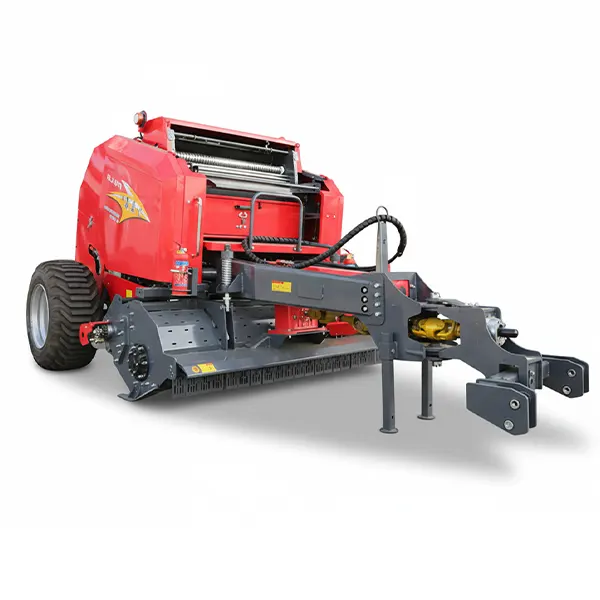
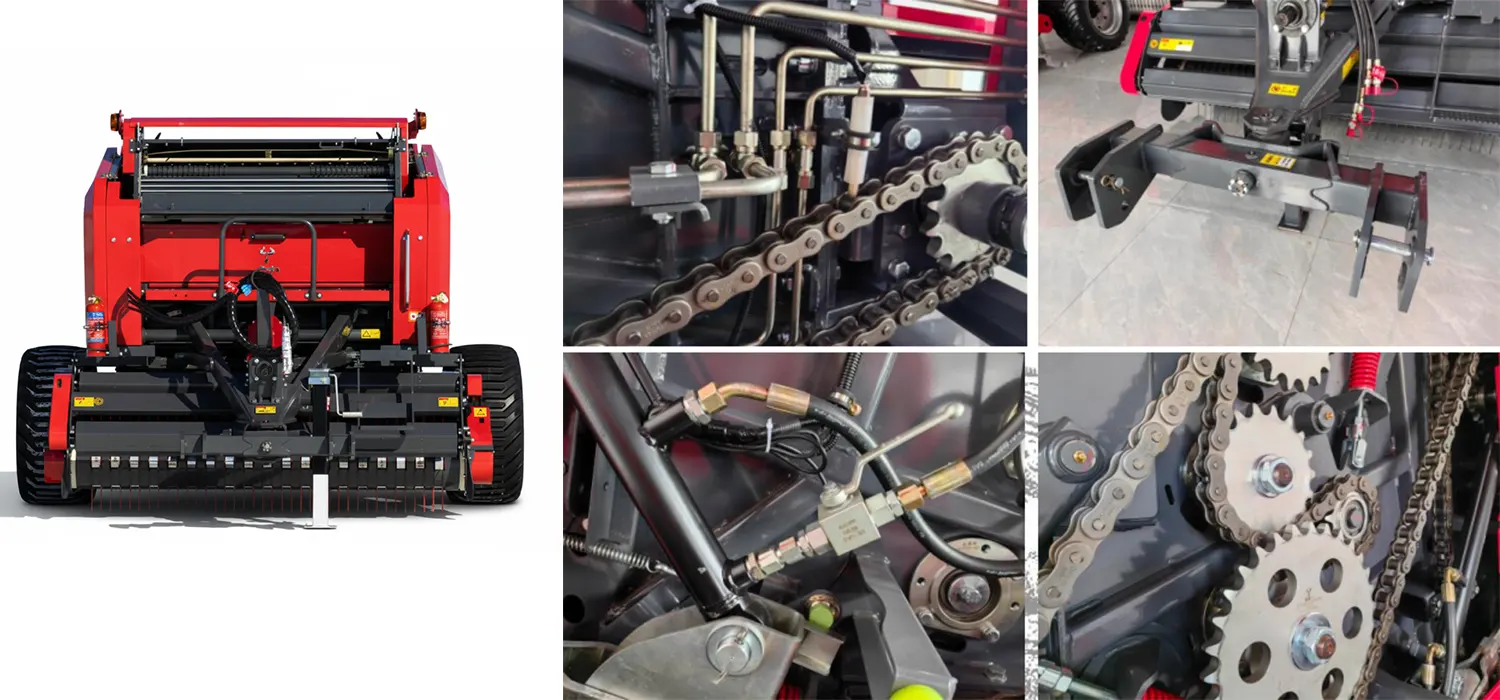
Düşük K içerikli samanı doğrudan yetiştirme çiftliklerine ve at beslenme uzmanlarına pazarlayın; bu alıcılar K:Ca yönetim sorununu anlıyor ve belgelenmiş saman arıyorlar. Her teslimatta tam mineral panel analizini (at için uygun türler için CP, K, Ca, P, Mg, NSC) sağlayın; bu seviyedeki alıcılar belgesiz saman satın almayacaktır. Eşdeğer belgesiz kaliteli timothy veya teff samanına göre ton başına $25–$40 prim belirleyin. Belge paketini oluşturun: düşük K gübreleme geçmişini doğrulayan toprak testi; biçme tarihi ve zamanlaması (sonbahar vs. ilkbahar); tam yem mineral paneli. yuvarlak balya makinesi modelleri Ürün yelpazemizde, birinci sınıf at pazarları için tutarlı, iyi durumda timothy ve teff balyaları üretmeye uygun seçenekler mevcuttur. Eşit kuruma için tutarlı balya yoğunluğu (at pazarı için 1'in altında nem oranına sahip saman üretimi için önemlidir), uygun yoğunluk yay ayarı ve PTO özelliklerini gerektirir. tarımsal şanzıman ve PTO tahrik sistemi bileşenlerinin özellikleri.
Damızlık Kısraklar İçin Saman Hakkında Sıkça Sorulan Sorular
Düşük K İçerikli Damızlık Kısraklar İçin Balya Makinesi Ayarlarını Edinin
Bize kısrak yemi pazarı için hedeflediğiniz saman türünü (teff, timothy, çayır otu veya çim karışımı), üretim bölgenizi, hedef balya boyutunu ve traktörünüzün PTO beygir gücünü bildirin. Biz de kısrak yemi pazarı için birinci sınıf, iyi kurutulmuş saman üretmek üzere yoğunluk, nem hedefi ve şartlandırma özelliklerini onaylıyoruz.
Editör: Cxm


