
Kesim yüksekliğinin hem kaliteyi hem de stand ömrünü nasıl etkilediği
Ot biçme makinesinin kesme yüksekliği aynı anda iki sonucu belirler: her biçimde elde edilen verim ve hasat edilen ağaçlık alanın uzun vadeli sağlığı. Bu iki sonuç zıt yönlerde ilerler; daha düşük kesme yüksekliği dönüm başına daha fazla verim sağlarken, daha yüksek kesme yüksekliği daha fazla taç dokusunu korur ve toprak kirliliğini azaltır. Yönetim görevi, yalnızca tek bir geçişten elde edilen verimi değil, birden fazla yıl boyunca birden fazla biçimde toplam sezon verimini ve kalitesini en üst düzeye çıkaran kesme yüksekliğini bulmaktır.
Özellikle kesim yüksekliğine en duyarlı bitki olan yonca için, taç ve üst kök bölgesi, her biçimden sonra tüm yeniden büyümenin ortaya çıktığı meristem dokusunu içerir. Toprak yüzeyine 2,5 cm'den daha yakın kesim yapan bıçaklar bu taç tomurcuklarına temas eder ve zarar verir, bu da bitkinin güçlü yeniden büyüme kapasitesini kademeli olarak azaltır. Tek bir sezonda 2,5 cm'lik kesimin 7,5 cm'lik kesime göre verim avantajı 5-101 ton/ton'dur; sürekli olarak çok düşük kesim yapmanın beş sezondaki bitki ömrü maliyeti ise 30-40 ton/ton verimli bitki ömrü azalması olabilir. Hesaplamalar, neredeyse tüm ticari senaryolarda yonca için daha yüksek kesimin daha avantajlı olduğunu açıkça göstermektedir.
Biçme Makinesi Türüne ve Mahsule Göre Doğru Kesme Yüksekliği
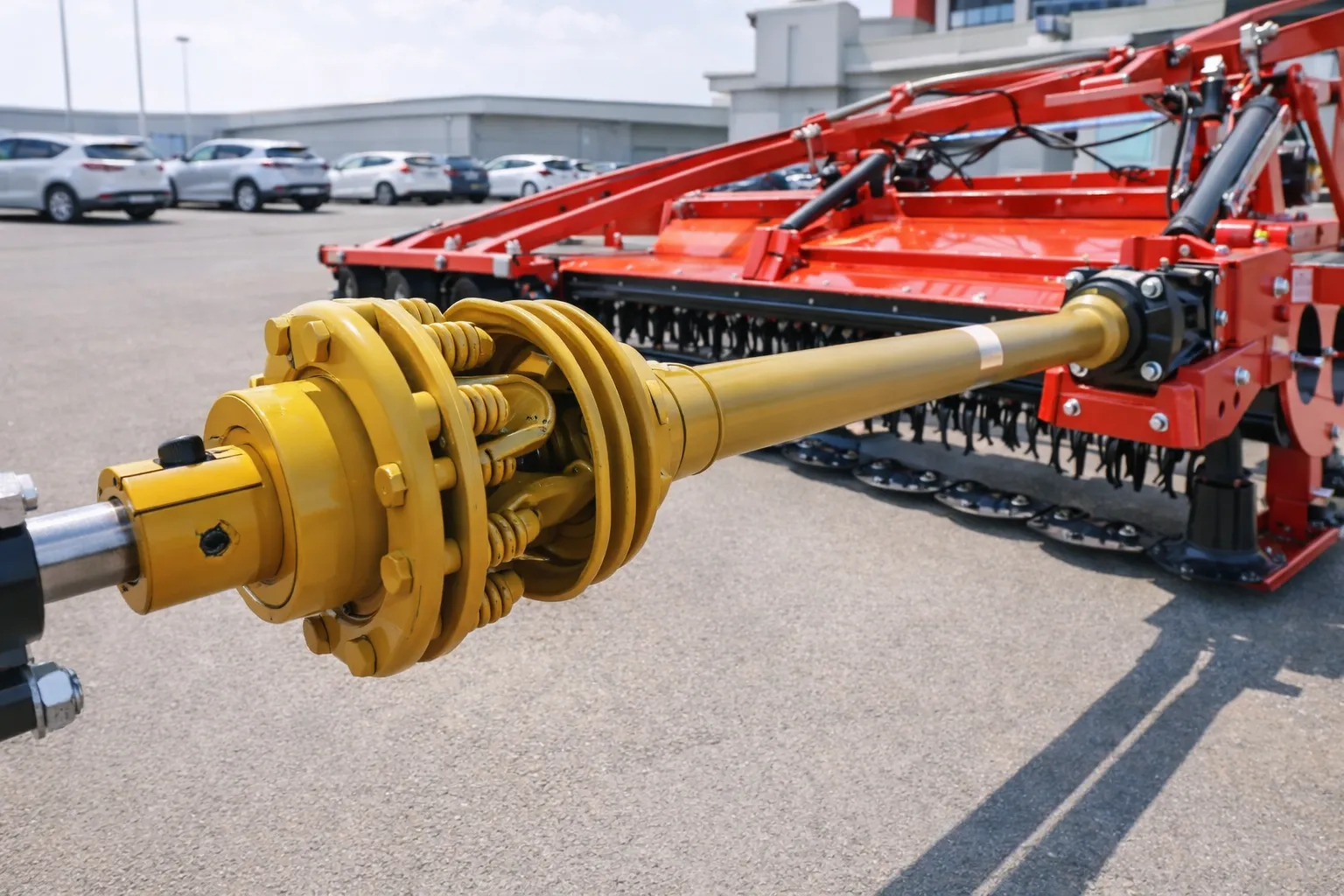
Farklı biçme makinesi tipleri farklı yükseklik ayarlama mekanizmaları kullanır ve ayar göstergesindeki nominal ayar, özellikle engebeli veya yumuşak zeminlerde, tarladaki gerçek biçme yüksekliğine her zaman tam olarak karşılık gelmez. Kritik kontrol, her zaman ilk 30 metrelik geçişten sonra tarlada ölçülen gerçek sap yüksekliğidir, ayar ölçeğindeki ayar değil.
| Çim biçme makinesi tipi | Önerilen yükseklik (yonca) |
Önerilen yükseklik (çim samanı) |
Yükseklik ayar mekanizması | Anahtar alan doğrulaması |
|---|---|---|---|---|
| Diskli biçme makinesi-kondisyoner | 2,5–3,5 inç | 2–3 | Kızak pabucu yüksekliği veya kesici çubuk kaldırma silindiri ayarı. Kızak pabuçları zamanla aşınır ve etkili kesme yüksekliğini artırır. | İlk geçişten sonra sap yüksekliğini ölçün; kızak pabuçlarının aşınmasını yılda bir kez kontrol edin. |
| Orak bıçaklı çim biçme makinesi | 2–3 | 2–3 | Kesici uçlarında ayakkabı veya kızak plakası ayarı bulunur. Toprağı takip etme yeteneği sınırlıdır; yüksekliği, diskli biçme makinelerine göre araziye daha fazla bağlıdır. | Tarlanın çeşitli noktalarından ölçüm yapın; yükseklik, diskli biçme makinesine göre daha az tutarlıdır. |
| Döner biçme makinesi (tırpan) | 3–4 inç | 2,5–3,5 inç | Arka silindir veya kızak yüksekliği; birçok modelde, yerden yükseklik tasarımı nedeniyle 3 inç'in altında sınırlı ince ayar imkanı bulunmaktadır. | Tırmık uçlarında toprakla temas izleri olup olmadığını kontrol edin; herhangi bir toprak teması görünüyorsa yükseklik çok düşük demektir. |
| Çim biçme makinesi-koruyucu (silindir tipi) |
2,5–3,5 inç | 2–3 | Biçerdöver başlığı ve kızak pabucu kombinasyonu. Biçerdöver başlığının yükseklik ayarı, kesici çubuğun zemin konturlarını ne kadar agresif bir şekilde takip edeceğini etkiler; yanlış yükseklik ayarı, engebeli arazide yükseklik değişimine neden olur. | Başlık kayar yüzeyinin, tümseklerde aşırı ısınmaya neden olmadan zemini takip etmesine olanak sağladığını doğrulayın. |
Kesim Yüksekliği ve Kül İçeriği: Doğrudan Kalite Bağlantısı
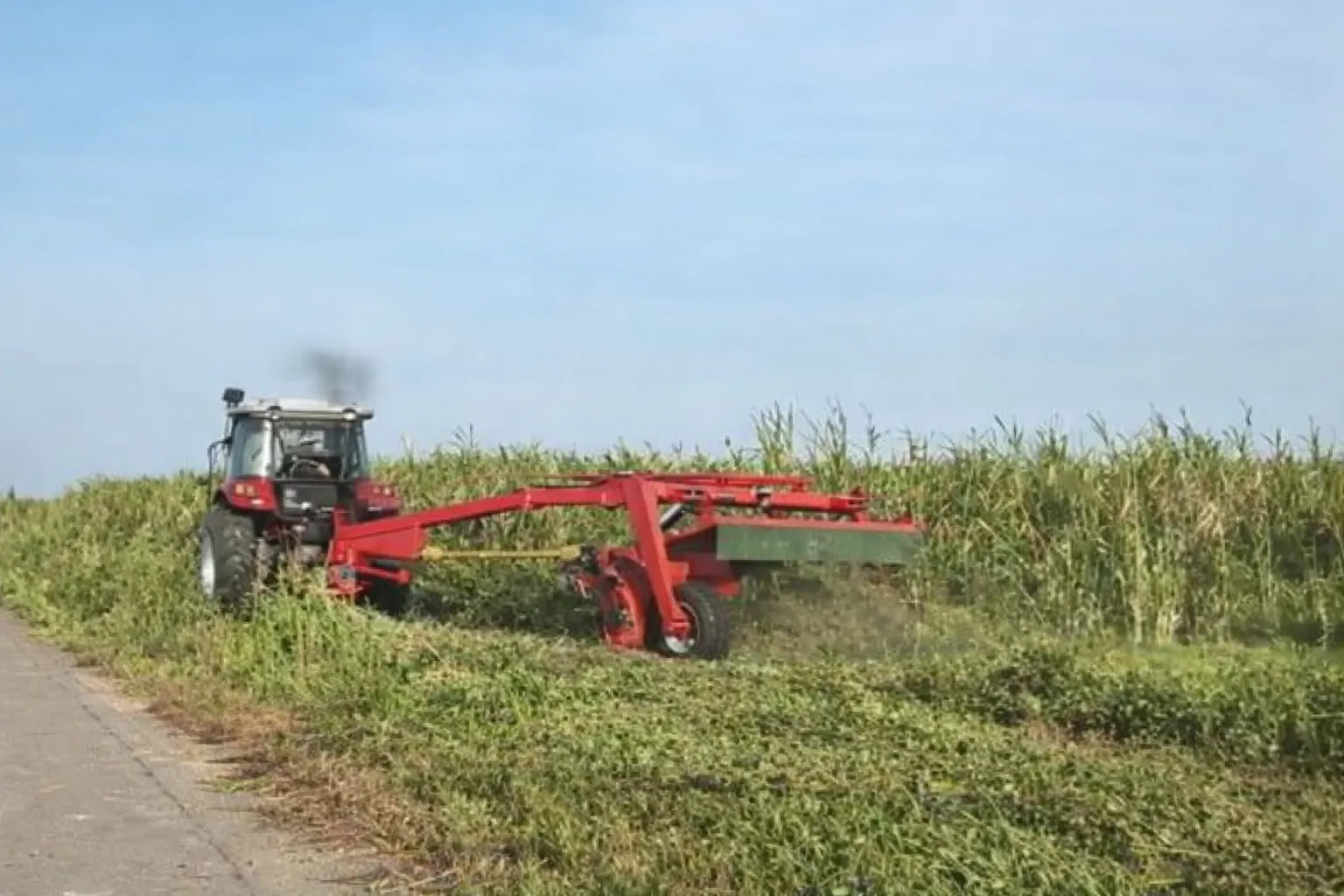
Biçme yüksekliği ile nihai samandaki kül içeriği arasındaki ilişki doğrudan ve ölçülebilirdir. Toprak yüzeyine temas eden veya yaklaşan bıçak uçları, her dönüşte askıda kalan toprak parçacıklarından oluşan bir sınır tabakasını yukarı doğru, biçilen alana taşır. Bu toprak kirliliği, biçme işlemi sırasında alanın tamamına dağılır ve daha sonraki herhangi bir tarla işlemiyle giderilemez; tırmıklama ve balyalama sırasında samanda kalır.
Tınlı-tınlı topraklarda farklı yüksekliklerde biçilen yoncanın kül içeriğini karşılaştıran araştırmalar şunları göstermektedir:
- 4 inç kesim: 7–9% külü (sadece bitkisel mineral)
- 3 inçlik kesim: 9–11% kül (minimum toprak teması)
- 2 inçlik kesim: 11–15% kül (ölçülebilir toprak alımı)
- 1 inçlik kesim: 15–22% külü (önemli toprak kirliliği)
- İnç altı kesim: 20–30%+ kül (herhangi bir pazarda kabul edilemez)
İhracat pazarı (Japonya/Kore): Kül içeriği spesifikasyonları genellikle maksimum 7–10%'dir. 10%'nin üzerindeki kül içeriğine sahip saman, ihracat spesifikasyonunu tamamen karşılamaz ve daha düşük fiyatlarla iç pazarlara yönlendirilmelidir.
Süt ürünleri asansörü: Birçok üst düzey süt ürünleri deposu, 12%'nin üzerindeki kül içeriği için büyük indirimler uygular; bu, etkili enerji içeriğini azaltır ve rasyon hesaplamalarında proteini seyreltir.
Besleme değeri: Bitki mineral baz çizgisinin (8–10%) üzerindeki her bir yüzde puanlık kül miktarı, sindirilebilir besin maddelerinin yerini alan sindirilemeyen minerali temsil eder ve bu da teslim edilen saman başına besin değerini etkili bir şekilde azaltır.
Kesme yüksekliği, bıçak durumu ve toprak tipi arasındaki etkileşim de önemlidir. Kumlu topraklarda, dönen disk bıçaklarının etrafındaki hava akışına karışan ince parçacıklar, ağır killi topraklara göre daha düşük konsantrasyonlarda bulunur; kum daha ağırdır ve yüzeye daha hızlı düşer. Siltli veya ince dokulu topraklarda, bıçak sınır tabakasındaki askıda kalan parçacık konsantrasyonu çok daha yüksektir; bu da önerilen yüksekliğin biraz altında bile biçmenin kül kaybının orantılı olarak daha büyük olduğu anlamına gelir. Biçmenin tüm parametreler üzerinden saman kalitesini nasıl etkilediğine dair tam bağlam, ilgili kılavuzda yer almaktadır. biçme ve bakım kalitesi kılavuzu.
Bıçak Aşınması: Göstergeler, Ölçüm ve Değiştirme Zamanlaması
Biçme makinesi bıçakları, saplarla temas, ara sıra toprakla temas ve aşındırıcı mahsul malzemesi nedeniyle ön ve uç kenarlarında kademeli olarak aşınır. Orijinal kenar profili 60% olan bir bıçak daha az verimli kesim yapar; dönüm başına daha fazla beygir gücü gerektirir, daha pürüzlü bir kesim yüzeyi oluşturarak kondisyonlamayı yavaşlatır ve kesme çubuğunda daha fazla titreşim üretir. Orijinal profil 40% olduğunda, bıçak temiz bir şekilde kesmek yerine sapları yırtmaya ve katlamaya başlayabilir, bu da kondisyonlama kalitesini düşürür ve biçilen alanda görünür yırtılmış sap uçları bırakır.
Başparmağınızın tırnağını bıçağın kenarına dik olarak yerleştirin. Keskin, düzgün şekilde aşınmış bir bıçağın tırnağını temiz bir şekilde yakalayan belirgin bir kenarı vardır. Yuvarlak veya kıvrılmış kenarlı bir bıçak pürüzsüz hissettirir; kesme geometrisi kaybolmuştur. Bu, saman bıçakları için kullanılan aynı testtir ve çim biçme makinesi bıçakları için de güvenilir bir şekilde çalışır. Pürüzsüz olarak değerlendirilen herhangi bir bıçak, bir sonraki kesimden önce değiştirilmeli veya yeniden bilenmelidir.
Bıçağın genişliğini iç montaj deliğinden en dış uca kadar ölçün. Parça kataloğundaki yeni bıçak boyutlarıyla veya aynı parça numarasına sahip yeni bir bıçakla karşılaştırın. Orijinal uçtan merkeze ölçüsü 85%'ye kadar aşınmış bir bıçak hala kabul edilebilir şekilde kesim yapar. 80%'nin altına kadar aşınmış bir bıçak değiştirilmelidir; daha küçük etkili kesme yarıçapında azalan uç hızı, kesim kalitesini düşürür ve işlenen ton saman başına HP ihtiyacını artırır.
Düzensiz bıçak aşınmasına sahip diskli biçme makinelerinde, traktör kabininden yankılı bir vızıltı veya ritmik bir sarsıntı olarak algılanabilen kesme çubuğu titreşimi oluşur. Bu titreşim, belirgin bir neden olmaksızın (kaya çarpması, bıçak kaybı yok) kesimler arasında artarsa, aynı disk konumundaki bıçakların farklı uzunluklarda aşındığını ve bir dengesizlik yarattığını gösterir. Hemen her diskten tüm bıçakları çıkarın ve ölçün. Aynı disk üzerindeki tüm bıçakların ağırlığı 2 gramdan az olmalıdır (çoğu yedek bıçak seti bu nedenle eşleşen ağırlıkta çiftler veya setler içerir).
Kaya veya moloz darbesi almış herhangi bir bıçak, montaj deliğinde ve görünür darbe hasarının olduğu herhangi bir noktada mikro çatlaklar açısından incelenmelidir. Mikro çatlaklar çoğu durumda çıplak gözle görülemez; parlak ışık altında büyüteçle inceleyin veya görünür bir darbe almış herhangi bir bıçağı değiştirin. İç çatlağı olan bir bıçak, bıçak ucu hızıyla (180-220 mil/saat) parçalanabilir ve çim biçme makinesinin yakınındaki herkes için şarapnel tehlikesi oluşturabilir. Yedek bıçak setinin maliyeti, parçalanma olayının sonuçlarından her zaman daha düşüktür.
Mevsimsel Boy Ayarlamaları: Başlangıç Değerinizden Ne Zaman Değişiklik Yapmalısınız?
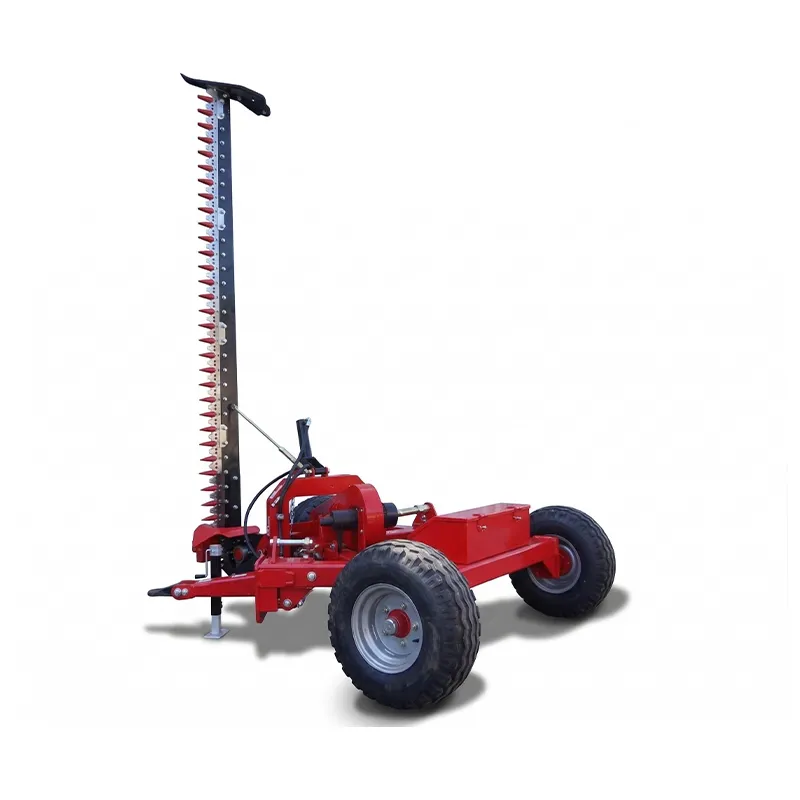
Yonca için tipik olarak 2,5 ila 3,5 inç olan temel biçme yüksekliği, sezon boyunca kullanacağınız tek yükseklik değildir. Dört koşul, temel yüksekliğinizden bilinçli bir yükseklik ayarlaması yapmanızı tetiklemelidir:
Kaymaz Tabanlar ve Aşınma Bileşenleri: Gerçek Boyunuzu Ne Kontrol Ediyor?
Diskli biçme makinelerinde, gerçek kesme yüksekliği yalnızca çerçeve ayarıyla değil, çerçeve yüksekliği ayarı ve toprak yüzeyine temas eden kızak pabuçlarının veya kızak plakalarının kalınlığının birleşimiyle kontrol edilir. Kızak pabuçları aşındıkça incelir; bu da kesme çubuğunu çerçeveye göre alçaltır ve ayar göstergesinde görünür bir değişiklik olmaksızın kesme yüksekliğini etkili bir şekilde azaltır. Bu aşınma kademeli ve günlük kullanımda görünmezdir, ancak bir sezon boyunca kümülatif olarak gerçek kesme yüksekliğini sezon başındaki ölçüme göre 0,3 ila 0,5 inç azaltabilir.
Her bir kızak pabucunun temas yüzeyindeki kalınlığını ölçün. Yeni bir kızak pabucu, yatak yüzeyinde tipik olarak 20-30 mm kalınlığındadır. Kalınlık, yeni boyutun 60% değerinin (modele bağlı olarak 12-18 mm) altına düştüğünde değiştirin. Her disk başlığındaki her iki pabucu da ölçün; kesici çubuğun karşıt taraflarındaki pabuçlar, eğimli arazide hangi tarafın toprağa daha sık temas ettiğine bağlı olarak farklı oranlarda aşınır.
Yeni kızak pabuçları takıldıktan sonra, etkili kesim yüksekliği, yeni pabuçların kalınlığı eksi aşınmış pabuçların kalınlığı kadar artacaktır - genellikle 5-10 mm. Aşınmış pabuçları telafi etmek için çerçeve ayarını düşürdüyseniz, pabuçları değiştirdikten sonra çerçeveyi tekrar yukarı kaldırmanız gerekir, aksi takdirde ilk geçişte amaçlanandan 5-10 mm daha düşük kesim yaparsınız. Herhangi bir kızak pabucu değişiminden sonra, normal biçmeye devam etmeden önce her zaman tarlada anız yüksekliği doğrulaması yapın.
Bıçak değiştirme aralıkları, ürüne göre çalışma hızı ve kesim sonrası kuruma hızını etkileyen şartlandırma sistemi karşılaştırması da dahil olmak üzere, diskli biçme makinesi ile tırpanlı biçme makinesinin tam karşılaştırması için bkz. Diskli biçme makinesi ile oraklı biçme makinesi karşılaştırma kılavuzuMaksimum bıçak ucu hızını ve sürekli güç aktarımını belirleyen şanzıman ve tahrik sistemi özellikleri şunlardır: tarımsal şanzıman ve PTO tahrik sistemi bileşenlerinin özellikleri.
Sezon Öncesi Çim Biçme Makinesi Yüksekliği ve Bıçak Kontrol Listesi
- Her bıçağı küçük bir tırnak ucuyla test edin; sorunsuz geçenleri not edin.
- Her bir bıçağın genişliğini yeni bıçak özelliklerine göre ölçün.
- Her bir bıçağı darbe çatlakları açısından inceleyin (parlak ışık + büyüteç kullanarak).
- Eşleşen seti doğrulamak için bıçakları aynı disk üzerinde tartın.
- Bıçak montaj cıvatalarının tümünün diş durumunu kontrol edin.
- Tüm kızak pabuçlarının kalınlıklarını ölçün.
- Parça kılavuzundaki yeni ayakkabı özellikleriyle karşılaştırın.
- 60%'nin altındaki tüm ayakkabıları yeni kalınlıkta olanlarla değiştirin.
- Ayakkabıları değiştirdikten sonra: ilk geçişte sakal yüksekliğini tekrar kontrol edin.
- İlk tarlanın başlangıcında 100 fitlik bir biçme işlemi yapın.
- Durun; sap yüksekliğini 5 noktadan ve genişlik boyunca 5 noktadan ölçün.
- Ortalamayı hesaplayın; hedef yükseklikle karşılaştırın.
- Düzeltmek için kızak pabucunu veya çerçeve yüksekliğini ayarlayın.
- Saha operasyonuna devam etmeden önce yeniden ölçüm yapın.
Çim Biçme Yüksekliği Hakkında Sıkça Sorulan Sorular
Çim biçme makinenizin yükseklik ayarını ve bıçak özelliklerini öğrenin.
Bize ana ürününüzü, toprak tipinizi, hedef kül spesifikasyonunuzu ve biçme makinesi tipinizi bildirin. Biz de samanınızın pazarınızın gerektirdiği kül eşiğinin altında kalmasını sağlayacak doğru biçme yüksekliği ayarını, kızak pabucu kontrol aralığını ve bıçak değiştirme programını onaylıyoruz.
Editör: Cxm


