
Hasat Döneminin Biyolojisi: Zamanlamanın Neden Pazarlık Edilemez Olduğu
Fizyolojik olgunluğa ulaşmış barbunya baklaları, esnek ama dolgun halden kırılgan ve kuru hale hızlı bir geçiş gösterir. Bu geçiş, sıcaklık ve düşük nem ile katlanarak hızlanır; sabah erken saatlerde optimum hasat zamanına 2-3 gün kala görünen bir tarla, sıcak ve kuru bir günde öğleden sonra geç saatlerde optimum hasat zamanını geçmiş olabilir. Bu geçişi yönlendiren fiziksel mekanizma, bakla dikişinin odunlaşmasıdır; bakla kurudukça, iki bakla yarısını bir arada tutan bağlantı giderek daha sert hale gelir ve sonunda çekme veya yığma işleminin mekanik stresi altında kendiliğinden ayrılır.
Hasat penceresinin üst sınırı, koparma sonucu oluşan bakla kırılma kayıplarının, üst baklaların olgunlaşmasını beklemenin ekonomik değerini aştığı nokta ile tanımlanır. Bu denge, çeşide özgüdür, hava koşullarına bağlıdır ve saha doğrulaması yapılmadan ekimden sonraki belirli bir gün sayısına veya belirli bir ısı birimi birikimine genelleştirilemez. Doğrudan saha değerlendirmesi yerine kurala dayalı olarak hasat yapan üreticiler, genellikle 2-4 gün (her iki yönde de) hasat penceresini kaçırırlar ve bu durum önemli sonuçlara yol açar.
Çekmeden Önce Değerlendirilmesi Gereken Beş Görsel Olgunluk Göstergesi
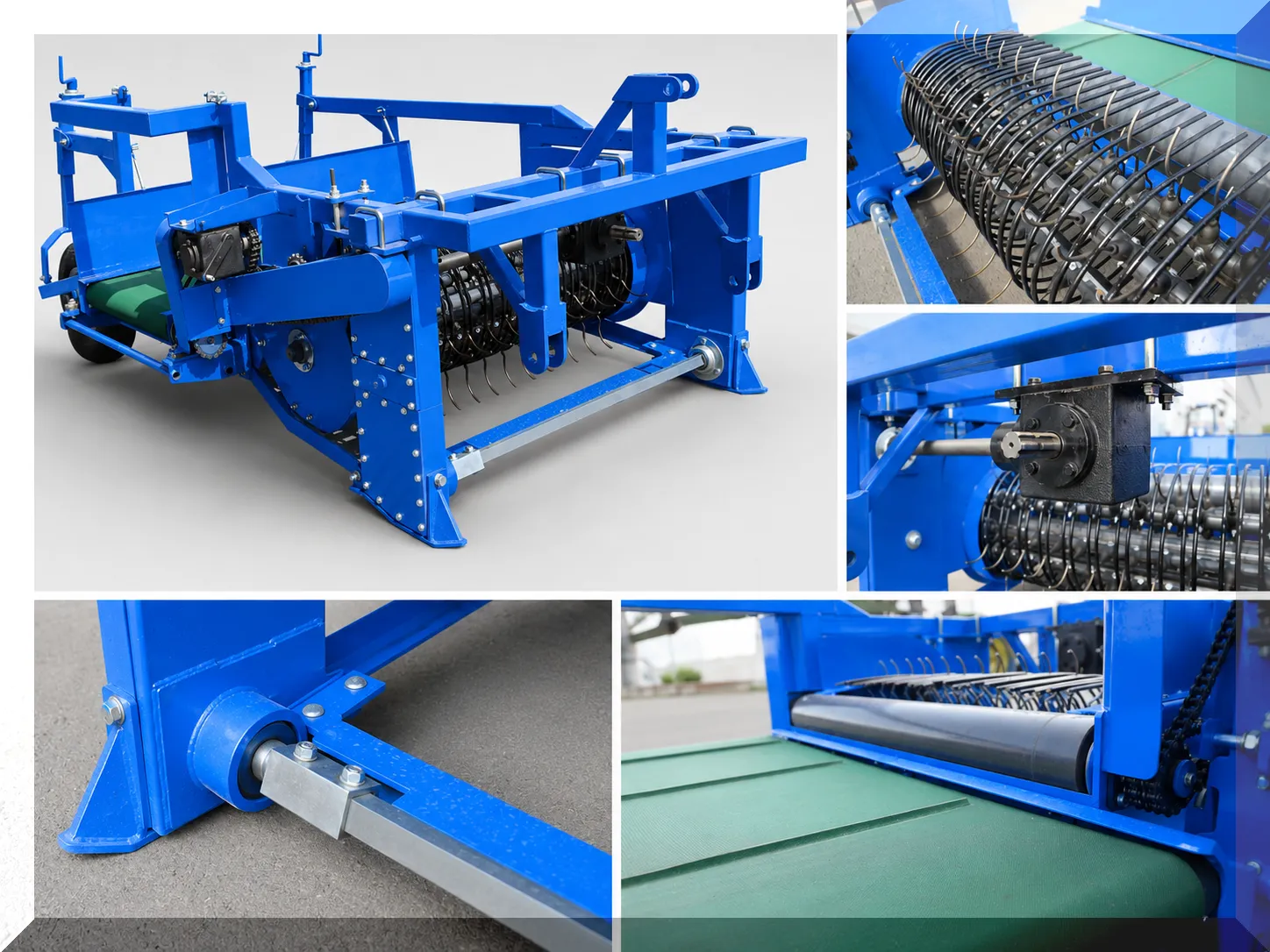
Her bir tarlada, o gün hasat yapmayı planladığınız temsili bir sıranın 100 fitlik (yaklaşık 30 metre) bölümünü yürüyün. Beş göstergenin tamamını birlikte değerlendirin; tek başına hiçbir gösterge kesin sonuç vermez. Bu kombinasyon, en uygun zaman dilimine göre nerede olduğunuz konusunda size güvenilir bir tablo sunar.
Çekmeye hazır: Bitkideki baklaların -901'i sarımsı kahverengiden açık kahverengiye kadar değişen renktedir. Alttaki baklalar tamamen kurumaya başlamış olabilir; üstteki baklalarda hala biraz yeşil renk vardır veya sarıya dönüşme aşamasındadır. Henüz çok erken: Bitkinin özellikle orta ve üst kısımlarında 251 TP5T'den fazla bakla hala yeşil durumda. Çok geç: Alttaki baklalar tamamen kuru ve kırılgandır; en alttaki baklaların dikişleri elle tutulduğunda ayrılmaya başlar. Tarla gezinizde 20 bitkide bakla sayımı yapın — standart çeşitler için 80–90% sarı-kahverengi, dar aralıklı DRK çeşitleri için 85% hedefleyin.
En uygun çekme zamanında, ana gövde kurumaya başlamıştır; artık tamamen yeşil ve turgorlu değildir, tabandan yukarıya doğru açık kahverengi veya kahverengiye doğru geçiş yapmaktadır. Ana gövdenin alt 30-40 cm'lik kısmı kuru ve hafif sert olmalıdır. Eğer gövdenin tamamı hala yeşil ve tabandan uca kadar tamamen turgorlu ise, bitki fizyolojik olgunluğa ulaşmamıştır ve çekme işlemi yüksek oranda yeşil bakla kaybına neden olacaktır. Eğer gövde tamamen kuruysa ve hafif bir basınç altında kolayca kırılıyorsa, bitki en uygun aşamayı geçmiştir ve bakla dikiş bütünlüğü bozulmaktadır.
Bitkinin farklı yüksekliklerinden 5-10 bakla açın ve içindeki tohumları değerlendirin. Fizyolojik olgunluğa ulaşmış tohumlar nihai boyutlarına ulaşmış, sert (mumsu veya yumuşak olmayan) bir dokuya sahip ve karakteristik pazar sınıfı renklerini gösterirler — DRK için kırmızı, LRK için daha açık kırmızı. Parmaklar arasında bastırıldığında hala yumuşak veya mumsu olan tohumlar fizyolojik olgunluğa ulaşmamıştır. Bu test, kuraklık stresi nedeniyle görsel olarak olgunlaşmış (sararmış yapraklar, kuruyan baklalar) ancak tam tohum gelişimine ulaşmamış tarlaları belirlemek için özellikle yararlıdır — erken kuraklık stresi olgunlaşması, görsel olarak doğru zamanda hasat edilse bile düşük verim sağlayan bir tuzaktır.
Hasat olgunluğuna yaklaşan bir bitkinin alt yaprakları, bitkinin azotu yapraklardan tohuma yeniden dağıtmasına bağlı olarak doğal olarak sararır ve dökülür. En uygun hasat zamanında, bitkinin alt 50-60 cm'lik yaprakları sarıdan kahverengiye dönmeli ve dökülmeye başlamalıdır. Alt yaprakları yerden 30 cm yukarıya kadar yeşil olan bir bitki, çoğu Michigan çeşidi için genellikle en uygun zamana 3-5 gün kala demektir. Not: Hastalık (beyaz küf, kök çürümesi) de alt yaprakların erken ölümüne neden olur; yaprak durumunu zamanlama göstergesi olarak kullanmadan önce, patolojik yaprak ölümünü (genellikle gövdede veya kök tacında görünür hastalık belirtileriyle birlikte görülür) normal olgunlaşmaya bağlı yaprak kaybından ayırt edin.
On temsili bitkiden en alttaki 3-4 baklayı kavrayın ve her bir baklayı bitkiden sert bir şekilde çekerek koparın. Sapından temiz bir şekilde kopan (olgun tohum ve bakla bağlantısını gösteren) bakla sayısını, açılan (dikiş kopması) bakla sayısıyla karşılaştırın. Elle çıkarıldığında 10 bakladan 1'inden fazlası açılırsa, alttaki baklalar kırılma eşiğine ulaşmış veya yaklaşıyor demektir; tarla 48-72 saat değil, 24 saat içinde hasat edilmelidir. Bu, hasat döneminin başında mı yoksa sonunda mı olduğunuzu belirlemek için kullanılan beş göstergeden en doğrudan ve uygulanabilir olanıdır.
Sabah ve Öğleden Sonra Çekme Zamanlaması: Hava Koşullarının Zaman Aralığını Belirlediği Durumlar
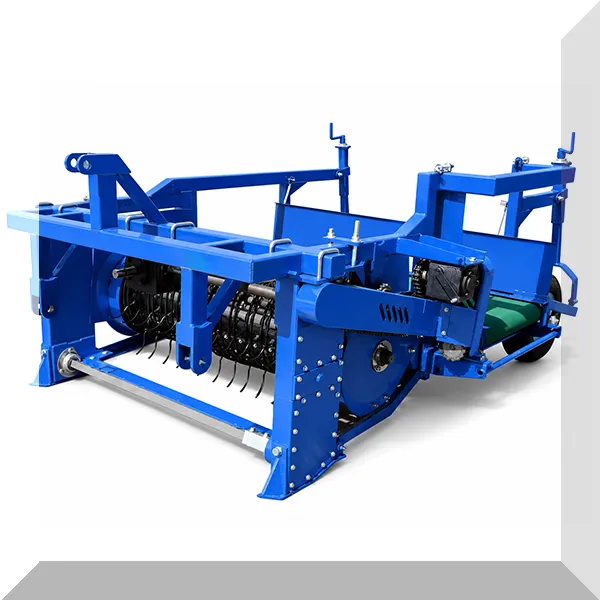
Hasat dönemi içinde, hasat zamanının tarla kayıpları üzerinde ölçülebilir bir etkisi vardır; özellikle de baklaların daha kuru olduğu ve kırılma riskinin arttığı hasat döneminin sonlarına doğru bu etki daha belirgindir. Bu zaman dilimi etkisi, baklalardaki günlük nem döngüsünden kaynaklanır.
Gece boyunca oluşan nem ve sabah oluşabilecek çiğ, bakla nemini hafifçe 16–22%'ye yükselterek bakla duvarlarını ve dikişlerini daha esnek hale getirir ve çekme işleminin mekanik stresi altında kırılmaya daha az eğilimli kılar. Michigan barbunya fasulyelerinde sabah erken saatlerde ve öğleden sonra yapılan çekme işlemlerini karşılaştıran araştırmalar, baklaların bu yüksek sabah nem seviyesinde olduğunda dikiş kopma oranlarının daha düşük olduğunu tutarlı bir şekilde göstermektedir.
Öğleden sonraki koşullar (daha düşük nem, daha yüksek sıcaklık), aynı olgunluk aşamasında daha kuru ve daha kırılgan baklalar üretir. Hasat döneminin başlarında olan ve hala önemli oranda yeşil bakla içeren tarlalar için, yeşil baklalar esnek olduğu için öğleden sonra hasat kabul edilebilir. Açıkça optimum koşullar içinde olan tarlalar için öğleden sonra hasat iyi sonuç verir. Sadece hasat döneminin sonuna yaklaşmış veya geçmiş tarlalar için öğleden sonra hasattan kaçının.
Saha Kayıp Değerlendirmesi: Zamanlamanızın Doğru Olup Olmadığını Ölçme
Her tarlada ilk çekiş işleminden sonra yapılan tarla kaybı değerlendirmesi, zamanlama kararları için kesin geri bildirim mekanizmasıdır. Çekici makinenin hemen arkasından, herhangi bir ekipman trafiği sırayı sıkıştırmadan önce, çekilen sıranın üzerinde yürüyün ve çekilen sıranın 1 metrelik uzunluğu içindeki toprak yüzeyindeki fasulyeleri sayın. Tarla kaybını dönüm başına pound cinsinden tahmin etmek için sıra aralığınız için uygun dönüştürme faktörüyle çarpın.
Çekme aletini 200 fit sonra durdurun. Çekme işlemini yapan kişinin 30-50 metre gerisinden, çekme işlemini gerçekleştiren kişinin hemen arkasındaki alana doğru yürüyün (ayakkabıların ekipman teması sonucu etrafa fasulye saçmış olabileceği bölgeden kaçınmak için).
Toprak yüzeyindeki tüm fasulyeleri (tek tek tohumlar ve bütün kabuklar) sayın. Çekilmiş sıranın 1 metrelik bir bölümünde. Küçük sap parçalarına hala bağlı olan fasulyeleri de dahil edin; bunlar biçerdöver tarafından yakalanmamıştır. Sayımı kaydedin.
Kilogram/dönüm kayıp birimine dönüştürün: 28 inçlik sıralar için: metre başına fasulye miktarı ÷ 1,4 = dönüm başına kayıp (pound). 30 inçlik sıralar için: metre başına fasulye miktarı ÷ 1,3 = dönüm başına kayıp (pound). Tarladaki 3 farklı noktada daha tekrarlayın ve ortalamasını alın. Kayıp yüzdesini hesaplamak için beklenen veriminizle karşılaştırın.
Karar kuralı: Beklenen verimin 5%'nin altında kalan alan kaybı = kabul edilebilir — mevcut zamanlama ve hızda devam edin. 5–10% arası alan kaybı = sınırda — zamanlama veya hız ayarlamasının uygun olup olmadığını değerlendirin. 10%'nin üzerinde alan kaybı = önemli — durun ve nedenin çekme hızı, çekme derinliği veya çeşit zamanlaması olup olmadığını belirleyin ve devam etmeden önce düzeltin.
Hava Koşullarının Zorladığı Hasat: Takvim Mahsulü Geçersiz Kıldığında
Hasat dönemi ideal olarak mahsulün olgunluk değerlendirmesiyle belirlenir, ancak iki hava olayı mahsul ideal olgunluğa ulaşmadan önce hasat yapılmasını gerektirebilir: don ve uzun süreli yağışlı hava. Her ikisi de optimum hasat dönemiyle karşılaştırıldığında farklı bir zamanlama çerçevesi gerektirir.
Olgunlaşmamış barbunya fasulyelerinde 4 saatten fazla süren şiddetli bir don (28°F veya altı), fizyolojik olgunluğa ulaşmamış baklaların içindeki tohumları yok eder; tohumlar kararır, buruşur ve pazarlanamaz hale gelir. Don tahmini 48-72 saat önceden doğrulandığında, doğru tepki, 80-90% olgunluk hedefine ulaşmış olup olmadığına bakılmaksızın, 70%+ bakla olgunluğuna sahip tüm tarlaları derhal hasat etmektir. 70% olgunluğunda hasat, olgunlaşmamış üst baklalardan bir miktar verim kaybına neden olur, ancak bu kayıp, hasat edilmemiş bitkilerde şiddetli bir dondan kaynaklanan toplam tarla kaybına kıyasla küçüktür. Eşik: 5 gün içinde şiddetli bir don tahmin ediliyorsa ve tarla 70%+ olgunluk gösteriyorsa, hemen hasat edin. 70% olgunluğunun altındaki tarlalar erken hasatla kurtarılamaz; 60% olgunluk aşamasındaki olgunlaşmamış tohumlar, sıra halinde gelişimini tamamlamaz.
Hasat döneminde uzun süren yağışlı dönemler (3-5+ gün yağmur) zor bir karar yaratır: Mahsul optimum olgunluk dönemini geçmeden önce yağışlı bir dönemde hasat yapmak mı, yoksa kuru koşulları bekleyip zamanlama riskini kabul etmek mi? Genel kılavuz: Mahsul açıkça optimum olgunluk dönemindeyse (80-90% olgunluk) hafif yağmurlu veya bulutlu koşullarda hasat yapın — ıslak toprak çekme direncini artırır ve toprakta bozulmaya neden olur, ancak optimum olgunlukta bakla kırılmasını önemli ölçüde artırmaz. Şiddetli yağmur koşullarında hasat yapmayın — doymuş topraktaki çekme aletinin neden olduğu toprak bozulması, bitişik sıraları kökünden sökebilir ve sıkışma sorunlarına yol açabilir. Zamanlamayı optimum olgunluk döneminin ortasına kadar itse bile şiddetli yağmur olaylarını bekleyin; yağmurdan sonraki ilk açık günde kırılma riskini dikkatlice değerlendirin.
Farklı Olgunluk Aşamaları İçin Çekici Kurulumu
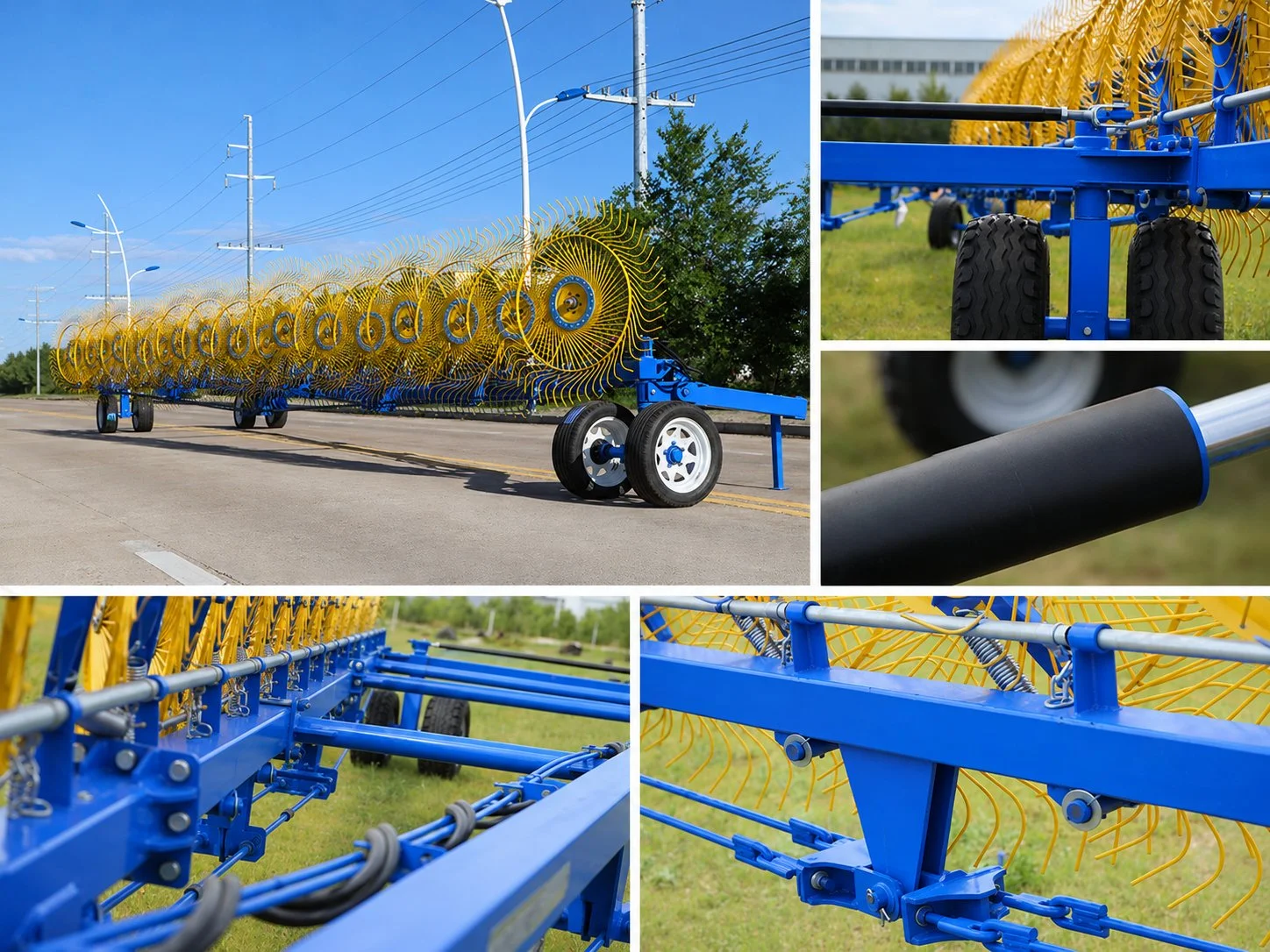
Hasat penceresi boyunca ürün geliştikçe, özellikle zemin hızı ve pabuç derinliği olmak üzere, doğru çekme makinesi ayarı yapılmalıdır. Pencerenin başlangıç aşaması (daha erken, daha yeşil koşullar) için optimize edilmiş bir ayar, bitiş aşaması (daha kuru, daha kırılgan koşullar) için optimal değildir ve bunun tersi de geçerlidir.
| Pencere konumu | Hız ayarı | Derinlik ayarı | Birincil kayıp riski |
|---|---|---|---|
| Öncü kenar 70–80% olgun |
+10% standart üstü (3,5–4,5 mil/saat) |
Standart — taçtan 1-2 inç aşağıda | Olgunlaşmamış üst baklalar — onları yakalamak için daha derine çekilemezler; yığın halinde toplanacaklardır. |
| Optimal merkez 80–90% olgun |
Standart (3–4 mil/saat) | Standart | Doğru hız ve derinlikte minimum kayıp riski; hedef işletme koşulu budur. |
| Arka kenar 90–100% olgun |
−15% standartın altında (2,5–3 mil/saat) |
Biraz daha sığ — alt bölmelerdeki temas kuvvetini azaltır. | Alt kısımlardaki dikişler mekanik temastan dolayı kırıldı — daha düşük hız darbe kuvvetini azaltır |
| Geçmiş pencere >100% (geç) |
Minimum hız (2 mil/saat) | Mahsulden kaçmadan elde edilebilecek en sığ derinlik | Ayarlardan bağımsız olarak yüksek kırılma oranı — yapılabilecek tek şey mekanik bozulmayı en aza indirmek; sadece sabah çekimi. |
4BYH-1.3 çekici için, pabuçları her bitki sırasına göre doğru şekilde konumlandıran sıra aralığı yapılandırması ve çalışma genişliği ayarı şu şekildedir: çekme sıra aralığı ve çalışma genişliği kılavuzuEn geniş hasat aralığını ve en düşük kırılma riskini sağlayan çeşitleri belirleyen çeşit seçimi kararları bu bölümde ele alınmıştır. barbunya fasulyesi çeşidi seçimi kılavuzuAğır veya ıslak zeminde çekicinin tasarım çekme kuvvetinde tahrik sisteminin sürdürebileceği maksimum zemin hızını belirleyen şanzıman özelliklerine bakınız. tarımsal şanzıman ve PTO tahrik sistemi bileşenlerinin özellikleri.
Hasattan Sonra Yığın Yönetimi: Kritik Kurutma Döneminde Kalitenin Korunması
Hasat ve toplama arasındaki dönem, mahsulün hava koşullarından kaynaklanan hasara ve kalite kaybına karşı en savunmasız olduğu zamandır. Bu dönemde kaliteyi koruyan yığın yönetimi uygulamaları, minimum ekipman gerektirir ancak önemli kayıpları önleyebilecek özel kararlar alınmasını gerektirir.
Dar sıralar (tek sıra genişliği, 8-10 inç) en hızlı kurur çünkü maksimum yüzey alanı hava sirkülasyonuna maruz kalır. Geniş birleştirilmiş sıralar (2-3 sıra birleştirilmiş) daha yavaş kurur çünkü iç kütle hava akışından yalıtılmıştır. Tek geçişli biçerdöverler için dar sıralar tercih edilir. Biçerdöverden önce sıraları birleştiriyorsanız, birleştirme işlemini sıranın dışı kuru ancak içi hala biraz nemliyken yapın; rüzgarlı günlerde tamamen kuru sıraları birleştirmek, birleştirme aletinin dişleri kuru bitki kütlesine temas ettiğinde baklaların parçalanmasına neden olur.
Doğu-batı yönlü tarla düzeni, hem güneye bakan hem de doğrudan tepeden gelen açılardan gelen güneş ışığına maruz kalmayı en üst düzeye çıkarır. Kuzey-güney yönlü sıralar ise günde daha az doğrudan güneş ışığına maruz kalır. Sıra yönünün değiştirilemediği tarlalarda, kuzey-güney yönlü sıralarda hasat işlemini günün biraz daha geç saatlerinde yapmak (sürüşten önce tarlanın kısmen ısınmasına izin vermek için), daha az yüzey nemi tutan daha sıcak malzemeyle başlayarak sıra kuruma hızını artırabilir.
Hasat sırasında esen şiddetli rüzgarlar, hafif kurutulmuş bitki materyalini dağıtabilir ve yığınlar arası temas nedeniyle baklaların parçalanmasına neden olabilir. Hasat döneminin ilk 3 günü içinde (saatte 32 km'den fazla) sürekli bir rüzgar olayı tahmin ediliyorsa, rüzgarın dağıttığı yığınlardan kaynaklanan kayıpları kabul etmek yerine, hedef nem seviyesinin biraz üzerinde (16%'ye kadar) bile olsa hasat hızlandırılmalıdır. Yığınlara verilen rüzgar hasarı geri döndürülemez bir kayıptır; biraz yüksek hasat nemi, teslimatta yalnızca mütevazı bir temizlik maliyetine neden olur.
Barbunya Fasulyesi Çekme Zamanlamasıyla İlgili Sıkça Sorulan Sorular
Hasat zamanlaması için fasulye sökme makinenizi doğru şekilde ayarlayın.
Lütfen bize çeşidinizi, sıra aralığınızı, toprak tipinizi ve tahmini hasat tarihini bildirin. Sezon başlamadan önce, çeşidinizin hasat dönemi özelliklerine göre optimize edilmiş 4BYH-1.3 bıçak derinliği ve hız ayarlarını onaylıyoruz.
Editör: Cxm


