
ما يجب أن تحققه عملية جمع الأوراق - وما يجب ألا تفعله
تؤدي المجرفة غرضين في نظام صناعة التبن: فهي تجمع القش الجاف في صفوف بالعرض والكثافة المناسبين لآلة التجميع، وفي الظروف الرطبة أو للمحاصيل التي جفت بشكل غير متساوٍ، يمكنها تسريع عملية التجفيف عن طريق تقليب القش الجاف جزئيًا. كلا الغرضين مشروعان ومفيدان. يكمن الخطر في حال تسببت السرعة أو الرطوبة أو نوع المجرفة في تساقط الأوراق، أي انفصال الأوراق الجافة عن السيقان نتيجة الاصطدام الميكانيكي.
يُعدّ تساقط الأوراق أهمّ خسارة في جودة التبن أثناء عملية الجمع. ففي البرسيم، تحتوي الأوراق على ما يقارب 65-701 طن من البروتين الكلي في النبات، ونسبة كبيرة من الطاقة القابلة للهضم، ما يجعلها الجزء الأعلى جودة في التبن. وعندما تتساقط الأوراق بفعل آلة الجمع في ظروف الرطوبة المنخفضة، فإنها تُفقد نهائيًا، إما بتطايرها أو بتكسّرها إلى قطع صغيرة جدًا لا تستطيع آلة التجميع جمعها. فمثلاً، قد يؤدي جمع 101 طن من الأوراق المتساقطة في محصول برسيم يحتوي على 221 طن من البروتين الخام إلى خفض محتوى البروتين الخام في التبن المكبوس إلى ما بين 19 و201 طن، وهو فرق يتجاوز عتبة الجودة السوقية المحددة في العديد من مواصفات مصاعد التبن.
مستويات الرطوبة المستهدفة للتجريف: الأرقام التي تحمي الجودة
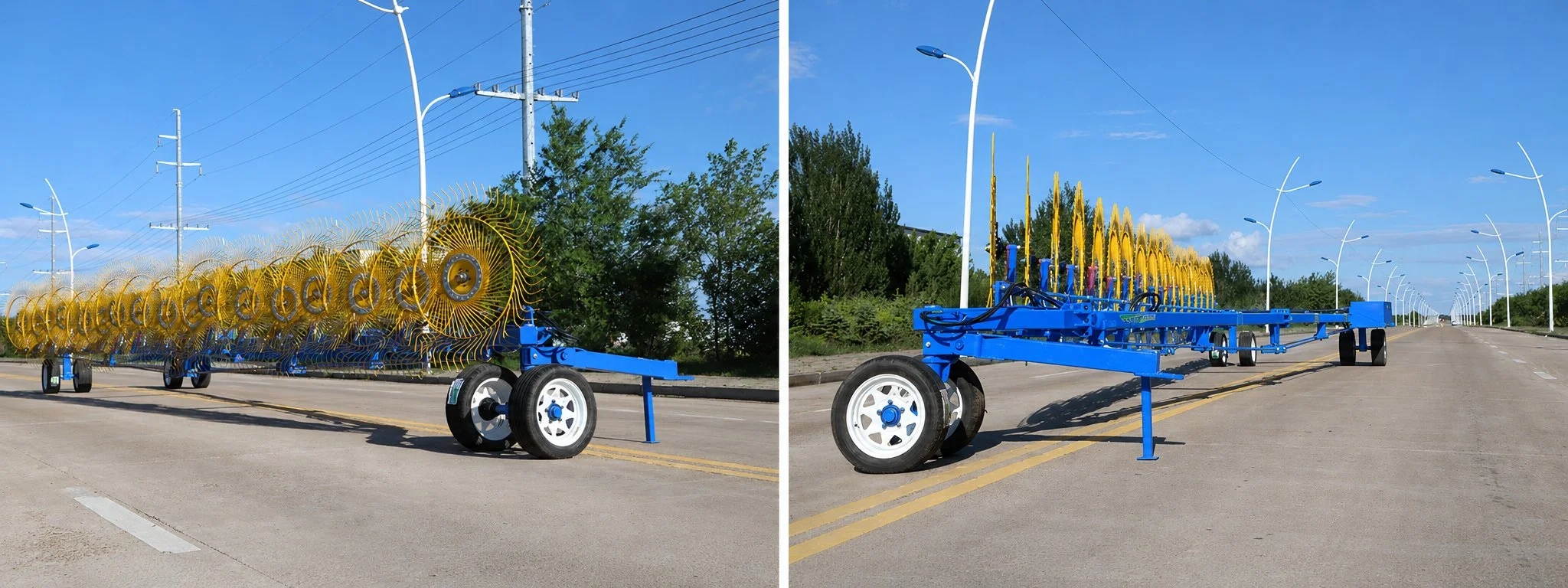
تُحدد نسبة الرطوبة عند جمع المحصول بالمجرفة كلاً من مخاطر فقدان الجودة والغرض الوظيفي من هذه العملية. لا توجد نسبة رطوبة "مثالية" عالمية للجمع بالمجرفة، فالنسبة المناسبة تعتمد على سبب الجمع ونوع المحصول.
| غرض الحصاد / جمع الأوراق | امسح بهذه الرطوبة | لماذا هذه المجموعة | خطر تساقط الأوراق |
|---|---|---|---|
| البرسيم - منتجات ألبان فاخرة / للتصدير | 20–25% | لا تزال الأوراق مرنة؛ فملامسة أسنان المجرفة لها تُسبب انثناءها بدلاً من تكسرها. وتبقى رطوبة كافية لتكويمها بأمان في الهواء الطلق بعد ساعتين إلى أربع ساعات إضافية من التجفيف. | منخفض (2-4%) |
| البرسيم - علف أبقار / تبن المزرعة | 18–22% | يُعد الهدف الأكثر جفافًا مقبولًا عندما تكون معايير الجودة أقل صرامة؛ ومع ذلك، فإنه لا يزال يتجنب منطقة الأوراق الهشة التي تقل عن 15%. | منخفض إلى متوسط (3-7%) |
| قش العشب (عشب البستان، الفستوكة) | 18–24% | يتميز قش العشب بأوراق أكثر مرونة من البرسيم ويتحمل نطاق رطوبة أوسع قليلاً للتجريف دون فقدان كبير في الجودة. | منخفض (2-5%) |
| التقليب لتسريع عملية التجفيف (وظيفة التقليب) | 30–50% | عند هذه الرطوبة، تكون الأوراق مرنة تمامًا ولن تتكسر تحت أي سرعة جمع عادية. الجمع في ظل الرطوبة العالية يُسرّع عملية التجفيف، وليس خطوة لتكوين أكوام من الأوراق. | منخفض جداً (0-2%) |
| أي محصول - منطقة خطرة | <14% | عند مستوى رطوبة أقل من 14%، تصبح أوراق البرسيم هشة، ويتسبب احتكاكها بالأسنان في تكسرها فورًا. وقد تتجاوز خسارة الجودة الناتجة عن تمريرة واحدة للمجرفة عند هذا المستوى من الرطوبة 20% من كتلة الأوراق. | مرتفع - شديد (10-25%) |
القاعدة العملية: إذا شعرت بجفاف السيقان ولكن الأوراق لا تزال باردة ومرنة قليلاً، فأنت في الفترة الآمنة للتنظيف بالمسحاة. إذا تجعد أو تفتت الأوراق عند فركها بين الأصابع، فهذا يعني أن التبن جاف جدًا بحيث لا يمكن جمعه دون فقدان كبير في الجودة. في هذه الحالة، إما أن تقوم بتكويم التبن دون جمعه، أو تنتظر رطوبة الصباح لاستعادة مرونة الأوراق الكافية (عادةً ما تتراوح بين 18 و22 درجة مئوية في الصباح الباكر).
سرعة المجرفة: المتغير الذي يضبطه معظم المشغلين على مستوى عالٍ جدًا
سرعة الأرض أثناء عملية الكنس هي المتغير الأكثر تحكمًا من قِبل المشغل والذي يحدد معدل تساقط الأوراق، ومعظم المشغلين يشغلون آلات الكنس بسرعة أعلى من السرعة المثلى. العلاقة بين السرعة وتساقط الأوراق ليست خطية: فمضاعفة سرعة الكنس تُضاعف تقريبًا قوة اصطدام الأوراق بأسنان آلة الكنس أربع مرات، لأن قوة الاصطدام تتناسب طرديًا مع مربع السرعة النسبية بين السن والمحصول.
السرعة المثلى: 5-8 ميل في الساعة للقش الجاف (رطوبة 20-25%)؛ 8-12 ميل في الساعة للتقليب/النفش عالي الرطوبة (30%+)
لماذا تُعدّ السرعة أكثر أهمية هنا؟ تُنتج المجارف الدوارة سرعات اصطدام أعلى بين أسنانها والمحصول مقارنةً بالمجارف الشريطية عند نفس سرعة الأرض، لأن الحركة الدورانية لعجلة المجرفة تُضيف سرعتها الخاصة إلى سرعة الاصطدام على الأرض. في الظروف الجافة، يؤدي دوران العجلة بسرعة أكبر عند سرعة أرض أعلى إلى زيادة تساقط الأوراق بشكل ملحوظ. لذا، يُنصح بتقليل السرعة بما يتناسب مع درجة جفاف المحصول.
السرعة المثلى: سرعة الرياح من 6 إلى 10 أميال في الساعة عند نسبة رطوبة تتراوح بين 20 و25%؛ وتصل إلى 12 ميلاً في الساعة عند نسبة رطوبة أعلى
شكل تفتت الأوراق: تتميز آلات جمع المحاصيل ذات الأسنان الدوارة بسرعة اصطدام أقل بين الأسنان والمحصول عند نفس سرعة الأرض، لأن الأسنان تتحرك في الغالب في اتجاه الحركة. وهي أكثر تسامحًا إلى حد ما عند السرعات العالية مقارنةً بالتصاميم الدوارة، ولكنها لا تزال تُنتج كمية كبيرة من الحطام عند سرعات تتجاوز 16 كم/ساعة في الظروف الجافة.
السرعة المثلى: 5-8 ميل في الساعة بغض النظر عن الرطوبة
ميزة تكسر الأوراق: تُنتج آلات تمشيط الأوراق ذات الحزام أقل قدر من تساقط الأوراق مقارنةً بأي نوع آخر، حيث تعمل آلية النقل على تحريك المحصول بدلاً من ضربه. وتُحدَّد سرعة الحركة على الأرض بسعة نقل الحزام، وليس بخطر تساقط الأوراق. وتُستخدم هذه الآلات تحديداً عندما يكون تقليل فقدان الأوراق هو الأولوية القصوى (مثل محصول التيموثي المُصدَّر، والبرسيم الممتاز).
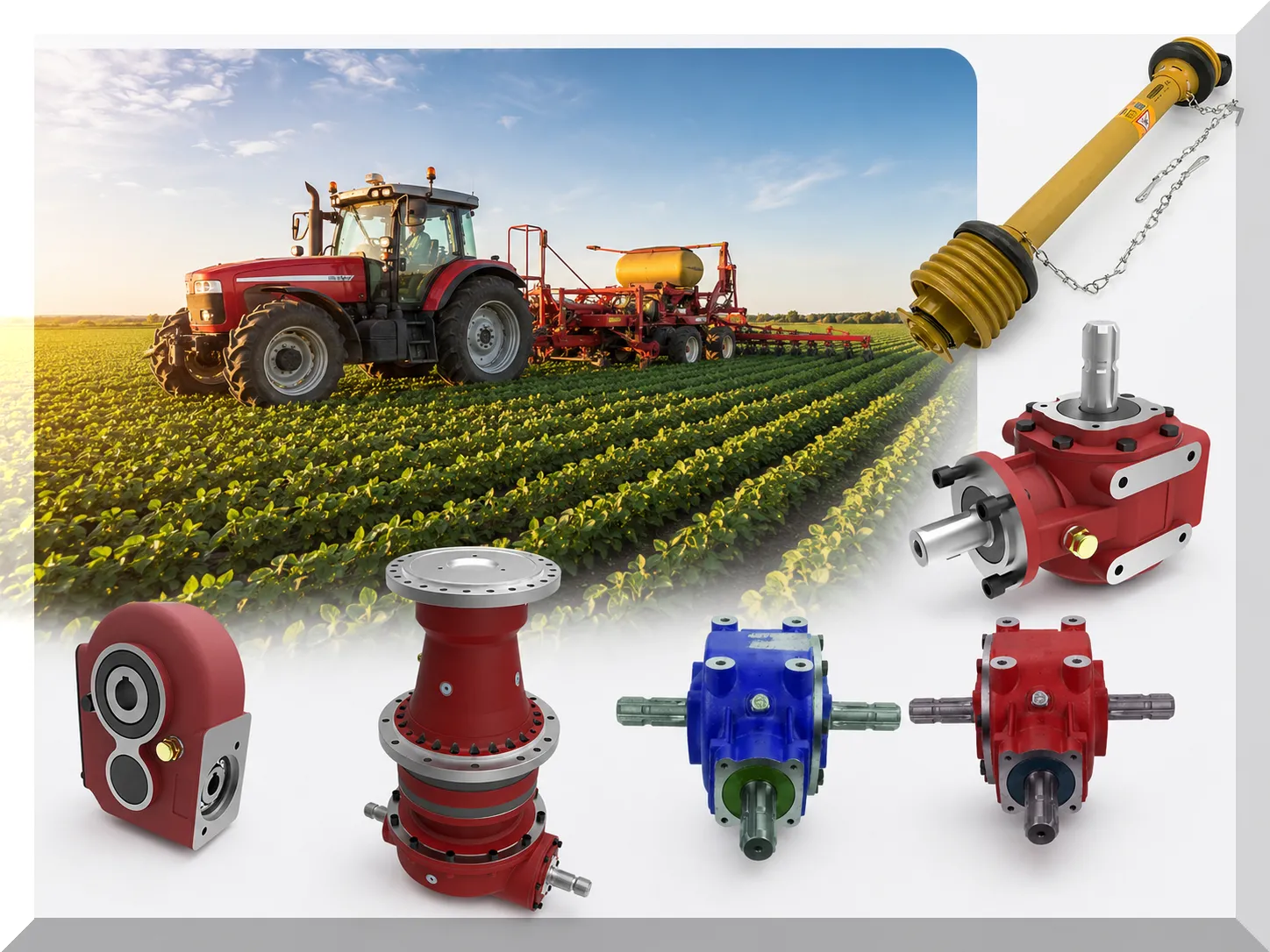
توجد مقارنة تفصيلية بين تصميمات المجارف وخصائص تفتيت الأوراق حسب نوع المحصول في... دليل مقارنة أنواع مشط التبنتُغطى عملية القص والتكييف التي تحدد خصائص كومة القش الأولية وتوزيع الرطوبة التي تعمل عليها المجرفة لاحقًا في دليل جودة قص وتجهيز جزازات العشبللاطلاع على متطلبات سرعة عمود نقل الحركة في محركات الكشط، ونسبة التروس، ومواصفات علبة تروس الكشط، انظر مواصفات مكونات علبة التروس الزراعية ومجموعة نقل الحركة PTO.
عرض صف القش ونسبة التقاط القش بواسطة مكبس القش
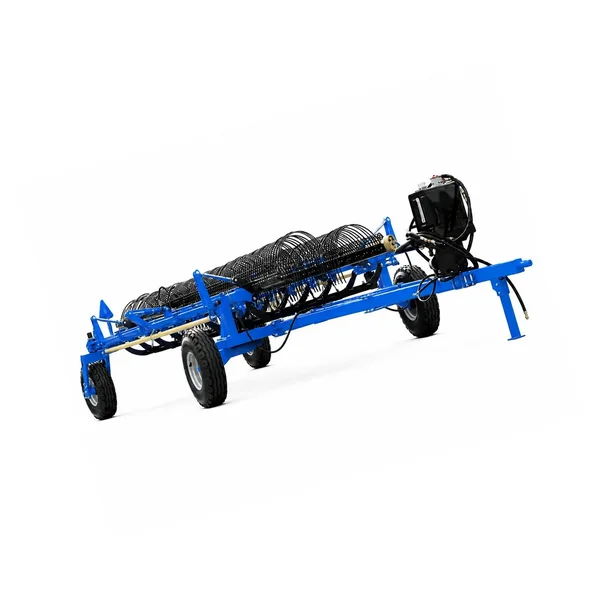
يجب أن يتناسب عرض كومة التبن التي تُشكّلها المجرفة مع عرض وحدة التقاط التبن في آلة التجميع لضمان جمع التبن بكفاءة ونظافة. فإذا كانت الكومة أعرض من اللازم، فإن أسنان آلة التجميع ستتجاوز حواف الكومة، تاركةً شريطًا من التبن في كل مرة تمر بها. أما إذا كانت الكومة ضيقة جدًا، فإن وحدة التجميع ستمر فوق الأرض الفارغة بين الكومة وسطح الحقل، مما يقلل من كفاءة الجمع ويتطلب عددًا أكبر من المرورات لجمع نفس المساحة.
مثال: وحدة التقاط بالات بعرض 60 بوصة (5 أقدام) ← عرض الصف الأمثل = 30-39 بوصة
مثال: وحدة التقاط بالات بعرض 72 بوصة (6 أقدام) ← عرض الصف الأمثل = 36-47 بوصة
يسمح عرض كومة القش الذي يتراوح بين 50 و65% لأسنان آلة الالتقاط بالتحرك مسافة 2-4 بوصات بعد حافة كل كومة، مما يضمن جمعًا كاملًا للمواد السائبة على حواف الكومة. في هذه المنطقة، تتركز أهم أجزاء الأوراق بعد تساقطها أثناء التجفيف، ويتطلب جمعها بشكل نظيف أن تتحرك آلة الالتقاط مسافة بضع بوصات بعد حافة الكومة الظاهرة من كل جانب.
يتطلب ضبط عرض أكوام القش بشكل صحيح تعديل زاوية دوران المجرفة أو عدد الصفوف التي يتم دمجها في كل تمريرة. تنتج المجرفة على شكل حرف V ذات زاوية العجلات القابلة للتعديل أكوام قش أضيق أو أعرض بناءً على زاوية العجلات - الزاوية الأوسع تنتج أكوام قش أضيق وأطول؛ والزاوية الأقل انحدارًا تنتج أكوام قش أعرض وأقل ارتفاعًا. بالنسبة للمجرفة نفسها التي تجمع نفس كمية المحصول، ستكون أكوام القش بعرض 30 بوصة أطول وأكثر كثافة من أكوام القش بعرض 45 بوصة، مع اختلاف خصائص التجفيف بعد التجميع.
دمج الشرائح: متى يكون الدمج منطقياً ومتى لا يكون كذلك
يُعدّ دمج مسارين أو أكثر من مسارات الحصاد في صف واحد (باستخدام مشط أعرض من صف واحد) ممارسة شائعة لتحسين كفاءة التجميع عندما يكون محصول الفدان منخفضًا. وينبغي أن يستند قرار الدمج إلى الحد الأدنى المطلوب لكثافة صفوف الحصاد في آلة التجميع، وليس إلى الرغبة في تقليل عدد مرات التجميع.
- تعتبر صفوف القش ذات المسار الواحد خفيفة جدًا بحيث لا يمكن تشكيل بالة كاملة دون الحاجة إلى سرعة تكديس بطيئة للغاية (أقل من 2 ميل في الساعة).
- إنتاجية المحصول لكل فدان أقل من 1.5 طن من المادة الجافة - صفوف الحشائش ذات المسار الواحد رقيقة جدًا بحيث لا يمكن جمعها بكفاءة
- تسمح ظروف الحقل بالدمج دون وجود طبقات رطوبة غير متساوية (حيث يتم تجفيف كلا الجزأين إلى نفس مستوى الرطوبة).
- لا يزال الكومة المجمعة تتناسب مع عرض التقاط آلة التجميع بنسبة 50-65%
- جفت القطعتان بمعدلات مختلفة - يؤدي الجمع بينهما إلى دفن المواد الأكثر رطوبة داخل المواد الأكثر جفافًا، مما يخلق بالات ذات طبقات رطوبة تسخن بشكل غير متساوٍ أثناء التخزين
- يتجاوز عرض كومة القش المجمعة 65% من عرض وحدة التقاط القش في المكبس - لا تستطيع وحدة الالتقاط جمع عرض الكومة بالكامل بشكل نظيف
- تكون أكوام التبن المجمعة كثيفة للغاية لدرجة أنها تتسبب في تراكم كتل التبن في مكبس التبن عند أي سرعة أرضية معقولة.
- تم تجفيف جزء من الأرض على أرض صخرية مرتفعة، وجزء آخر في منطقة منخفضة ورطبة - حيث يؤدي الجمع بين الخليطين إلى مستويين مختلفين من الرطوبة.
كثافة صفوف القش وكفاءة التقاط القش بواسطة مكبس التبن: إعداد مكبس التبن لتحقيق النجاح
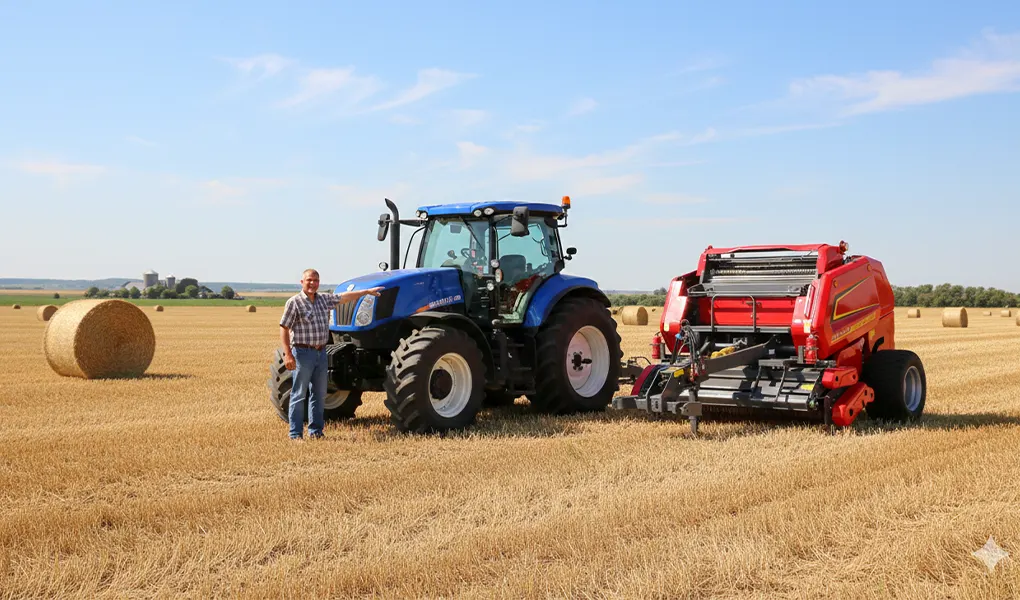
تُعدّ كثافة وتجانس صفوف القش بنفس أهمية عرضها. فصفوف القش التي تتفاوت سماكتها من رقيقة إلى سميكة على طولها - وهو أمر شائع عند مرور آلة الحصاد فوق حوافها دون جمع بعض المواد - تُحدث تناوبًا بين التحميل المتقطع والتجويف الفارغ، مما يُقلل من تجانس كثافة البالات ويزيد من خطر حدوث تمزقات في مسامير القص. أما صفوف القش المثالية، فتكون متجانسة في كلٍ من مساحة المقطع العرضي وكثافة المواد من طرف الصف إلى الطرف الآخر.
تُنتج المجرفة التي تدوّر القش بدلاً من تفكيكه كومة مضغوطة وكثيفة تقع بالقرب من سطح التربة. قد يؤدي هذا الضغط إلى احتباس الرطوبة في قاعدة الكومة وجفافها بشكل غير متساوٍ، حيث قد يصل الجزء العلوي إلى رطوبة التعبئة بينما لا يزال الجزء السفلي أكثر رطوبة بنسبة 5-8%. أما تقنية التمشيط التي تُفكك الكومة (والتي تتحقق من خلال زاوية عجلة مجرفة أعلى قليلاً أو قوس أسنان أكثر قوة) فتُنتج كومة أخف وزنًا وأطول تجف بشكل أكثر تجانسًا لأن الهواء يسمح بتدويرها عبر المقطع العرضي. بالنسبة للقش الممتاز، فإن السرعة الأبطأ قليلاً وزاوية العجلة الأكثر حدة لإنشاء كومة مفكوكة تستحق التضحية بالسرعة البسيطة للتمشيط.
يُحدد اتساق وضع صفوف القش - أي الحفاظ على مركز الصف بدقة على خط الصف المقصود من مدخل الحقل إلى مخرجه - ما إذا كان بإمكان آلة التجميع السير في مسار مستقيم ومتوقع أثناء عملية التجميع. يتطلب الصف المائل أو المنحني أو المائل بزاوية بالنسبة لصفوف الحقل مزيدًا من تصحيحات التوجيه لآلة التجميع، ويقلل من سرعة التجميع، ويزيد من احتمالية عدم التقاط حواف الصف داخل المنحنيات. حافظ على مسارات المجرفة موازية لمسارات جزازة العشب وحدود الحقل؛ وقم بالمحاذاة عند نقطة دخول الحقل قبل بدء كل مسار للمجرفة.
ستة أخطاء في جمع الأوراق قد تكلفك غالياً عند المصعد
أكثر أخطاء جمع الأوراق شيوعًا والتي تُؤثر سلبًا على جودة التربة. يظهر ذلك على شكل غبار ناعم خلف المجرفة وآثار واضحة لتساقط الأوراق. يُنصح بجمع الأوراق في الصباح الباكر (بعد جفاف الندى، وقبل أن تُخفض حرارة الظهيرة نسبة الرطوبة إلى أقل من 151%) أو في وقت متأخر من بعد الظهر عندما تُزيد الرطوبة المرتفعة من ليونة الأوراق.
تُحمل أوراق الشجر المتطايرة بفعل الرياح من عملية الكشط جانبيًا خارج صفوف التبن قبل جمعها. في حالة رياح جانبية سرعتها 20 ميلًا في الساعة، يمكن لمشط ذي عجلة أصابع أن ينثر ما بين 8 إلى 15 طنًا من أوراق الشجر الدقيقة والقش خارج عرض صفوف التبن. يُنصح بتأجيل الكشط في ظروف الرياح العاتية للحصول على تبن عالي الجودة؛ أما بالنسبة لتبن الماشية، فإن تأثير ذلك على الجودة أقل أهمية.
تتسبب أسنان المشط الملامسة للتربة في التقاط مواد معدنية تزيد من نسبة الرماد وتلوث البالة. لذا، تحقق من خلوص الأسنان قبل تجريف كل حقل جديد، خاصةً عند الانتقال بين حقول ذات تربة مختلفة الخشونة أو بعد هطول الأمطار عندما يكون سطح التربة مرتفعًا. حافظ على خلوص يتراوح بين 1.25 و2.5 سم بين أدنى قوس للسن والتربة الصلبة.
يؤدي دمج شريط رطوبة 22% مع شريط رطوبة 16% إلى تكوين بالة مختلطة ذات توزيع رطوبة داخلي غير منتظم. تبدو البالة جافة من الخارج، لكنها تحتوي على مناطق داخلية رطبة ترتفع درجة حرارتها. اختبر كلا الشريطين، ولا تدمجهما إلا إذا كان الفرق بينهما لا يتجاوز 3 نقاط مئوية.
يؤدي استخدام كومة حصاد بعرض يزيد عن 65% إلى ترك بقايا محصول على الحواف التي لا تصل إليها آلة الحصاد في كل مرة. غالبًا ما تكون هذه الشرائط غير المحصودة هي الجزء الأكثر كثافة من الكومة (حيث تستقر أثقل كمية من المحصول في القاعدة)، وقد تمثل ما بين 10 إلى 15% من إجمالي كتلة المحصول. تحقق من عرض الكومة مقارنةً بعرض آلة الحصاد قبل تحديد زاوية المجرفة.
تُساعد عملية التمشيط الثانية بعد عملية التجميع على استعادة المواد المتبقية على حواف الأكوام، ولكن على حساب إحداث اضطراب ميكانيكي إضافي للمواد الجافة أصلاً. كل عملية تمشيط عند انخفاض نسبة الرطوبة عن 15% تزيد من تساقط الأوراق. إذا تركت عملية التجميع الأولى حوافًا للأكوام، يُنصح بخفض ارتفاع الالتقاط قليلاً والتجميع ببطء أكبر في العملية الثانية، حيث تجمع هذه العملية كمية أكبر من المواد على الحواف مقارنةً بعملية التمشيط الثانية دون زيادة فقدان الأوراق.
الأسئلة الشائعة حول جمع التبن
احصل على مواصفات آلة جمع القش وآلة كبس القش المناسبة لعملياتك
أخبرنا بمحصولك الرئيسي، والسوق المستهدف، وعرض قصّ جزازة العشب، وعرض التقاط مكبس التبن. سنؤكد لك عرض عمل المشط ونوع أسنانه الذي يُنتج صفوفًا متناسقة مع مكبس التبن الخاص بك، وذلك لتحقيق أقصى كفاءة في الجمع وأقل قدر من فقدان الأوراق.
المحرر: Cxm


