لماذا يُباع تيموثي بأسعار مرتفعة؟ ولماذا يُبرر هذا السعر المرتفع؟
تيموثي (فليوم براتنسيُعدّ هذا النوع من التبن المعيار المرجعي لجودة تبن الخيول في أمريكا الشمالية، وهو المصدر الرئيسي لتبن الأعشاب المُصدّر إلى اليابان وكوريا الجنوبية وتايوان من شمال غرب المحيط الهادئ. ويعود تفوقه في أسواق تبن الخيول الفاخرة إلى مزيج من الخصائص التي لا يُضاهيها أي نوع آخر من أنواع التبن الشائعة: سيقان ناعمة ورقيقة في مرحلة نمو الجذور، تستهلكها الخيول بالكامل دون فرز؛ رائحة عطرية نقية وعذبة ناتجة عن مركبات عطرية طبيعية؛ لون أخضر زاهٍ عند تجفيفه بشكل صحيح، يُشير إلى نضارته وجودته للمشترين الذين يُقيّمون التبن بصريًا قبل تذوقه؛ وتجربة تغذية تُؤدي إلى انخفاض معدلات الرفض وسلوك استهلاك أفضل مقارنةً بالبدائل الخشنة. هذه مزايا غذائية وإدارية حقيقية، وليست مجرد حيل تسويقية.
$220–$320
سعر طن واحد من تبن تيموثي عالي الجودة من منطقة شمال غرب المحيط الهادئ، من مرحلة النضج المبكر إلى مرحلة الرأس، في أسواق الخيول - من بين أعلى الأسعار لأي نوع من أنواع التبن العشبي ذي البالات المستديرة المنتج محلياً
3-7 أيام
إن نافذة توقيت الحصاد الضيقة في مرحلة التزهير، عندما يكون نبات التيموثي في ذروة جودته، وقطر ساقه مثاليًا للتكييف، وأقل من تراكم الكربوهيدرات غير البنيوية الذي يحفز نضج رؤوس البذور - إن تفويت هذه النافذة بأسبوع واحد يؤدي إلى انخفاض سعر التبن درجتين سعريتين.
القطع الثاني
يُعدّ هذا النوع من الحصاد الأكثر قيمة لدى مشتري الخيول في معظم الأسواق، إذ يتميز بسيقان أدق، ونسبة أقل من الكربوهيدرات غير البنيوية في العديد من الظروف، واحتفاظ أفضل باللون الأخضر، ونسبة أعلى من الأوراق، وجودة أكثر اتساقًا من الحصاد الأول من نفس الموقع.
يغفل منتجو مسؤولية الجودة ما يلي: لا يُعدّ تبن التيموثي منخفض المحتوى من الكربوهيدرات غير البنيوية (NSC) بطبيعته، بل قد يكون مرتفعًا جدًا. فعلى سبيل المثال، قد يحتوي تبن التيموثي الربيعي المحصود حديثًا من حقول شهدت ليالي باردة قبل الحصاد، أو تبن التيموثي الناضج في مرحلة اكتمال نمو السنابل، على نسبة تتراوح بين 18 و221 من الكربوهيدرات غير البنيوية (NPS). لذا، يحتاج مُلاك الخيول الذين يعانون من اضطرابات في مستوى الأنسولين أو خيول مُعرّضة لالتهاب الصفيحة إلى إجراء اختبار، وليس مجرد افتراضات حول نوع النبات. إن تسويق التيموثي على أنه آمن للخيول التي تعاني من اضطرابات أيضية دون إجراء اختبار خاص بكل دفعة من الكربوهيدرات غير البنيوية (NSC) يُعدّ مخاطرة تجارية، وقد يكون ضارًا أيضًا. أما التيف، فهو الخيار الأمثل لحصان الموسم البارد، إذ يتميز بانخفاض محتواه من الكربوهيدرات غير البنيوية (NSC) بطبيعته؛ لذا يجب توثيق محتوى الكربوهيدرات غير البنيوية (NSC) في التيموثي، وليس مجرد افتراضات.
تيموثي بيولوجي: مرحلة التمهيد، والاتجاه، والمفاضلة بين الجودة والإنتاجية
عشب التيموثي عشب معمر ينمو في المواسم الباردة، وينتج دفعة نمو أولية واحدة في الربيع (الحصاد الأول) ودفعة نمو ثانوية في أواخر الصيف (الحصاد الثاني في المزارع المُدارة). إن فهم مراحل نمو النبات - وما تعنيه كل مرحلة لجودة التبن وأهليته للتسويق - هو أساس كل قرار إنتاجي.
| مرحلة النمو |
سي بي |
NDF |
نطاق NSC |
أَثْمَر |
مستوى السوق |
| مرحلة الإقلاع — رأس مغلق |
11–15% |
47–56% |
8–14% |
50–65% |
الخيول الفاخرة - أسواق الإسطبلات المتخصصة |
| رأس مبكر - رأس ظهر للتو (الأمثل) |
9–13% |
52–62% |
10–18% |
75–85% |
حصان فاخر - معظم أسواق الخيول والتصدير |
| رأس كامل - نمو البذور |
8–11% |
60–70% |
12–22% |
90–100% |
قش عشب الماشية؛ حصان من الدرجة الثانية |
| بعد اكتمال النضج / نضج البذور |
6–9% |
65–76% |
— |
الأعلى |
علف خشن تجاري؛ غير مؤهل لسوق الخيول |
تحديد مرحلة التمهيد في الميدان
تجوّل في الحقل واختر عشرة سيقان عشوائيًا. اضغط برفق على غمد الورقة العلوي بأصابعك - في مرحلة التزهير، ستشعر برأس البذرة المتنامي ككتلة منتفخة داخل الغمد، لكنك لن تراه. يكون الرأس محميًا تمامًا داخل الورقة. مع بدء الإزهار، يستطيل رأس البذرة ويخترق طرف الغمد، ليصبح مرئيًا على شكل أسطوانة فضية مخضرة تمتد فوق طوق الورقة. اقطع السيقان عند ظهور الرأس أو بعده مباشرة للحصول على مرحلة الإزهار المبكرة - وهي الفترة المثالية لتسويق الخيول، حيث تحقق التوازن الأمثل بين الجودة العالية والإنتاجية الكافية.
الفرق في الجودة بين النسخة الأولى والنسخة الثانية
يحظى تبن التيموثي المحصود للمرة الثانية بسعر أعلى بكثير من تبن المحصود للمرة الأولى في أسواق الخيول، وذلك لسبب وجيه. فالتبن المحصود للمرة الثانية - وهو النمو المتجدد بعد الحصاد الأول - ينمو في ظروف أكثر دفئًا وجفافًا، بسيقان أدق، ونسبة أوراق أعلى، ومحتوى أقل من الكربوهيدرات غير البنيوية (NSC) مقارنةً بتبن المحصود للمرة الأولى في الربيع. كما أن نمو رؤوس البذور في التبن المحصود للمرة الثانية يكون أبطأ مقارنةً بالتبن المحصود للمرة الأولى: إذ يركز النبات طاقته على النمو الخضري بدلًا من التكاثر، مما يحافظ على دقة ونعومة الساق لفترة أطول بين الحصادين. ويطلب العديد من مشتري الخيول تحديدًا "تبن التيموثي المحصود للمرة الثانية"، وتُباع كميات التبن المحصود للمرة الثانية الموثقة بسعر أعلى يتراوح بين 1.15 و1.30 دولارًا أمريكيًا للطن مقارنةً بالتبن المحصود للمرة الأولى في السوق نفسه.
الملاءمة الجغرافية: أين يزدهر تيموثي وأين لا يزدهر
يُعدّ النطاق الجغرافي الأمثل لإنتاج عشب التيموثي بشكل مربح أكثر محدودية من عشب برمودا أو البرسيم الحجازي، لأنه يتطلب صيفًا باردًا، ورطوبة مستمرة، وشتاءً معتدلًا. إن فهم هذا النطاق يجنّبنا الخطأ المكلف المتمثل في زراعة التيموثي في مناخات لا يُجدي فيها نفعًا أو لا يُمكّنه من الاستمرار.
شمال غرب المحيط الهادئ - مركز الإنتاج المتميز
تُنتج وادي ويلاميت (أوريغون)، وحوض كولومبيا (واشنطن وأوريغون)، ومنطقة بالوس (شرق واشنطن وشمال أيداهو) مجتمعةً غالبية تبن التيموثي الممتاز في الولايات المتحدة. ويُسهم مزيج من فصول الصيف المعتدلة المتأثرة بالعوامل البحرية، ورطوبة الربيع الموزعة بشكل جيد، وسهولة الوصول إلى موانئ التصدير المطلة على المحيط الهادئ، في خلق بيئة مثالية للإنتاج. ويمكن أن يصل إنتاج تبن التيموثي في وادي ويلاميت إلى 2-4 أطنان للفدان الواحد في موسمين من الحصاد تحت الري، بجودة تصنف باستمرار ضمن أعلى مستويات التصنيف الدولي للتصدير. وغالبًا ما يُعتبر تبن هذه المنطقة المعيار الذي يقارن به مشتري الخيول في المناطق الأخرى.
أسواق الخيول الإقليمية في منطقة البحيرات العظمى وشمال شرق الولايات المتحدة
تُعدّ ولايات ويسكونسن وميشيغان وشمال ولاية نيويورك وبنسلفانيا مناطق نشطة لإنتاج عشب التيموثي، الذي يُلبي احتياجات أعداد كبيرة من الخيول في المنطقة. تتميز درجات الحرارة الصيفية بالدفء، ولكنها نادراً ما تكون مرتفعة للغاية، مما يسمح باستمرار نمو عشب التيموثي بشكل كافٍ مع الإدارة الجيدة. عادةً ما يكون الإنتاج على شكل حصدة واحدة أو حصدتين حسب طول الموسم. تُضاهي جودة التبن جودة إنتاج شمال غرب المحيط الهادئ في السنوات الباردة؛ أما في سنوات الإجهاد الحراري الصيفي، فتُنتج جودة أقل وتسريعاً في الإزهار، مما يُقلّص فترة الحصاد. تتراوح أسعار التبن الممتاز بين 150 و220 دولارًا للطن في معظم أسواق الخيول في منطقة البحيرات العظمى، وهي أقل من أسعار التصدير في شمال غرب المحيط الهادئ، ولكنها لا تزال أعلى بكثير من أسعار التبن العشبي المحلي.
الغرب الأوسط والجنوب - غير قابلة للتطبيق بشكل عام
لا يتحمل نبات التيموثي الحرارة والجفاف جيدًا. ففي المناطق التي تتجاوز فيها درجات الحرارة الصيفية 85 درجة فهرنهايت لفترات طويلة، يدخل التيموثي في حالة ركود صيفي حاد، حيث يتباطأ نموه بشكل كبير، وتتراجع مخزوناته الجذرية، ويضعف نموه. وبحلول السنة الثالثة أو الرابعة، غالبًا ما يتحول حقل التيموثي في جنوب الغرب الأوسط إلى نوع من الأعشاب الضارة، ويحتاج إلى إعادة زراعته. إن النموذج الاقتصادي الناجح في ولاية أوريغون - وهو الحفاظ على حقل معمر لمدة 5-8 سنوات - لا ينجح في ولايتي كانساس وميسوري. لذا، ينبغي على المنتجين في هذه المناطق تقييم زراعة عشب البستان، أو الفستوكة الطويلة، أو عشب برمودا في المناطق الأكثر دفئًا، بدلًا من محاولة زراعة التيموثي.
تجفيف تبن تيموثي: السيقان السميكة، والحفاظ على اللون، وقرار التكييف
يتميز عشب التيموثي في مرحلة التزهير بسيقان سميكة نسبيًا - يتراوح قطرها بين 1.25 و 2 سم عند القاعدة - تحتفظ بالرطوبة لفترة أطول من الأعشاب ذات السيقان الأرفع. يُعدّ التكييف مهمًا، لكن التيموثي يُعاني أيضًا من خطر جفاف فريد لا يُشكّله أي محصول تبن شائع آخر بنفس الدرجة: بهتان اللون. يدفع مشتري الخيول عادةً ما بين 10 و 20 سنتًا إضافيًا للطن الواحد من التبن الأخضر الفاتح مقارنةً بالتبن ذي الجودة الغذائية نفسها الذي بهت لونه إلى الأصفر المخضر أو البني الفاتح نتيجة الإفراط في التجفيف أو التعرض المطوّل للحقل.
تهيئة الضغط لتيموثي
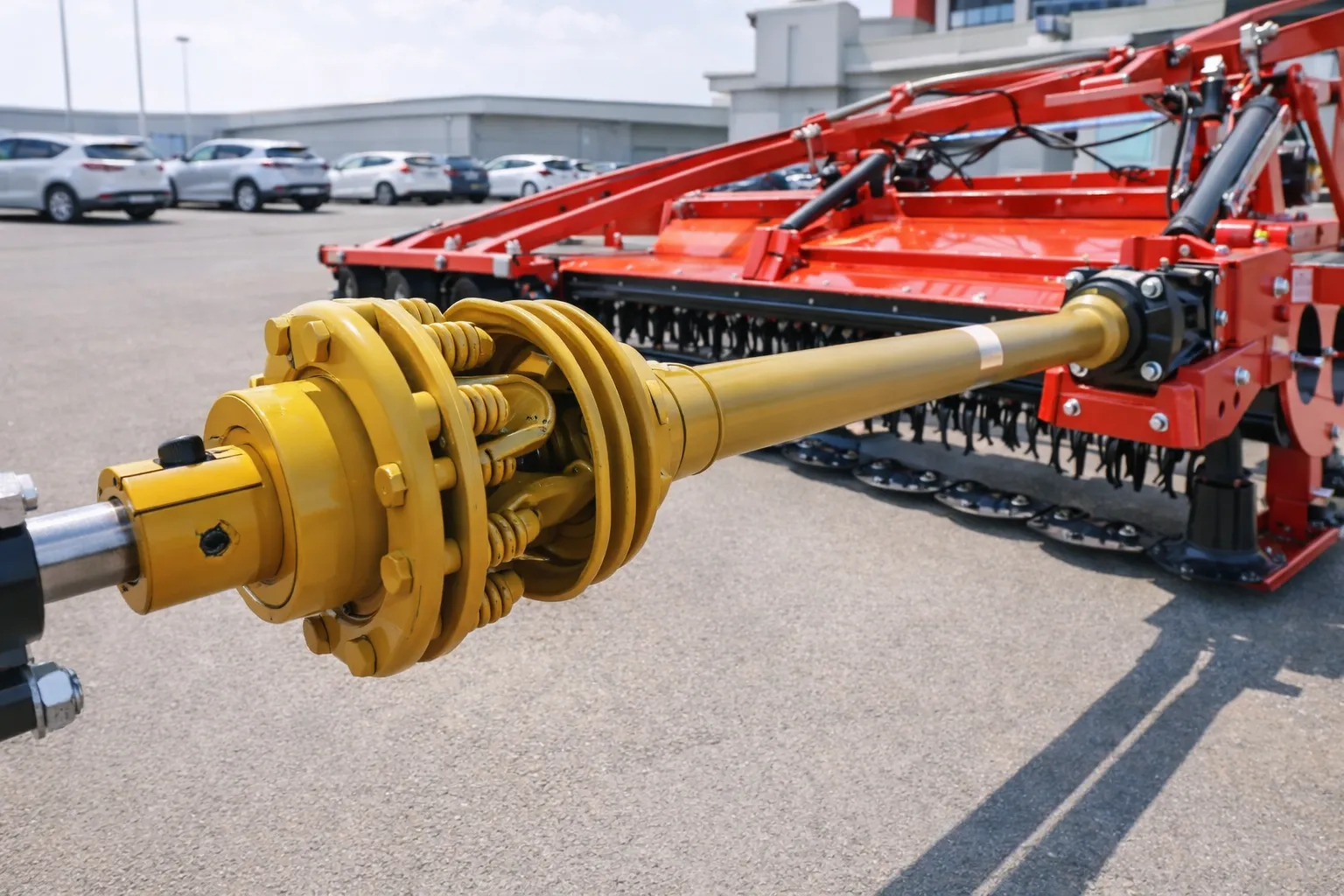
استخدم ضغطًا معتدلًا لتكييف أسطوانات الحصاد - أقل من الضغط المستخدم مع البرسيم أو حشيشة السودان. يتميز عشب التيموثي في مرحلة التزهير بسيقان لينة نسبيًا، مما يجعله فعالًا عند الضغط المعتدل؛ أما الضغط الزائد فيؤدي إلى تساقط كبير للأوراق في الجزء العلوي، وهو الجزء ذو الجودة الأعلى في التبن. اضبط فجوة الأسطوانات على الوضع الموصى به من قبل الشركة المصنعة للأعشاب متوسطة الكثافة، وليس على إعداد الضغط الأقصى المستخدم للمحاصيل ذات السيقان السميكة. دليل معايرة معدات الحصاد والتكييف للحفاظ على جودة التبن موجود على الرابط التالي: مواصفات مكونات علبة التروس الزراعية ومجموعة نقل الحركة PTO.
إدارة مخاطر تبييض اللون
يتحلل الكلوروفيل، وهو المركب المسؤول عن اللون الأخضر، بسرعة عند تعرضه للأشعة فوق البنفسجية لفترات طويلة بعد الحصاد. يتسارع معدل التحلل عند تجاوز نسبة الرطوبة 15%، ويتباطأ عند انخفاضها عن 14%. للحفاظ على اللون: يُنصح بتكويم القش عند نسبة رطوبة عالية (15-17% بدلاً من 13-14%)؛ وتجنب ترك القش المحصود في صفوف طويلة خلال يوم كامل ثانٍ من ذروة التعرض لأشعة الشمس إن أمكن؛ ولا يُجمع في صفوف نهائية إلا عند اقتراب نسبة الرطوبة من التكويم من 4-5 نقاط، مما يقلل من تعرضه لأشعة الشمس في الحزم المتراصة التي تزيد من تعرض الطبقة الخارجية للأشعة فوق البنفسجية.
الجدول الزمني النموذجي لتجفيف عشب التيموثي (ظروف الربيع في شمال غرب المحيط الهادئ، 65-70 درجة فهرنهايت، في ظروف مُهيأة): يُقطع التبن عند رطوبة تتراوح بين 70 و75% ← بعد 8 ساعات من القطع: 35-45% ← بعد 16-20 ساعة من القطع: 22-28% ← بعد 24-30 ساعة من القطع: 15-18% (مع اقتراب موعد التعبئة) ← بعد 34-40 ساعة من القطع: 12-14% (عند رطوبة التعبئة؛ يزداد خطر التبييض). في الظروف الباردة والغيوم، يُمدد التبن بمقدار 25-40%؛ وفي ظروف الحصاد الثاني الصيفية الدافئة والمشمسة، يُضغط بمقدار 20-30%. يُعد تكامل سير عمل صناعة التبن - الذي يربط بين مراقبة الطقس وحالة جفاف الحقل وجاهزية التعبئة - جزءًا من...
دليل تحسين سير عمل صناعة التبن.
جمع عشبة تيموثي: إدارة أكوام التبن لجمعها بشكل نظيف والحفاظ على لونها
يتطلب جمع قش التيموثي عناية أكبر من معظم أنواع قش الأعشاب الأخرى، لأن الجزء الورقي الذي يُسهم في جودته العالية يكون عرضة للتفتت عند انخفاض نسبة الرطوبة عن 40%. على عكس عشب برمودا أو الأعشاب المحلية - حيث تُشكل السيقان مصدر القلق الرئيسي من الناحية الهيكلية - يحتوي الجزء الورقي من التيموثي على نسبة عالية من البروتين الخام، وهو لين بما يكفي ليتفتت عند ملامسته لأسنان آلة الجمع إذا جفّ تمامًا.
حدد مستوى الرطوبة المناسب لنبات التيموثي
يُنصح بجمع التبن عند مستوى رطوبة يتراوح بين 40 و50% (TP5T)، أي أبكر من معظم محاصيل التبن. عند مستوى رطوبة 40% (TP5T)، تحتفظ أوراق التيموثي بمرونتها وتتحمل ملامسة أسنان الحصاد دون أن تتفتت بشكل ملحوظ. أما عند مستوى رطوبة 25% (TP5T) (وهو المستوى المستهدف الشائع لجمع البرسيم)، فتكون أوراق التيموثي جافة جزئيًا وهشة بما يكفي لتتكسر عند ملامستها لأسنان الحصاد. كما يُنتج هذا الجمع المبكر بنية أفضل للصفوف، لأن التبن الأثقل قليلًا يُشكل صفوفًا أكثر تماسكًا وأسهل في التجميع من التبن الجاف جدًا الذي يتفتت أثناء الجمع. تتوفر بروتوكولات مفصلة حول رطوبة وتوقيت الجمع في... دليل جمع القش وتشكيل صفوف القش.
عرض وعمق كومة الرم
قم بتجميع قش التيموثي في صفوف أضيق من عرض الحصادة - فالصفوف المركزة والمتجانسة التي تغذي آلة التجميع بكثافة ثابتة أكثر أهمية لقش التيموثي من المحاصيل الأثقل حيث يتم تصحيح تباين الصفوف تلقائيًا من خلال تعديلات شد آلة التجميع. يُحقق عرض واسع وضحل حتى مرحلة التجميع، ثم صفوف متجانسة ومتماسكة للتجميع، أفضل مزيج من سرعة التجفيف وتجانس التجميع. تجنب التجميع المزدوج (تجميع الصفوف مرتين) - فالتجميع الثاني، حتى مع الرطوبة المناسبة، يزيد من تساقط الأوراق على الجزء الخارجي الجاف من الصفوف.
إعدادات آلة تجميع التبن لنبات التيموثي: مطابقة المعدات مع السلوك المحدد للمحصول
لا يُعدّ تبن تيموثي من أكثر المحاصيل صعوبةً ولا أسهلها في التعبئة، فهو يقع في منتصف نطاق الصعوبة، أصعب من نجيل برمودا، لكنه أسهل من نجيل سودان. ويتمثل التحدي الرئيسي في إدارة آلة التعبئة في تحقيق الكثافة الكافية في تبن ذي كثافة ظاهرية منخفضة نسبيًا، وميل لإنتاج بالات تبدو ذات حجم مناسب قبل أن تكتسب كتلة كافية.
دليل ضبط مكبس التبن من تيموثي هاي
زنبرك الكثافة
5–10% أعلى من إعدادات البرسيم لنبات التيموثي المبكر/المُزهر. يتميز نبات التيموثي في مرحلة التزهير بتماسك ألياف أقل من أوراق البرسيم، حيث لا تتشابك سيقانه الناعمة والدقيقة ميكانيكيًا بنفس كفاءة سطح أوراق البرسيم غير المنتظم. ويعوض شد الزنبرك الإضافي هذا النقص من خلال مواصلة الضغط حتى تصل الكتلة إلى الكثافة المستهدفة، بدلاً من الاعتماد على تلامس السطح الذي يُفعّل إشارة الكثافة مبكرًا. الوزن المستهدف للبالة (4×4): 450-650 رطلاً. يشير الوزن الأقل من 400 رطل إلى كثافة غير كافية، لذا يجب زيادة شد الزنبرك حتى يتم الوصول إلى نطاق الوزن المستهدف باستمرار.
حجم البالة
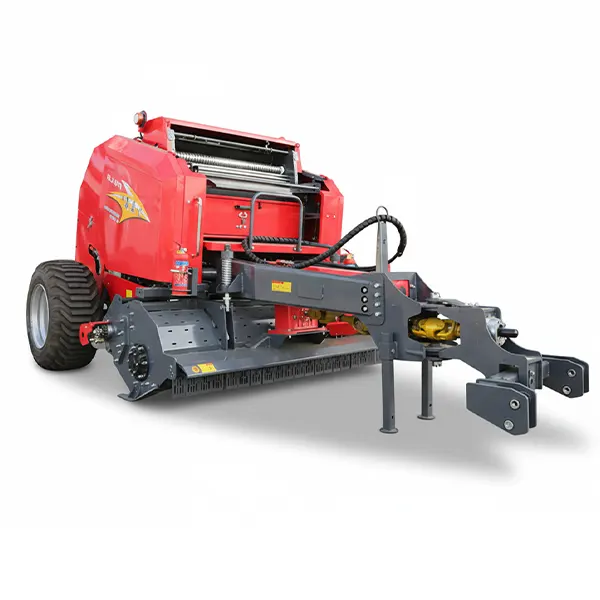
4×4 لأسواق الخيول؛ 4×5 أو 5×5 للماشية أو للتصدير. تُفضل مزارع الخيول بشدة بالات التيموثي 4×4، فهي سهلة النقل دون معدات ثقيلة للتغذية اليومية، وتناسب تصميمات التخزين القياسية في الحظائر، وهي الشكل المتوقع لتجارة التجزئة لأعلاف الخيول الممتازة. تتطلب أسواق التصدير أبعادًا محددة للبالات يتم تأكيدها مع الوسيط. يبلغ وزن بالة التيموثي 4×4 ذات الكثافة الصحيحة 450-650 رطلاً، وهو وزن مناسب لمناولته بواسطة عامل واحد باستخدام جرار وحربة. تتوفر لدينا نماذج مكابس البالات الدائرية ومواصفات عمود إدارة الطاقة (PTO) المناسبة لإنتاج أعلاف التيموثي.
نماذج مكابس البالات الدائرية.
غلاف شبكي
مطلوب لسوق الخيول تيموثي. يُقيّم مشتري الخيول الذين يشترون تبن التيموثي الممتاز المظهر الخارجي للبالات عند التسليم؛ فالبالات المغلفة بشبكة تُظهر سطحًا أملسًا واحترافيًا يحافظ على اللون الأخضر للطبقة الخارجية، مما يدل على التعامل الدقيق معها. أما بالات التيموثي المغلفة بخيوط، فتسمح بتساقط أوراقها الخارجية تدريجيًا أثناء التخزين والنقل، مما يُقلل من جودتها البصرية التي تُبرر سعرها المرتفع. وللتصدير، يُعد التغليف بالشبكة مطلبًا أساسيًا من المشتري، وليس خيارًا إضافيًا. تكمن أهمية إدارة التخزين التي تحافظ على اللون الأخضر وجودة الطبقة الخارجية حتى التسليم في...
دليل تخزين بالات القش الدائرية وفقدان المادة الجافة.
سرعة الأرض
3.5–5 ميل في الساعة في صفوف التيموثي المُرتبة بكثافة قياسية. يُقدّم التيموثي بشكل أكثر سلاسة من معظم أنواع التبن العشبي، وذلك لأن اتجاه السيقان الموحد في الصفوف المُرتبة (جميع السيقان مُحاذية لاتجاه الصف) يُسهّل عملية التقاط التبن. لا تتعجل في وضع التبن في الصف، فكثافة التيموثي المتوسطة تعني أن حجرة التجميع تمتلئ أسرع من المتوقع عند دخول الصف الجديد لأول مرة. راقب معدل نمو قطر البالة في أول 3-4 تمريرات، واضبط السرعة لتحقيق أوزان بالات ثابتة.
معايير سوق الخيول: ما يحدده المشترون وكيفية توثيق الجودة
يضم سوق تبن تيموثي للخيول ثلاث فئات متميزة من المشترين، ولكل فئة متطلبات توثيق ومستويات أسعار مختلفة. ويساعد فهم الفئة المستهدفة على تحديد الاختبارات المطلوبة، وكيفية عرض التبن، وحجم الاستثمار التسويقي المناسب.
| مستوى المشتري |
النطاق السعري |
المستندات المطلوبة |
محرك الجودة الرئيسي |
| إسطبلات فاخرة لإيواء الخيول / عمليات تدريب خيول الأداء |
$220–$320/طن |
اختبار العلف الكامل (البروتين الخام، الألياف الحمضية، الألياف المحايدة، الكربوهيدرات غير البنيوية، مؤشر كثافة العلف الحمضي)؛ شهادة تاريخ الحصاد؛ فحص التسليم؛ اتساق الدفعات |
لون أخضر، رائحة، سيقان دقيقة، وثائق منخفضة للمواد غير البنيوية |
| متاجر الأعلاف وتجار التبن الذين يزودون سوق الخيول |
$160–$230/طن |
اختبار العلف (البروتين الخام، الألياف الحمضية، الألياف المحايدة)؛ فحص بصري من قبل الموزع؛ إمداد مستمر |
لون أخضر، جزء من الورقة، مرحلة القطع المعتمدة |
| صادرات المحيط الهادئ (اليابان، كوريا الجنوبية) |
$240–$340/طن تسليم ظهر السفينة |
شهادة صحة نباتية من وزارة الزراعة الأمريكية (APHIS)؛ خالية من الأعشاب الضارة؛ أبعاد محددة للبالات؛ مطلوب وسيط |
اللون الأخضر (ضروري للسوق اليابانية)، مرحلة النضج المبكر المعتمدة، محتوى الأعشاب الضارة |
| الخيول العامة / سلعة محلية |
$110–$160/طن |
اختبار أساسي أو فحص بصري فقط |
السعر، والقرب، والتوافر - لا تبرر إدارة الإنتاج المتميزة |
ما الذي يحكم عليه مشتري الخيول بصريًا قبل اختبارها؟ عند التسليم، يُقيّم المشترون أربعة مؤشرات جودة بصرية حاسمة للقبول: (1) اللون - يشير اللون الأخضر الفاتح إلى المعالجة والتخزين السليمين؛ بينما يشير اللون الأصفر إلى التجفيف الزائد أو بهتان اللون بفعل الشمس أو التخزين غير السليم. (2) الرائحة - يتميز التبن الطازج برائحة حلوة ونظيفة مميزة؛ بينما تشير الرائحة العفنة أو الحامضة إلى وجود العفن. (3) ملمس السيقان - تشير السيقان الناعمة والمرنة إلى مرحلة نمو السنابل؛ بينما تشير السيقان الخشنة والهشة إلى حصاد متأخر أو تجفيف زائد للتبن. (4) نسبة الأوراق - تشير البالة التي تحتوي على أوراق ظاهرة على سطحها إلى رطوبة مناسبة أثناء الكبس والتجميع؛ بينما تشير البالة التي تتكون في معظمها من السيقان إلى تجفيف زائد أثناء الكبس أو حصاد متأخر. يجتاز التبن الممتاز جميع الاختبارات البصرية الأربعة قبل أن يؤكد اختبار العلف النتائج.
تيموثي هاي - الاقتصاد: متى يبرر السوق المتميز تعقيد الإنتاج
يُدر إنتاج تبن تيموثي إيرادات قوية لكل فدان عندما يكون السوق الممتاز متاحًا، لكن الجدوى الاقتصادية تعتمد على تحقيق أسعار ممتازة باستمرار - هيكل تكلفة الإنتاج لا يبرر تسعير السلع الأساسية في مستوى تبن الماشية.
اقتصاديات نبات التيموثي في منطقة شمال غرب المحيط الهادئ (مروية، للفدان)
التأسيس (البذرة، البذر): $80–$140 (مُستهلك على مدى 6 سنوات: $15–$25/سنة)
الري: $60–$110/سنة
الأسمدة (النيتروجين، البوتاسيوم): $55–$90/سنة
القطع، والتجريف، والتعبئة (قطعتان): $65–$100/سنة
الاختبار والتوثيق: $40–$60/سنة
الأرض (تكلفة الفرصة البديلة): $100–$200/سنة
التكلفة الإجمالية: $335–$560/فدان/سنة
الإيرادات: 3.0 طن/فدان × $260/طن = $780/فدان. هامش الربح: $220–$445/فدان — قويٌّ عند ضمان الوصول الموثوق إلى الأسواق المتميزة.
عندما يكون لاقتصاد تيموثي معنى
يُبرر إنتاج عشب التيموثي عند التواجد ضمن نطاق 150 ميلاً من مركز رئيسي لتعداد الخيول، ووجود علاقات راسخة مع مديري إسطبلات الخيول أو تجار التبن، والتمتع بمناخ ملائم لنمو التيموثي (مناطق وزارة الزراعة الأمريكية 4-7)، وتوفر إمكانية الري خلال موسم الجفاف الصيفي في شمال غرب المحيط الهادئ. يمكن للمنتجين الذين يستوفون الشروط الأربعة تحقيق هوامش ربح تتراوح بين 200 و400 دولار أمريكي للفدان، وهي من بين الأفضل في إنتاج التبن في غرب الولايات المتحدة. أما المنتجون الذين يفتقرون إلى إمكانية الوصول الموثوقة إلى أسواق التبن المميزة، فينبغي عليهم حساب الجدوى الاقتصادية عند أسعار التبن السائدة في منطقتهم (140-160 دولارًا أمريكيًا للطن) قبل البدء بزراعة التيموثي، إذ لا تُجدي هذه الأرقام عادةً عند أسعار التبن السائدة.
الأسئلة الشائعة حول إنتاج تيموثي هاي
هل يُعدّ تبن التيموثي حقاً أفضل أنواع التبن للخيول، أم أنه مجرد تسويق؟+
تستند سمعة عشب التيموثي في أسواق الخيول إلى مزاياه الغذائية الحقيقية، لا إلى التسويق. يتميز التيموثي في مرحلة نموه المبكرة (من مرحلة التزهير إلى مرحلة السنابل) بانخفاض نسبة الألياف الغذائية المحايدة (NDF) (أي سهولة هضمه) مقارنةً بعشب برمودا أو قش الأعشاب المحلية عند نفس مرحلة النضج، كما يتميز بمذاق أفضل يؤدي إلى انخفاض ملحوظ في معدلات رفض العلف لدى معظم الخيول، بالإضافة إلى قوام ساق أكثر ليونة يقلل من احتمالية تسببه في تقرحات الفم لدى الخيول التي تعاني من مشاكل في الأسنان. أما رائحته العطرة فتأتي من مركبات عطرية طبيعية في الساق تتركز في مرحلة التزهير، وهي ليست إشارة جودة مصطنعة، بل مؤشر حقيقي على مرحلة النضج المرتبطة بالجودة العالية. إن السعر المرتفع الذي تدفعه أسواق الخيول مقابل التيموثي مستحق، وليس مصطنعًا. مع ذلك، قد يؤدي التسويق، بالإضافة إلى هذه المزايا الحقيقية، إلى تضخم أسعار التيموثي المتأخر الحصاد أو منخفض الجودة الذي لا يستحق سعرًا مرتفعًا، إذ يبقى اختبار العلف هو المعيار الموضوعي لتحديد ما إذا كانت جودة دفعة معينة تتناسب مع سعرها.
لماذا يُعتبر تبن التيموثي في شمال غرب المحيط الهادئ أفضل من تبن التيموثي في الغرب الأوسط؟+
تكمن ميزة جودة عشب التيموثي في شمال غرب المحيط الهادئ في المقام الأول في العوامل البيئية، وليس في العوامل الوراثية. إذ يُزرع عشب التيموثي في وادي ويلاميت وحوض كولومبيا في ظروف تسمح له بالنمو ببطء أكبر وفي درجات حرارة أقل من تلك التي تُزرع في الغرب الأوسط الأمريكي، مما ينتج عنه سيقان أدق، ونسبة أوراق أعلى، ونضج أبطأ يمنح المنتجين فترة حصاد أوسع في مرحلة الجودة الممتازة. كما يستفيد منتجو شمال غرب المحيط الهادئ من تقاليد إدارة جودة التصدير (إذ يفرض سوق التصدير الياباني معايير جودة بصرية صارمة ساهمت في الارتقاء بثقافة إنتاج عشب التيموثي في شمال غرب المحيط الهادئ بأكملها)، مما يؤدي إلى ممارسات تصنيف وتوثيق أكثر اتساقًا من المناطق التي لا تخضع لضوابط سوق التصدير. ولا يوجد سبب جوهري يمنع عشب التيموثي في منطقة البحيرات العظمى من إنتاج جودة مماثلة في السنوات الباردة، إذ يمكن لأفضل أنواع عشب التيموثي في ولاية ويسكونسن، عند مرحلة التزهير، أن تُضاهي عشب التيموثي في ولاية أوريغون من الناحية التحليلية. وتكمن ميزة شمال غرب المحيط الهادئ في اتساق الجودة عبر المواسم، وليس في التفوق الوراثي المتأصل.
ما هو مستوى NSC الذي يتم اختباره عادةً في تبن تيموثي؟+
يتراوح محتوى الكربوهيدرات غير البنيوية (NSC) في نبات التيموثي بين 8 و221 وحدة TP5T، وذلك تبعًا لمرحلة النمو، وظروف الموسم، والمنشأ الجغرافي. عادةً ما يحتوي التيموثي في مرحلة التزهير، الذي يُحصد في أواخر الربيع بعد ليالٍ دافئة، على محتوى NSC يتراوح بين 8 و141 وحدة TP5T. أما التيموثي الذي يُحصد في الربيع بعد ربيع بارد وغائم ساهم في تراكم الفركتان، فقد يحتوي على محتوى NSC يتراوح بين 16 و221 وحدة TP5T. بينما يحتوي التيموثي في مرحلة اكتمال نمو السنبلة، مع اكتمال نمو البذور، على محتوى NSC يتراوح بين 12 و221 وحدة TP5T، وذلك من النشا الموجود في السنبلة. وبشكل عام، يحتوي التيموثي الذي يُحصد للمرة الثانية على محتوى NSC أقل من التيموثي الذي يُحصد للمرة الأولى في ظل إدارة مماثلة لمرحلة النمو، لأن إعادة النمو تُنتج كمية أقل من الفركتان مقارنةً بالنمو الأولي في الربيع. الخلاصة: لا يُمكن الاعتماد على التيموثي كمنتج منخفض المحتوى من الكربوهيدرات غير البنيوية (NSC)، وأي دفعة تُسوّق للخيول المعرضة لمتلازمة التمثيل الغذائي للخيول (EMS) أو التهاب الصفيحة، تتطلب إجراء اختبار NSC حديث مع تضمين قيم الكربوهيدرات الذائبة في الماء (WSC) والنشا بشكل خاص. لا تفترض أن أي دفعة آمنة بناءً على نوعها فقط.
كم من الوقت يجب أن أترك عشب التيموثي يجف قبل تكديسه؟+
يجفّ نبات التيموثي المُكيّف في بيئة الربيع بمنطقة شمال غرب المحيط الهادئ (16-20 درجة مئوية، شمس معتدلة) عادةً إلى مستوى الرطوبة المناسب للتعبئة في غضون 24-36 ساعة. في ظروف الصيف الأكثر دفئًا وإشراقًا في الغرب الأوسط، يتقلص هذا الوقت إلى 18-28 ساعة. أما في ظروف شمال غرب المحيط الهادئ الباردة والغيوم، فقد يمتد إلى 36-48 ساعة. الرطوبة المستهدفة للتعبئة هي 14-17%، وهي أعلى من رطوبة البرسيم (12-14%) للحفاظ على لونه الأخضر. يُنصح بأخذ قراءات الرطوبة بعد 20 و24 ساعة من الحصاد لمعايرة معدل جفاف الحقل وفقًا للظروف المحددة؛ إذ يوجد تباين كافٍ بين اليوم والموسم، مما يجعل الجدول الزمني الثابت أقل موثوقية من قراءات مقياس الرطوبة المُوقّتة مع فترة الحصاد. استخدم دائمًا مقياس رطوبة ذو مسبار طويل لقياس لبّ الساق، وليس السطح فقط، وخذ القراءات في 5-6 مواقع عبر الحقل بدلًا من اختبار حافة كومة القش فقط.
هل يمكنني زراعة عشب التيموثي في مزارع مختلطة مع عشب البستان أو البرسيم؟+
يُزرع التيموثي عادةً في مزارع مختلطة مع عشب البستان في منطقة البحيرات العظمى وشمال شرق الولايات المتحدة، ومع البرسيم الأبيض في بعض المناطق. يُحسّن هذا النهج المختلط من استدامة المحصول (حيث يملأ عشب البستان المناطق الرقيقة التي يضعف فيها التيموثي) ويمكن أن يُحسّن الجودة بفضل مساهمة البقوليات. مع ذلك، لا يُمكن تسويق المزارع المختلطة تحت مُسمى "تبن التيموثي" في الأسواق المتميزة، لأن المشترين الذين يدفعون سعر التيموثي المرتفع يدفعون تحديدًا مقابل منتج ذي نسبة عالية من التيموثي، والمحصول الذي يحتوي على 40% من عشب البستان و60% من التيموثي يُعتبر تبنًا مختلطًا، وليس تبن تيموثي. بالنسبة لأسواق التصدير، تتطلب مواصفات محتوى التيموثي عادةً 80% فأكثر للتأهل كـ"تبن تيموثي". أما بالنسبة لأسواق الخيول المحلية، فتختلف معايير المشترين، فبعضهم يقبل مزرعة مختلطة يغلب عليها التيموثي، بينما يشترط آخرون توثيق نسبة عالية من التيموثي. اعرف مواصفات المشتري قبل إنشاء منصة عرض مختلطة إذا كنت تنوي التسويق على أنها تيموثي.
لماذا تبدو بالة قش التيموثي التي صنعتها أخف وزناً من المتوقع؟+
إذا كان وزن بالة تبن تيموثي 4×4 أقل من 400 رطل باستمرار، بينما كان الوزن المتوقع 500-600 رطل، فذلك يعود لأحد ثلاثة أسباب. أولًا، وهو الأكثر شيوعًا: عدم كفاية قوة ضغط زنبرك التبن نظرًا لانخفاض كثافة تبن تيموثي مقارنةً بالبرسيم. لذا، يُنصح بزيادة قوة ضغط الزنبرك بمقدار 5-10%، حيث يحتاج تبن تيموثي إلى قوة ضغط أكبر لتحقيق كثافة مكافئة لأن سيقانه الملساء لا تتشابك بإحكام مثل أوراق البرسيم. ثانيًا: قد يكون سمك كومة التبن أقل من المطلوب. يُعد عمق كومة تبن تيموثي عاملًا رئيسيًا في وزن البالة، فالكومة الرقيقة التي توفر نصف معدل التغذية المعتاد تُنتج بالة بنفس القطر ولكن بنصف الكثافة. لذا، يُنصح بجمع صفين من التبن معًا إذا كان سمك الكومة غير كافٍ. ثالثًا: قد يكون التبن قد حُصد في مرحلة متأخرة من تكوين السنابل أو بعد اكتمال نموها، عندما تكون السيقان مجوفة ووزنها أقل لكل وحدة حجم. ينتج عن زراعة التيموثي في المراحل المتأخرة دائمًا بالات أخف وزنًا عند إعدادات الكثافة المكافئة مقارنةً بزراعة التيموثي في المراحل المبكرة من النمو - وهذه مشكلة تتعلق بالجودة والتسويق، وليست مجرد مشكلة وزن.
المحرر: Cxm