अर्थशास्त्र आवरण फसल की गांठें बनाना सिद्धांततः दोनों तरीके सरल हैं: खरपतवारनाशक से खड़ी फसल को नष्ट करने के लिए प्रति एकड़ 12 से 25 पाउंड खर्च करने के बजाय, आप इसे चारे या हेलेज फसल के रूप में काटते हैं और प्रति एकड़ 30 से 60 पाउंड का चारा मूल्य प्राप्त करते हैं। परिचालन संबंधी चुनौतियाँ गुणवत्ता की सीमित सीमा, बेलर पिकअप पर दबाव डालने वाले मोटे तने और वसंत ऋतु में कटाई के चरण में कवर फसलों के लिए आवश्यक नमी प्रबंधन हैं। यह मार्गदर्शिका इन तीनों को कवर करती है।
रासायनिक उन्मूलन की तुलना में आवरण फसलों की गांठें बनाने के पक्ष में तर्क
आवरण फसल की गांठें बनाना लागत को राजस्व में परिवर्तित करता है। 100 एकड़ के आवरण फसल कार्यक्रम पर: 16 ट्रिलियन टन प्रति एकड़ की दर से रासायनिक उन्मूलन = 1,800 ट्रिलियन टन खर्च। 0.8 से 1.2 टन शुष्क द्रव प्रति एकड़ की दर से गांठ बनाना और 16 ट्रिलियन टन प्रति टन शुष्क द्रव की दर से बेचना = 4,400 से 6,600 ट्रिलियन टन प्राप्त। शुद्ध लाभ: 100 एकड़ प्रति 6,200 से 8,400 ट्रिलियन टन — उपकरण लागत से पहले। कम उपज और स्थानीय कीमतों पर भी, अनाज राई की गांठें बनाना या फिर शीतकालीन जई की फसल, जब खेत में चारे की आवश्यकता होती है या स्थानीय स्तर पर उपलब्ध होती है, तो समाप्ति लागत परिदृश्य की तुलना में लगातार बेहतर प्रदर्शन करती है।
राई की फसल की वसंत ऋतु में वृद्धि — गुणवत्ता अवधि (पौधे हरे होने के बाद के सप्ताह)
सप्ताह 1-3
दराज़बंदी
सीपी 221टीपी5टी
बहुत पतला
कम प्राप्ति
इंतज़ार
मुख्य
सप्ताह 4-5
ध्वज पत्ता
सीपी 16–181टीपी5टी
सर्वोत्तम गुणवत्ता+
उपज संयोजन
अभी काटें
सप्ताह 5-6
बूट चरण
सीपी 12–161टीपी5टी
अच्छा गोमांस/दूध उत्पाद
मध्यम गुणवत्ता
स्वीकार्य
सप्ताह 6-7
शीर्षक
सीपी 8–121टीपी5टी
गोमांस/बिस्तर
केवल गुणवत्ता
देर
सप्ताह 8+
पुष्पन/अनाज
सीपी <81टीपी5टी
पुआल के समतुल्य
न्यूनतम चारा मूल्य
बहुत देर हो गई
ऊपरी मध्यपश्चिम (ज़ोन 5-6) में वसंत ऋतु में सक्रिय हरियाली आने से लेकर विकास की समयरेखा। दक्षिणी क्षेत्रों में यह समयरेखा 1-2 सप्ताह कम हो जाती है। एक बार जब पौधों में जोड़ बनने शुरू हो जाएं, तो साप्ताहिक रूप से निरीक्षण करें - वसंत ऋतु में तेजी से विकास के दौरान, ध्वजपत्ती अवस्था एक निरीक्षण दौरे से दूसरे निरीक्षण दौरे के बीच 5 से 7 दिनों में आ सकती है।
प्रजाति गाइड: कौन से पौधे आसानी से गांठ में बंद हो जाते हैं और कौन से नहीं
सभी आवरण फसल प्रजातियाँ गांठ बनाने की प्रक्रिया को समान रूप से नहीं संभाल पाती हैं। गांठ बनाने वाली मशीन की अनुकूलता के लिए महत्वपूर्ण कारक तने का व्यास और नमी है: वसंत ऋतु में अधिक नमी वाली मोटे तने वाली प्रजातियाँ गांठ बनाने की प्रक्रिया में रुकावट और अवरोध उत्पन्न करती हैं, जबकि हल्के तने वाली पारंपरिक घास की फसलों में ऐसा नहीं होता है।
अनाज राई
खिड़की: ध्वजपत्ती (7-10 दिन)
उपज: 0.8–1.5 टन/एकड़
गुणवत्ता: ध्वजपत्ती पर ★★★
बेलर: शीर्ष पर गति कम करें; मोटे तने
शीतकालीन जई
खिड़की: बूट–प्रारंभिक सिर (10–14 दिन)
उपज: 0.6–1.2 टन/एकड़
गुणवत्ता: ★★★ — सर्वोत्तम पत्ती-तना अनुपात
बेलर: पतले तने — न्यूनतम समायोजन
ट्रिटिकेल
खिड़की: बूट चरण (7-10 दिन)
उपज: 1.0–2.0 टन/एकड़ (उच्चतम)
गुणवत्ता: ★★ — मध्यम सीपी
बेलर: उच्च बायोमास — अवरोधों की निगरानी करें
मूली/शलजम
खिड़की: पाला पड़ने से पहले (परिवर्तनीय)
उपज: केवल टॉप्स — कम
गुणवत्ता: ★ — उच्च नमी
बेलर: ✘ अनुशंसित नहीं — 80%+ नमी
बालों वाली वेच
खिड़की: फूल खिलने से पहले
उपज: 0.4–0.8 टन/एकड़
गुणवत्ता: ★★★ सीपी — लेकिन टाइन लपेटता है
बेलर: ⚠ बेल में फंसने का खतरा — धीरे चलें
कवर क्रॉप सामग्री के लिए बेलर सेटिंग्स
कवर फसलों की भौतिक विशेषताएं बेलर के लिए पारंपरिक घास से भिन्न होती हैं। बूट अवस्था में अनाज राई में तने की नमी 65 से 75°C तक होती है - जो सामान्य कटाई अवस्था में अल्फाल्फा की तुलना में काफी अधिक है - और तने का व्यास समान ऊंचाई पर अल्फाल्फा की तुलना में 20 से 40°C तक अधिक होता है। इस संयोजन से भारी ढेर बनते हैं जो पिकअप और चैम्बर से अधिक धीरे-धीरे गुजरते हैं।
| सेटिंग |
पारंपरिक अल्फाल्फा घास |
आवरण फसल (राई/ट्रिटिकेल) |
कारण |
| जमीन की गति |
6–10 किमी/घंटा |
4–7 किमी/घंटा |
भारी, नम हवा के झोंके चैम्बर को तेजी से भर देते हैं — रुकावट से बचने के लिए गति कम करें |
| पिकअप फ्लोट ऊंचाई |
मानक |
+1 पायदान ऊपर |
आवरण फसलें अक्सर झुकी हुई (लेटी हुई) होती हैं — ऊँचाई पर रहने से टाइन तनों में नहीं धँसते। |
| बेल्ट टेंशन |
मानक |
+1 पायदान |
अधिक नमी वाली सामग्री को लक्षित गांठ घनत्व तक पहुंचने के लिए अधिक संपीड़न की आवश्यकता होती है। |
| नेट रैप लेयर्स |
2.0 रैप्स |
2.5 रैप्स |
अधिक वजन और नमी वाले गठ्ठों को संभालने और भंडारण के दौरान अतिरिक्त सुरक्षा बल की आवश्यकता होती है। |
कवर क्रॉप साइलेज बेलिंग — उच्च नमी पर हेलेज बनाना
यदि मौसम के कारण खेत में घास की नमी (14 से 20%) तक सूखना संभव न हो, या यदि आप खेत में सुखाने की प्रतीक्षा किए बिना ध्वजपत्ती अवस्था में ही उच्चतम गुणवत्ता प्राप्त करना चाहते हों, आवरण फसल की गांठें बनाना साइलेज के लिए वैकल्पिक व्यवस्था है। फ्लैग लीफ अवस्था में अनाज राई को उसी दिन काटकर गांठें बनाई जाती हैं, आमतौर पर उसमें 65 से 75% नमी होती है - जो साइलेज किण्वन सीमा के भीतर है। प्रमुख आवरण फसल साइलेज संबंधी नोट्स: (1) राई और ट्रिटिकेल साइलेज के लिए इनोक्यूलेंट का प्रयोग करने की पुरजोर सलाह दी जाती है - इन घासों में फ्लैग लीफ अवस्था में जुलाई की घास की तुलना में WSC कम होता है और इनोक्यूलेंट से इन्हें लाभ होता है; (2) गांठें बनाने के 2 घंटे के भीतर लपेटें; (3) तने में अधिक नमी होने से गांठें भारी होती हैं - खेत भरने से पहले अपने गांठ परिवहन वाहन की क्षमता की पुष्टि कर लें।
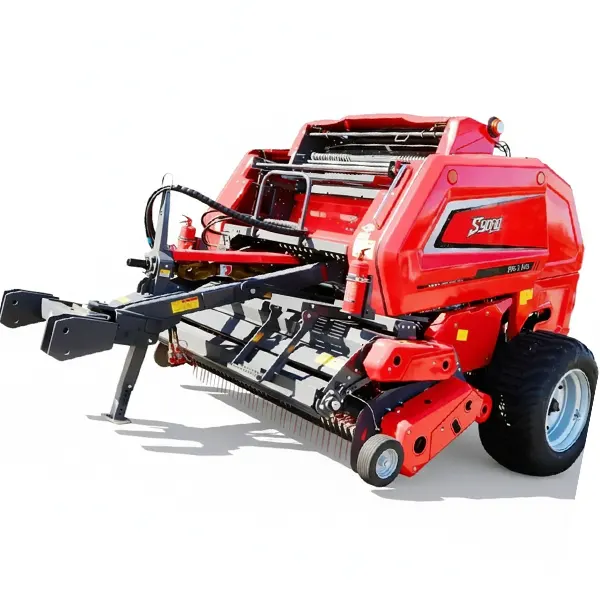
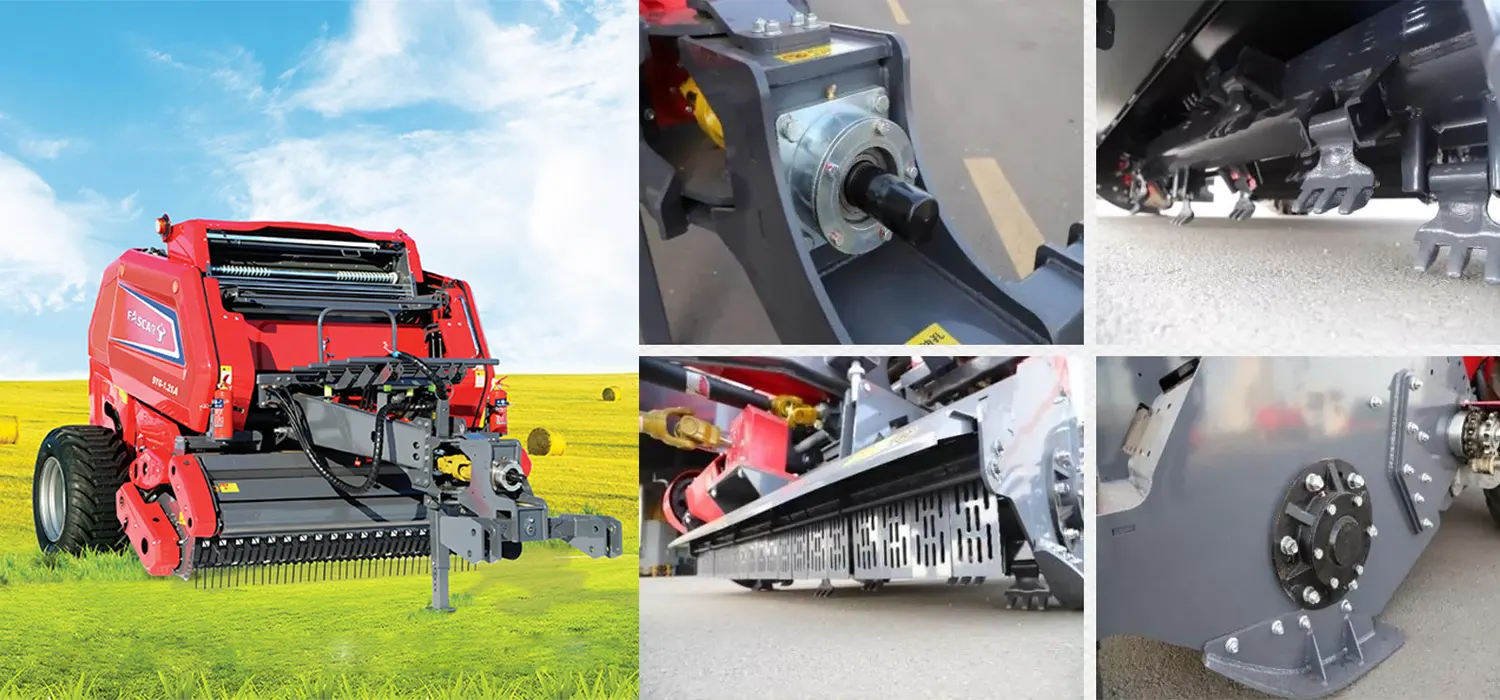
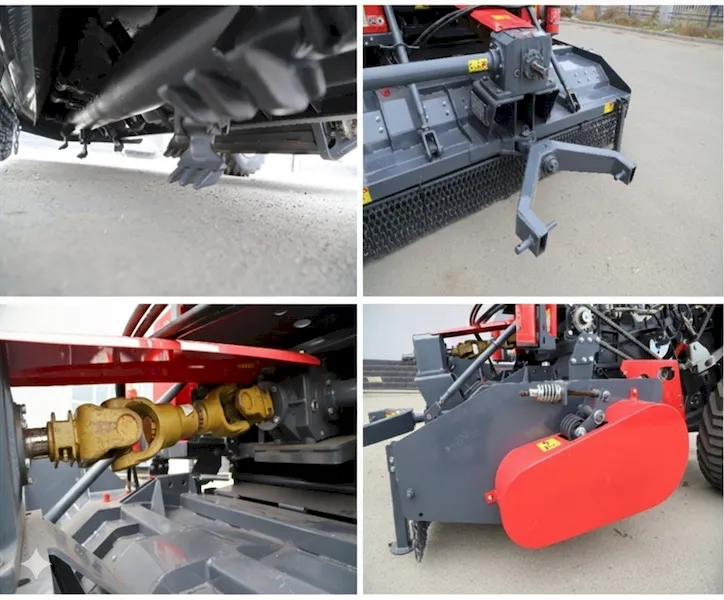
हमारे द्वारा संचालित बेल चैंबर और पिकअप सिस्टम पर पीटीओ-चालित प्रणाली राउंड बेलर लाइनअप उपरोक्त सेटिंग्स लागू करने पर यह कवर क्रॉप सामग्री को अच्छी तरह से संभालता है — लेकिन कवर क्रॉप सीज़न से पहले गियरबॉक्स तेल के स्तर और स्थिति की जाँच करना विशेष रूप से महत्वपूर्ण है, क्योंकि अत्यधिक नमी और घनी विंडरो लोड के कारण बेलर के ड्राइव सिस्टम पर लगातार उच्च टॉर्क पड़ता है, जिससे किसी भी प्रकार की बेयरिंग या सील की खराबी का पता चल जाता है। हमारे सहयोगी संसाधन पर कृषि ड्राइव गियरबॉक्स इसमें निरीक्षण चेकलिस्ट शामिल है।
खेत प्रबंधन: घास काटना, फसलें इकट्ठा करना और आवरण फसलों को भंडारण में ले जाना
राई अनाज की गांठें बनाना अन्य आवरण फसलों के लिए कटाई, सुखाने और इकट्ठा करने के समय को पारंपरिक घास की तुलना में अधिक सटीक रूप से समन्वित करने की आवश्यकता होती है क्योंकि वसंत ऋतु का मौसम अनुकूल समय कम होता है और देर से कटाई के कारण फसल की गुणवत्ता में गिरावट तेजी से होती है। व्यावहारिक तौर पर, पारंपरिक घास कार्यक्रमों से दो व्यावहारिक लॉजिस्टिक्स बिंदु भिन्न हैं।
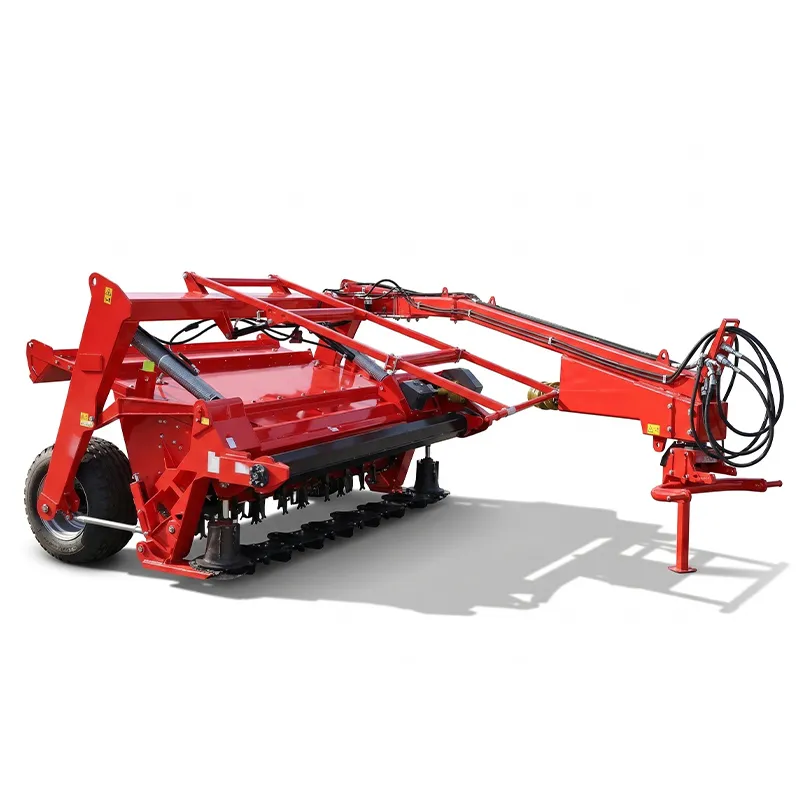
घास काटना: फ्लैग लीफ अवस्था में कवर फसलें घनी और नमीयुक्त होती हैं। साधारण डिस्क मोवर की तुलना में मोवर-कंडीशनर का उपयोग करना बेहतर होता है। कंडीशनिंग से तने की खुरदरी परत टूट जाती है और सूखने की प्रक्रिया तेज हो जाती है, ठीक उसी 24 से 48 घंटे की समय सीमा में जिस समय में 40 से 50 टन नमी वाली पारंपरिक घास की फसल सूखती है। कंडीशनिंग के बिना, अधिक बायोमास वाली राई को खेत में सूखने में 48 से 72 घंटे लग सकते हैं, जो वसंत ऋतु के बदलते मौसम में एक बड़ा जोखिम है। यदि आपके पास केवल साधारण डिस्क मोवर है, तो कटाई के 3 से 4 घंटे बाद घास की निचली परत को पलट दें ताकि घनी परत का निचला भाग दिखाई दे। वसंत ऋतु के गर्म दिन में पलटने और धूप में रखने से कंडीशनिंग का अधिकांश लाभ मिलता है।
इकट्ठा करना और गांठें बनाना: कवर क्रॉप की कतारें सामान्य अल्फाल्फा या घास की कतारों की तुलना में प्रति रैखिक मीटर अधिक भारी होती हैं, क्योंकि इनमें नमी और घनत्व अधिक होता है। बेलर दूरी के हिसाब से अपने चैंबर को तेजी से भरता है - सामान्य घास कटाई की तुलना में खेत में बेलों के बीच की दूरी 30 से 40 किलोग्राम कम होने की उम्मीद है। खेत में भंडारण की कतारों और ट्रांसपोर्टर की यात्राओं की योजना इसी के अनुसार बनाएं। विशेष रूप से ट्रिटिकेल की कवर क्रॉप साइलेज की बेलें बूट स्टेज पर 700 किलोग्राम प्रति बेल से अधिक हो सकती हैं - बेलों को भंडारण स्थल पर ले जाने से पहले बेल के वजन के अनुसार ट्रांसपोर्टर की क्षमता की जांच कर लें।
मिश्रित कृषि कार्यों में कवर क्रॉप की कटाई और पहली कटाई वाली घास के समय के बीच तालमेल बिठाने के लिए, कवर क्रॉप की गांठें बनाने के समय को एकीकृत करने के तरीके सहित, विस्तृत चरण-दर-चरण अनुक्रमण मार्गदर्शिका हमारे घास बनाने की प्रक्रिया के अनुकूलन लेख में दी गई है।
अक्सर पूछे जाने वाले प्रश्न: कवर क्रॉप बेलिंग
क्या कवर फसलों की गांठें बनाने से अगली नकदी फसल के अंकुरण पर नकारात्मक प्रभाव पड़ता है?+
बेलिंग प्रक्रिया में खड़ी जैव-पत्तियाँ हटा दी जाती हैं, लेकिन जड़ प्रणाली और ठूंठ बचे रहते हैं, जो अधिकांश प्रकार की मिट्टी में समाप्त की गई आवरण फसलों के समान बिना जुताई वाले अवशेषों के लाभ प्रदान करते हैं। समय की मुख्य पाबंदी यह है कि बेलिंग और नकदी फसल की बुवाई के बीच अवशेषों के विघटन और मिट्टी की नमी की पुनः प्राप्ति के लिए 2 से 3 सप्ताह का अंतराल रखा जाए - फ्लैग लीफ अवस्था में बेलिंग करने से मध्यपश्चिम में मक्का और सोयाबीन की सामान्य बुवाई तिथियों से पहले यह अंतराल मिल जाता है। बेलर और ट्रैक्टर के आवागमन से मिट्टी का संघनन अधिक महत्वपूर्ण जोखिम है, विशेष रूप से गीली वसंत ऋतु में। उपकरण की सुरक्षा के अनुरूप न्यूनतम टायर दबाव का उपयोग करें, और जब मिट्टी में नमी खेत की क्षमता से अधिक हो तो खेत में प्रवेश करने से बचें।
क्या मैं बेलर की एक ही सेटिंग का उपयोग करके कवर क्रॉप मिक्स (राई + क्रिमसन क्लोवर) की गांठें बना सकता हूँ?+
जी हां – फ्लैग लीफ अवस्था में मिश्रित कवर फसल को प्रमुख प्रजाति के अनुसार कैलिब्रेट की गई सेटिंग्स का उपयोग करके एक ही बार में गांठों में बांधा जा सकता है। यदि मिश्रण 70% राई + 30% क्लोवर है, तो राई सेटिंग्स (धीमी गति, +1 बेल्ट टेंशन नॉच) का उपयोग करें। क्लोवर अंश गांठ में अधिक प्रोटीन प्रदान करता है लेकिन संरचनात्मक योगदान कम होता है – यह मिश्रण आमतौर पर समान अवस्था में शुद्ध राई की तुलना में उच्च-CP गांठ उत्पन्न करेगा। एक सावधानी: क्रिमसन क्लोवर और हेयरी वेटच में बेल जैसी विशेषताएं होती हैं जो 30 से 40% से अधिक बेल अंश होने पर पिकअप टाइन के चारों ओर लिपट सकती हैं। यदि बेल लिपटती हुई दिखाई दे तो ग्राउंड स्पीड को 4 से 5 किमी/घंटा तक कम करें और पिकअप की बार-बार जांच करें।
कवर क्रॉप की सूखी घास की पोषण संबंधी तुलना पहली कटाई वाली अल्फाल्फा से किस प्रकार की जाती है?+
फ्लैग लीफ अवस्था में अनाज राई का चारा (16 से 18% CP, ADF 28 से 34%) पोषण की दृष्टि से ग्रेड 1 से ग्रेड 2 अल्फाल्फा के बराबर होता है - इसमें प्रीमियम दूसरी कटाई वाले अल्फाल्फा की तुलना में प्रोटीन कम होता है, लेकिन यह अधिकांश बीफ़ मवेशी कार्यक्रमों और कई दुग्ध उत्पादक बछिया कार्यक्रमों के लिए पर्याप्त है। मुख्य अंतर ऊर्जा घनत्व में है: इस अवस्था में अनाज राई में अल्फाल्फा की तुलना में उच्च NDF होता है (आमतौर पर 50 से 60% बनाम 35 से 45%), जो प्रति दिन शुष्क पदार्थ सेवन को सीमित करता है। अधिकतम DMI की आवश्यकता वाली चरम दुग्धपान अवस्था वाली दुग्ध गायों के लिए, अनाज के साथ पूरक अनाज राई का चारा आवश्यक है; एकमात्र चारे के रूप में यह सूखी गायों, बढ़ती बछियाओं और बीफ़ मवेशियों के लिए अधिक उपयुक्त है। फ्लैग लीफ अवस्था में, राई का चारा समान अवस्थाओं में अधिकांश घास प्रजातियों की तुलना में लगातार बेहतर परीक्षण देता है।
वसंत ऋतु में बोई जाने वाली राई की सूखी घास में नाइट्रेट का क्या खतरा है?+
कुछ विशेष परिस्थितियों में राई में नाइट्रेट का संचय एक गंभीर समस्या है: उच्च नाइट्रोजन प्रयोग दर (100 किलोग्राम नाइट्रोजन/हेक्टेयर से अधिक) और ठंडे, बादल वाले मौसम के संयोजन से पौधों द्वारा नाइट्रेट का रूपांतरण धीमा हो जाता है। इन परिस्थितियों में, राई के तने के ऊतकों में 1,000 पीपीएम से अधिक नाइट्रेट जमा हो सकता है - जो मवेशियों, विशेष रूप से गर्भवती गायों के लिए संभावित रूप से समस्याग्रस्त हो सकता है। पत्तियों की तुलना में तनों में जोखिम अधिक होता है, और अपरिपक्व विकास में ध्वजपत्ती अवस्था की तुलना में अधिक होता है। व्यावहारिक उपाय: यदि (1) पतझड़ या वसंत में उच्च दर वाला नाइट्रोजन उर्वरक डाला गया था, (2) वसंत असामान्य रूप से ठंडा या बादल वाला था, या (3) फसल असामान्य विकास पैटर्न दिखाती है, तो खिलाने से पहले किसी भी आवरण फसल के चारे का नमूना लेकर नाइट्रेट की जांच करें। परीक्षण की लागत प्रति नमूना 15 से 25 पाउंड है और अधिकांश प्रयोगशालाओं में 48 घंटे लगते हैं।
क्या मैं एक ही वसंत ऋतु में आवरण फसल से 2 कटिंग प्राप्त कर सकता हूँ?+
फसल चक्र प्रणाली में शीतकालीन अनाजों से व्यावहारिक रूप से लाभ नहीं मिलता। राई, शीतकालीन जई और ट्रिटिकेल वार्षिक छोटे अनाज हैं - कटाई के बाद, बारहमासी फलियों या घासों की तुलना में इनके तने से पुनर्वृद्धि बहुत कम होती है। दूसरी कटाई के लिए पर्याप्त जैव द्रव्यमान जमा होने तक 4 से 6 सप्ताह प्रतीक्षा करनी होगी, तब तक फसल अपनी गुणवत्ता की अवधि पार कर चुकी होगी और आमतौर पर नकदी फसल की बुवाई आवश्यक हो जाती है। व्यावहारिक अपवाद इटैलियन राईग्रास (एक द्विवार्षिक फसल) है जिसे गर्म क्षेत्रों में आवरण फसल के रूप में बोया जाता है - यह कटाई से पहले 2 से 3 वसंत ऋतु की कटाई दे सकती है। आवरण प्रणाली से वसंत ऋतु में कई बार चारा प्राप्त करने के इच्छुक किसानों के लिए, नर्स फसल प्रणाली में स्थापित बारहमासी राईग्रास या ऑर्चर्डग्रास का आवरण यह लाभ प्रदान कर सकता है, लेकिन यह इस मार्गदर्शिका में वर्णित शीतकालीन वार्षिक आवरण फसलों से भिन्न प्रणाली है।
मेरे कवर क्रॉप का खेत असमान है और उसमें कुछ निचले स्थान भी हैं - क्या मैं फिर भी इसे प्रभावी ढंग से बेल कर सकता हूँ?+
असमान और निचले स्थानों वाले खेतों में कवर क्रॉप की बेलिंग के लिए दो चुनौतियाँ हैं: (1) नमी में भिन्नता — निचले स्थान अधिक गीले होते हैं, खासकर वसंत ऋतु में, जिसका अर्थ है कि खेत भर में विंडरो की नमी में अत्यधिक भिन्नता होती है। निचले स्थानों से गीली सामग्री, अन्यथा सूखे विंडरो में मिल जाने पर, लक्ष्य से अधिक औसत नमी वाली बेल बनाती है, जिससे फफूंद और गर्मी का खतरा बढ़ जाता है। रणनीति: रेकिंग और कटाई के दौरान गीले निचले स्थानों को छोड़ दें, या उन्हें अलग से विंडरो करें और सूखी घास के बजाय साइलेज के लिए बेल बनाएं। (2) ग्राउंड क्लीयरेंस में भिन्नता — बेलर पिकअप की ऊंचाई सामान्य क्षेत्रों में ऊँची जमीन और निचले स्थानों में बिना स्कैल्पिंग के संभावित रूप से करीब आने, दोनों को ध्यान में रखना चाहिए। पिकअप फ्लोट को निचले स्थानों के लिए आवश्यक ऊंचाई पर सेट करें (सामान्य से थोड़ा अधिक) और समतल क्षेत्रों में विंडरो से थोड़ी सी चूक को स्वीकार करें। समतल क्षेत्रों से छूटी हुई सामग्री को पुनः प्राप्त करने के लिए एक अतिरिक्त रेकिंग पास, अप्रत्याशित निचले स्थान पर जमीन के संपर्क से क्षतिग्रस्त बेलर पिकअप को बदलने की तुलना में अधिक कुशल है।
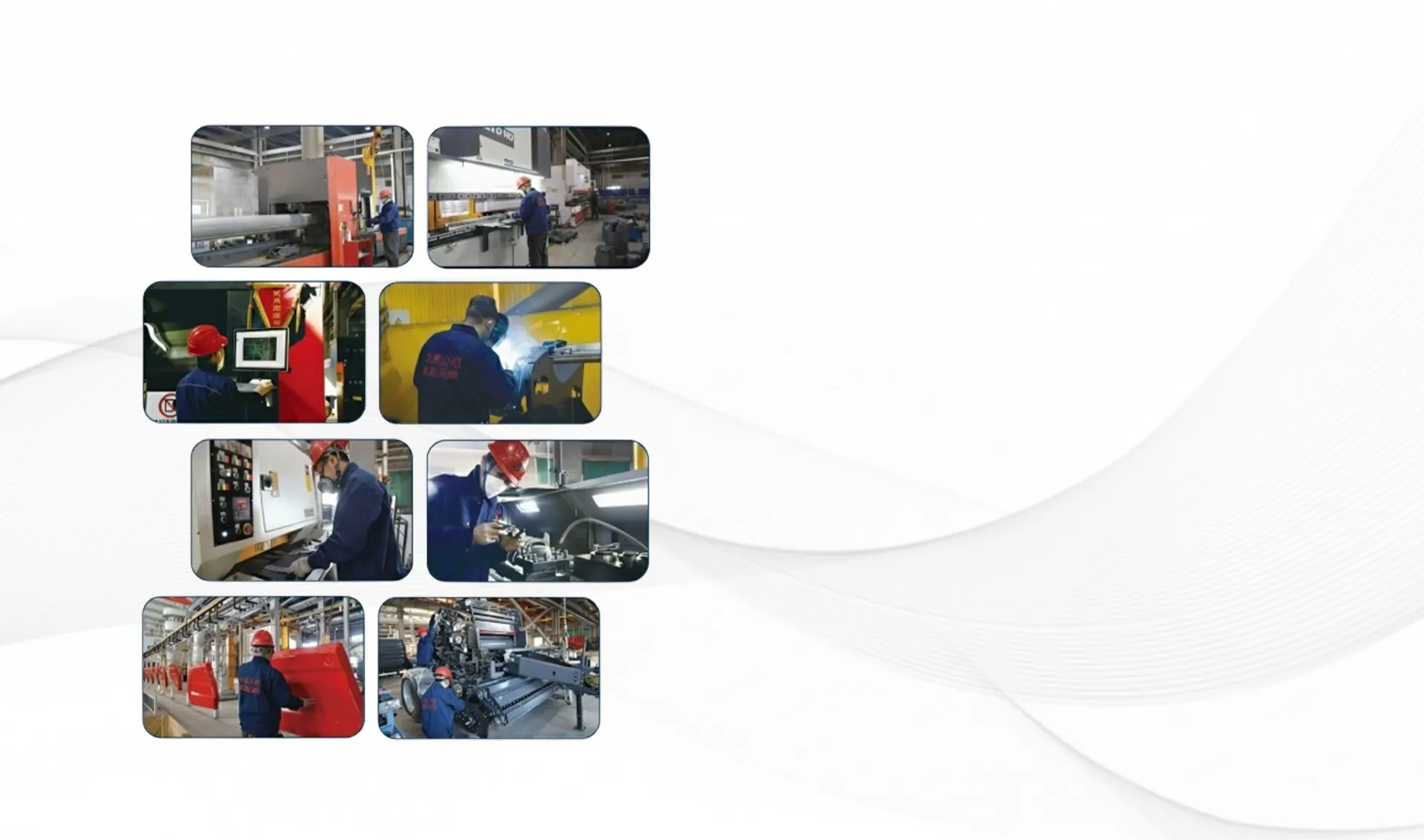
कवर क्रॉप बेलिंग — कैलिफोर्निया वेयरहाउस
आपके ऑर्डर की शिपिंग से पहले कवर क्रॉप की प्रजाति, नमी और बेलर सेटिंग्स की समीक्षा की जाती है।
हमारी टीम कवर क्रॉप बेलिंग प्रोग्राम के लिए बेल्ट टेंशन, पिकअप हाइट और नेट रैप के चयन की पुष्टि करती है। उच्च नमी वाले बेलों के लिए हेवी-ड्यूटी नेट रैप विकल्प स्टॉक में उपलब्ध हैं। वसंत ऋतु में कवर क्रॉप सीजन के दौरान कैलिफोर्निया से उसी दिन पार्ट्स भेजे जाते हैं।
कवर क्रॉप के उपयोग के लिए बेलर को कॉन्फ़िगर करें
संपादक: सीएक्सएम