
एक राउंड बेलर जो बिना किसी खराबी के प्रति सीज़न 1,500 गांठें बना लेता है, वह संयोग की बात नहीं है — बल्कि यह खराबी आने से पहले ही घिसने वाले पुर्जों को पहचानने, खेत में सबसे अधिक बार उपयोग होने वाले पुर्जों का स्टॉक रखने और एक अनुशासित निरीक्षण कार्यक्रम का पालन करने का परिणाम है, जिससे पुर्जों के खराब होने से पहले ही उनकी पहचान हो जाती है और कार्रवाई की जा सकती है। नीचे दी गई 15-आइटम मैट्रिक्स में एक व्यावसायिक बेल्ट-चैंबर राउंड बेलर के सभी सबसे अधिक बार उपयोग होने वाले घिसने वाले पुर्जों को शामिल किया गया है, साथ ही विशिष्ट प्रतिस्थापन ट्रिगर भी दिए गए हैं जो निरीक्षण निर्णयों में अनुमान लगाने की आवश्यकता को समाप्त करते हैं।
योजनाबद्ध प्रतिस्थापन, तात्कालिक मरम्मत की तुलना में कम खर्चीला क्यों होता है?
किसी पुर्जे के खराब होने का इंतज़ार करना और फिर समय रहते उसे मंगवाना - यानी तात्कालिक मरम्मत, नियोजित प्रतिस्थापन की तुलना में लगभग हमेशा अधिक महंगी होती है। तात्कालिक मरम्मत की कुल लागत में पुर्जे की कीमत (अक्सर प्रीमियम एक्सप्रेस-डिलीवरी मूल्य पर खरीदी जाती है), श्रम लागत और डाउनटाइम लागत शामिल होती है: खेत में पड़ी घास जो बेलिंग की नमी से अधिक सूख चुकी होती है, कस्टम बेलिंग कार्यों में ग्राहकों की देरी और मरम्मत के दौरान फसल को खराब करने वाले मौसम का मिलाजुला प्रभाव। निर्धारित ऑफ-सीज़न सेवा के दौरान 12,000 बेलों पर बेल्ट सेट बदलने की लागत 16,000 से 1,500 तक होती है। उसी बेल्ट को अगस्त में आपातकालीन मरम्मत के रूप में बदलने पर, एक्सप्रेस पुर्जों की शिपिंग और 15 प्रति बेल की दर से एक दिन की बेलिंग क्षमता के नुकसान के साथ, कुल आर्थिक प्रभाव 2,000 से 4,000+ तक होता है।
इसका समाधान एक दस्तावेजीकृत निरीक्षण प्रणाली है जो गांठों की गिनती के महत्वपूर्ण चरणों और मौसमी जांचों से जुड़ी है, और इसमें सबसे अधिक विफलता जोखिम वाली वस्तुओं के लिए खेत में उपलब्ध अतिरिक्त पुर्जों की सूची का भी समर्थन प्राप्त है। मौसमी रखरखाव चेकलिस्ट यह निरीक्षण अनुसूची का ढांचा प्रदान करता है; नीचे दी गई मैट्रिक्स प्रत्येक घटक के लिए विशिष्ट प्रतिस्थापन मानदंड प्रदान करती है।
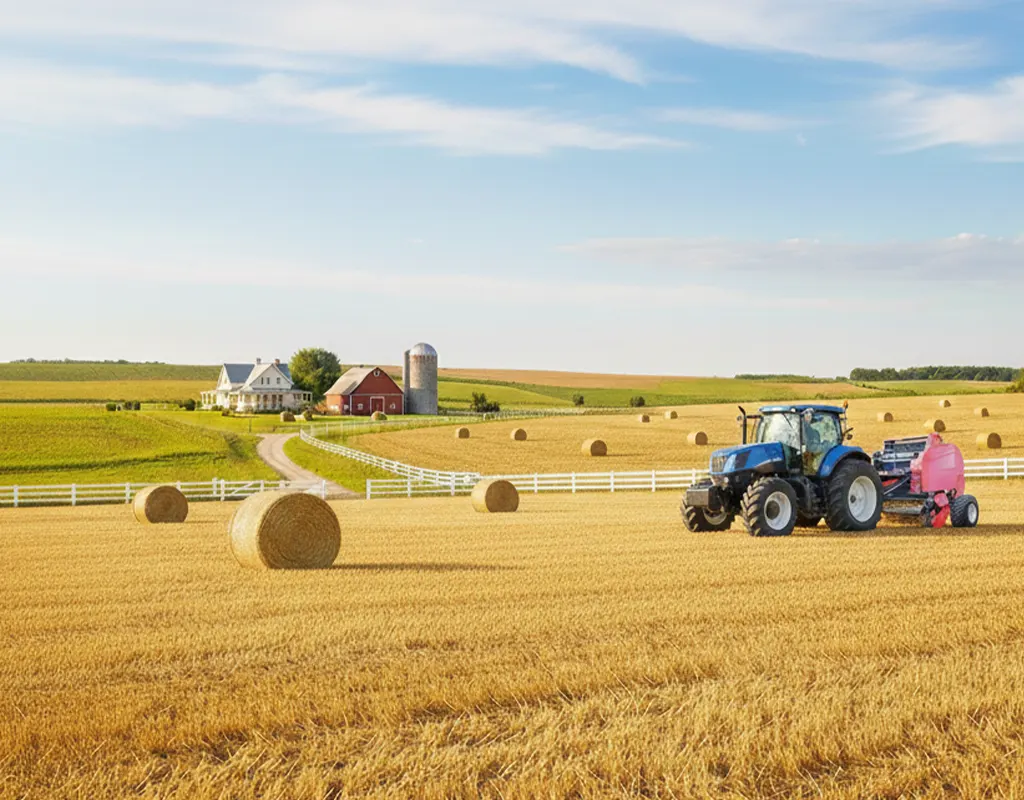
15 वस्तुओं का घिसावट वाले पुर्जों का प्रतिस्थापन मैट्रिक्स
| पहनावे का अंश | निरीक्षण कब करें | ट्रिगर बदलें | विशिष्ट अंतराल (गांठें) |
स्टॉक अनुशंसा |
|---|---|---|---|---|
| बेलर बेल्ट (पूरा सेट) | प्री-सीज़न; 8,000 गांठों के बाद | 4 मिमी से कम लग की गहराई या लग के आधार पर दरार या जोड़ की विफलता | 10,000–18,000 | एक सीज़न पहले ही ऑर्डर करें |
| उठाने वाले कांटे (स्प्रिंग-स्टील) | प्री-सीज़न; मिड-सीज़न | बार से 30° से कम कोण पर प्रोफ़ाइल को सीधा किया गया; नोक छोटी की गई; आधार पर दरार है | 12,000–25,000 | एक पूरी बार अतिरिक्त रखें |
| नेट रैप नाइफ / शीयर बार | प्रत्येक 1,500 गांठों पर; जाल जाम होने के बाद | किनारों का गोलाई स्पष्ट रूप से दिखाई दे रही है; जाल साफ-सुथरा नहीं काट पा रहा है; चाकू मुड़ा हुआ या कटा हुआ है | 3,000–6,000 | दो अतिरिक्त चाकू रखें |
| बेल्ट तनाव स्प्रिंग्स | प्री-सीज़न; उच्च घनत्व वाले सीज़न के बाद | नए मॉडल की तुलना में 15% में मुक्त लंबाई कम हो गई है; पूर्ण तनाव भार के तहत कॉइल बाइंडिंग | 15,000–25,000 | एक अतिरिक्त सेट रखें |
| पिकअप रील बियरिंग्स | प्री-सीज़न; रॉक स्ट्राइक के बाद | स्पष्ट रेडियल प्ले; स्पिन पर घिसाव या खुरदरापन; सील लीक | 20,000–35,000 | खेल का पता चलने पर आदेश दें |
| टेलगेट हाइड्रोलिक सिलेंडर सील | सीज़न से पहले; कोई भी बहाव देखा गया | रॉड सील से रिसाव; भार पड़ने पर सिलेंडर बंद हो जाता है; हाइड्रोलिक तेल दूधिया रंग का हो जाता है | आवश्यकतानुसार; वार्षिक रूप से निरीक्षण करें | 1 सील किट रखें |
| पीटीओ ड्राइवलाइन यू-जॉइंट्स | प्री-सीज़न; प्रभाव घटना के बाद | यू-जॉइंट कैप्स पर स्पष्ट रेडियल प्ले; कैप की सतहों पर जंग के धब्बे | 10,000–20,000 घंटे के समतुल्य। | एक अतिरिक्त सेट रखें |
| मुख्य ड्राइव चेन(ें) | प्री-सीज़न; मिड-सीज़न 3% स्ट्रेच पर | नाममात्र पिच के 3% से ऊपर चेन का खिंचाव; हुकनुमा स्प्रोकेट के दांत दिखाई दे रहे हैं | 15,000–25,000 | एक अतिरिक्त लंबाई रखें |
| गियरबॉक्स तेल (मुख्य ड्राइव) | वार्षिक रूप से; जल रिसाव की घटना के बाद | रंग में कोई बदलाव हो या न हो, इसे हर साल बदलें; यदि रंग दूधिया/धात्विक हो जाए तो तुरंत बदल दें। | वार्षिक / मौसमी | 1 मौसमी मात्रा रखें |
| स्ट्रिपर प्लेटें / फसल गाइड | प्री-सीज़न; इनटेक प्लगिंग के बाद | किनारा मूल 50% प्रोफाइल से कम घिसा हुआ है; किसी अवरोध के कारण मुड़ा हुआ या टूटा हुआ है। | 20,000–40,000 | पहनने का पता चलने पर आदेश दें |
| नेट रैप सेंसर / मॉनिटर सेंसर | प्री-सीज़न; कोई भी चेतावनी कोड | गलत रीडिंग; मॉनिटर चेतावनियाँ मशीन की वास्तविक स्थिति से मेल नहीं खातीं। | सशर्त — वार्षिक निरीक्षण करें | प्रत्येक प्रकार का 1 रखें |
| नेट रैप गाइड रोलर्स / गाइड | प्री-सीज़न; नेट जाम के बाद | सतह पर 2 मिमी से अधिक गहरी खांचें; रोलर पर सपाट धब्बा; बेयरिंग का कठोर घूर्णन | 20,000–35,000 | दोष पाए जाने पर आदेश दें |
| बेल चैंबर रोलर्स (स्टील) | हर 3 मौसमों में; असामान्य कंपन के बाद | सपाट धब्बा दिखाई दे रहा है; सतह पर 4 मिमी से अधिक गहरी खांचें हैं; बेयरिंग की खुरदरापन | 40,000–80,000 | खराबी पाए जाने पर ऑर्डर करें |
| टायर (बेलर परिवहन) | वार्षिक रूप से; सड़क परिवहन के मौसम से पहले | साइडवॉल में दरारें; ट्रेड कानूनी न्यूनतम स्तर से नीचे; हवा भरने पर भी रिसाव नहीं होता | 8-15 सीज़न | खराब होने पर बदल दें |
| पहले से कटे हुए चाकू का सेट (यदि उपलब्ध हो) | प्रत्येक 1,500 गांठों पर; चट्टान निगलने के बाद | कोनों पर किनारों का गोलाईपन दिखाई दे रहा है; चिप से क्षति; शियर बार का गैप 0.8 मिमी से अधिक है | 3,000–6,000 | चाकू का पूरा अतिरिक्त सेट रखें |
ये अंतराल सामान्य घास की फसलों पर होने वाले सामान्य व्यावसायिक संचालन को दर्शाते हैं। पुआल, साइलेज या उच्च सिलिका वाली मिट्टी में, घर्षण के संपर्क में आने वाले सभी भागों (बेल्ट, टाइन, प्री-कट नाइफ) के लिए अंतराल कम होते हैं। गांठों की गिनती के अंतराल मध्यम श्रेणी के व्यावसायिक बेलर के अनुभव के आधार पर अनुमानित हैं - मॉडल-विशिष्ट अंतरालों के लिए अपने ऑपरेटर मैनुअल में निर्माता के निर्देशों की पुष्टि करें।
अपने फार्म पर स्पेयर पार्ट्स का स्टॉक बनाना
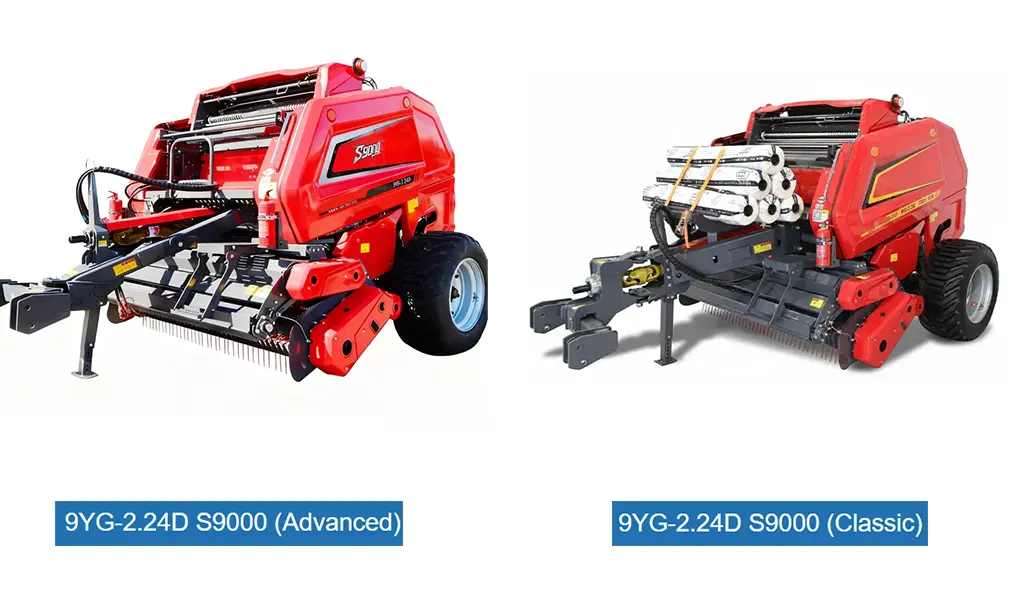
मैट्रिक्स में स्टॉक अनुशंसा कॉलम यह बताता है कि कौन से हिस्से फार्म पर रखने लायक हैं और कौन से हिस्से निरीक्षण में समस्या पाए जाने पर तुरंत मंगवाए जाने चाहिए। फार्म पर सबसे अधिक प्राथमिकता वाले स्टॉक आइटम ये हैं:
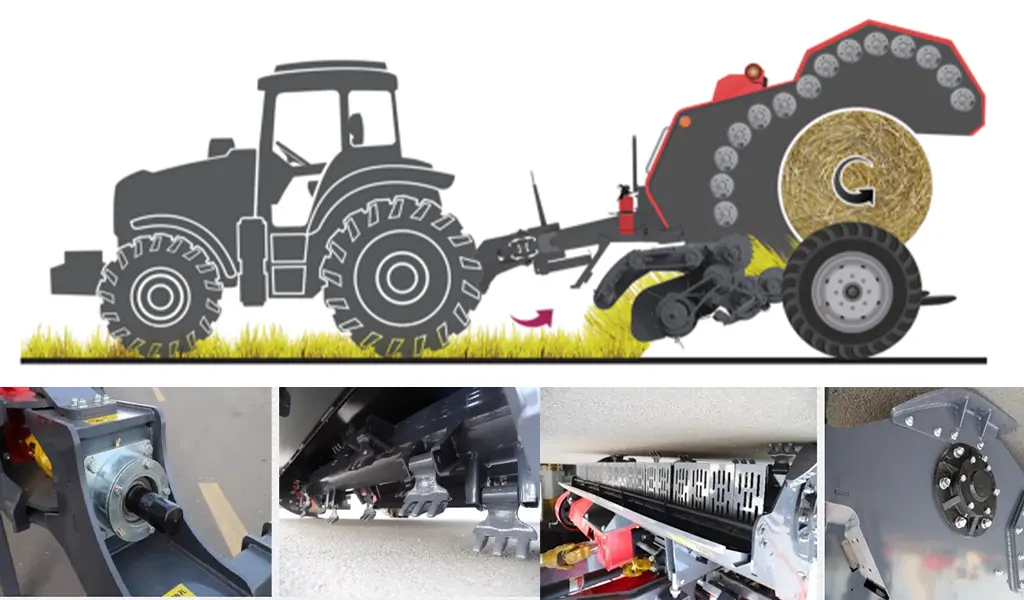
नेट रैप नाइफ (2 अतिरिक्त) बेल बनाते समय बीच में ही जाल का खुल जाना सबसे अधिक परिचालन संबंधी बाधा उत्पन्न करता है, क्योंकि इससे बेल बनाने की प्रक्रिया पूरी तरह रुक जाती है और बेल को आंशिक रूप से बिना बंधे ही बाहर निकालना पड़ता है। किसी भी व्यावसायिक बेल बनाने के कार्य में एक अतिरिक्त चाकू होना आवश्यक है, जिसे खेत के किनारे पर 10 मिनट में लगाया जा सकता है। यह चाकू छोटा, सस्ता और आपातकालीन स्थिति में सबसे अधिक आवश्यक प्रतिस्थापन उपकरण है।
पिकअप टाइन का एक पूरा बार चट्टानों के संपर्क में आने से टाइन का टूटना अप्रत्याशित होता है और खेत में ही मिनटों में इसे बदला जा सकता है। एक अतिरिक्त बार साथ रखने से खेत में वापस जाए बिना ही टूटे या मुड़े हुए टाइन की तुरंत मरम्मत की जा सकती है। स्प्रिंग टाइन के पूरे अतिरिक्त बार की कीमत $40 से $80 तक है, जो पुर्जों की सूची में सबसे कम लागत वाले सुरक्षा उपायों में से एक है।
टेलगेट सिलेंडर के लिए हाइड्रोलिक तेल और फिटिंग — नियमित रूप से तेल के स्तर की जाँच करके मामूली सील रिसाव को पूरे मौसम में नियंत्रित किया जा सकता है; सिलेंडर सील के पूरी तरह खराब होने पर तुरंत सर्विसिंग की आवश्यकता होती है। सही हाइड्रोलिक तेल ग्रेड और एक बेसिक फिटिंग किट साथ रखने से यह सुनिश्चित होता है कि यदि दिन के दौरान सील रिसाव बढ़ जाता है तो सिस्टम को खेत में ही भरा जा सकता है।
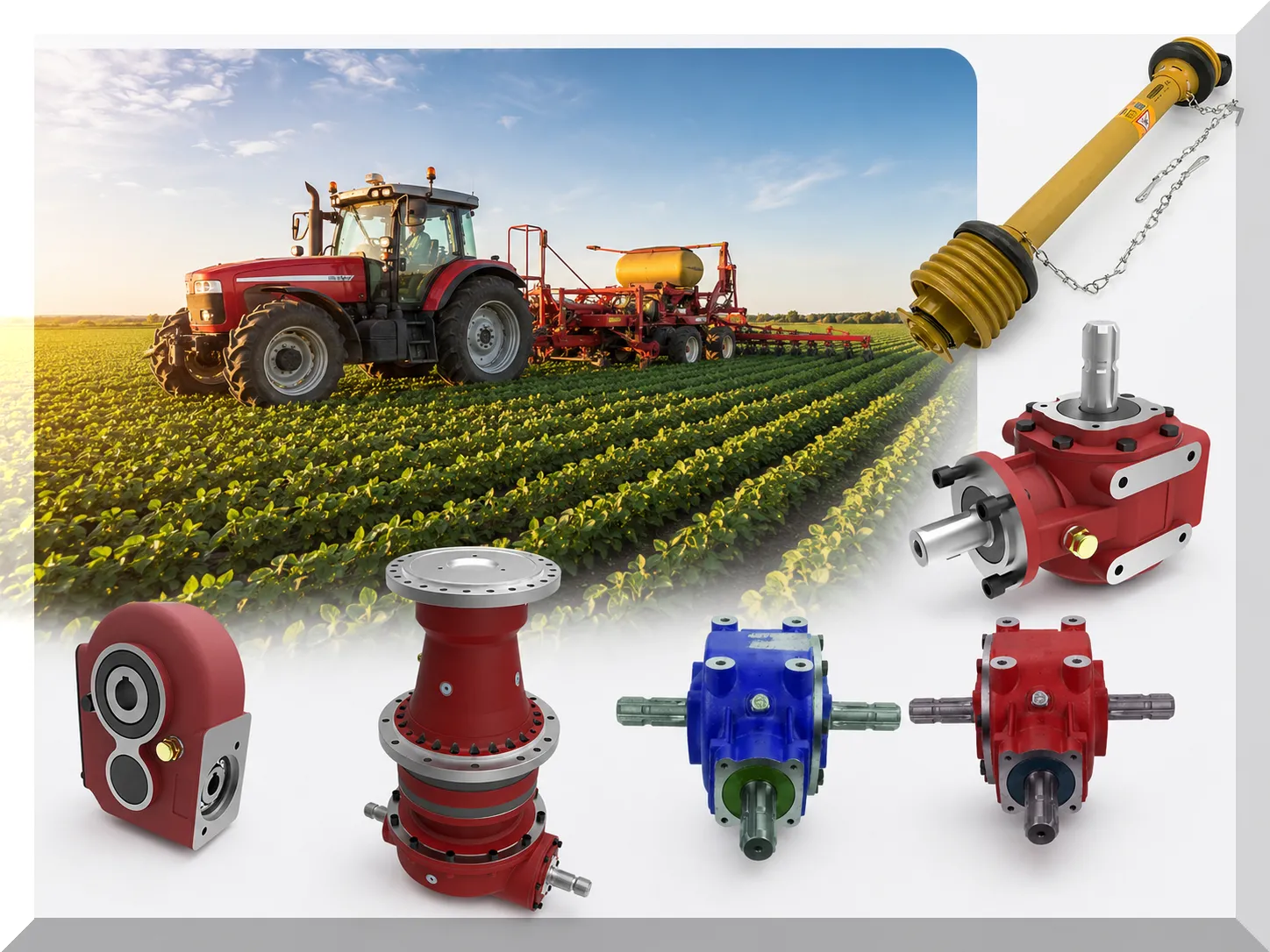
हमारे लिए समस्या निवारण मार्गदर्शिका खेत में बेलिंग मशीन की सबसे आम समस्याओं का निदान कैसे करें, इस बारे में जानकारी देने के लिए, संपूर्ण निदान और रखरखाव संदर्भ के लिए इस प्रतिस्थापन मैट्रिक्स के साथ-साथ लक्षण-से-कारण ढांचे से परामर्श लें। कृषि गियरबॉक्स और पीटीओ ड्राइवलाइन घटक हमारे राउंड बेलर मॉडल के पुर्जे कैलिफोर्निया स्थित हमारे गोदाम में स्टॉक में उपलब्ध हैं; प्रशांत समयानुसार दोपहर 2 बजे से पहले दिए गए ऑर्डर को उसी दिन डिस्पैच करने से बेलिंग सीजन के दौरान पुर्जों की उपलब्धता में देरी का जोखिम कम हो जाता है।
अक्सर पूछे जाने वाले प्रश्नों
बेल्ट, टाइन, नेट रैप नाइफ और गियरबॉक्स के पुर्जे — दोपहर 2 बजे पैसिफिक समय से पहले उसी दिन डिस्पैच।
हमारे राउंड बेलर लाइनअप के सभी मॉडलों के लिए उच्च आवृत्ति वाले घिसावट के पुर्जे सैक्रामेंटो में स्टॉक में उपलब्ध हैं और उसी दिन भेजे जा सकते हैं। हमें अपना मॉडल और आवश्यक पुर्जा बताएं — हमारी टीम विनिर्देशों की पुष्टि करेगी और दोपहर 2 बजे पैसिफिक समय से पहले ऑर्डर करने पर उसी दिन शिपमेंट कर देगी।
संपादक: सीएक्सएम


