
La scienza alla base dell'insilato: cosa fa sì che una balla si conservi o si deteriori?
La conservazione dell'insilato è un processo di fermentazione anaerobica guidato da batteri lattici (LAB) naturalmente presenti sulla superficie della coltura. Quando il foraggio viene imballato e sigillato per proteggerlo dall'ossigeno, questi batteri consumano gli zuccheri della pianta e producono acido lattico, abbassando il pH fino a quando i microrganismi responsabili del deterioramento non riescono più a sopravvivere. Una balla con pH 4,5 è stabile e manterrà la sua qualità per 12-18 mesi. Una balla con pH 5,5 è marginalmente stabile e si degraderà. Una balla che non ha mai raggiunto una fermentazione adeguata (pH superiore a 5,8) si deteriora attivamente, indipendentemente da quanto sia ben imballata.
Tre fattori determinano se questa fermentazione si completa entro 14-21 giorni: l'umidità del raccolto (troppo secco = substrato fermentabile e attività dell'acqua insufficienti per i batteri lattici; troppo umido = proliferazione di clostridi che producono acido butirrico e ammoniaca invece di acido lattico); la popolazione di batteri lattici al momento dell'imballaggio (le popolazioni naturali sono adeguate in molti casi; gli inoculi offrono una garanzia); e la qualità dell'esclusione dell'ossigeno dell'involucro (qualsiasi infiltrazione di ossigeno riavvia il deterioramento aerobico che compete con i batteri lattici e impedisce un adeguato abbassamento del pH).
Obiettivi di umidità: la decisione più importante nella produzione di insilato
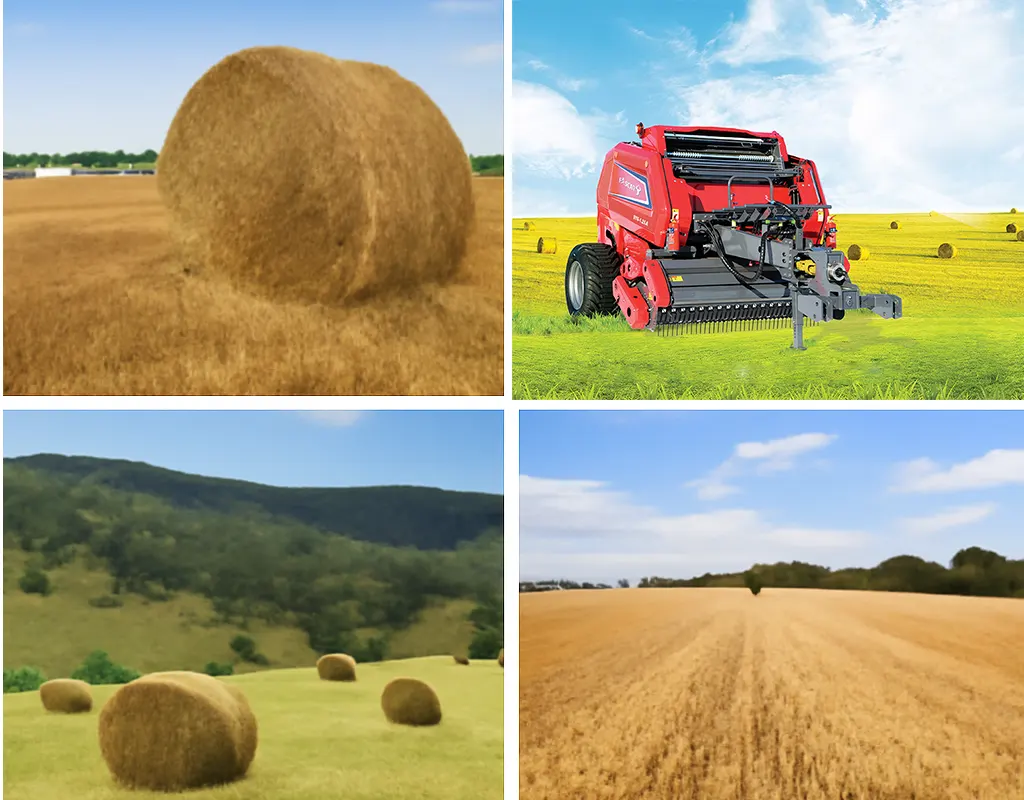
L'umidità del foraggio al momento della pressatura è la variabile più importante per la qualità dell'insilato, con un impatto maggiore rispetto alla scelta dell'inoculo, al numero di strati di avvolgimento o a qualsiasi altro fattore controllabile. L'intervallo di umidità per l'insilato in balle rotonde è un obiettivo preciso, non un'approssimazione. Al di fuori di questo intervallo, in entrambe le direzioni, il sistema di insilamento fallisce in modi prevedibili.
| Raccolto | Intervallo di umidità ottimale | Cosa succede se è troppo secco ( | Cosa succede se è troppo bagnato (>max) |
|---|---|---|---|
| fieno di erba medica | 40–55% umidità | Fermentazione lenta e incompleta; il pH si mantiene al di sopra di 5,0; riscaldamento aerobico all'apertura. | Fermentazione clostridiale; acido butirrico; ammoniaca; scarsa appetibilità; rischio di listeria |
| Insilato d'erba (daccantoagris, festuca) | 40–60% umidità | Come per l'erba medica, l'erba ha una minore capacità tampone e quindi tollera una gamma leggermente più ampia. | Infiltrazioni di effluenti dalla base delle balle; danni ambientali e di qualità |
| Segale / insilato di cereali a grana fine | 45–60% umidità | L'elevata capacità tampone fa sì che la segale si acidifichi lentamente al di sotto di 45%; l'inoculo è più critico in condizioni di bassa umidità | Effluente; possibile presenza di Listeria negli steli contaminati |
| insilato di residui di mais | 50–65% umidità | La paglia si asciuga rapidamente in autunno al di sotto di 50%: imballatela subito dopo il raccolto per evitare di perdere l'occasione. | I residui colturali post-raccolta raramente sono troppo umidi; verificare se la pioggia ha reinumidito il campo prima di imballare. |
Le sonde di umidità sulle rotopresse misurano l'umidità del foraggio all'ingresso della pressa: una singola lettura che potrebbe non rappresentare l'intera variazione di umidità dell'andana. Per una valutazione accurata dell'umidità dell'insilato, prelevare 5 campioni in diverse posizioni laterali lungo la larghezza dell'andana (non solo al centro) e calcolarne la media. L'umidità dell'andana varia lateralmente del 3-8%, con il centro generalmente più umido dei bordi in condizioni di essiccazione al sole.
Se non si dispone di una sonda per l'umidità, il test di compressione manuale è una stima ragionevole sul campo: prendete una manciata di foraggio appassito e stringetelo con decisione per 10 secondi. Con un'umidità compresa tra 40 e 50 l/min, il succo appare nel palmo della mano ma non gocciola. Con un'umidità compresa tra 55 e 65 l/min, il succo gocciola tra le dita. Al di sotto di 35 l/min, non appare succo e il materiale risulta asciutto al tatto. Questa è solo una stima approssimativa: per la produzione commerciale di insilato è necessario utilizzare una sonda.
Densità delle balle per insilato: più è alta, meglio è, fino a un certo punto.
Per l'insilato in balle rotonde, l'impostazione della densità dovrebbe essere più alta rispetto al fieno secco, non per il peso della balla, ma perché le balle dense hanno un volume d'aria residuo inferiore al momento dell'avvolgimento. Un volume d'aria inferiore significa che l'ossigeno residuo della balla viene consumato più rapidamente durante la fase aerobica iniziale e l'ambiente di fermentazione anaerobica si instaura più rapidamente e completamente. Le ricerche che confrontano i livelli di densità dell'insilato in balle rotonde mostrano costantemente che le balle più dense fermentano a un pH finale inferiore in un tempo più breve.
La massima densità pratica riduce al minimo il volume d'aria residua; garantisce il più rapido esaurimento dell'ossigeno e il pH più basso a 14 giorni. Inoltre, produce la forma di balla più stabile per lo stoccaggio, l'impilamento e il trasporto. Impostare la densità al livello più alto che la potenza della presa di forza (PTO) può sostenere senza frequenti picchi di regime del motore.
Le colture molto umide alla massima densità creano un ambiente idraulico all'interno della balla: il liquido estratto per compressione non riesce a defluire e si accumula alla base della balla, concentrando l'effluente. Al di sopra di un'umidità di 60%, una leggera riduzione della densità (75-80% del massimo) riduce la produzione di effluenti e la conseguente perdita di sostanza secca e nutrienti attraverso la base.
Selezione e applicazione dell'inoculo: quando i batteri aggiunti superano le prestazioni delle popolazioni naturali.

Gli inoculi per insilati aggiungono popolazioni concentrate di specifici ceppi di batteri lattici (LAB) al foraggio in balle, integrando o soppiantando la popolazione naturale di LAB presente sulla superficie della pianta. Il beneficio è più significativo quando le popolazioni naturali di LAB sono basse (condizioni calde e secche che riducono la carica batterica superficiale), quando la coltura ha un'elevata capacità tampone (erba medica, miscele ricche di leguminose) che richiede una maggiore acidità per raggiungere un pH stabile, o quando la balla verrà alimentata lentamente nell'arco di diversi giorni (richiedendo stabilità aerobica al momento dell'alimentazione piuttosto che un rapido calo del pH).
Producono solo acido lattico. Rapida diminuzione del pH; eccellente efficienza di fermentazione. Scelta migliore quando l'obiettivo principale è una fermentazione rapida e completa a pH stabile. Da utilizzare per erba medica e colture ad alta capacità tampone. Non ideali quando la stabilità aerobica al momento della somministrazione è la priorità, poiché non sopprimono efficacemente la crescita dei lieviti.
Producono sia acido lattico che acido acetico. Il calo del pH è più lento rispetto ai ceppi omofermentativi, ma l'acido acetico prodotto sopprime attivamente la crescita dei lieviti, migliorando notevolmente la stabilità aerobica all'apertura della balla. Sono la scelta migliore per balle distribuite nell'arco di più giorni, per balle di insilato in climi caldi o in qualsiasi operazione in cui il riscaldamento all'apertura rappresenta un problema persistente. La maggiore stabilità aerobica compensa in genere la fermentazione leggermente più lenta nella maggior parte dei casi di insilato in balle rotonde.
Gli inoculi miscelati offrono il rapido abbassamento del pH tipico dei ceppi omofermentativi nella fase di fermentazione attiva e i vantaggi in termini di stabilità aerobica dei ceppi eterofermentativi al momento della somministrazione. Rappresentano la scelta più versatile per i programmi di insilamento in balle rotonde, dove un singolo prodotto deve garantire prestazioni ottimali su diverse tipologie di colture e condizioni stagionali. Sono generalmente la categoria più raccomandata per l'uso generale nell'insilamento in balle rotonde.
Il metodo di applicazione è importante quanto la scelta del prodotto. Gli inoculanti devono entrare in contatto con il raccolto prima o al momento dell'imballaggio, non dopo l'avvolgimento. I sistemi di irrorazione in cabina che applicano l'inoculante liquido al raccolto mentre entra nel pick-up sono il metodo di applicazione più efficace perché l'inoculante viene distribuito in tutta la massa del raccolto anziché concentrato sulla superficie esterna. Gli inoculanti granulari secchi applicati all'andana prima dell'imballaggio sono un'alternativa quando i sistemi liquidi non sono disponibili. Per il confronto completo dei prodotti inoculanti, l'analisi costi-benefici e le raccomandazioni sulle dosi di applicazione, vedere il Guida alla selezione degli inoculanti per insilati.
Numero di strati da avvolgere: perché un minimo di 4 strati non è arbitrario
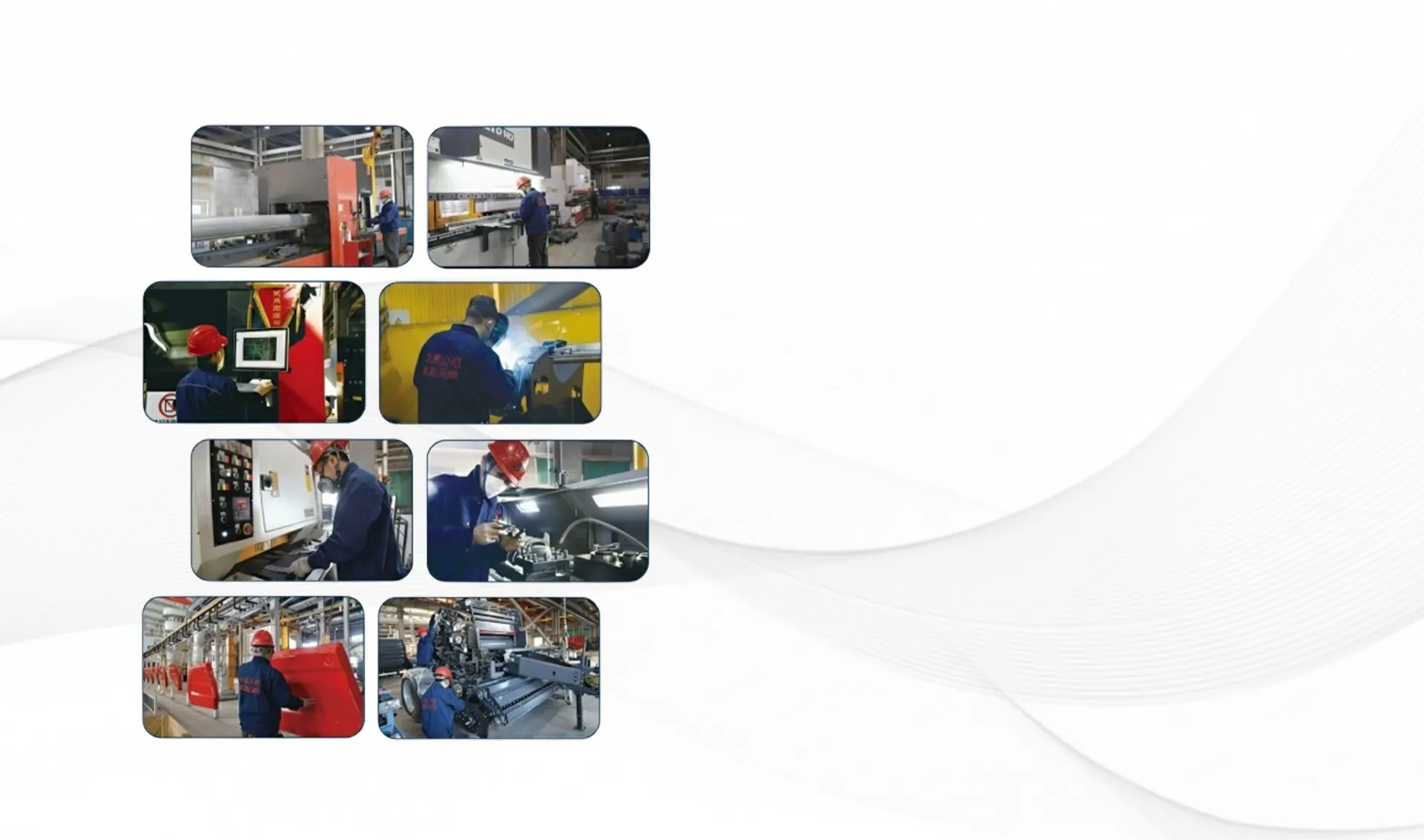
La raccomandazione relativa al numero minimo di strati di avvolgimento per l'insilato in balle rotonde — 4 strati con sovrapposizione 50% per la maggior parte delle condizioni, 6 strati per balle ad alto contenuto di umidità o a lunga conservazione — deriva da test sul tasso di trasmissione dell'ossigeno (OTR) dei prodotti in film estensibile. Ogni strato di film estensibile standard da 25 micron riduce il trasferimento di ossigeno di circa la metà. Quattro strati con sovrapposizione 50% creano 8 strati efficaci in qualsiasi punto della superficie della balla (poiché la sovrapposizione 50% significa che ogni punto è coperto da due passaggi). Sei strati con sovrapposizione 50% creano 12 strati efficaci.
| Scenario | Strati minimi | Sovrapposizione % | Motivo della specifica |
|---|---|---|---|
| Insilato standard, conservato per meno di 6 mesi | 4 | 50% | Il valore OTR di base è adeguato per una conservazione di 6 mesi in un clima moderato. |
| Coltura ad alto contenuto di umidità (>55%), qualsiasi durata | 6 | 50% | I gas di fermentazione più attivi richiedono una barriera di pellicola più resistente; maggiore stress di espansione sulla pellicola |
| Conservazione a lungo termine (>9 mesi), all'aperto | 6 | 50% | La degradazione UV dovuta a una conservazione prolungata riduce le prestazioni OTR della pellicola: strati aggiuntivi compensano |
| Strato inferiore di rete + involucro esterno di pellicola | 4 strati di pellicola | 50% | La rete protettiva fornisce supporto alla forma; la pellicola garantisce una sigillatura anaerobica. Sono sufficienti 4 strati di pellicola quando la rete è lo strato inferiore. |
| Balle maneggiate con la lancia (>2 volte) | 6 | 55–60% | Ogni puntura di lancia crea un punto di ingresso; strati aggiuntivi e sovrapposizioni creano ridondanza attorno ai punti di puntura. |
La selezione del film — spessore, classe di stabilizzazione UV, livello di adesività e rapporto di pre-stiramento — influisce direttamente sia sulle prestazioni OTR per strato che sul costo per balla. Il confronto completo delle specifiche del film e delle configurazioni delle macchine avvolgitrici che le applicano correttamente è nel guida per l'avvolgimento di balle rotonde. Per le specifiche dell'albero PTO e del cambio sulle attrezzature di avvolgimento in linea e di avvolgimento separate, i valori di coppia e velocità che determinano le prestazioni di avvolgimento a diversi pesi delle balle sono trattati in Specifiche dei componenti del cambio agricolo e della presa di forza.
La finestra temporale di 2 ore per la chiusura: perché non può essere estesa
Ogni minuto che intercorre tra la formazione della balla e l'applicazione del primo strato di pellicola è un minuto durante il quale la superficie della balla è esposta all'ossigeno e gli organismi aerobici consumano il substrato fermentabile. La ricerca dimostra costantemente che avvolgere entro 2 ore dalla pressatura riduce la perdita totale di sostanza secca del 2-3% rispetto all'avvolgimento dopo 4 ore e del 5-8% rispetto all'avvolgimento dopo 8 ore. L'obiettivo delle 2 ore non è una linea guida, bensì una soglia di qualità quantificata, il cui superamento comporta un costo reale.
Perdita di volume aerobica minima; la popolazione di batteri lattici è attiva e pronta a passare alla fermentazione anaerobica immediatamente dopo la chiusura. Questo è lo standard di produzione.
Accettabile solo in condizioni di temperatura fresca (inferiore a 16 °C). La perdita di batteri aerobici superficiali inizia ad accelerare esponenzialmente con l'aumento della temperatura; l'uso di inoculi diventa quindi più importante per compensare la popolazione di batteri lattici superficiali che compete con i microrganismi aerobici.
Perdita di qualità misurabile. La popolazione di lievito raddoppia ogni 3-4 ore a 21°C. Dopo 6-8 ore in condizioni climatiche calde, la superficie della balla presenta un carico significativo di lievito che causerà un rapido riscaldamento quando l'equilibrio finale della fermentazione viene alterato durante l'alimentazione. Aumentare gli strati di avvolgimento a 6 per compensare parzialmente.
Implicazioni pratiche: Non imballare mai più insilato al giorno di quanto la pressa possa lavorare in 2 ore. Se la pressa produce 14 balle all'ora e la pressa ne lavora 8, le balle più vecchie avranno più di 2 ore prima di essere avvolte. La soluzione corretta è ridurre la velocità della pressa o utilizzare due presse, non accettare il ritardo nell'avvolgimento.
Problemi di qualità dell'insilato: diagnosi e soluzioni per il prossimo taglio.
Domande frequenti sulla produzione di balle di insilato
Ottieni la configurazione della pressa per il tuo programma di insilato
Comunicaci il tipo di insilato che intendi produrre, l'intervallo di umidità desiderato e il volume giornaliero di balle. Confermeremo l'impostazione della densità, la raccomandazione per l'innesto delle lame e le specifiche di avvolgimento prima della spedizione della macchina.
Redattore: Cxm


