
根本的な違い:フォーマットが下流工程すべてを変える
ベールのサイズだけが問題ではない
角型ベーラーと丸型ベーラーのどちらを選ぶかは、主にどちらの機械がより強力か、あるいはより高価かという問題ではありません。重要なのは、どちらのベール形式が市場、保管インフラ、日々の労働力、そして保有する設備構成に適しているかという問題です。価格設定、取り扱い、保管損失、納屋の設計、購入者のタイプなど、あらゆる結果はベール形式の決定から生じます。
460×360mmの小型角型ベール(重量20~28kg)は、大人1人で特別な道具を使わずに納屋の保管場所から馬小屋まで運ぶことができます。一方、400kgの丸型ベールは、わずか1メートル移動させるだけでも、ローダー付きトラクターかベールハンドラーが必要です。これらは単なる人間工学的な違いではなく、市場カテゴリー、顧客層、そして作業手順を根本的に変えるものです。
各フォーマットの最適化対象
小型角型ベーラーは、手作業による取り扱い、納屋の屋根裏保管、単位販売、および品種の記録を重視する市場向けに最適化されています。一方、丸型ベーラーは、時間当たりの処理量、トン当たりの労働力削減、屋外保管への耐性、および大量仕入れ価格を重視する市場向けに最適化されています。どちらも、適切な用途であれば、正当かつ収益性の高い選択肢となります。
ベールの取り扱い:日々の労働の現実
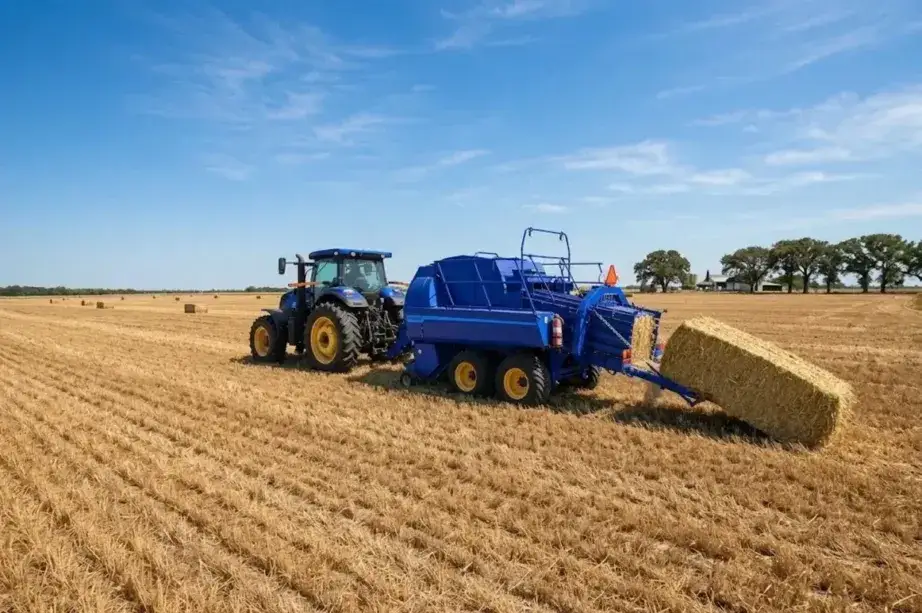
460×360mmのベールを生産する小型角型ベーラー
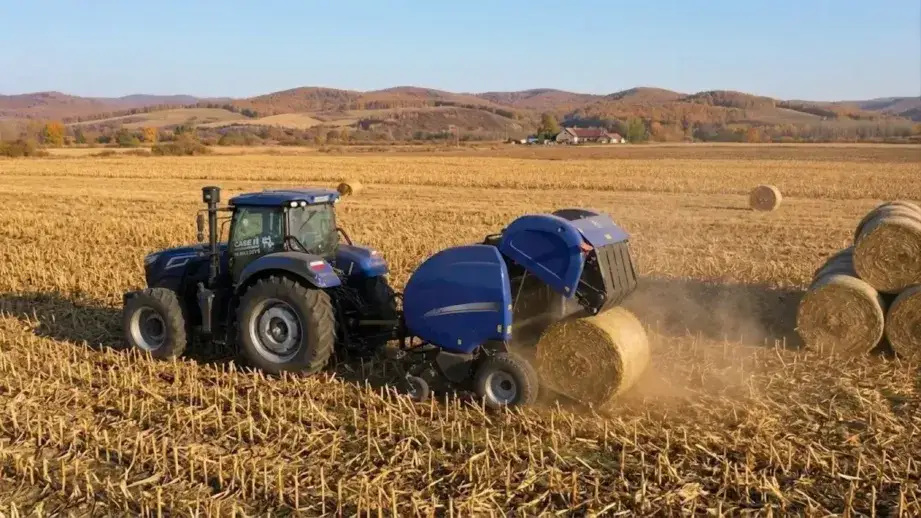
大型円形ベールを製造する丸型ベーラー
角型ベールの取り扱い:一人で作業可能、特別な道具は不要
馬用飼料市場や小売市場で最も一般的に流通している18~28kgの小型角型ベールは、ロープを使って大人1人が通常の歩行速度で干し草保管場所から使用場所まで運ぶことができます。20頭の馬を飼育する厩舎であれば、2人のスタッフが機材を使わずにベールを各馬房に運び、給餌することができます。また、農産物直売所では、10ベールを購入した顧客が一人でピックアップトラックに積み込むことができます。
この取り扱いの自由度の高さは、単なる利便性ではなく、馬市場を特徴づける機能的な要件です。25頭の馬を飼育し、2人のスタッフを抱える厩舎経営者は、干し草給餌専用のローダー・トラクターを常時配備しなければ、丸型ベールを扱うことはできません。小型の角型ベールであれば、こうした機器への依存を完全に解消できます。
丸型ベールの取り扱い:あらゆる段階で使用する機器
400kgの丸型ベールは手作業では移動できません。ベーラーから排出された後のライフサイクル全体(圃場での圧縮、貯蔵庫への輸送、リングフィーダーへの設置、家畜への給餌)のあらゆる段階で、ローダー付きトラクターまたは専用のベールハンドラーが必要です。ローダー付きトラクターを日常的に使用している大規模な肉牛や酪農経営では、これは問題になりません。しかし、ローダー設備を常設していない小規模な馬牧場、小型反芻動物農場、または小売りの干し草生産者にとっては、丸型ベールは取り扱い上の制約となりますが、角型ベールではそれが完全に解消されます。
保管効率:角型ベールが納屋をより効率的に満たす理由
長方形フォーマットの幾何学的利点
小型の角型ベールは長方形の断面をしており、隙間なく積み重ねることができます。隣接する列や層のベールは、最小限の隙間でぴったりと収まります。標準的な460×360mmの小型角型ベール(重量24kg、長さ約500mm)は、1ベールあたり約0.083立方メートルの納屋スペースを占め、単位体積あたり0.020トンの乾物を貯蔵します。標準的な納屋で6段積みにした場合、1,000平方フィート(93m²)の干し草置き場には約1,400~1,800ベールを貯蔵でき、これは1,000平方フィートあたり30~40トンの干し草に相当します。
直径1.2m、幅1.2m、重量400kgの丸型ベールは、約1.36立方メートルの容積を占めます。また、円形の断面形状のため、平積み保管の場合、隣接するベール間のデッドスペースは相当な大きさになります。1,000平方フィートの床面積を持つ屋外または屋内の平積み保管では、1層あたり約30~40個の丸型ベールを収容でき、これは1,000平方フィートあたり約12~16トンに相当します。これは、ロフト式に小型角型ベールを積み重ねた場合と比較して、単位面積当たりの乾燥物質量が40~501トン少ないことを意味します。
| ストレージメトリック | 小型角型ベール | 丸型ベール(400kg) |
|---|---|---|
| 1,000平方フィート(屋根付きロフト)あたりのベール数 | 1,400~1,800 | 30~40 |
| 1,000平方フィートあたりの乾物量 | 30~38トン | 12~16トン |
| 保管庫内の空きスペース | 最小限(<5%) | 15–25%(円形ギャップ) |
| 屋外保管許容範囲 | 低(カバーが必要) | 中程度~良好(ネット包装) |
| 屋根裏収納は実現可能か? | はい、理想的な形式です | いや、重すぎるし大きすぎる。 |
屋外保管と乾物損失
ネットラップまたはプラスチックフィルムで包まれた丸型ベールは、小型の角型ベールよりも屋外保管に対する耐性が著しく優れています。適切にネットラップされた丸型ベールを排水の良い場所に保管した場合、屋外で6か月間保管すると、通常5~8%の乾物量を失います。一方、覆いのない状態で屋外に積み重ねられた小型の角型ベールは、同じ期間に天候にさらされることで12~25%の乾物量を失います。したがって、屋根付きの保管施設がない農場では、長期の畑端保管には丸型ベールの方が適しています。既存の屋根付き納屋の設備がある農場では、床面積あたりの設備利用効率が3~4倍高い小型の角型ベールの方が適しています。
市場価値:どちらのフォーマットが高値で取引されるか
馬市場におけるスモールスクエアプレミアム
馬の購入者に小型の角型ベールで販売される同じアルファルファ干し草は、商品家畜の購入者に丸型ベールで販売される同じ干し草よりも、1トン当たりの収益が大幅に高くなります。2025~2026年の米国市場の状況では、馬用のプレミアム品質のアルファルファを小型の角型ベールで直接厩舎や馬の所有者に販売すると、1ベール当たり$10~18の範囲になります。平均ベール重量が24kgの場合、これは1トン当たり$417~$750に相当します。同じアルファルファを丸型ベールで商品家畜市場に販売すると、1トン当たり$120~$200の収益になります。
この2~4倍の価格差は、小型の角型ベールに良質な干し草が含まれているからではありません。この価格差は、手作業による取り扱い、一定の分量、納屋での保管のしやすさといった、馬市場が干し草の価格変動に関わらず一貫して支払うサービスを提供しているからこそ生じるのです。この価格差は構造的なものであり、周期的なものではありません。
高級アルファルファを1ベールあたり$10~18で、乗馬厩舎および個人馬主へ直接販売。
同品質のアルファルファを丸型ベールにして、牛肉・乳牛用飼料市場向けに販売。
日本および韓国の酪農市場向け、小型正方形フォーマットのチモシーとアルファルファ(FOB米国港)
丸型ベールが収益面で優位に立つ場合
丸型ベールは、特に2つの状況において収益面で優位に立ちます。1つ目は、サイレージとヘイレージの生産です。発酵保存飼料として丸型ベールをプラスチックフィルムで包むことは、農場規模では実用的かつ経済的に実現可能です。一方、小型の角型サイレージは、専門市場以外ではほとんど実用的ではありません。2つ目は、買い手が1回の配送ごとにトン単位で購入する大量商品契約です。丸型ベール20個の1回の配送は、小型角型ベール300~400個の配送に相当し、1トンあたりの物流コストを大幅に削減できます。これらの市場をターゲットとする事業者にとって、丸型ベールは物流コストを十分に削減できるため、1トンあたりの価格の低さを相殺できます。
1トンあたりの運用コスト:紐、ネット包装材、燃料、人件費
包装資材のコスト比較
包装資材のコスト構造は、包装形態によって大きく異なります。小型の角型ベールでは、2つの結び目を作るのに約4~6メートルの紐が必要となり、紐の品質と購入量によってベール1個あたり$0.25~$0.60の費用がかかります。ベールの平均重量が22kgの場合、紐の材料費は1トンあたり$11~$27となり、無視できないものの、管理可能な費用です。
400kgのネットで包まれた丸型ベールには、約4~6メートルのネットラップが必要で、ベール1個あたり$1.50~$3.00の費用がかかります。これは1トンあたり$3.75~$7.50に相当します。ネットラップの材料費は、1トンあたり小型角紐の材料費よりも大幅に低くなっています。しかし、このコスト上の利点は、小型角型ベールが市場で獲得する価格プレミアムによって相殺されることが多く、小型角型ベールの馬用干し草と一般的な丸型ベール干し草の価格差は1トンあたり$300~$500で、包装材料費の差額1トンあたり$7~$20をはるかに上回ります。
1トン当たりの労働コスト
丸型ベーラーは、小型角型ベーラーのプランジャーのように停止と開始を繰り返すことなくベール室が連続的に充填されるため、1時間あたりの処理速度が速くなります。同じ幅のピックアップの場合、丸型ベーラーは、同じ作物を同じ前進速度で処理する場合、小型角型ベーラーよりも1時間あたり20~35%多く生産できます。ただし、小型角型ベールの収穫後の作業(積み込み、運搬、積み重ね)は、丸型ベール(移動ごとにローダーが必要)よりもベールあたり少なくて済みます(1人で済み、機器は不要)。正味の労働力のメリットは、具体的な作業によって異なります。大量生産の商品ベーラーは丸型ベーラーの処理能力のメリットを享受できますが、少量生産の高級市場向けベーラーは小型角型ベーラーの取り扱いの独立性から恩恵を受けます。
トラクターの馬力要件:並列比較
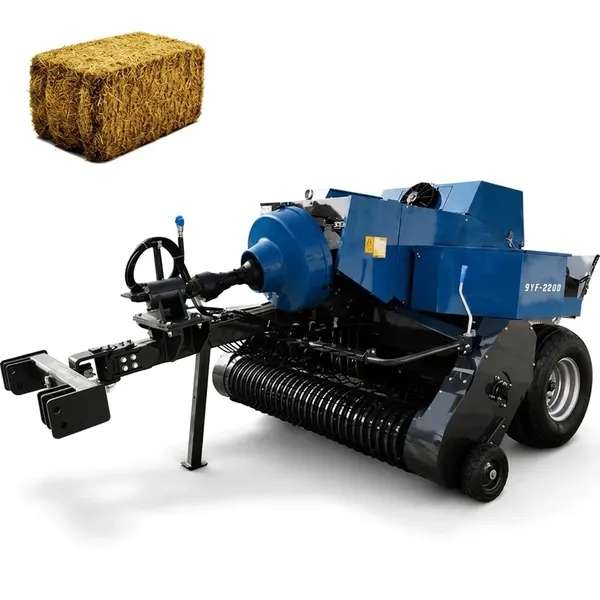
角型ベーラーと丸型ベーラーはどちらも、40~55HPクラスの小型ユーティリティトラクターから130HPを超える大型畝間耕うんトラクターまで、幅広いトラクター出力範囲に対応しています。9YF小型角型ベーラーシリーズは、最小40HP(9YF-1700)からシュレッダーモデルの最小99HPまでをカバーしています。9YQ丸型ベーラーシリーズは、小型の9YQ-870で25~50HPから始まり、大径の9YG-2.2では110~150kW(148~201HP)まで対応しています。
| モデル | タイプ | ベール形式 | トラクターの最小馬力(PTO) | ベール重量範囲 |
|---|---|---|---|---|
| 9YF-1700 | 小さな正方形 | 460×360mm | 40馬力 | 12~32kg |
| 9YF-1900 | 小さな正方形 | 460×360mm | 50馬力 | 14~34kg |
| 9YF-2200 | 小さな正方形 | 460×360mm | 50馬力 | 14~36kg |
| 9YF-2200S | 小型スクエア+シュレッダー | 460×360mm | 99馬力 | 22~40kg |
| 9YQ-870 | ラウンドベーラー | Φ630×700mm | 25~50馬力 | 80~150kg |
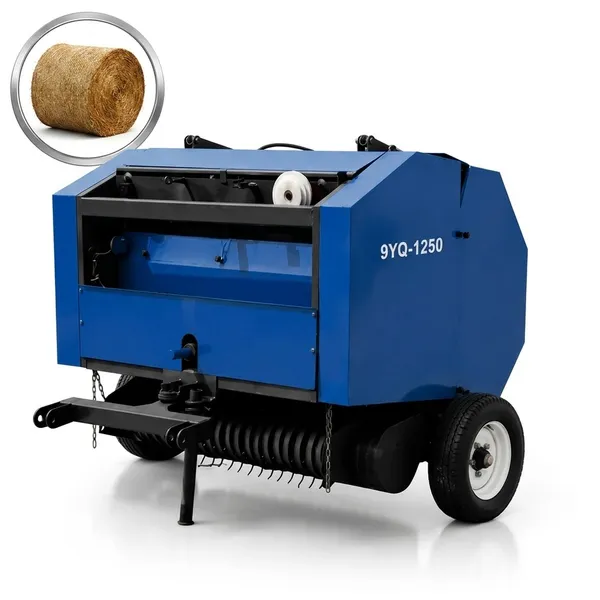
| 9YQ-1250 | ラウンドベーラー | Φ800×1,250mm | 54~80馬力 | 200~380kg |
| 9YQ-1950 | ラウンドベーラー | Φ1,000×1,250mm | 50~148馬力 | 350~600kg |
| 9YG-2.2 | ラウンドベーラー | Φ1,220×1,400mm | 148~201馬力 | 550~900kg |
小型角型ベーラーを選ぶタイミング
小型正方形フォーマットが好ましいだけでなく、機能的に必要不可欠であったり、明らかに経済的に優れている6つの具体的なシナリオ:
丸型ベーラーを選ぶタイミング
両方所有できますか?デュアルフォーマット戦略
中規模農場と大規模農場が2つの形態をどのように分け合っているか
200~600エーカー規模の中規模農場では、小型角型ベーラーと丸型ベーラーを同時に運用するケースが増えている。これは、どちらを使うか決めかねているからではなく、同じ作付面積から異なる市場向けにそれぞれ異なる形態のベーラーを運用しているためである。丸型ベーラーは、作付面積の大部分を効率的に処理し、家畜飼料市場向け、あるいは農場自身の家畜向けに大量の飼料を生産する。一方、小型角型ベーラーは、最高品質の干し草作付面積(通常は1番刈りまたは2番刈りのアルファルファ、あるいは高級チモシー)のうち、特定の部分を処理し、馬の買い手や飼料店に2~4倍の価格で直接販売する。
適切に管理されたデュアルフォーマット運用では、小型角型ベーラーは丸型ベーラーと同じ面積を巡って競合するのではなく、追加の処理コストに見合うだけの優良な面積をターゲットにします。残りの面積は丸型ベーラーが効率的に処理します。その結果、運用全体で、どちらか一方のフォーマットのみで達成できるよりも高い1エーカーあたりの平均収益が得られます。
デュアルフォーマットが解決策にならない場合
デュアルフォーマットは、すべての作業に適しているわけではありません。トラクター1台しかない50エーカーの趣味農場では、2台のベーラーを別々に導入するだけの労働力や面積がありません。2,000エーカーの穀物と干し草の生産農場では、小型角型ベールを大規模に小売販売するための市場アクセスがありません。デュアルフォーマットが最も効果を発揮するのは、次のような条件を満たす場合です。小型角型ベールの設備費用を正当化するのに十分な高品質の農地(通常は50エーカー以上の高品質干し草)があること。確立されている、またはアクセス可能な小売、馬関連、または輸出市場との関係があること。そして、大量の丸型ベール生産と並行して小型角型ベールを効率的に処理するための労働力またはインフラが整っていること。
意思決定マトリックス:農場プロファイルから最適なフォーマットを見つけよう
このマトリックスを使用して、お客様の具体的な作業プロファイルを推奨されるベーラーのフォーマットにマッピングしてください。
| 運用概要 | 推奨 | 主な理由 |
|---|---|---|
| 馬1~5頭、小規模な敷地、ロフト付きの納屋 | 小さな正方形 | 手動給餌にはフォーマットが必要です。ロフト保管は丸型ベールには対応していません。 |
| 馬10~40頭を預かり、余剰の干し草を販売する。 | 小さな正方形 | 馬の買い手市場プレミアムは1トンあたり2~4倍。厩舎の買い手が求めるフォーマット。 |
| 50~150エーカーの干し草を飼料店や馬主向けに販売。 | 小さな正方形 | 小売市場および馬具市場では、狭いスペースが必要。プレミアム価格設定は、追加の取り扱いを正当化する。 |
| 肉牛50~150頭、自給自足型の干し草生産 | ラウンドベーラー | 50頭以上の牛に毎日手作業で餌を与えるのは現実的ではない。ローダーはすでに他の作業で毎日使用されている。 |
| 300エーカー以上の土地、カスタムベールサービス、商品用干し草 | ラウンドベーラー | 時間当たりの処理能力が収益性を左右する。丸型ベーラーは1日当たりの処理面積が広い。 |
| アルファルファまたはチモシーの輸出(日本、韓国、中東) | 小さな正方形 | これらの市場の輸出バイヤーは、コンテナ梱包用に460×360mmの小型正方形フォーマットを指定しています。 |
| サイレージ/高水分保存飼料の生産 | ラウンドベーラー | プラスチックで包装された丸型ベールサイレージは、小規模農場で実用的な唯一の飼料保存方法である。 |
| 200~400エーカーの優良農地と商品農地 | 両方のフォーマット | 高級小売農地には角型ベーラー、商品量には丸型ベーラーを使用。デュアルフォーマットにより、1エーカーあたりの平均収益を最大化します。 |
| ヤギ、ヒツジ、アルパカ ― 小型反芻動物の趣味農場 | 小さな正方形 | 小型反芻動物への給餌は、小型角型ベールのサイズに合わせて行うことができ、ローダーは不要です。 |
| バイオマス、ストーバー、作物残渣の収集 | ラウンドベーラー | バイオマス購入者は通常、トン単位で大量に購入します。丸型ベールの物流はこの市場ニーズに合致しています。 |
両タイプのベーラーにおけるPTO駆動系の仕様
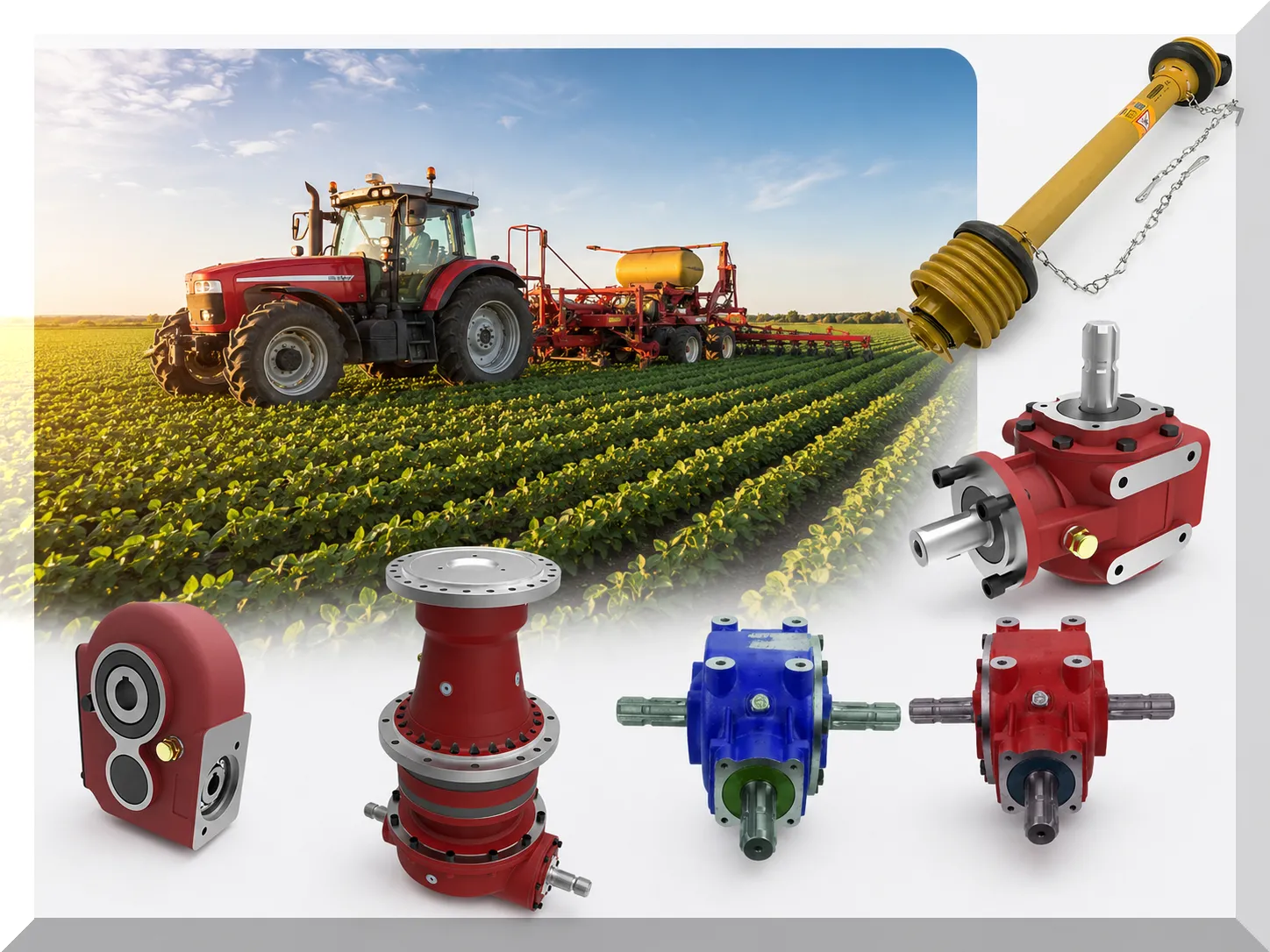
すべての飼料ベーラー出力クラスにおけるギアボックスのトルク定格とカップリング規格: 農業用ギアボックスおよびPTOシャフトの仕様
40HPのコンパクトトラクターと9YF-1700を組み合わせる場合でも、150HPの畝間耕うんトラクターと9YG-2.2ラウンドベーラーを組み合わせる場合でも、適切なドライブシャフトの長さとCVジョイントの角度仕様により、機器への投資を保護できます。すべてのベーラーモデルとトラクター出力クラスの完全な仕様は、 PTOドライブシャフトとCVジョイントのサイズガイド.
よくある質問 — 角型ベーラーと丸型ベーラーの違い
作業に最適なベーラーを見つけましょう
主な作物、ターゲット市場(馬、家畜、輸出、小売)、トラクターの馬力をお知らせください。お客様のニーズに合った形式を確認し、最適なモデルをご提案いたします。9YF角型ベーラーシリーズと9YQ丸型ベーラーシリーズはどちらも在庫があり、充実した技術サポートをご利用いただけます。
編集者: Cxm


