梱包作業の実際の時間配分
大学で行われた丸型ベール作業の効率性に関する研究によると、生産的なベール作業時間(トラクターが前進し、作物がチャンバーに入る時間)は、圃場での総作業時間のわずか58~72%に過ぎません。残りの時間は、圃場端での旋回、ベールの排出とテールゲートの閉鎖待ち、ウィンドローの再配置、機器の停止、圃場への出入りに費やされます。10時間のベール作業日では、これは2.8~4.2時間の非生産的な時間に相当します。
重要な点は、ベーラーの購入決定はベール成形速度(定格条件下での1時間あたりのベール数)の仕様に重点が置かれることが多いものの、実際の1日の生産量は定格容量よりも圃場効率(生産時間と総圃場時間の比率)によって大きく左右されるということです。定格速度で1時間あたり18ベールを生産するベーラーでも、圃場効率が62%の場合、1時間あたり14ベールを生産するベーラーでも圃場効率が82%の場合よりも1日の生産量が少なくなります。
典型的な10時間の梱包作業日:時間はどこへ消えていくのか
データは、米国農務省農業研究局が実施した、50~300エーカーの圃場における商業用丸型ベール梱包作業の現地調査に基づいています。実際の分布は、圃場の規模、地形、ベーラーの設置状況によって異なります。
岬の先端での旋回:回復可能な時間損失の中で最大の要因
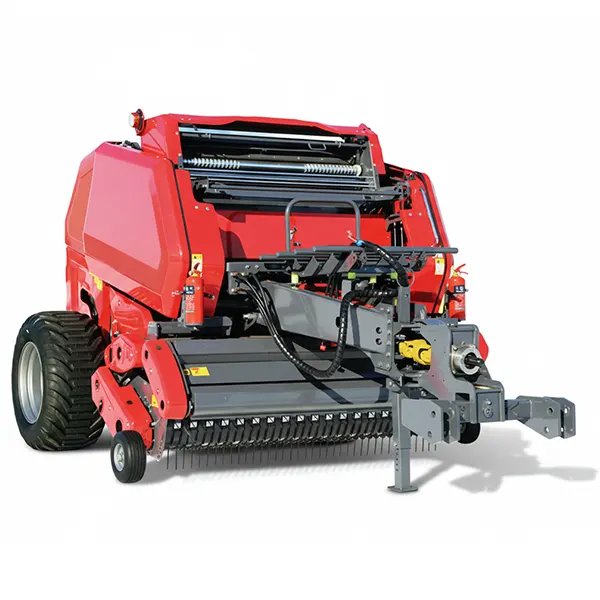
一般的なベール作業における圃場端での旋回(時速5マイルから減速し、角を曲がり、次の列の刈り草列に移動して、再びベール作業速度まで加速する)は、圃場の形状、トラクターとベーラーの旋回半径、およびオペレーターの技術によって45秒から90秒かかります。刈り草列の長さが200フィートの40エーカーの正方形の圃場では、ベーラーは1回のベール作業で約80回の旋回を行います。1回の旋回に60秒かかるとすると、圃場端での作業時間は80分となり、圃場端での旋回だけで1.3時間以上もの非生産的な圃場作業時間が費やされることになります。
ヘッドランド旋回時間は4つの要素から構成され、それぞれ圧縮可能である。
約15秒
減速
刈り草の列の端から30~40フィート手前で減速を開始してください。端で減速を開始しないでください。全速力で進入するのではなく、減速して進入することで、旋回ごとに8~12秒の時間を節約できます。
約20秒
ターン自体
トラクターとベーラーの組み合わせで、最も安全な最小旋回半径を使用してください。ヒッチの可動域が広い最新のベーラーでは、90度の小回りが広いUターンよりも短時間で済みます。ベーラーの最小旋回半径を、ベーリング作業前に確認しておきましょう。
約12秒
ウィンドロー上での再配置
ピックアップをベール成形速度に達する前に、ウィンドローの中心に合わせましょう。ベール成形速度に達した後ではいけません。適切な位置に合わせることで、各列の開始時に5~10秒余計に発生する「位置合わせ」の手間を省くことができます。
約13秒
加速度
ヘッドランド進入速度からベール成形速度まで、スロットルを段階的に加速させる。低速から密集した刈り草の列にスロットルを急激に開けると、エンジンラグやせん断ボルトの破損につながる。10~15秒間のスムーズな加速が適切である。
幾何学的解法: 刈り取った列が長いほど、1エーカーあたりの旋回回数は少なくなります。40エーカーの正方形の畑では、0°(列が短く、旋回回数が多い)で刈り取るのと、90°(列が長く、旋回回数が少ない)で刈り取るのとでは、旋回回数が40~60%変わる可能性があります。刈り取り列は常に畑の最長辺に沿って配置し、ベール列を刈り取り列に合わせます。長方形の畑では、2:1の比率(列が長軸に沿っている)が、同じ面積での旋回回数を最小限に抑えます。
ベール排出管理:停止、落下、そして前進
ベール排出サイクル(前進を停止し、テールゲートが開くのを待ち、ベールを排出し、テールゲートが閉じるのを待ち、ベール作業を再開する)は、ベール1個あたり25~45秒かかります。1時間に14個のベールを処理する場合、排出関連の停止時間は1時間あたり6~10.5分となり、総稼働時間のうち5.5%~9%が排出サイクルだけで消費されます。
ベール配置品質を損なうことなく排出サイクル時間を短縮する3つの技術:
1. 射出地点を予測する ― 最適な場所で停止する
ベール密度インジケーターが80~90%完了を示したら、次のウィンドローから離れた、平坦でしっかりとした地面など、最適な排出位置を探して前方をスキャンし始めます。排出されたベールが次のベーリング作業を妨げない場所に正確に停止してください。排出されたベールが次のウィンドローに落ちてしまうと、ベールの位置を調整するか、ベールを避けて走行する必要があり、どちらも時間がかかります。30秒先を見越して計画を立てることで、この問題を完全に回避できます。
2. 排出時間を有効活用する
テールゲートが開いてベールが転がり出ている間に、他の作業を完了してください。ベーラーが手動でネットラップを繰り出す必要がある場合は、ネットラップを準備位置まで進めてください。PTOシャフトガードの状態を確認してください(ちらっと見るだけで、停止する必要はありません)。燃料レベルを確認してください。自動ネットラップ機能を備えた最新のベーラーでは、テールゲートが作動する20~25秒の間に、前方のウィンドローの品質を目視で評価できます。これにより、後で時間をかけて形成後の評価を行う必要がなくなります。
3. テールゲートが閉まっていることを確認したらすぐに前進を開始する
多くのオペレーターは、テールゲートが閉まったことを示すインジケーターが表示されてからさらに3~5秒待ってから動き出します。これは慎重な習慣ですが、積み重なると大きな時間ロスになります。テールゲートの位置インジケーター(センサーライトまたは機械式インジケーター)が完全に閉まったことを示せば、すぐに前進を開始しても安全です。1時間に14回以上の射出があり、1回の射出につき4秒余計にかかると、1時間に56秒余計にかかることになり、10時間勤務の1日で約9分もの時間ロスとなります。
スピード対密度:多くのオペレーターが間違えるトレードオフ
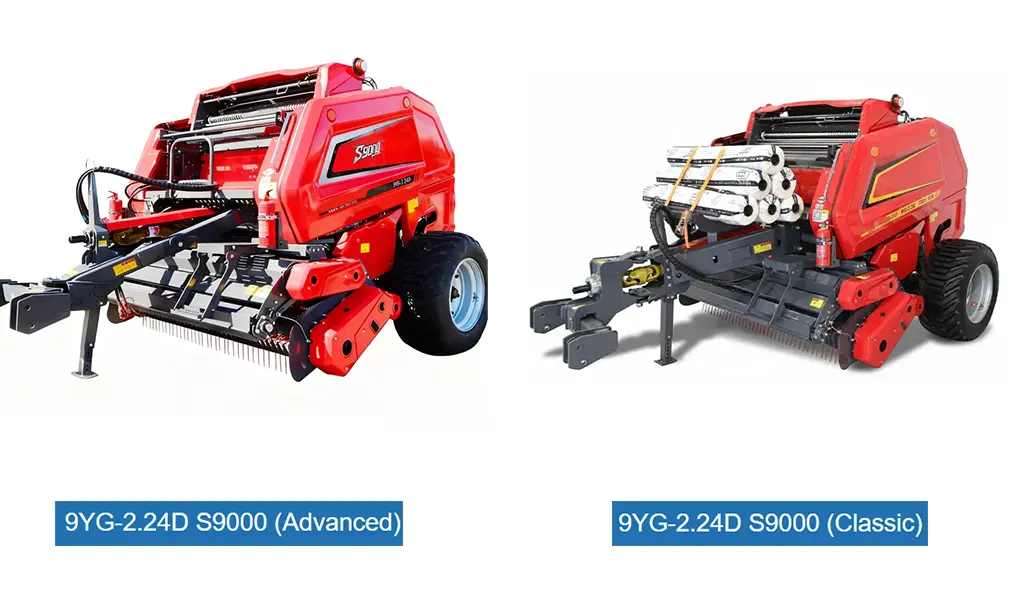
ベール製造速度を上げると処理量は増加するが、ベール密度は低下する。この関係は直線的ではない。中程度の密度のウィンドローで時速4マイルから時速5マイルに速度を上げると、通常、ベール重量は8~121トン減少する。これはエレベーターの価格設定や輸送経済性に影響を与える重要な減少である。同じウィンドローで時速4マイルから時速6マイルに速度を上げると、ベール重量は18~25トン減少する。問題は、1時間あたりのベール製造量の増加が、ベール重量の減少を補うかどうかである。
速度・密度・収益の計算例
| スピード |
ベール/時 |
平均ベール重量 |
トン/時 |
1トンあたり$150の収益/時 |
| 時速4マイル(参考) |
11 |
1,040ポンド |
5.72 |
$858 |
| 時速5マイル |
14 |
950ポンド(-9%) |
6.65 |
$998 |
| 時速6マイル |
16 |
840ポンド(-19%) |
6.72 |
$1,008 |
この例では、4×5フィートの可変チャンバー式ベーラーを使用し、中密度のアルファルファの刈り取り列(乾物換算で3トン/エーカー、1列あたり1刈り取り列)を想定しています。高速でのベール重量の減少率は、刈り取り列の密度と作物の種類によって異なります。刈り取り列の密度が高いほど、ベール重量に対する速度の影響は小さくなります。収益計算では、速度に関係なく品質と価格が一定であると仮定していますが、実際には、最低重量制限が適用される場合、ベール重量が軽いとエレベーターの等級に影響する可能性があります。
この表は、時速5マイルを超えると収穫逓減が生じることを示しています。時速5マイルから時速6マイルに速度を上げても、1時間あたりの収益はわずか1%しか増加せず、ベールの重量は11%軽くなります。ベールの最低重量要件がある商業用エレベーター販売の場合、時速6マイルのシナリオでは、ベールが軽いためドックに送られ、ベールあたりの収益が実際に減少する可能性があります。ほとんどの商業用干草作業における最適な速度は、中密度のウィンドローで時速5~5.5マイルです。これは、十分な処理量の増加が得られ、エレベーター価格に悪影響を与えるほどの密度低下がないことを意味します。ベール密度が飼料品質、保管損失、および購入者の受け入れにどのように影響するかについての完全なガイドについては、以下を参照してください。 ベール密度ガイド.
ウィンドローと圃場戦略:ベーラー稼働前日の準備
ベール作業日の圃場効率は、主に刈り取りとレーキ掛けの工程における判断によって決まります。最適な位置に配置され、密度が均一な刈り草列が整然とした、向きの良い圃場でのベール作業は、78~85%の生産時間効率を達成できます。一方、刈り草列が不規則に配置され、レーキ掛けが不十分で密度が不均一で、圃場の向きが不適切で刈り草列が短い圃場では、同じベーラーでも55~62%の生産時間効率しか達成できない可能性があります。
ウィンドロー密度の均一性
一定の速度でレーキをかけ、重なり合うようにして、全長にわたって均一な密度のウィンドローを作りましょう。レーキホイールが窪みを越えて持ち上げられた状態ではウィンドローが薄く、2回のパスが重なり合って厚くなると、ベーラーは過少積載と過密積載を繰り返し、効率とベールの品質が低下します。レーキ作業に時間をかけてウィンドローの均一性を確保すれば、その後のベール作業すべてでその効果が得られます。
ベール配置のためのウィンドロー間隔
刈り取ったベールが隣接する列に落ちることなく、片側に転がり落ちるように、列の間隔を調整してください。列の間隔が狭すぎる場合(直径5フィートのベールに対して列の間隔が14~16フィート未満の場合)、刈り取ったベールが常に隣接する列に落ちてしまいます。そのため、手作業で位置を調整するか、車で迂回する必要がありますが、どちらも列の間隔を広げるためにレーキ作業の回数を1回増やすよりも効率が低下します。
行の向きとフィールドへの入力
畑の隅から入り、畑の最長辺に平行に列を並べていくのが、効率を最大化する標準的な作業方法です。畑の中央から始めて螺旋状に外側に向かって作業を進めるのは避けてください。「逆螺旋」方式では、連続して作業するたびに列が短くなり、平行列方式に比べて、1トンの干し草を梱包する際の旋回頻度が劇的に増加します。
圃場へ向かう前に、最小旋回半径、油圧要件、PTO互換性を判断するトラクターとベーラーの互換性チェックについては、以下を参照してください。 ベーラーとトラクターのマッチングガイドPTOドライブラインコンポーネントには以下が含まれます。 農業用ギアボックスおよびPTOシャフトの仕様運転速度で持続的に利用可能な馬力を決定する。これは、エンジンのたるみやベルトの滑りを起こさずに、可変のウィンドロー密度を通してベール化速度を維持するための重要な要素である。
終日梱包作業のための機材セットアップ

平均的な作業では、梱包作業中の予期せぬ停止により、圃場作業時間の合計が7~121トン(TP5T)も失われます。これらの停止のほとんどは、作業開始前に20分間の点検を行うことで解消できます。この点検では、作業中に問題となる可能性のある消耗品や調整箇所を特定します。この点検は、シーズン前のメンテナンス点検とは異なり、1日の作業中に故障する可能性が最も高い項目に焦点を当てた、より簡略化された日々のセットアップ確認です。
ネットラップ在庫
残りのロール数を数え、その日の消費量を推定します(ベールのサイズとラップ数にもよりますが、ベール80~120個につきロール1個程度)。ヤードを出る前に必要なロールをすべて積み込みます。畑の途中でネットラップを買いに店まで往復すると、20~30分かかります。
燃料レベル
残量に関わらず、トラクターの燃料タンクはヤードを出発する前に必ず満タンにしてください。ヤードでの給油には5分、畑での給油には25分かかります(給油所まで往復)。畑の途中で燃料切れになると、ベール作業全体が停止してしまいます。
ネットナイフチェック
ナイフの刃先でサムネイルテストを実施してください(所要時間45秒)。一日の始めにかろうじてテストに合格したナイフでも、収穫作業で負荷がかかった正午頃にはテストに不合格となる可能性があります。刃先を交換してください。
予備のせん断ボルト
トラクターの運転席に、純正仕様のせん断ボルトが10本以上積載されていることを確認してください。新シーズンの最初の圃場、または保管後の最初の作業は、せん断ボルトの交換頻度が最も高い時期です。修理工場に持ち込まなくても3~4回分の交換に対応できるだけのボルトを常備しておきましょう。
すべてのニップルにグリースを塗布してください。
シーズン開始時にグリースガンで5分間、高負荷箇所(ピックアップベアリング、PTOシャフトユニバーサルジョイント、メインドライブベアリング)には毎日2分間グリースを塗布してください。フィールドの途中で故障したベアリングは、後からグリースを塗布することはできません。
水分チェック
作業開始前に、刈り取った作物の水分量を3~5回測定してください。測定値が目標値を超えている場合、水分量が22%を超えてベールを梱包し、発熱や品質低下に対処するよりも、乾燥を待つ時間の方がはるかにコストがかかりません。間違った方法で梱包するよりは、1~2時間待つ方が賢明です。
20%の生産性を低下させる5つのオペレーターの習慣
機器の性能が上限を決定し、オペレーターの技術がその上限内で実際にどれだけの作業時間が確保できるかを決定します。以下の5つの習慣は、それぞれは小さなものですが、10時間の梱包作業では積み重なって、測定可能な生産性の低下につながります。
−1
各列の終わりの前にピリオド
多くのオペレーターは、圃場の状況に関わらず、旋回時に毎回「圃場の端で完全に停止するまで減速する」という同じテクニックを使っています。障害物のない広い開けた圃場では、完全に停止するのではなく時速1.5マイルまで減速することで、旋回ごとに6~8秒、密集した圃場では1時間あたり約8分を節約できます。状況に応じて判断してください。圃場の端、斜面、障害物の近くでは完全に停止するのが適切です。開けた場所では、ゆっくりと旋回するのが適切です。
−2
先を見通すのではなく、ベールの形成を見守る
ベール密度インジケーターは、ベールチャンバーの動作状況をすべて表示します。ベールが形成される間、ベールを目で見る必要はありません。前方の刈り株や畑を注意深く見渡すことで、より早い段階で進路修正、密度の変動の早期発見、そしてより適切な排出ポイントの選択が可能になります。ベールに目を向けていると受動的な運転になり、前方に目を向けていると能動的な運転になります。
−3
問題を未然に防ぐのではなく、問題を追いかける
問題が発生してから圃場の途中でベーラーの設定を調整するのではなく、その日の最初のベールを作る前に正しい設定をしておくべきです。圃場での調整のための停止は、1回につき3~8分の損失となります。1日に2~3回の調整停止は、10~24分のベール作りの時間のロスにつながります。こうした停止をなくすための事前設定は、高い費用対効果を発揮します。
−4
ウィンドローをスキップして戻ってくる
刈り取った作物の列が薄かったり低かったりすると、一部の作業員はそれを飛ばして後で戻ってくる計画を立てますが、その結果、畑を何度も往復することになり、作業回数が増えてしまいます。しかし、刈り取った作物の密度が低い場合でも、速度を落として現在の作業中に薄い列を拾い上げる方が、そのままにして後で追加で作業するよりも、ほとんどの場合効率的です。
−5
梱包作業中の携帯電話使用
ベール作業中に携帯電話の使用で注意力が途切れると、コースのずれが生じ、修正が必要になります。また、排出地点の計画ミスや、ピックアップ位置のずれ(ウィンドローの中心からずれて進入するなど)も時折発生します。携帯電話の使用は、畑の端で停止する時だけにしてください。調査対象となった商業農場では、10時間の作業中に携帯電話の使用による細かな中断が積み重なり、運転中の注意力低下が15~35分に及ぶことが分かりました。
現場効率に関するよくある質問
商業規模の事業において、実際に1日にどれくらいの生産的な梱包作業時間を確保できると期待すべきでしょうか?+
経験豊富な作業員、40エーカー以上の圃場、そして適切な刈り取り準備が整った、適切に管理された商業的な作業では、68~75%の生産的なベール作成時間が期待できます。10時間の作業時間であれば、6.8~7.5時間のベール作成作業が可能です。圃場が小さく不規則な形状であったり、作業員の経験が浅かったり、地形が険しい場合は、通常55~65%の生産的なベール作成時間が達成されます。圃場効率が55%を下回る場合は、大幅な作業改善の機会があるか、あるいは非常に困難な圃場形状である可能性があり、これらは個別のベール作成率の計算に考慮する必要があります。実際のベール作成数と圃場での作業時間の比率を数日間にわたって追跡することが、特定の効率を測定する唯一の信頼できる方法です。理論モデルは出発点であり、圃場データの代わりとなるものではありません。
大型のベーラーは、小型のベーラーよりも常に1日あたりのベール生産量が多いのでしょうか?+
必ずしもそうとは限りません。大型ベーラー(5×5フォーマット)は、小型ベーラー(4×5)よりも少ない回数で刈り取った作物をチャンバーに充填できるため、1ベールあたりの生産量は多くなりますが、刈り取った作物の密度が低く、大型ベーラーのチャンバーを効率的に満たせない場合は、1時間あたりのベール生産量は同じか、それ以下になる可能性があります。大型ベーラーの利点は、刈り取った作物の密度が十分に高く、小型ベーラーと同じ時間で大型ベーラーのチャンバーが満たせる場合、つまり刈り取った作物の生産速度がチャンバーの容量と一致する場合に発揮されます。刈り取った作物の密度が低い小規模農場では、5×5ベーラーは4×5ベーラーよりも1時間あたりのベール生産量が少なくなる可能性があります。これは、大型ベーラーの方が同じ刈り取った作物からチャンバーを満たすのに時間がかかるためです。ベーラーのチャンバーサイズは、利用可能な最大サイズではなく、通常の刈り取った作物の密度と生産量に合わせて選択してください。
湿った干し草や濡れた干し草は、梱包速度をどれくらい低下させますか?+
水分含有量が20~22%(乾燥干し草の最大値に近い)でベールを作ると、同じ作物を水分含有量15~16%でベールを作る場合と比べて、達成可能なベール作成速度が約15~25%低下します。その理由は次のとおりです。水分含有量が多い干し草は単位体積あたりの重量が重いため、同じ密度に圧縮するにはより多くの馬力が必要になります。また、湿った材料は圧縮に対する初期抵抗が高いため、ベールの充填速度が遅くなります。さらに、湿った材料は塊になりやすく、詰まりを防ぐためにより慎重な取り扱いが必要となるため、ピックアップ作業も遅くなります。水分含有量の限界に近い状態で日常的にベールを作成する作業では、1日のベール作成数の予測に処理能力の低下を考慮に入れる必要があります。乾燥した状態では1時間あたり14ベール、水分含有量が限界に近い状態では1時間あたり11~12ベールと計画することで、条件がぎりぎりの場合に予想よりも短いベール作成日になるという失望を防ぐことができます。
夕方に梱包作業をする方が、日中に梱包作業をするよりも効率的ですか?+
夕方のベール作業(午後4時~10時)には、露がまだ降りていないため、朝露が乾くまで水分が再吸収されてベール作業が中断されることなく、日照時間の短い時間帯までベール作業を続けられるという明確な利点があります。朝露が多く、午後の相対湿度が低い地域では、夕方のベール作業によって、使用可能なベール作業時間を1日あたり3~4時間延長できます。ただし、実用上の制約は作業者の疲労です。10時間作業して深夜に終了するようなベール作業は持続可能ではありません。暑い気候(南西部、南東部の夏)では、早朝のベール作業(午前5時~正午)によって、作業者のパフォーマンスとトラクターの冷却能力の両方に影響を与える午後の極端な暑さを避けることができます。最も効率的な時間帯は、地域の露点サイクルに合致し、その地域の最高気温の時間帯を避ける時間帯です。
PTOシャフトの長さは、圃場端での操縦効率にどのような影響を与えるか?+
PTOシャフトの長さは、トラクターとベーラー間のヒッチの最小伸長距離を決定し、これは最小旋回半径に直接影響します。伸縮範囲の広いPTOシャフトを使用すると、最小シャフト係合限界に達することなく、狭い旋回時にベーラーをトラクターにより近づけることができます。狭いヘッドランド旋回時にPTO付近から「ガチャン」という音がする場合は、シャフトの最小係合限界に達していることを示しています。これは、使用している旋回半径に対してPTOシャフトが短すぎることを示しています。その結果は、単なる騒音だけではありません。最小係合状態では、内側と外側のシャフトプロファイルがほとんど接触せず、わずかなスプラインの重なりを介してトルクが伝達され、接触応力が高まり、摩耗が加速します。適切なサイズのPTOシャフト(最も狭い旋回時に少なくとも1/3の係合を維持するもの)を使用すると、ドライブラインにストレスをかけることなく、より狭いヘッドランド操作が可能になります。
丸型ベーラーの効率を最大化するための理想的な圃場サイズはどれくらいですか?+
丸型ベーラーの圃場効率は、約 60 ~ 80 エーカーまでは圃場サイズとともに向上しますが、それ以上の面積では効率改善の効果が逓減します。10 エーカーの圃場で 100 フィートの列の場合、ヘッドランド ターンは総時間の 30 ~ 351 TP5T を占める可能性があります。60 エーカーの圃場で 500 フィートの列の場合、ヘッドランド ターンは総時間の 10 ~ 121 TP5T に減少します。列の長さとヘッドランドの割合の関係は、次の単純な式に従います。ヘッドランド時間の割合 = (ターン時間 (秒)) ÷ (ターン時間 + 列の移動時間)。60 秒のターンと 5 mph のベール速度の場合、200 フィートの列は約 27 秒かかります。列の移動時間 = 27 秒、ターン時間 = 60 秒、ヘッドランドの割合 = 60 ÷ (60 + 27) = 691 TP5T のサイクル時間がヘッドランドで発生します。畝の長さを2倍の400フィートにすると、ヘッドランドの割合は43%に減少します。この計算式は、作業者のスキルや機器の品質に関係なく、小さな畑ではベール作業の効率が本質的に低い理由を説明しています。
編集者: Cxm