
Silajın Bilimsel Temeli: Bir Balya Silajı Ne Kadar Dayanıklı veya Bozulabilir Kılır?
Silaj muhafaza yöntemi, mahsul yüzeyinde doğal olarak bulunan laktik asit bakterileri (LAB) tarafından yönlendirilen anaerobik bir fermantasyon sürecidir. Mahsul balyalandığında ve oksijenden izole edildiğinde, bu bakteriler bitki şekerlerini tüketir ve laktik asit üretir; bu da pH'ı bozulmaya neden olan organizmaların yaşayamayacağı bir seviyeye düşürür. pH'ı 4,5 olan bir balya stabildir ve 12-18 ay boyunca kalitesini korur. pH'ı 5,5 olan bir balya kısmen stabildir ve bozulacaktır. Yeterli fermantasyona ulaşamamış (pH'ı 5,8'in üzerinde) bir balya, ne kadar sıkı sarılmış olursa olsun aktif olarak bozulmaktadır.
Bu fermantasyonun 14-21 gün içinde tamamlanıp tamamlanmayacağını belirleyen üç faktör vardır: mahsulün nem oranı (çok kuru = LAB için yetersiz fermente edilebilir substrat ve su aktivitesi; çok ıslak = laktik asit yerine bütirik asit ve amonyak üreten klostridyal aşırı büyüme); balyalama sırasındaki LAB popülasyonu (doğal popülasyonlar birçok durumda yeterlidir; aşılayıcılar güvence sağlar); ve ambalajın oksijen dışlama özelliği (herhangi bir oksijen sızması, LAB ile rekabet eden ve yeterli pH düşüşünü engelleyen aerobik bozulmayı yeniden başlatır).
Nem Hedefleri: Silaj Üretiminde En Önemli Karar
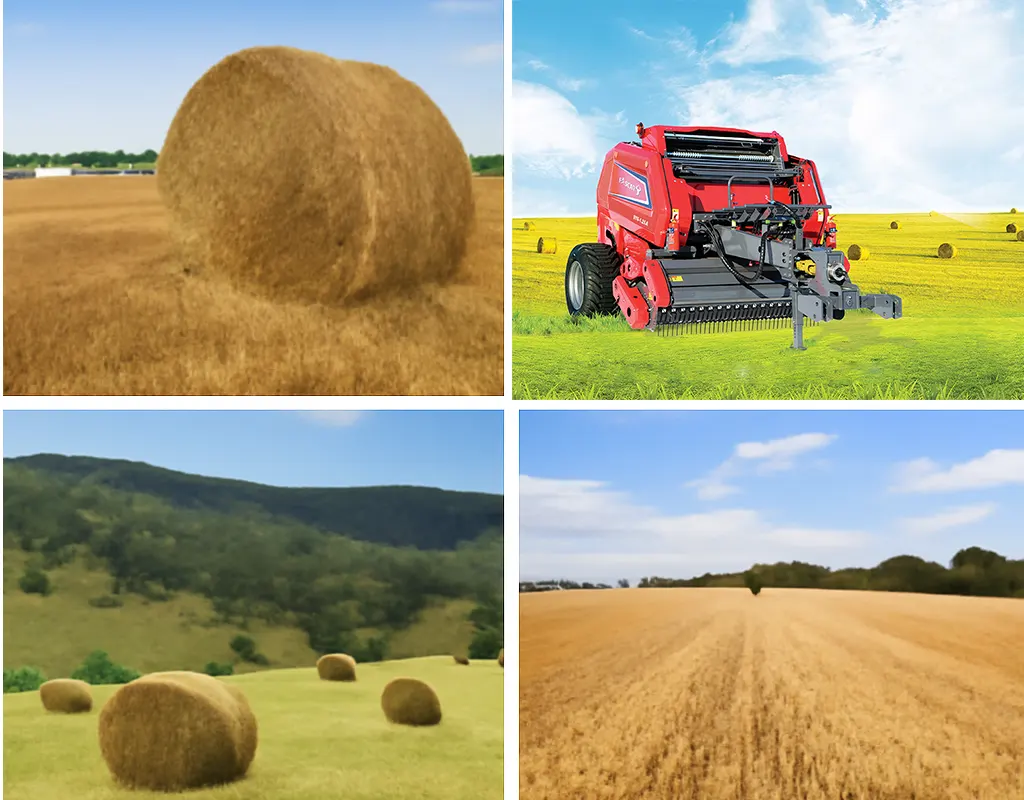
Balyalama sırasındaki ürün nemi, silaj kalitesinde en önemli değişkendir; aşılayıcı seçimi, sargı tabakası sayısı veya kontrol edebileceğiniz diğer herhangi bir faktörden daha etkilidir. Yuvarlak balya silajı için nem aralığı, yaklaşık bir değer değil, kasıtlı bir hedeftir. Bu aralığın her iki tarafında da, silaj sistemi tahmin edilebilir şekillerde başarısız olur.
| Mahsul | Optimum nem aralığı | Çok kuru olursa ne olur? ( | Çok ıslak olursa (>maksimum) ne olur? |
|---|---|---|---|
| Yonca silajı | 40–55% nem | Yavaş, eksik fermantasyon; pH 5,0'ın üzerinde kalır; açıldığında aerobik ısınma meydana gelir. | Clostridial fermantasyon; bütirik asit; amonyak; düşük lezzet; Listeria riski |
| Çim silajı (meyve bahçesi otu, çayır otu) | 40–60% nem | Yonca ile aynı; otun tamponlama kapasitesi daha düşük olduğundan biraz daha geniş bir aralıkta tolerans gösterir. | Balya tabanından sızan atık su; çevresel ve kalite kayıpları |
| Çavdar / küçük taneli tahıl silajı | 45–60% nem | Yüksek tamponlama kapasitesi, çavdarın 45%'nin altında asitlenmesini yavaşlatır; düşük nemde aşılayıcı daha kritiktir. | Atık su; kirlenmiş gövdelerde Listeria bulunma olasılığı |
| Mısır sapı silajı | 50–65% nem | Saplar sonbaharda hızla 50%'nin altına kurur; hasattan hemen sonra balyalayın, böylece hasat dönemini kaçırmazsınız. | Hasat sonrası saplar nadiren çok ıslak olur; balyalama işleminden önce tarlanın yağmurla tekrar ıslanıp ıslanmadığını kontrol edin. |
Yuvarlak balya makinelerindeki nem probları, balya girişinde mahsulün nemini ölçer; bu tek noktalı okuma, silaj yığınındaki nem değişiminin tamamını temsil etmeyebilir. Doğru silaj nemi değerlendirmesi için, silaj yığınının genişliği boyunca farklı yanal konumlardan (sadece merkezden değil) 5 adet örnek alın ve okumaların ortalamasını alın. Silaj yığınındaki nem, yanal olarak %3-8 oranında değişir ve güneşte kurutulmuş koşullarda genellikle merkez kenarlardan daha nemlidir.
Nem ölçeriniz yoksa, manuel sıkma testi makul bir saha tahmini yöntemidir: Bir avuç solmuş ürünü alın ve 10 saniye boyunca sıkıca sıkın. -50 nemde, avucunuzda meyve suyu belirir ancak damlamaz. -65 nemde, parmaklarınızın arasından meyve suyu damlar. 'in altında nemde ise meyve suyu görünmez ve malzeme dokunulduğunda kuru hissedilir. Bu sadece kaba bir tahmindir; ticari silaj üretimi için mutlaka nem ölçer kullanın.
Silaj için Balya Yoğunluğu: Daha Yüksek Daha İyidir — Belli Bir Noktaya Kadar
Yuvarlak balya silajı için yoğunluk ayarı, kuru samana göre daha yüksek olmalıdır; bunun nedeni balya ağırlığı değil, yoğun balyaların sarılma sırasında daha az artık hava hacmine sahip olmasıdır. Daha düşük hava hacmi, balyanın artık oksijeninin erken aerobik fazda daha hızlı tüketilmesi ve anaerobik fermantasyon ortamının daha hızlı ve eksiksiz bir şekilde kurulması anlamına gelir. Yuvarlak balya silajı yoğunluk seviyelerini karşılaştıran araştırmalar, daha yoğun balyaların daha kısa sürede daha düşük nihai pH değerine kadar fermente olduğunu tutarlı bir şekilde göstermektedir.
Maksimum pratik yoğunluk, artık hava hacmini en aza indirir; en hızlı oksijen tükenmesini sağlar; 14 günde en düşük pH değerini elde eder. Ayrıca depolama, istifleme ve taşıma için en istikrarlı balya şeklini oluşturur. Yoğunluğu, motorun sık sık zorlanmadan çalışabileceği en yüksek seviyede ayarlayın.
Maksimum yoğunlukta çok ıslak ürünler, balya içinde hidrolik bir ortam oluşturur; sıkıştırma altında açığa çıkan sıvı tahliye edilemez ve balya tabanında birikerek atık sıvıyı yoğunlaştırır. 60%'nin üzerindeki nemde, yoğunlukta hafif bir azalma (maksimumun 75-80%'si), atık sıvı üretimini ve buna bağlı olarak tabandan kaynaklanan kuru madde ve besin kaybını azaltır.
Aşılayıcı Seçimi ve Uygulaması: Eklediğiniz Bakteriler Doğal Popülasyonlardan Daha İyi Performans Gösterdiğinde

Silaj aşılayıcıları, balyalanacak ürüne belirli LAB suşlarının yoğunlaştırılmış popülasyonlarını ekleyerek, bitki yüzeyindeki doğal LAB popülasyonunu destekler veya baskın hale getirir. Fayda, doğal LAB popülasyonlarının düşük olduğu durumlarda (yüzeydeki bakteri sayısını azaltan sıcak, kuru koşullar), ürünün yüksek tamponlama kapasitesine sahip olduğu durumlarda (yonca, baklagil ağırlıklı karışımlar) ve kararlı pH'a ulaşmak için daha fazla asit gerektirdiğinde veya balyanın uzun günler boyunca yavaşça besleneceği durumlarda (sadece hızlı pH düşüşü yerine besleme sırasında aerobik stabilite gerektirdiğinde) en belirgindir.
Sadece laktik asit üretir. Hızlı pH düşüşü; mükemmel fermantasyon verimliliği. Birincil hedef hızlı, tam ve stabil pH'a ulaşan fermantasyon olduğunda en iyi seçimdir. Yonca ve yüksek tamponlama kapasitesine sahip bitkiler için kullanılır. Besleme aşamasında aerobik stabilitenin öncelikli olduğu durumlarda ideal değildir - maya büyümesini etkili bir şekilde baskılamazlar.
Hem laktik asit hem de asetik asit üretir. Homofermentatif suşlara göre pH düşüşü daha yavaştır, ancak üretilen asetik asit maya büyümesini aktif olarak baskılar ve balya açıldığında aerobik stabiliteyi önemli ölçüde artırır. Birden fazla gün boyunca beslenen balyalar, sıcak iklimlerdeki silaj balyaları veya açılışta ısınmanın sürekli bir sorun olduğu herhangi bir işlem için en iyi seçimdir. Geliştirilmiş aerobik stabilite, çoğu yuvarlak balya silaj senaryosunda biraz daha yavaş fermantasyondan genellikle daha önemlidir.
Karıştırılmış aşılayıcılar, aktif fermantasyon fazında homofermentatif suşların hızlı pH düşüşünü ve yemleme aşamasında heterofermentatif suşların aerobik stabilite avantajlarını sağlar. Bu, tek bir ürünün birden fazla ürün türü ve mevsimsel koşulda performans göstermesi gereken yuvarlak balya silaj programları için en çok yönlü seçenektir. Genellikle genel yuvarlak balya silaj kullanımı için en yaygın olarak önerilen kategoridir.
Uygulama yöntemi, ürün seçimi kadar önemlidir. Aşılayıcılar, paketlemeden önce veya paketleme sırasında ürünle temas etmelidir; paketlemeden sonra değil. Ürün kamyonete girerken sıvı aşılayıcıyı uygulayan kabin içi püskürtme sistemleri, aşılayıcının dış yüzeyde yoğunlaşmak yerine ürün kütlesinin tamamına dağılmasını sağladığı için en etkili uygulama yöntemidir. Sıvı sistemlerin mevcut olmadığı durumlarda, balyalamadan önce yığına uygulanan kuru granül aşılayıcılar bir alternatiftir. Tam aşılayıcı ürün karşılaştırması, maliyet-fayda analizi ve uygulama oranı önerileri için bakınız. silaj aşılayıcıları seçim kılavuzu.
Sarma Katman Sayısı: Minimum 4 Katmanın Rastgele Olmaması Nedenleri
Yuvarlak balya silajı için minimum sarma katmanı önerisi (çoğu koşul için 50% örtüşme ile 4 katman, yüksek nemli veya uzun süreli depolama balyaları için 6 katman), streç film ürünlerinin oksijen geçirgenlik oranı (OTR) testlerinden elde edilmiştir. Standart 25 mikronluk streç filmin her katmanı, oksijen transferini yaklaşık olarak yarıya indirir. 50% örtüşme ile dört katman, balya yüzeyindeki herhangi bir noktada 8 etkili katman oluşturur (çünkü 50% örtüşme, her noktanın iki geçişle kaplandığı anlamına gelir). 50% örtüşme ile altı katman ise 12 etkili katman oluşturur.
| Senaryo | Minimum katmanlar | Örtüşme % | Belirtme nedeni |
|---|---|---|---|
| Standart silaj, 6 aydan kısa süre saklanabilir. | 4 | 50% | Temel OTR değeri, ılıman iklimde 6 aylık depolama için yeterlidir. |
| Yüksek nemli ürün (>55%), herhangi bir süre | 6 | 50% | Daha aktif fermantasyon gazları daha güçlü film bariyeri gerektirir; film üzerinde daha büyük genleşme gerilimi oluşur. |
| Uzun süreli depolama (>9 ay), dış mekan | 6 | 50% | Uzun süreli depolama sırasında UV bozulması filmin OTR performansını düşürür; ek katmanlar bunu telafi eder. |
| Alt katman olarak file sargı + üst katman olarak film sargı | 4 film katmanı | 50% | Ağ sargısı şekil desteği sağlar; film ise anaerobik sızdırmazlık sağlar. Ağ alt katman olduğunda 4 kat film yeterlidir. |
| Balyalar mızrakla (>2 kez) taşındı. | 6 | 55–60% | Her mızrak batması bir giriş noktası oluşturur; ek katmanlar ve örtüşme, batma noktaları etrafında yedeklilik yaratır. |
Film seçimi — kalınlık, UV stabilizasyon sınıfı, yapışma seviyesi ve ön germe oranı — hem katman başına OTR performansını hem de balya başına maliyeti doğrudan etkiler. Film özelliklerinin ve bunları doğru şekilde uygulayan paketleme makinesi konfigürasyonlarının tam karşılaştırması şurada yer almaktadır: yuvarlak balya sarma kılavuzuSıralı ve ayrı sarma makinelerinin PTO şaftı ve dişli kutusu özelliklerine ilişkin olarak, farklı balya ağırlıklarında sarma performansını belirleyen tork ve hız değerleri aşağıdaki bölümde ele alınmıştır. tarımsal şanzıman ve PTO tahrik sistemi bileşenlerinin özellikleri.
2 Saatlik Süre Sınırı: Neden Uzatılamaz?
Balya oluşumu ile ilk film tabakasının uygulanması arasındaki her dakika, balya yüzeyinin oksijene maruz kaldığı ve aerobik organizmaların fermente edilebilir substratı tükettiği bir dakikadır. Araştırmalar, balyalama işleminden sonraki 2 saat içinde ambalajlamanın, 4 saat sonra ambalajlamaya kıyasla toplam kuru madde kaybını %2-3, 8 saat sonra ambalajlamaya kıyasla ise %5-8 oranında azalttığını sürekli olarak göstermektedir. 2 saatlik hedef bir kılavuz değil, aşılması durumunda gerçek bir maliyeti olan, niceliksel olarak belirlenmiş bir kalite eşiğidir.
Aerobik yüzey kaybı minimum düzeydedir; LAB popülasyonu aktiftir ve kapatıldıktan hemen sonra anaerobik fermantasyona geçmeye hazırdır. Bu, üretim standardıdır.
Sadece serin koşullarda (60°F'nin altında) kabul edilebilir. Aerobik yüzey kaybı sıcaklıkla birlikte üstel olarak hızlanmaya başlar; aerobik organizmalarla rekabet eden yüzey LAB popülasyonunu telafi etmek için aşılayıcı kullanımı daha önemli hale gelir.
Ölçülebilir kalite kaybı. Maya popülasyonu 21°C'de her 3-4 saatte bir ikiye katlanır. Sıcak havalarda 6-8 saat içinde, balya yüzeyinde önemli miktarda maya birikimi olur ve bu da son fermantasyon dengesi besleme sırasında bozulduğunda hızlı ısınmaya neden olur. Kısmen telafi etmek için sargı katmanlarını 6'ya çıkarın.
Pratik çıkarımlar: Balya makinesinin 2 saat içinde işleyebileceğinden daha fazla silajı asla günde balyalamayın. Eğer balya makinesi saatte 14 balya yapıyorsa ve paketleme makinesi saatte 8 balya işliyorsa, en eski balyalar paketlenmeden önce 2 saatten fazla bekleyecektir. Doğru çözüm, ya balya makinesinin hızını yavaşlatmak ya da iki paketleme makinesi kullanmaktır; paketleme gecikmesini kabul etmemektir.
Silaj Kalitesi Sorunları: Teşhis ve Sonraki Biçimde Giderilecek Çözümler
Silaj Balya Üretimi Hakkında Sıkça Sorulan Sorular
Silaj Balya Programınız İçin Balya Makinesi Yapılandırmasını Edinin
Silaj ürününüzü, hedef nem aralığınızı ve günlük balya hacminizi bize bildirin. Makineniz gönderilmeden önce yoğunluk ayarını, bıçak kullanım önerisini ve sarma özelliklerini onaylıyoruz.
Editör: Cxm


