Why the Time Between Baling and Wrapping Determines Silage Quality
A freshly baled round bale of haylage at 50% moisture contains an active biological community — plant cells, aerobic bacteria, yeasts, and mold spores — all of which are consuming the water-soluble carbohydrates (WSC) that are the primary energy source and the substrate for lactic acid fermentation. During the aerobic phase (before oxygen is excluded by wrapping), this biological activity produces heat, CO₂, and water while burning the sugars that the lactic acid bacteria need for fermentation. Every minute between baling and wrapping is a period of energy loss from the crop and a reduction in the WSC available for quality fermentation after wrapping.
0.5–1.5%
Dry matter loss per hour during aerobic exposure in freshly baled haylage at 50% moisture and 70°F — meaning a bale sitting 3 hours before wrapping has already lost 1.5–4.5% of its DM before fermentation even begins
2× higher
Rate of aerobic DM loss at 90°F ambient temperature compared to 60°F — making hot summer baleage operations significantly more time-critical than cool-weather spring or fall baleage
$180–$300
Estimated economic value per ton of DM in dairy-quality haylage — meaning a 4% DM loss from a 2-hour delay before wrapping costs $7–$12 per bale, making system choice an economic decision, not just a convenience choice
| Delay before wrapping |
Estimated DM loss (70°F) |
Cost at $250/ton DM (per bale) |
Fermentation quality impact |
| Immediate (combo system) |
<1% |
<$1 |
Maximum WSC available for lactic acid fermentation; best pH drop |
| 15–30 min (good inline) |
1–2% |
$1–$4 |
Acceptable for most operations; minor quality penalty |
| 1–2 hours (typical satellite) |
3–6% |
$6–$12 |
Significant WSC loss; slower pH drop; higher risk of secondary fermentation |
| 3–6 hours (transport + delay) |
8–15% |
$16–$30 |
Serious quality loss; poor fermentation likely; heating and mold risk post-feedout |
The biological mechanism that makes speed matter: Fresh forage contains 4–20% WSC on a DM basis. Lactic acid bacteria (LAB) require a WSC minimum of 3–4% to achieve the rapid pH drop that suppresses spoilage organisms and stabilizes silage. Aerobic bacteria and yeasts during the pre-wrapping window consume WSC at 2–4× the rate that LAB can use it once anaerobic conditions are established. A bale that enters wrapping with only 3% WSC remaining — depleted by extended aerobic exposure — produces a slow, incomplete fermentation that never achieves pH below 4.8, leaving the baleage vulnerable to yeast-driven aerobic instability at feedout. The inoculant selection that helps overcome depleted WSC in unavoidably delayed baleage is covered in the
silage inoculant selection and cost-benefit guide.
The Three System Configurations: Throughput, Cost, and Oxygen Exposure Compared
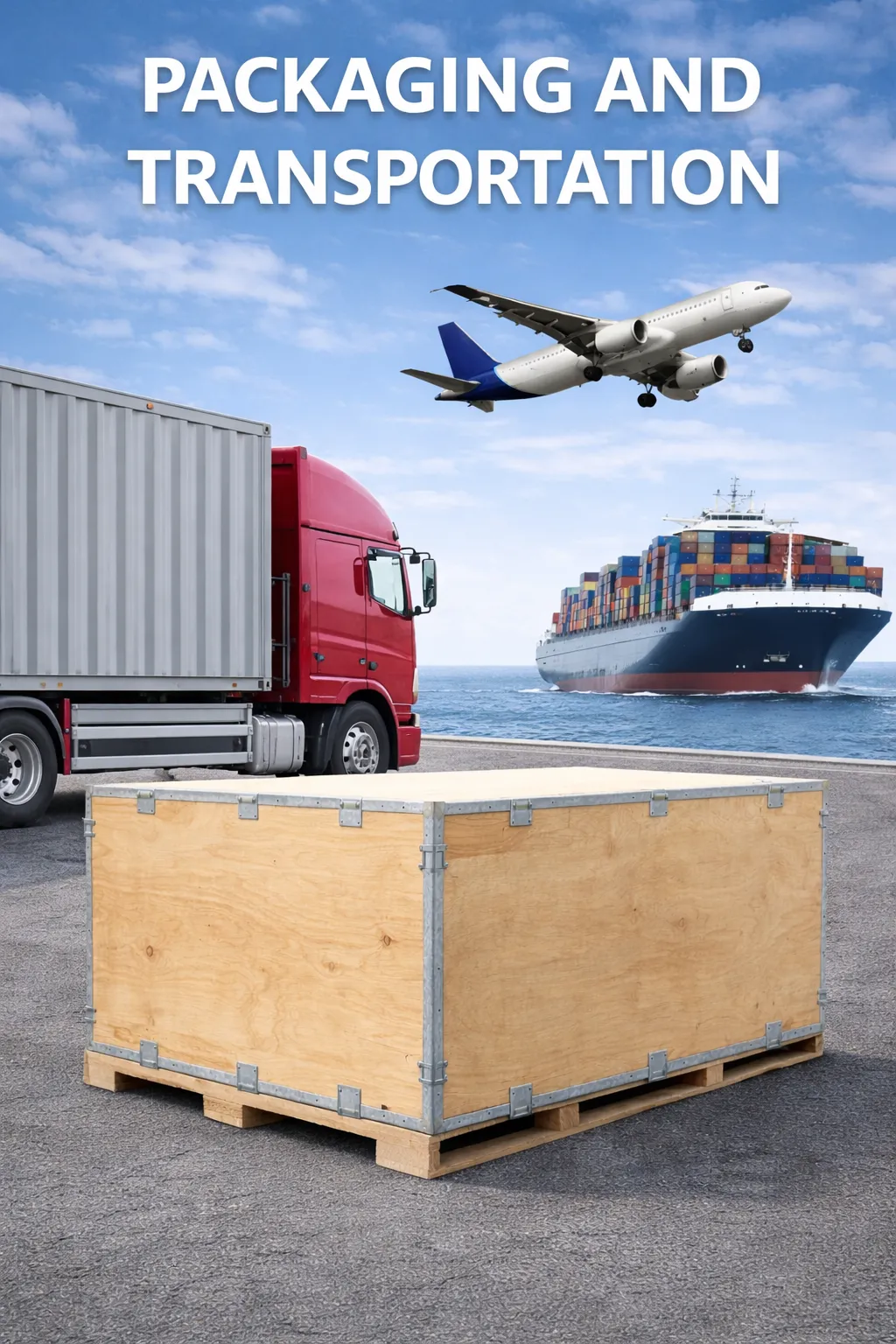
Three distinct equipment configurations are used for baleage production in the United States, each representing a different engineering approach to the aerobic exposure problem. Understanding what each system is designed to achieve — not just what it costs — is the foundation of the system selection decision.
SYSTEM 1: Combination Baler-Wrapper (Single Pass)
Oxygen exposure: Near-zero — wrapping begins while bale is completing formation
Throughput: 40–70 bales/hour on flat terrain
Capital cost: $40,000–$80,000 new
PTO HP required: 100–200 HP depending on model
Operators needed: 1 (single tractor)
The combo system solves the aerobic exposure problem completely by making wrapping a physical extension of the baling process. The tractor moves continuously through the field; the machine bales, wraps, and deposits the sealed bale without the operator stopping. This operational continuity makes the combo system ideal for weather-sensitive baleage operations where maximizing wrapping speed during a rain window is paramount. The limitation: if either the baling mechanism or the wrapping mechanism experiences a problem, the entire operation stops.
SYSTEM 2: Inline Bale Wrapper (Two-Machine Sequential)
Oxygen exposure: 10–30 minutes (operator-dependent)
Throughput: Matches baler output if wrapper stays ahead
Capital cost: $20,000–$45,000 (wrapper only; baler separate)
PTO HP required: 50–90 HP for wrapper tractor
Operators needed: 2 (one per machine)
Inline wrappers pick up bales as they are deposited by the baler and wrap them at the field edge or alongside the windrow. When the two-machine system is properly choreographed — wrapper staying within 3–5 bales behind the baler — oxygen exposure is limited to the transit time between machines. The inline system allows independent maintenance and service of each machine, and a breakdown in the wrapper does not force the baler to stop if temporary bale storage is available.
SYSTEM 3: Satellite/Individual Wrapper (Transport + Wrap)
Oxygen exposure: 1–6+ hours (depends on transport time)
Throughput: Limited by transport speed and handling logistics
Capital cost: $8,000–$20,000 (wrapper only)
PTO HP required: 30–60 HP for smaller models
Operators needed: 1–2 (baler + wrapper, may share one tractor)
The satellite system transports bales from the field to a central wrapping location — typically a farmyard, headland, or designated wrapping area. The quality trade-off is highest in this system, but the capital access trade-off is lowest. For operations new to baleage, smaller herds, or operations where bale handling logistics make a central wrapping point practical, the satellite system is a viable entry point. The critical management protocol: wrap within 2 hours of baling regardless of what else requires attention on busy harvest days.
Combination Baler-Wrapper: Who It’s Right For — and Who It Isn’t
The combo system’s compelling quality advantage — essentially zero aerobic exposure — attracts dairy operations and premium silage producers, but the system requires a specific operational context to deliver its full benefit. Producers who purchase a combo system for an operation that doesn’t match its design parameters often find themselves paying for quality they can’t fully capture.
Combo system is right when:
- Operation produces 200+ baleage bales annually
- Dairy herd requires maximum fermentation quality
- Labor is limited (one operator per operation)
- Weather windows are narrow and unpredictable
- Crops are high-WSC and fermentation-sensitive (fresh-cut alfalfa, high-sugar grasses)
- Capital is available for single high-value equipment investment
Combo system is not right when:
- Terrain has significant slope or rough ground (wrapping quality is terrain-dependent)
- Operation produces under 150 bales/year (capital cost is difficult to amortize)
- Breakdown tolerance is low (one machine failure stops everything)
- Mixed hay/baleage operation where dedicated combo use is seasonal only
- Custom baling service with variable field distances (combo is inefficient when moving between client fields)
Separate Wrapper Systems: Inline vs Satellite — The Practical Decision
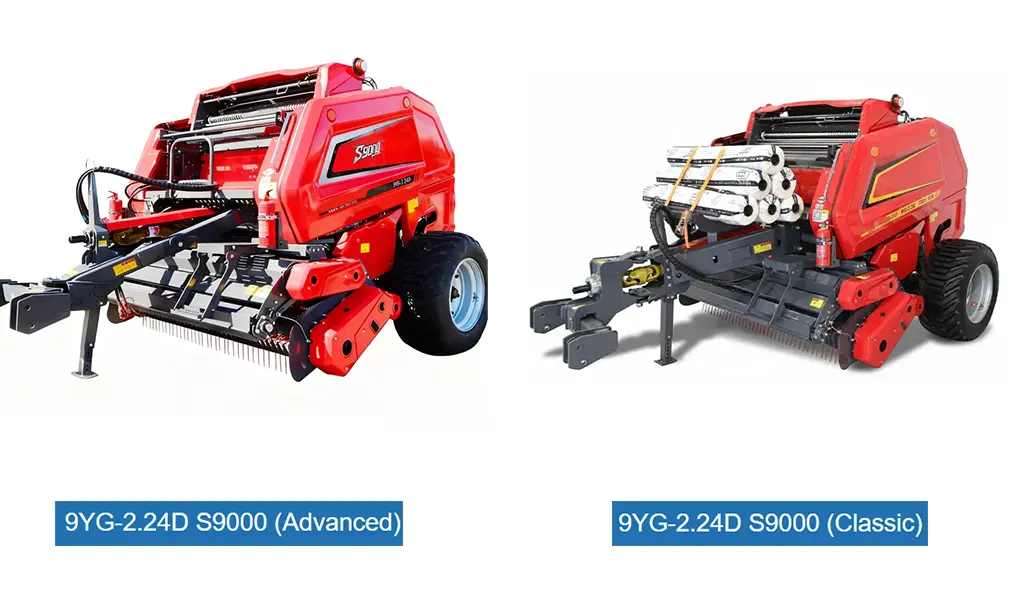
For the majority of U.S. baleage producers — those who don’t have the volume to justify a combo system or who prioritize operational flexibility — the choice is between inline and satellite wrapping. The two systems differ in their quality outcome, logistics, and the management discipline they require. Either can produce excellent baleage; the difference is in how much that quality depends on operational execution.
INLINE VS SATELLITE — DECISION-RELEVANT COMPARISON
Oxygen exposure
Inline: 10–30 minutes when wrapper tracks baler closely. Satellite: 1–6+ hours depending on transport logistics. Inline is significantly superior in quality-sensitive situations.
Terrain requirements
Inline: Requires relatively even terrain for stable bale pickup; hillside fields create tilted bale pickup that can distort film application. Satellite: Wrapper operates at the chosen central location; field terrain is irrelevant to wrapping quality.
Operator requirement
Inline: Two machines operating simultaneously requires two operators or one operator who stops the baler to move the wrapper forward periodically (reducing effective throughput). Satellite: Can be operated with a single tractor in relay — bale, transport to wrapper, wrap — but this significantly extends total cycle time.
Capital cost
Inline: $20,000–$45,000 new for the wrapper (plus existing baler). Satellite: $8,000–$20,000 new for basic models. The satellite’s lower capital cost is offset by lower quality outcome; the inline’s higher cost is justified when baleage quality directly affects milk production or premium herd performance.
Best application
Inline: Dairy haylage, high-WSC grass silage, operations with labor to run two machines simultaneously. Satellite: Beef operation grass baleage, low-WSC mature forage, operations new to baleage, operations where central wrapping location reduces handling costs.
Film Layers: The Science Behind 4, 6, and 8 Wraps
Stretch film applied to baleage bales creates an oxygen barrier through a combination of film thickness, adhesion between layers, and the pre-stretch ratio during application. The number of film layers is the most directly controllable variable in baleage quality after oxygen exposure time, and it is also one of the most commonly under-specified — producers who apply 4 layers and expect 12-month storage are setting up for aerobic spoilage without understanding why.
4 layers — minimum standard
Adequate for: 3–6 month storage in favorable conditions (no puncture risk, cool storage, low-WSC mature grass). Not appropriate for: dairy-quality haylage, long-term storage, high-puncture-risk storage areas (stubble, gravel, rocky ground), or crops with high DM loss potential (alfalfa, red clover). Cost: approximately $6–$10 per bale in standard film. Film cost at this tier is the lowest of any quality-appropriate option.
6 layers — dairy standard
Appropriate for: most dairy haylage operations targeting 6–12 month storage. The additional 2 layers reduce oxygen permeability by approximately 40% relative to 4-layer film, significantly improving fermentation stability and resistance to aerobic deterioration at feedout. Provides meaningful puncture tolerance improvement. Cost: approximately $9–$15 per bale. Most dairy nutritionists specify a minimum 6-layer film for haylage in their supplier agreements.
8 layers — long-term and high-risk
Appropriate for: 12+ month storage targets, high-risk storage environments (outdoor storage on stubble or gravel), legume-dominant crops with high heating potential, or baleage from operations with history of aerobic instability. Cost: $12–$20 per bale. The marginal additional film cost vs 6 layers ($3–$8/bale) is often justified when considering the cost of a spoiled bale from puncture or oxygen infiltration ($50–$150 DM loss value) relative to the insurance value of the extra film barrier.
Pre-stretch ratio matters as much as layer count: Film applied at 70% pre-stretch (the minimum adequate standard) produces a thinner film per layer than film applied at 150–180% pre-stretch. A bale wrapped with 4 layers at 150% pre-stretch has a better oxygen barrier than the same bale with 4 layers at 70% pre-stretch because the higher stretch improves film density and inter-layer adhesion. Most modern commercial wrappers operate at 70–170% pre-stretch; verify your machine’s setting before calculating layer adequacy. For detailed silage wrapping and fermentation quality standards, see the
high-quality silage bale production guide.
Maintenance Comparison: What Each System Costs to Keep Running
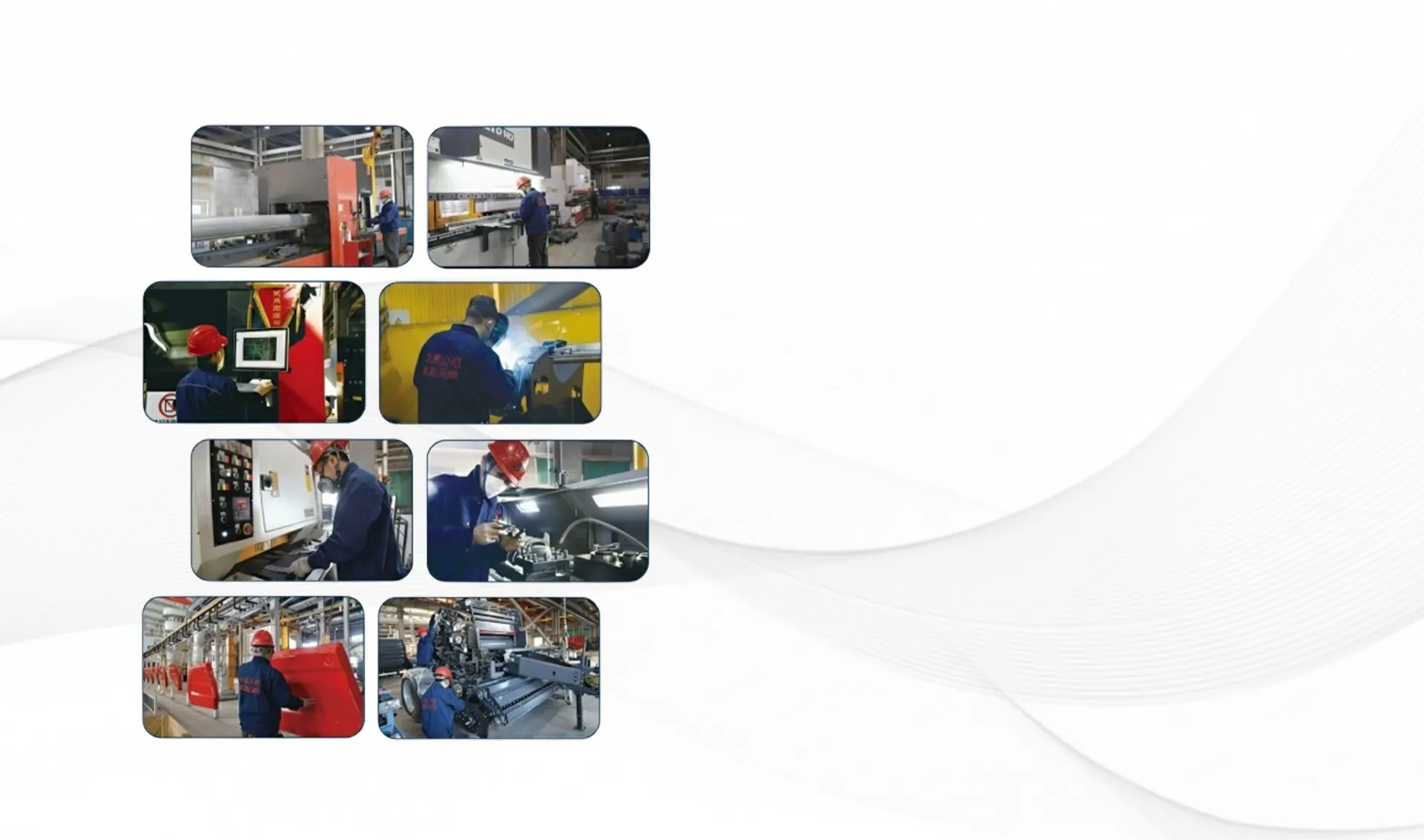
The total cost of ownership for each system extends beyond purchase price to annual maintenance costs, downtime risk, and the cost of quality failures from equipment problems during baleage season. A system comparison that focuses only on purchase price misses the operational cost variables that often differentiate systems more meaningfully over a 10-year ownership period.
Combo system maintenance profile
Single annual service event for both baling and wrapping mechanisms; lower total labor time for maintenance than two-machine systems. Annual service cost typically $800–$1,800 including wrap arm bearings, pickup teeth, bale chamber rollers, and hydraulic service for the wrapping system. The critical risk: wrapper component failure (film dispenser, rotating arm bearing, or film tension mechanism) during peak baleage season results in complete operational shutdown until repaired. Carry common wear items (film dispensers, arm bearings) in the farm inventory during season. PTO driveline specifications and torque requirements for the combined baling and wrapping mechanism are in agricultural gearbox and PTO driveline component specifications.
Separate system maintenance profile
Two separate service schedules — baler (annual, typically $600–$1,400) and wrapper (every 2–3 years for basic models, $200–$500). Total maintenance cost is slightly higher than combo but the two machines can be serviced independently. If the wrapper breaks during baleage season, baling can continue while the wrapper is repaired — bales must be wrapped within 2 hours maximum, requiring temporary storage management, but the operation is not completely stopped. For inline wrappers operating under high throughput, rotating arm bearing replacement every 150,000–200,000 cycles is the primary wear item.
Film cost — the ongoing variable
Film cost is independent of wrapper type but highly sensitive to layer count and film quality. At 6 layers and 500 bales/year: approximately 3,000 film roll-equivalents annually. Commodity stretch film: $0.90–$1.50/bale/layer = $5.40–$9.00/bale at 6 layers. Premium UV-stabilized film: $1.20–$2.00/bale/layer = $7.20–$12.00/bale. Total annual film cost at 500 bales: $2,700–$6,000 depending on film choice. Film cost is a fixed operating cost for every system and should be built into the per-ton DM cost calculation for all three system comparisons.
ROI Analysis: When Each System’s Numbers Work
The economic case for each system depends on baleage volume, DM value per ton, and the quality premium captured from improved fermentation. The analysis below uses a baseline dairy-quality haylage scenario at 500 bales/year — adjust proportionally for different volumes.
| Cost factor |
Combo system |
Inline wrapper |
Satellite wrapper |
| Purchase cost (new) |
$60,000 |
$35,000 (wrapper only) |
$14,000 (wrapper only) |
| Annual capital cost (10yr amortized) |
$6,000/yr |
$3,500/yr |
$1,400/yr |
| Annual maintenance cost |
$1,200/yr |
$800/yr |
$300/yr |
| Annual film cost (500 bales, 6 layers) |
$3,500 |
$3,500 |
$3,500 |
| Annual DM loss cost (500 bales) |
$500 (1% DM loss) |
$1,500 (3% DM loss) |
$5,000 (8–10% DM loss) |
| Total annual system cost |
$11,200 |
$9,300 |
$10,200 |
The analysis reveals a counter-intuitive conclusion: The satellite system — the lowest capital cost option — is not the lowest total annual cost option when DM losses are properly valued. At 500 bales/year at dairy quality, the satellite system’s high DM loss cost ($5,000/year) makes it more expensive to operate than either the combo or inline system despite its lower capital investment. The inline system has the lowest total annual cost at moderate volume. The combo system approaches the inline’s cost when its quality advantage — preserving higher DM → more sold per bale at premium prices — is credited at $250/ton haylage value.
Choosing Your System: Decision Framework by Operation Type
The right system is not the best system in the abstract — it is the best system for your specific combination of volume, herd type, labor, capital, and terrain. The decision matrix below converts the analysis above into a direct recommendation for the five most common baleage producer profiles.
D
Dairy operation — 300+ cows, 500+ baleage bales/year
→ Combo system or Inline with two-operator protocol. DM quality premium justifies capital. Oxygen exposure is a measurable milk production factor at this scale.
B
Beef operation — 100–300 head, 150–400 baleage bales/year
→ Inline wrapper. Adequate oxygen control for beef-quality baleage; capital cost amortized across 150+ bales/year; two-operator logistics manageable. See our round baler models with inline wrapper compatibility.
S
Small operation — under 50 head, under 100 baleage bales/year
→ Satellite wrapper with strict 2-hour protocol. Capital cost is proportional; DM loss is acceptable for beef maintenance baleage; central wrapping location simplifies logistics for small acreage.
C
Custom baling service — variable clients, 500+ total baleage bales
→ Inline wrapper. Combo systems are inefficient when moving between client fields; inline wrapper provides quality improvement without the terrain sensitivity of the combo; client-owned satellite wrappers can supplement for clients who prioritize DM preservation.
N
New to baleage — first year, under 100 bales planned
→ Satellite wrapper (entry-level). Minimize capital commitment for the learning year; establish wrapping protocol before investing in faster systems; evaluate actual volume and quality requirements after the first season before upgrading. The wrapper selection criteria for different operation sizes are in the round bale wrapper selection guide.
Baleage System FAQs
Can I use a standard round baler for baleage, or do I need a silage-specific model?+
Most modern round balers can produce baleage with good results, but silage-designated or “silage pack” models have specific design differences that improve baleage quality. Silage-spec balers typically feature: closer-tolerance bale chamber sealing to minimize air retention in the formed bale; smoother roller surfaces that compress the bale more uniformly without creating internal air channels; and net wrap systems calibrated for the slippery, wet surface of baleage bales. Standard balers produce usable baleage but may leave more interstitial air in the bale that extends the aerobic phase even after wrapping. For dairy-quality haylage where maximum fermentation quality is required, a silage-designated model is worth the incremental investment. For beef-quality grass baleage, a standard baler with good technique (tight bale formation, immediate wrapping) produces acceptable results. Check with your baler manufacturer whether your specific model is rated for silage use and what modifications (if any) improve silage performance.
What is the minimum moisture content for making good baleage?+
The practical minimum for reliable fermentation is 40% moisture (60% DM). At 35–40% moisture, the bale contains enough water to support fermentation but the process is slower and less complete than at 45–55% moisture. The risk of baling too dry (below 35% moisture) is that aerobic organisms can continue metabolizing under the film much longer than at higher moisture — creating heat and DM loss inside the wrapped bale for 2–4 weeks rather than the normal 1–2 days at higher moisture. The ideal moisture range for baleage is 40–65%, with 45–55% being the optimum for most crops. Above 65% moisture, fermentation is often too acidic and results in effluent losses from the bale as liquid seeps through the film wrapping. A secondary risk at very high moisture: heavy bales at 70%+ moisture can physically deform the wrapped bale during storage, creating film separation at stress points and allowing air infiltration. Measure baleage moisture with the same long-probe insertion meter used for dry hay — anything above 30% on the moisture meter qualifies as baleage territory; anything below indicates dry hay quality.
How long can baleage be stored before it deteriorates?+
Well-made baleage with 6+ film layers, properly fermented, and stored away from direct sunlight and physical damage can maintain quality for 18–24 months. Practical targets: 4-layer baleage for use within 6 months; 6-layer baleage for use within 12 months; 8-layer baleage for storage through 18+ months. UV degradation of the stretch film is the primary time-limiting factor for outdoor-stored baleage — most commercial stretch films are UV-stabilized to provide 12–18 months of outdoor exposure resistance, but this rating assumes intact film without punctures or damage. Any puncture that introduces oxygen effectively stops the clock and begins aerobic deterioration at that location. Inspect stored baleage monthly for punctures and repair immediately with additional stretch film. Baleage stored in buildings or under cover can exceed these timelines because UV degradation is eliminated; the limiting factor becomes the quality of the initial fermentation, not the film.
Can alfalfa be made into baleage, or is it only for grass?+
Alfalfa baleage is widely produced and is a practical alternative to dry alfalfa hay in humid climates where achieving 14–16% moisture dry hay is consistently difficult. The challenge with alfalfa baleage is its low WSC content (typically 8–12% of DM) compared to grasses (15–25% of DM). Alfalfa’s high protein content buffers against pH decline during fermentation — the high protein-buffering capacity means alfalfa baleage achieves a final pH of 4.5–5.2 rather than the 3.8–4.2 typical for grass baleage. This higher pH makes alfalfa baleage more susceptible to aerobic instability at feedout, particularly in warm weather. Management responses: use a heterofermentative silage inoculant containing L. buchneri, which specifically improves aerobic stability at feedout; increase film layers to 6–8 for alfalfa baleage; and ensure oxygen exposure before wrapping is minimized — the short aerobic window recommendation applies more critically to alfalfa than to grasses. Despite these challenges, alfalfa baleage is used extensively in Northeast dairy operations where summer humidity makes dry hay risky.
What happens when a baleage bale gets punctured during storage?+
A puncture that allows oxygen entry into a sealed baleage bale initiates aerobic deterioration at the puncture point. Aerobic yeasts and molds begin consuming lactic acid (the preservative that was maintaining stability) and producing heat within 24–48 hours of air exposure. The deterioration spreads outward from the puncture at approximately 1–2 inches per day under warm conditions. A small puncture (nail hole, wire injury) caught and repaired within 24 hours causes minimal quality loss — repair by clean-drying the area and applying 2–3 layers of fresh stretch film in an 18-inch radius around the puncture, pressed firmly to eliminate air channels. A puncture undiscovered for 7–10 days may have affected 50–100 lbs of deteriorated material around the entry point. When feeding out a bale with known puncture damage, feed the damaged section first rather than last; the deteriorated material at the puncture point will be warm, discolored, and have an acrid rather than pleasant silage smell — remove and discard this section rather than feeding it to livestock. Dairy cows will typically refuse severely deteriorated baleage; beef cattle may consume it with reduced performance and risk of mycotoxin exposure from mold growth in the deteriorated zone.
Is a used bale wrapper a reasonable purchase, or should I buy new?+
Used bale wrappers are a reasonable purchase if the key components are assessed before buying: the rotating arm bearings (the primary wear item on orbital wrappers), the film pre-stretch mechanism (should achieve consistent 100–150% pre-stretch without film breaking or slipping), the hydraulic film rotation drive (check for leaks and consistent speed across the full bale circumference), and the bale table or transfer mechanism (should rotate smoothly without wobble that creates film gaps). The most important pre-purchase test: load an actual bale and run the wrapper through a full wrap cycle at the farm before completing the purchase. A wrapper that applies film inconsistently — thin at some points, thick at others — will produce quality problems in the field that are not always visible until feedout. For used combo baler-wrappers, the baling mechanism assessment is the same as for any used round baler. Used inline or satellite wrappers in good mechanical condition frequently offer excellent value at 40–60% of new price when the key components are verified; avoid used wrappers that have been operated for 5+ seasons without records of rotating arm bearing replacement.
Editor: Cxm