
Wie Luzernebestände abnehmen: Was Sie sehen
Der Rückgang von Luzernebeständen ist ein schleichender Prozess – ein plötzliches Zusammenbrechen ist selten, außer bei starkem Wintersterben oder Überschwemmungen. Häufiger lichtet sich ein Bestand über einen Zeitraum von zwei bis fünf Jahren durch eine Kombination aus natürlicher Pflanzensterblichkeit, Krankheitsdruck, Insektenschäden und durch Bewirtschaftungsmaßnahmen beschleunigtem Stress. Das Verständnis der Mechanismen hinter der Bestandsverdünnung ist genauso wichtig wie die Messung der Verdünnung selbst – denn die Mechanismen entscheiden darüber, ob eine Bestandserneuerung gelingt oder ob dasselbe Problem den neuen Bestand bereits vor seiner Etablierung zerstört.
Etablierte Luzerne verliert in den meisten Umgebungen auf natürliche Weise jährlich 10–20¹³ Pflanzen. Ein Bestand, der mit 20 Pflanzen pro Quadratfuß ausgesät wurde, reduziert sich theoretisch bis zum dritten Jahr auf 10–12 und bis zum fünften Jahr auf 6–8 Pflanzen. Dies ist auf die normale Sterblichkeit durch Konkurrenz, Witterungsstress und Wurzelerkrankungen zurückzuführen. Dies entspricht dem normalen Lebenszyklus eines produktiven Bestandes – der Bestand geht nicht ein, sondern entwickelt sich zu einem lichteren Kronendach mit größeren Einzelkronen, die die geringere Pflanzendichte ausgleichen.
Ein wiederholter Schnitt im falschen Wachstumsstadium entfernt die Kohlenhydratreserven der Wurzeln, bevor die Pflanze sie wieder auffüllen kann. Ein wiederholter Schnitt unterhalb von 5–7,5 cm entfernt die wachsenden Kronen anstatt des Stammmaterials. Ein zu später Schnitt im Herbst verhindert eine ausreichende Winterhärte. Jede dieser Maßnahmen beschleunigt das Absterben der Pflanzen über die natürliche Absterberate hinaus. Durch Managementmaßnahmen verursachte Schäden lassen sich beheben – doch eine Sanierung ohne Korrektur der zugrundeliegenden Managementpraktiken führt zu einem neuen Bestand, der aus demselben Grund scheitert.
Wurzelfäule (Phytophthora, Aphanomyces, Fusarium), der Befall mit Luzernerüssler, der im Frühjahr die Wurzelreserven erschöpft, und Stängelälchen können jeweils zu einem Bestandsrückgang führen, der über die natürliche Abnutzung hinausgeht. Krankheitsbedingter Rückgang erzeugt charakteristische visuelle Muster: Pflanzen, die aus der Ferne gesund erscheinen, aber beim Ausgraben dunkle, wässrige Wurzelhälse aufweisen, oder Pflanzen, die plötzlich anstatt allmählich absterben. Schädlingsbedingter Rückgang korreliert mit der Befallshäufigkeit in der Vergangenheit. Diese Probleme erfordern die Auswahl resistenter Sorten und/oder die Verbesserung der Bodendrainage als Teil des Sanierungsplans.
Bestandsbewertung: Die Feldmethode, die weniger als zwei Minuten pro Probenpunkt benötigt.
Die Bestandesbewertung sollte im zeitigen Frühjahr erfolgen, sobald der Bestand die Winterruhe beendet hat. Zu diesem Zeitpunkt ist die durch Winterstress bedingte Pflanzensterblichkeit vollständig sichtbar, und die tatsächliche produktive Pflanzenpopulation kann ermittelt werden, bevor der Bestand optisch durch Unkrautwuchs oder Nachwachsen überlebender Pflanzen verdeckt wird. Eine vollständige Bestandesbewertung umfasst zwei Komponenten: die Pflanzenzählung pro Quadratmeter und die Beurteilung des Wurzelhalszustands.
| Pflanzendichte (pro Quadratfuß) | Standalter / Produktivität | Empfohlene Maßnahmen |
|---|---|---|
| 7–12 Pflanzen | Jahr 1–2 (neuer Stand) | Ausgezeichnet – Einhaltung des Standard-Schnittplans |
| 4–7 Pflanzen | Jahr 3–6 (ausgewachsener Bestand) | Gut – jährlich kontrollieren, Renovierung innerhalb von 2–3 Jahren planen |
| 3–4 Pflanzen | Reifer oder gestresster Stand | Randbereich – Sanierung erforderlich, wenn Unkraut Lücken füllt; Beurteilung des Kronenzustands hinsichtlich der Dringlichkeit |
| Unten 3 Pflanzen | Jedes Alter | Renovierung – ein Bestand kann ohne Renovierung keinen wirtschaftlichen Ertrag bringen. |
Die Ursache des Verfalls diagnostizieren, bevor Sie Ihre Renovierungsstrategie wählen
Die Sanierung ist nur so nachhaltig, wie die Ursache für das Bestandesversagen behoben wird. Die Neusaat eines Bestandes auf unbehandelten pH-Wert-Problemen, mangelhafter Drainage oder nach einer schweren Wurzelerkrankung führt zu einem neuen Bestand, der die Entwicklung des alten Bestandes fortsetzt. Dieser Diagnoseschritt erfordert zwei bis vier Stunden Feldarbeit und Laboranalysen – und entscheidet darüber, ob Ihre Sanierungsinvestition bis zum dritten Jahr überlebt oder bereits im zweiten Jahr scheitert.
Luzerne benötigt einen Boden-pH-Wert von 6,5–7,0 für eine optimale Stickstofffixierung und Mineralstoffverfügbarkeit. Bei einem pH-Wert unter 6,0 werden Aluminium und Mangan löslich und schädigen das Wurzelwachstum. Bei einem pH-Wert unter 5,8 sinkt die Überlebensrate des Rhizobium-Impfstoffs rapide, wodurch die biologische Stickstofffixierung unterbunden wird. Messen Sie den Boden-pH-Wert in 0–15 cm und 15–30 cm Tiefe. Kalk benötigt 6–12 Monate, um vollständig im Boden zu reagieren. Korrigieren Sie den pH-Wert daher mindestens einen Anbauzyklus vor der Neuanpflanzung, um eine vollständige Reaktion auf 6,8 zu gewährleisten.
Phytophthora- und Aphanomyces-Wurzelfäule sind beides bodenbürtige Krankheiten, die in infizierten Böden dauerhaft bestehen bleiben. Sie gedeihen in schlecht drainierten Böden und führen insbesondere im Frühjahr nach nassen Wintern zu einem raschen Absterben von Krone und Wurzeln. Weisen die ausgegrabenen Wurzeln dunkle, wässrige oder fehlende Seitenwurzeln sowie eine schwarze oder braune Rinde auf, die sich vom Zentralzylinder ablöst, handelt es sich um Wurzelfäule. In diesem Fall sollte eine Sorte mit hoher Resistenz gegen den jeweiligen Erreger gewählt werden. Die einzige dauerhafte Lösung ist die Verbesserung der Drainage (z. B. durch Dränagerohre oder Konturierung) in Kombination mit einer resistenten Sorte.
Die Larven der ersten Generation des Luzerne-Rüsselkäfers, die Ende April/Anfang Mai die Triebspitzen des ersten Luzerneschnitts kahlfressen, zehren die über den Winter angelegten Kohlenhydratreserven der Wurzeln auf. Starker Blattverlust im Frühjahr (mehr als 301 Blattverluste in zwei bis drei aufeinanderfolgenden Jahren) schwächt die Pflanzenvitalität zunehmend und beschleunigt die Ausdünnung. Korreliert der Bestandsrückgang mit dem Blattverlust im Frühjahr in der Vergangenheit, so ist die Auswahl einer keimstarken Sorte in Kombination mit einer auf Beobachtungen basierenden, zeitlich abgestimmten Insektizidanwendung in den Folgejahren die beste Ergänzung zur Bestandserneuerung, um ein erneutes Auftreten zu verhindern.
Autotoxizität bei Luzerne: Die Verzögerung bei der Wiederanpflanzung, die Sie nicht umgehen können
Luzerne produziert und setzt allelopathische (autotoxische) Verbindungen frei – hauptsächlich L-Tryptophan-Abbauprodukte und Saponine –, die die Keimung und das frühe Wachstum junger Luzerne-Sämlinge hemmen. Diese Verbindungen werden aus zersetzenden Luzernewurzeln, -kronen und -resten ins Bodenwasser freigesetzt. Wird neue Luzerne in Böden mit hohen Konzentrationen dieser Verbindungen ausgesät, kann die Keimung der Sämlinge normal erscheinen, ihre Vitalität ist jedoch gehemmt, und anfangs vielversprechende Bestände lichten sich in den ersten 60–90 Tagen dramatisch.
Forschungsergebnisse mehrerer landwirtschaftlicher Universitäten zeigen übereinstimmend, dass zwischen der Beseitigung des alten Bestandes und der Aussaat von neuer Luzerne unter warmen Bedingungen (Bodentemperaturen über 18 °C) eine Mindestverzögerung von 4–6 Wochen und unter kühleren Bedingungen (Bodentemperaturen unter 13 °C) von 8–12 Wochen erforderlich ist. Wärmere Böden beschleunigen den mikrobiellen Abbau autotoxischer Verbindungen. Die Mindestverzögerung bezieht sich auf die Beseitigung des alten Bestandes – nicht auf die Saatbettbereitung oder andere Arbeitsschritte. Ein im Herbst abgetöteter Bestand, der überwintert und im Frühjahr neu angepflanzt wird, hat die Mindestverzögerung in den meisten Regionen bis zum Einsetzen der Frühjahrsaussaatbedingungen in der Regel erreicht.
Die Einarbeitung alter Luzerne-Rückstände (durch Bodenbearbeitung oder intensives Eggen) beschleunigt den Abbau autotoxischer Verbindungen, indem der Bodenkontakt mit den Rückständen und die mikrobielle Aktivität erhöht werden. Eine Nicht-Luzerne-Zwischenfrucht oder eine Monokultur (Hafer, Mais, Sorghum), die während der Wartezeit angebaut wird, besiedelt das Saatbett, unterdrückt Unkraut und senkt den Gehalt an autotoxischen Verbindungen vor der erneuten Aussaat weiter. Diese Fruchtfolge ist die empfohlene Strategie für Felder mit starker Wurzelfäule in der Vergangenheit – die Nicht-Luzerne-Kultur unterbricht zudem den Krankheitszyklus, indem sie die Wirtspflanze für eine Saison eliminiert.
Bodenvorbereitung: pH-Wert- und Nährstoffkorrekturen, die über den Erfolg der Bodensanierung entscheiden
Die Saatbettvorbereitung für die Luzerne-Erneuerung erfordert eine präzisere Vorbereitung als für die meisten einjährigen Kulturpflanzen – Luzernesamen sind klein (etwa 220.000 Samen pro Pfund), die Keimlingswurzel ist empfindlich, und die Unfähigkeit der Pflanze, Bodenbedingungen in den ersten sechs Monaten zu tolerieren, schränkt ihr Wachstum bei Verdichtung, niedrigem pH-Wert oder Nährstoffmangel ein, anders als bei einer ausgewachsenen Pflanze. Abkürzungen bei der Saatbettvorbereitung, die für Mais oder Weizen akzeptabel wären, führen bei der Luzerne-Erneuerung zu Fehlern.
Sortenwahl für die Renovierung: Die Widerstandsbewertungen, die 2026 zählen
Die Sortenwahl für die Erneuerung von Luzernebeständen erfordert eine 6- bis 8-jährige Verpflichtung hinsichtlich bestimmter agronomischer Eigenschaften. Die im Jahr 2026 gewählte Sorte bestimmt die Leistung Ihres Bestandes im Jahr 2031. Die Sortenlandschaft hat sich im letzten Jahrzehnt deutlich verändert – Sorten mit ausgeprägten Krankheitsresistenzen, die vor 15 Jahren noch nicht verfügbar waren, und die in der Sortendatenbank der National Alfalfa Alliance veröffentlichten Resistenzbewertungen sind das zuverlässigste verfügbare Screening-Instrument.
Mindestresistenzbewertungen für die Sanierung (auf einer Skala von 1–5, wobei R = Resistent): Phytophthora-Wurzelfäule: R oder HR in feuchten Böden erforderlich; MR in gut drainierten Böden akzeptabel. Aphanomyces: R für eutrophe Böden, MR für normale Böden. Stängelälchen: R in Gebieten mit bekannter Befallsgeschichte; ansonsten nicht erforderlich. Luzernemosaikvirus: R in Gebieten mit Blattlausbefall. Blaue Luzerneblattlaus: R im bewässerten Anbau in Kalifornien und im Südwesten der USA.
Die Herbstruhe (FD) wird auf einer Skala von 1 bis 11 bewertet und gibt an, wie schnell die Sorte im Herbst in die Winterruhe geht. FD 2–4: sehr winterhart, am besten geeignet für nördliche Regionen mit strengen Wintern, ausgezeichnete Winterhärte, geringeres Ertragspotenzial. FD 5–7: halbwinterhart, geeignet für Übergangszonen. FD 8–11: nicht winterhart, höchstes Ertragspotenzial, nur für Regionen mit milden Wintern geeignet (Kalifornien, Arizona, Golfküste). Wählen Sie die FD-Sorte entsprechend Ihrer regionalen Winterhärtezone, nicht entsprechend Ihrem gewünschten Ertrag – der Anbau einer nicht winterharten Sorte in Zone 5 führt unabhängig von anderen Maßnahmen zu katastrophalen Frostschäden.
Verlassen Sie sich nicht auf Ertragsangaben von Saatgutherstellern – nutzen Sie stattdessen die Daten aus Sortenversuchen von landwirtschaftlichen Universitäten in Ihrem Bundesland. In Universitätsversuchen werden Sorten unter identischen Anbaubedingungen auf für Ihre Region typischen Böden verglichen. Die drei bis fünf ertragreichsten Sorten erzielen in mehrjährigen Versuchen durchweg einen um 0,3 bis 0,8 Tonnen pro Hektar und Schnitt besseren Ertrag als die drei bis fünf ertragsschwächsten Sorten – ein Unterschied, der sich über einen sechsjährigen Bestand zu einem deutlichen Produktionsvorteil summiert. Die Entscheidungen bezüglich Anbau und Schnittmanagement, die den Ertrag über die Sorte hinaus beeinflussen, werden im Abschnitt „…“ behandelt. Leitfaden zur Schnitthäufigkeit und Standlebensdauer von Luzerne.
Aussaatmethode, -menge und -zeitpunkt für einen erfolgreichen Sanierungserfolg
Die Erneuerungsansaat unterscheidet sich in einem entscheidenden Punkt von der Erstanlage: Das Saatbett ist in der Regel nicht so frisch gepflügt und unkrautfrei wie auf einem neuen Feld. Abgetötete Altbestände hinterlassen Erntereste, Wurzelkanäle und oft auch Restunkraut, die in den ersten 30–60 Tagen mit den jungen Sämlingen um Licht konkurrieren. Die Wahl der Aussaatmethode und -menge kompensiert diese Herausforderungen.
Vor der Aussaat sollte das Saatbett gepflügt, geeggt und verdichtet werden, um einen glatten, festen Zustand zu erreichen. Dadurch wird die Konkurrenz durch Pflanzenreste minimiert und eine gleichmäßige Saattiefe gewährleistet. Nachteil: Die vollständige Bodenbearbeitung führt während der Saatbettvorbereitung zu Feuchtigkeitsverlusten im Boden, erhöht das Erosionsrisiko an Hängen und verursacht zusätzliche Kosten und Zeitaufwand zwischen dem Absterben des Pflanzenbestands und der Aussaat. Vorteile: Ein optimales Saatbett, zuverlässige Keimung und ein optimaler Auflauf der Sämlinge unter idealen Bedingungen.
Die alte Pflanzenbestände werden mit einem Spritzmittel abgetötet. Nach 2–4 Wochen, in denen die Erntereste zu verrotten beginnen können, wird neue Luzerne direkt in die Stoppeln mit einer Direktsaat- oder Zwischensaatmaschine eingesät, die die Erntereste durchschneidet und eine gleichmäßige Saattiefe gewährleistet. Vorteile: Erhaltung der Bodenfeuchtigkeit, Reduzierung des Erosionsrisikos, geringere Maschinenkosten. Nachteile: Die Konkurrenz durch Erntereste im Keimlingsstadium kann erheblich sein; eine Direktsaatmaschine mit ausreichendem Anpressdruck ist erforderlich, um trotz der Erntereste einen optimalen Saatgut-Boden-Kontakt herzustellen; Unkrautkonkurrenz in ausgedünnten Beständen muss vor der Aussaat bekämpft werden.
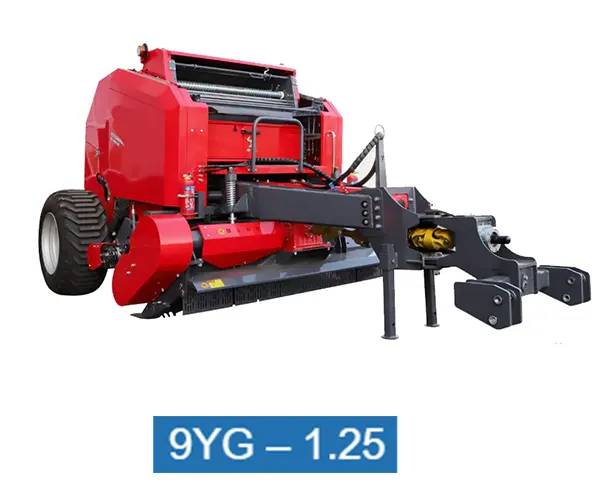
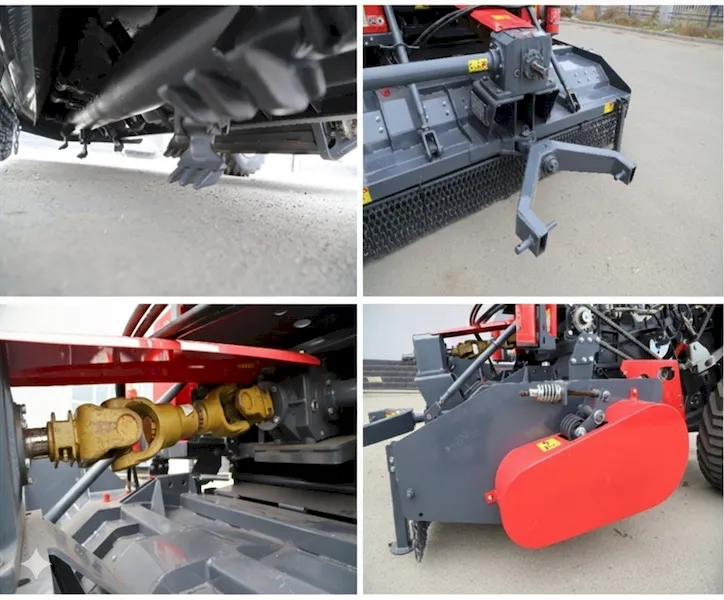
Der vollständige Leitfaden zur Etablierung von Luzerne – einschließlich Impfmittelanwendung, Saattiefe, Bewirtschaftung von Begleitpflanzen und Unkrautbekämpfung im Keimlingsjahr – befindet sich in der Leitfaden zur Anlage und Aussaat von LuzernebeständenDie Spezifikationen für Getriebe und Antriebssysteme der Direktsaatmaschinen und Saatbettbereitungsgeräte, die bei der Bodenerneuerung eingesetzt werden, sind in Spezifikationen für landwirtschaftliche Getriebe und ZapfwellenantriebskomponentenWenn Ihr renovierter Bestand die Reife für die Ballenpressung erreicht hat, stöbern Sie in unserem Angebot. Rundballenpressen für Luzerneheu um die für Ihren Produktionsumfang passende Ballenpresskapazität auszuwählen.
Management im ersten Jahr nach der Renovierung: Investitionsschutz
Die erste Vegetationsperiode nach der Sanierung ist die Phase, in der die Investition am stärksten gefährdet ist. Der neue Bestand hat keinen Wettbewerbsvorteil gegenüber Unkraut, verträgt keinen Rückschnitt und verfügt über keine etablierten Wurzelreserven, auf die er bei widrigen Bedingungen zurückgreifen könnte. Die Managemententscheidungen, die zwischen dem Auflaufen der Pflanzen und dem Ende des ersten Produktionsjahres getroffen werden, entscheiden darüber, ob sich die Sanierungsinvestition auszahlt und über sechs Jahre hinweg produktive Erträge liefert.
Die wichtigste Entscheidung im ersten Jahr: die richtige Wachstumsphase abwarten.
Der erste Schnitt eines Verjüngungsbestandes sollte zwischen Blüte und erster Blüte (10%) erfolgen – nicht nach verstrichenen Tagen, Höhe oder einem anderen externen Zeitplan. Ein zu früher erster Schnitt (im frühen Knospenstadium) im Anpflanzungsjahr erschöpft die Kohlenhydratreserven der Wurzeln, bevor die Pflanze ausreichend Wurzelmasse zur Erholung ausgebildet hat. Viele Verjüngungsausfälle, die im zweiten Jahr durch die Bestandsausdünnung auftreten, lassen sich direkt auf einen zu frühen Schnitt im ersten Jahr zurückführen, von dem sich der Bestand nie vollständig erholt hat. Warten Sie mit dem ersten Schnitt, bis mindestens 10% der Pflanzen erste Blüten zeigen, unabhängig davon, wie weit das Wachstum bereits fortgeschritten ist.
Unkraut bekämpfen, bevor es die jungen Sämlinge beschattet
Luzerne-Sämlinge vertragen in den ersten 30–60 Tagen keine Beschattung durch höhere Unkräuter. Wenn breitblättrige Unkräuter oder Gräser die Luzerne-Sämlinge überwuchern, reduziert ein Mähen der Begleitpflanzen oder Unkräuter auf 20 cm (über dem Bestand der Luzerne-Sämlinge) die Beschattung, ohne die Luzerne zu schädigen. Die gezielte Anwendung von Herbiziden bei zertifizierten Luzerne-Sämlingen ist mit verschiedenen zugelassenen Produkten (z. B. Imazethapyr, EPTC) möglich. Dabei müssen jedoch der Anwendungszeitpunkt und die Wachstumsstadien der Luzerne genau beachtet werden – eine falsche Herbizidanwendung im Sämlingsjahr ist eine der häufigsten Ursachen für das Scheitern von Erneuerungsmaßnahmen.
Für den letzten Herbstschnitt sollten Sie 6–8 Wochen vor dem ersten Frost einplanen.
Dies ist im Verjüngungsjahr noch wichtiger als in einem ausgewachsenen Bestand, da die jungen Sämlinge nicht die zwei bis drei Jahre Zeit hatten, die eine ausgewachsene Pflanze benötigt, um ihre maximale Wurzelreservekapazität zu entwickeln. Im Verjüngungsjahr gibt die Verlängerung des letzten Schnitts auf acht Wochen (anstatt der üblichen sechs Wochen vor dem ersten Frost) dem neu gebildeten Wurzelsystem maximale Zeit, Kohlenhydrate für das Überleben im Winter zu speichern. Ein Verjüngungsbestand, der mit erschöpften Wurzelreserven in den Winter geht, ist anfälliger für Hebungen, Austrocknung und Krankheiten als ein ausgewachsener Bestand.
Zeitplan für die Ertragswiederherstellung und was von einem renovierten Stand zu erwarten ist
Das Verständnis des Ertragsverlaufs eines revitalisierten Bestandes hilft, realistische Erwartungen zu formulieren und die Betriebsplanung während der Übergangsphase zu optimieren. Ein revitalisierter Bestand erreicht nicht sofort den Höchstertrag eines ausgewachsenen Bestandes – er folgt einer vorhersehbaren Erholungskurve, die ihren Höhepunkt in den Jahren 2–3 erreicht.
Häufig gestellte Fragen zur Renovierung von Luzerneständen
Holen Sie sich Ballenpressen-Empfehlungen für Ihr Luzerne-Produktionssystem
Nennen Sie uns Ihre Luzerne-Anbaufläche, den angestrebten Ertrag, die verfügbare Traktorleistung und Ihren Zielmarkt. Wir ermitteln die optimale Ballenpressengröße, die Ballendichteeinstellungen und die Netzwicklung, die dem Produktionsvolumen Ihres Regenerationsbestandes im ersten Jahr entsprechen und sich bis zu den ertragreichsten Jahren skalieren lassen.
Holen Sie sich meine Empfehlung für eine Luzerneballenpresse.
Herausgeber: Cxm


