Hay Production Guide
Moisture Critical
Manejo de la humedad del heno: desde el primer corte hasta el empacado seguro.
Every ton of baled hay carries a moisture number that was locked in at the moment the baler ran through the windrow. Getting that number right — not too high to cause mold, not so rushed that you lose RFV and leaf content — is the highest-leverage decision in commercial hay production. This guide shows you how to hit it consistently across crops, climates, and cutting schedules.
Get Baler and Mower Advice
Why Baling Moisture Is the Most Expensive Decision You Make
Hay moisture at baling is not just a quality metric — it is a financial variable with a direct and measurable dollar value. A commercial elevator pricing on a dry matter basis docks $3–$5 per ton for every percentage point of moisture above 14% at delivery. Bale at 20% instead of 15%, and you’ve left $15–$25 per ton on the table before you leave the field. Scale that across 500 tons in a season and you’re looking at $7,500–$12,500 in preventable income loss.
At the other end, rushing baling before the crop is adequately dry destroys quality in a different way: baling at 25%+ moisture triggers aerobic microbial heating that consumes soluble carbohydrates, degrades protein, and produces enough internal heat to cause spontaneous combustion in large, dense bales. The optimal window — 14–18% for most dry hay markets, 18–22% with preservative, 40–55% for haylage — is narrow but predictable if you understand what controls drying speed.
Quick Moisture Impact Calculator
Baling at 15% moisture
$0 dock
Base price, full DM value
Baling at 20% moisture
−$15–25/ton
5% above standard = 5-point dock
Baling at 25%+ moisture
Mold risk
Quality loss + heating risk beyond dock
Three Stages of Hay Curing — What’s Happening Inside the Windrow
Most producers think of hay drying as a single continuous process. In practice, there are three distinct phases, each controlled by different factors and each requiring a different management response.
Etapa 1
Rapid Loss
80% → 40% moisture
Hours 0–6
What happens: Stomata on the plant cells are still open and moisture diffuses rapidly through the leaf surface. This is the fastest drying stage — a conditioned alfalfa swath can drop from 75–80% to 40–45% moisture in as little as 3–5 hours on a hot, dry, windy day.
Gestión: Do not ted or rake during this stage. The plant is still biologically active and mechanical disturbance during rapid moisture loss causes maximum leaf shatter in legumes. Let the conditioning do its work undisturbed.
Etapa 2
Slow Diffusion
40% → 25% moisture
Hours 6–24
What happens: Stomata close as the plant dies and moisture must now diffuse through the intact cell wall — a much slower process. Drying rate drops significantly. Stem moisture often lags leaf moisture by 4–8 percentage points at this stage, creating an internal moisture gradient that is the core challenge of hay moisture management.
Gestión: This is when tedding adds the most value in heavy crops — the mechanical action breaks open the outer stem layer, accelerating diffusion. For the correct tedding timing and speed by crop type, see the hay raking and windrow guide.
Etapa 3
Equilibration
25% → 14–18% moisture
Hours 18–48+
What happens: The hay approaches hygroscopic equilibrium with the surrounding air. Final drying rate is almost entirely controlled by ambient relative humidity, temperature, and air movement through the windrow. In humid climates, this stage can stall at 18–22% even with good weather — the air simply cannot absorb more moisture from the hay.
Gestión: Raking — consolidating the windrow for baling — should happen during this stage, not before it. Raking at 25%+ moisture on alfalfa causes significant leaf loss. Wait until the average windrow moisture is within 4–5 percentage points of your baling target before raking.
Regional Drying Time Differences: Why One Day Isn’t the Same Everywhere
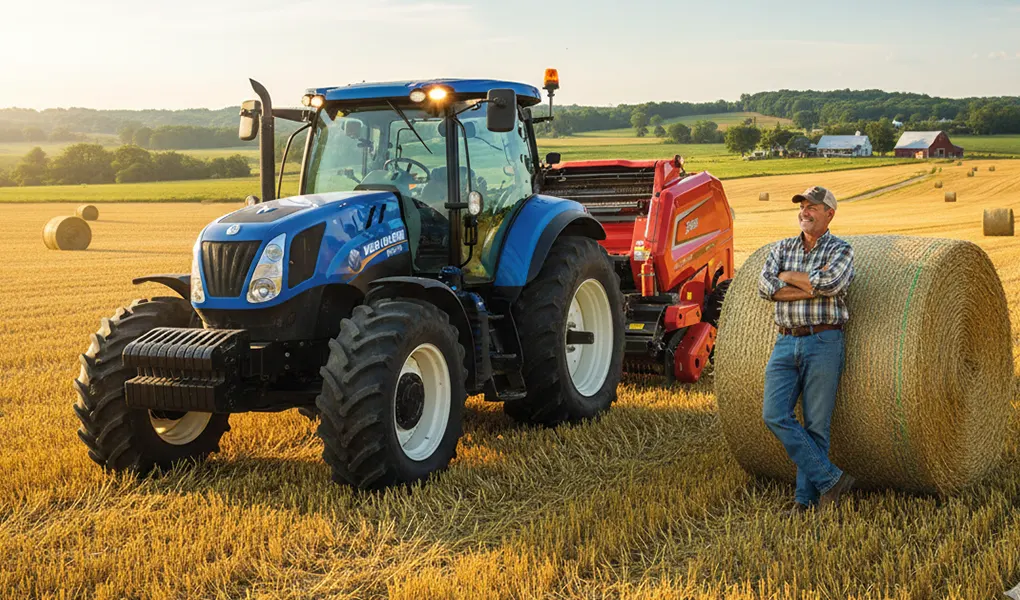
Two hay producers cutting the same alfalfa variety on the same day in June can face vastly different drying trajectories. A producer in the San Luis Valley of Colorado at 7,500 feet elevation with 15% relative humidity at 2 PM can go from cut to baling moisture (16%) in 20–26 hours. A producer in the Connecticut River Valley with 75% afternoon humidity and no wind cannot achieve 18% moisture in 48 hours without a tedder. Same crop, same equipment, completely different moisture management challenge.
| Region / Climate Type |
Typical drying time
to 18% (alfalfa) |
Main limiting factor |
Key management tactic |
Mountain West / High Desert
(ID, NV, UT, CO high elevation) |
18–28 hrs |
Afternoon thunderstorms (July–Aug) |
Cut in early morning; bale before afternoon buildup |
Central Plains
(KS, NE, SD, ND) |
24–36 hrs |
Nighttime dew reabsorption |
Ted by midday; bale day 2 before evening dew sets in |
Pacific Northwest
(OR, WA irrigated valleys) |
36–52 hrs |
High morning dew, low afternoon VPD |
Conditioning mandatory; two-day window minimum |
Upper Midwest / Northeast
(MN, WI, MI, NY, VT) |
48–72+ hrs |
High humidity, frequent rain |
Use preservative routinely; ted aggressively; watch 5-day forecast window |
Southeast / Gulf Coast
(AL, GA, MS, FL panhandle) |
72–120+ hrs |
High humidity, afternoon rain pattern |
Propionic acid preservative standard practice; target 20–22% for bermudagrass |
Understanding your regional drying baseline changes the whole calculation. Pacific Northwest alfalfa producers don’t plan for 24-hour baling windows — they plan for 48-hour windows with one day of reserve for weather uncertainty. Southeast bermudagrass producers routinely bale at 22% with preservative because waiting for 16% moisture in August means waiting indefinitely. The equipment and the crop have to match the climate reality, not a textbook ideal.
How Mower Choice and Conditioning Intensity Change Your Drying Clock
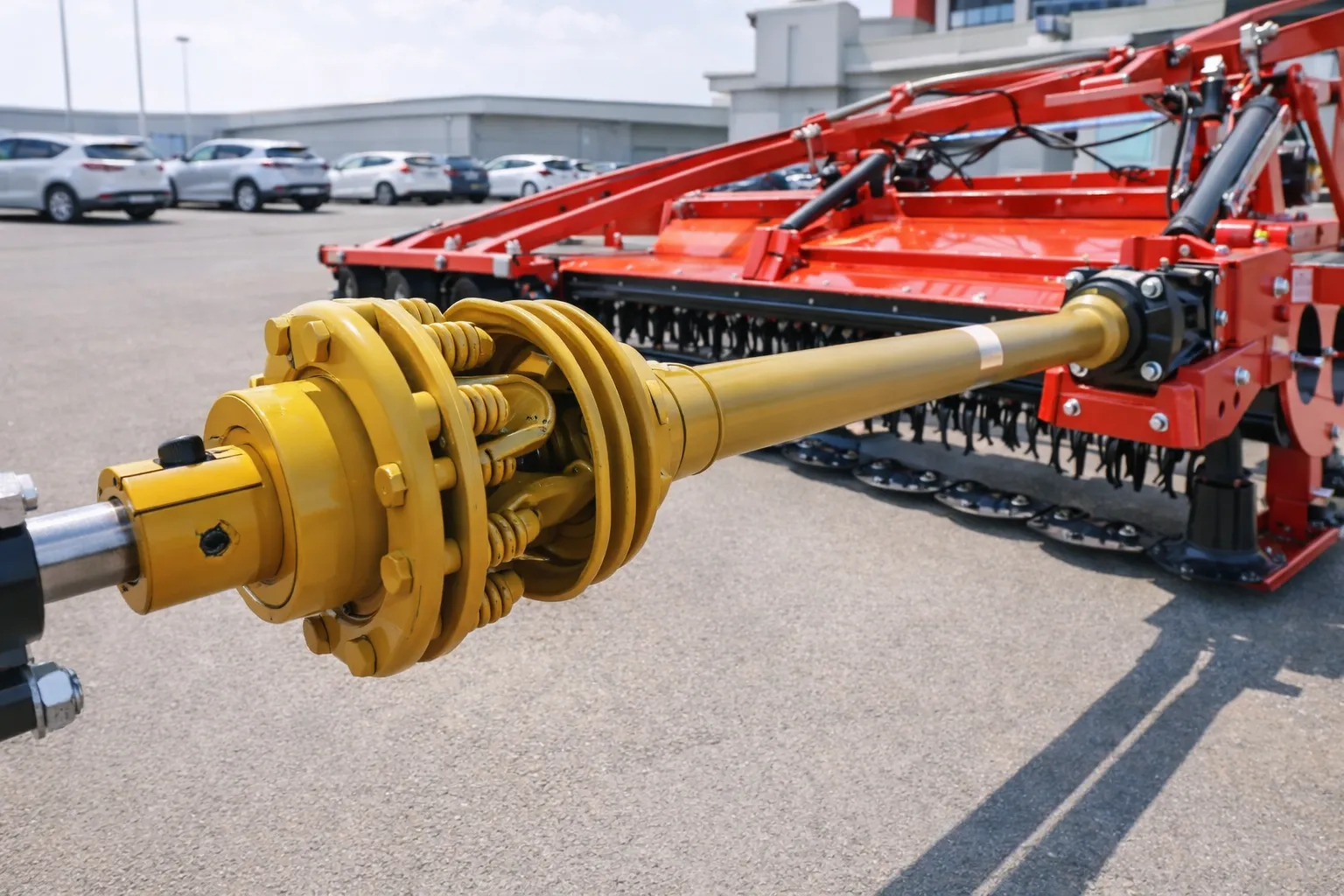
A mower conditioner can cut drying time by 30–50% compared to a plain disc mower — not because of the cutting, but because of what the conditioning rolls or flails do to the stem surface. Alfalfa stems are hollow cylinders with a waxy cuticle. That cuticle is the primary barrier to stage 1 moisture loss. Conditioning rolls crush and crack the stem at regular intervals, creating thousands of small surface fractures that allow moisture to escape through the stem wall directly rather than only through the open ends of the cut stem.
Rubber Roll Conditioning
Pinches and cracks stems without maceration. Preserves leaf attachment and stem integrity. Best for alfalfa and high-CP legume mixes where leaf retention is paramount. Drying acceleration: 25–35% vs no conditioning on alfalfa. Roll gap setting: 1–3 mm for alfalfa; wider for coarser grass stems.
Best for: Alfalfa, clover, premium dairy hay
Flail / Impeller Conditioning
Aggressive stem maceration produces maximum surface fracturing and faster moisture loss. Best for coarse grass, reed canarygrass, and thick-stemmed crops where roll conditioning is insufficient. Drying acceleration: 35–50% vs no conditioning. Causes higher leaf loss in legumes — not recommended for export-grade timothy or premium alfalfa.
Best for: Coarse grass, bermudagrass, reed canarygrass
The detail that matters operationally: conditioning roll gap settings need to be adjusted for each crop and cutting stage, not set once and forgotten. First-cut alfalfa with thick stems needs a tighter gap than third-cut regrowth with finer stems. A gap too wide provides minimal conditioning benefit; a gap too tight on fine regrowth causes leaf stripping that reduces quality more than the faster drying compensates for. For the full operating setup guide covering cut height, swath width, and conditioning intensity by crop, see the Guía de corte y acondicionamiento.
Moisture Testing Methods: Which One Is Accurate Enough for Your Decision?
There is no moisture testing method that is both instant and perfectly accurate. The commercial hay producer’s job is to choose the fastest method that is accurate enough for the decision being made. Here is how the four main methods compare where it counts:
Capacitance Probe Meter
$80–$300
Accuracy: ±2–4% at 14–22%
Speed: Instante
Best use: Go/no-go field check
Precaución: Over-reads on alfalfa; unreliable above 25%
Koster Forced-Air Tester
$350–$600
Accuracy: ±0,5–1%
Speed: 30–60 min
Best use: Confirm decision at any moisture
Works: Full moisture range including silage
Microwave Oven Method
~$30
Accuracy: ±0,5–1,5%
Speed: 4–8 minutes
Best use: Barn or shop verification
Nota: Requires kitchen scale; fire risk if overdone
Visual / Tactile (Twist Test)
Free
Accuracy: ±5–8% at best
Speed: Instante
Best use: Rough first-pass screening only
Riesgo: Cannot distinguish 18% from 22% — too imprecise for commercial decisions
The Baling Decision: Matching Target to Storage Method

The correct baling moisture target is not a single universal number — it depends on what you’re doing with the bale after it leaves the chamber. Here’s the framework used by commercial operations to set their baling target based on post-harvest destination:
| Storage / Use Method |
Target moisture at baling |
Why this window |
| Outdoor storage, no cover |
14–16% |
Outdoor exposure adds 2–4% from night dew condensation; must enter storage dry enough to absorb this without mold risk |
| Barn storage, good ventilation |
16–18% |
Stable temperature and humidity reduces post-baling moisture cycling; 2% higher target acceptable |
| With propionic acid preservative |
18–22% |
Preservative inhibits mold at 2–4% higher moisture — allows earlier baling in humid weather windows |
| Export market (any destination) |
12–14% |
Most export specifications require 14% max at delivery; container shipping adds moisture from temperature cycling |
| Silage bale (haylage) |
40–55% |
Fermentation requires adequate moisture; below 35% produces inadequate pH drop; above 60% causes effluent and wrapping difficulties |
| Immediate feeding (no storage) |
Up to 20% |
No storage period means no condensation risk; feed immediately and any mild heating is not a quality concern |
Moisture Management FAQs
Why is my hay still at 22% moisture by late afternoon even with good sunshine?+
High afternoon relative humidity is the most common culprit. In many U.S. regions, especially the upper Midwest and Northeast, afternoon relative humidity rises as temperature increases through convective mixing — the opposite of what producers intuitively expect. At 70%+ RH, the vapor pressure gradient between the hay and the surrounding air is insufficient to drive further moisture removal even in direct sunshine. Check your regional weather service’s afternoon humidity data for your specific valley or elevation — in many cases, the most effective drying window is actually 10 AM to 2 PM, not all afternoon. Raking at 11–12 PM to expose fresher hay surface to this peak drying window can make more difference than additional tedding.
The moisture probe reads 16% but the bale core is still warm 5 days after baling. Why?+
The probe measured the exterior of the windrow, not the bale average. A windrow that reads 16% on the surface and upper layers can have a center moisture of 22–25% if it was formed from a thick, heavy swath that did not cure evenly. When the baler compresses that windrow into a tight bale, the high-moisture center material is sealed inside with the drier exterior material. The internal heating you observe is aerobic microbial respiration consuming the moisture and nutrients in the wet core. To prevent this: take probe readings from multiple depths in the windrow — stick the probe into the bottom-center of the windrow, not just the top surface. A bottom-center reading that is more than 4 percentage points higher than the surface reading indicates inadequate through-curing; wait or ted before baling.
How do overnight dew events affect a windrow that was almost ready to bale at sunset?+
A windrow at 17% moisture at sunset will typically re-absorb 3–6 percentage points of moisture overnight from dew condensation, arriving at 20–23% moisture by early morning. The amount of re-absorption depends primarily on the dew point — nights with a dew point above 55°F produce significant reabsorption; nights below 45°F produce minimal condensation. The practical implication: if your windrow is at 17–18% at 5 PM, you have three choices: (1) bale that evening before dew sets — a 90-minute window is typical; (2) wait until the following day and plan to test again at 10–11 AM when the previous night’s dew has burned off; (3) rake narrow and tight windrows into wider, fluffier rows to improve next-morning drying speed by increasing air movement through the windrow. The worst outcome is baling the morning after dew before the surface moisture has returned to pre-dew levels — the probe reads high because the surface is still wet, but operators sometimes bale anyway, producing a moisture-stratified bale.
Does a mower conditioner always improve final hay quality compared to a plain disc mower?+
Not always. In very dry, low-humidity climates (Mountain West, high desert), hay can achieve baling moisture in 18–24 hours even without conditioning, making the conditioning advantage relatively small. In these regions, the main quality risk is not slow drying but mechanical leaf loss from over-tedding or late-day baling when the crop is extremely dry and brittle. A plain disc mower that produces a good curing swath without aggressive tine contact can preserve more leaf content than a conditioner that damages leaf attachments during the rolling/flailing process. The conditioning benefit is most pronounced in humid climates, heavy first-cut crops, and cool-weather cuttings where stem moisture is naturally slow to release. Evaluate your specific regional drying time history before assuming a conditioner is always the right investment.
What moisture should I target when baling bermudagrass hay in the Southeast?+
Bermudagrass hay in the Southeast is almost universally baled at 18–22% moisture — not from choice, but from climate necessity. The combination of high temperature, high humidity, and afternoon thunderstorm risk makes achieving 14–16% moisture impossible for most of the June–September cutting season without losing bales to rain. The standard management approach is to apply a propionic acid-based preservative at the baler (delivered through a spray applicator mounted on the baler pickup or twine arm) at labeled rates for the 18–22% moisture range, allowing the preservative to suppress mold and heating during the 2–4 weeks it takes for the bale interior to reach stable moisture equilibrium. For storage, outdoor bermudagrass bales at 20% moisture treated with preservative should be elevated off soil contact and stored on well-drained ground to prevent rewetting through capillary action at the bale base.
Can baling machinery affect hay moisture readings after baling?+
Yes — through two mechanisms. First, the compression of baling squeezes some free moisture from the hay during the bale forming process, particularly in high-moisture crops above 25%. This expressed moisture is visible as a wet sheen on the bale surface immediately after ejection and temporarily makes the exterior moisture lower than the interior average. Second, the heat generated by belt-driven bale compression (friction between belt and crop) marginally dries the outer layer during the final forming passes at high density. A bale probed 10 minutes after ejection will read lower surface moisture than the actual bale average moisture. For an accurate representative reading, probe the bale core after it has stabilized for 2–4 hours, or cut the bale and sample from mid-depth. The agricultural gearbox and drive components in high-productivity balers on
agriculturalgear-boxes.com are rated for the torque levels produced during high-moisture high-density baling that creates the compression heating effect.
Editor: Cxm