
馬力要件:最小値と推奨値、そしてその違いが重要な理由
ベーラーの馬力仕様には、通常の条件下でベーラーを稼働させるために必要な最小馬力と、商業運転に推奨される馬力の2種類があります。これらの数値の差は、マーケティング上の誇張ではなく、ベーラーが必然的に遭遇するであろう厳しい条件下でどのように動作するかを決定する性能の余裕を表しています。最小仕様で稼働するトラクターは、平均的な条件下で最大負荷に達しており、重い刈り草の列、湿った材料、または上り坂での作業に対する余裕は全くありません。推奨仕様で稼働するトラクターは、平均的な条件下で70~80%の負荷で稼働し、ラグやストールを起こすことなく、周期的な需要の急増に対応できる能力を備えています。
| ベーラーのサイズ/タイプ | 最小馬力(PTO) | 推奨HP | 注記 |
|---|---|---|---|
| 小型丸型ベーラー(3×3、3×4) | 35~45馬力 | 50~65馬力 | 小型トラクターおよび汎用トラクター。軽作業用の干草・牧草地作業。 |
| 中型丸型ベーラー(4×5) | 50~65馬力 | 70~90馬力 | 最も一般的な業務用ベーラー。年間300ベールまでの干し草およびサイレージ作業の標準機。 |
| 大型丸型ベーラー(5×5、5×6) | 70~90馬力 | 95~130馬力 | 商業規模、大量の初刈り、わらおよび高密度サイレージへの適用 |
| 高密度大型ベーラー(5×6フィート以上) | 100馬力 | 120~160馬力 | 最大密度可変チャンバー、プレカットナイフシステム、輸出仕様の特殊梱包 |
PTO回転数:540回転/分 vs 1000回転/分 — あなたのベーラーにはどちらが必要ですか?
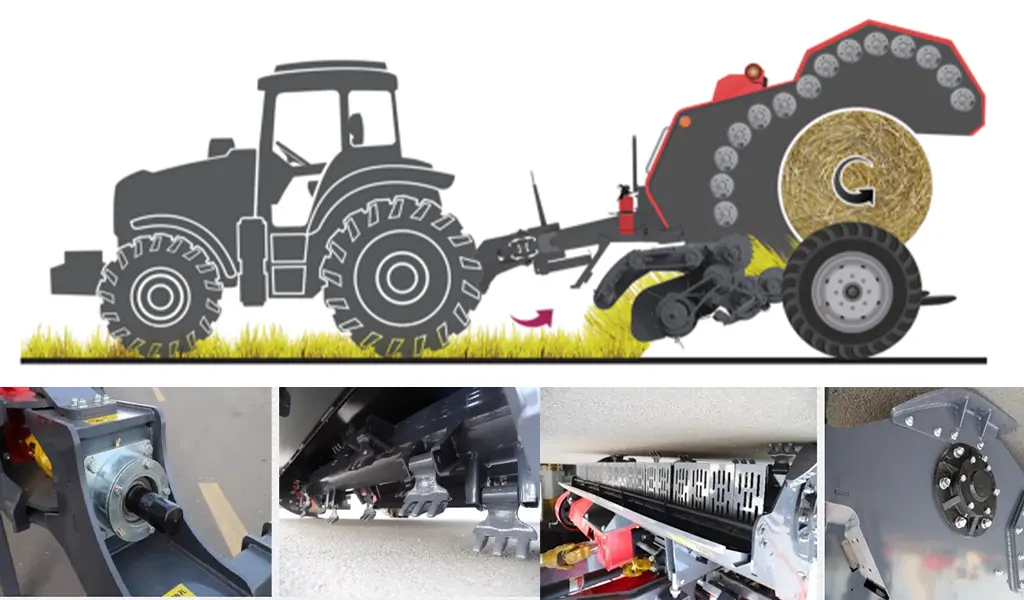
トラクターとベーラーの組み合わせにおいて、PTO回転速度は最も大きな制約となります。これはベーラーの内部ギアボックスの設計によって決まるため、調整できません。1000 RPMのPTOトラクターを540 RPMのベーラーに接続し、1000 RPMで運転すると、ベーラーの内部機構が85%だけ過回転し、即座に致命的な機械的損傷を引き起こします。逆に、1000 RPMのベーラーを540 RPMで運転すると、機構の回転速度が不足し、ベーラーを正常に機能させるのに十分なピックアップ速度とベルト駆動速度が得られません。
ほとんどの中型および小型の丸型ベーラーは、540 RPMのPTO入力用に設計されています。540 RPMのスタブは直径1 3/8インチで、6つのスプラインがあります。接続する前に、トラクターのPTOスタブが一致することを確認してください。多くの最新のトラクターは、同じスタブで540 RPMと1000 RPMの両方の機能を備えています(個別のエンゲージメント制御付き)。1000 RPMではなく、540 RPMの速度が作動していることを確認してください。これらのトラクターのエコノミーPTOモードでは、エンジン回転数を抑えて540 PTO RPMが供給され、ベーラーの操作に適しており、燃料消費量を削減します。
大型業務用ベーラーやプレカットシステムベーラーでは、1000 RPMのPTO入力が指定されていることが多く、そのためには1 3/8インチ21スプラインまたは1 3/4インチのPTOスタブを備え、1000 RPM定格のトラクターが必要です。これらのベーラーは、1000 RPM入力で単位軸トルクあたりの動力伝達量が大きいため、高出力・高密度用途に使用されます。部品を購入する前に、PTOスタブの直径とスプライン数がベーラーの入力シャフトとドライブラインシャフトの両端と一致していることを確認してください。
ヒッチカテゴリーとドローバー荷重:物理的なつながり
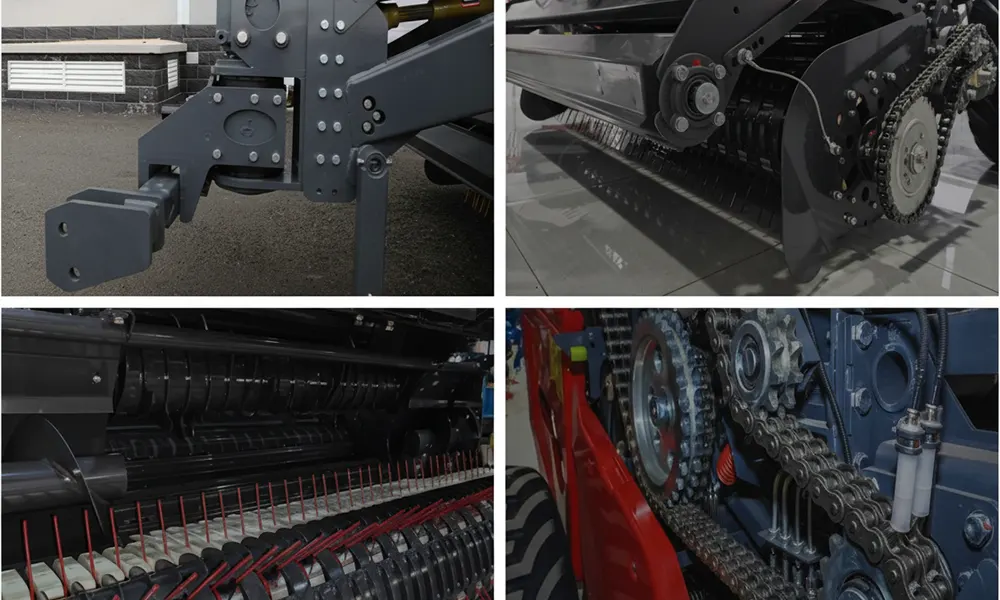
| ヒッチカテゴリー | ピン径 | トップリンク穴 | 一般的なトラクターの馬力 |
|---|---|---|---|
| カテゴリーI | 22.4 mm (7/8インチ) | 19mm | 20~50馬力の小型トラクター向け。中型または大型のベーラーには不向き。 |
| カテゴリーII | 28.7 mm (1 1/8インチ) | 25.5 mm | 40~120馬力。中型業務用ベーラーで最も一般的。4×5および5×5の標準仕様。 |
| カテゴリーIII | 36.6 mm (1 7/16インチ) | 32mm | 100~250馬力。大型トラクター。非常に大型または重量のあるベーラーで、高い牽引力が必要な場合に必要。 |
舌引き式ベーラー(最も一般的なタイプで、3点ヒッチではなくトラクターのドローバーに取り付ける)の場合、関連する仕様は3点ヒッチのカテゴリーではなく、ドローバーの耐荷重です。ベーラーの最大舌荷重とドローバーの牽引力仕様が、使用するドローピン位置におけるトラクターの定格ドローバー容量を超えていないことを確認してください。ドローバーに過負荷がかかると、特に傾斜地では、トラクターの後車軸荷重と操舵制御に影響します。
油圧流量要件:ネットラップ、テールゲート、および制御システム
最新の丸型ベーラーは、テールゲート操作、ネット巻き付けテンショナー機能、一部機種の密度スプリングアシスト、および電子制御システムへの電源供給のために、トラクターの油圧流量を必要とします。油圧要件は、推奨馬力範囲内のトラクターであれば十分対応できますが、ベーラーを馴染みのないトラクターに接続する前に、必要なリモートレバーの種類と流量を確認する必要があります。
ほとんどの丸型ベーラーは、トラクターから1~2個の油圧リモートスイッチを必要とします。最低限必要なのは、テールゲートの開閉用リモートスイッチ1個です。ベーラーによっては、ラップシステムテンショナーや密度スプリング調整用に2個目のリモートスイッチを追加しているものもあります。シーズン開始前に、トラクターに必要な数のリア油圧リモートスイッチが装備されており、油圧の流れ方向(単動式か複動式か)が正しいことを確認してください。
ベーラーに、圧力リモートアウトレットだけでなく、トラクターの油圧リターンポートに接続するケースドレンまたはリターンラインがあることを確認してください。オイルをタンクリターンではなくトラクター後部アウトレットに直接戻すベーラー回路は、背圧の問題を引き起こし、時間の経過とともに油圧シールを損傷する可能性があります。最新のトラクターとベーラーのほとんどは正しく構成されていますが、古い機器の組み合わせの場合は確認してください。
電子監視システムを搭載した最新のベーラーは、トラクターのターミナルとのISOBUS(ISO 11783)接続が必要です。お使いのトラクターに互換性のあるISOBUSコネクタまたはユニバーサルターミナル機能が搭載されていることを確認してください。互換性のあるISOBUS接続がない場合、ベーラーにはキャブ内に専用のモニターを設置する必要があります。購入前に、これが標準装備されているか、オプションとして利用可能かを確認してください。
トラクターのバラストと安定性:地形安全係数
トラクターの後ろに積載された丸型ベーラーがあると、特に傾斜地ではトラクターの重量配分と安定性に影響が出ます。ベールの重量(サイズによって800~1,400ポンド)はドローバーに舌荷重を加え、トラクターの実効重心を後方に移動させます。平地ではこれは対処可能ですが、急な斜面、特に積載されたベーラーで旋回する際には、トラクターの前車軸に適切な荷重がかかっていないと、転倒の危険性が生じます。
システム一式を揃える:トラクター+ベーラー+レーキ+モア
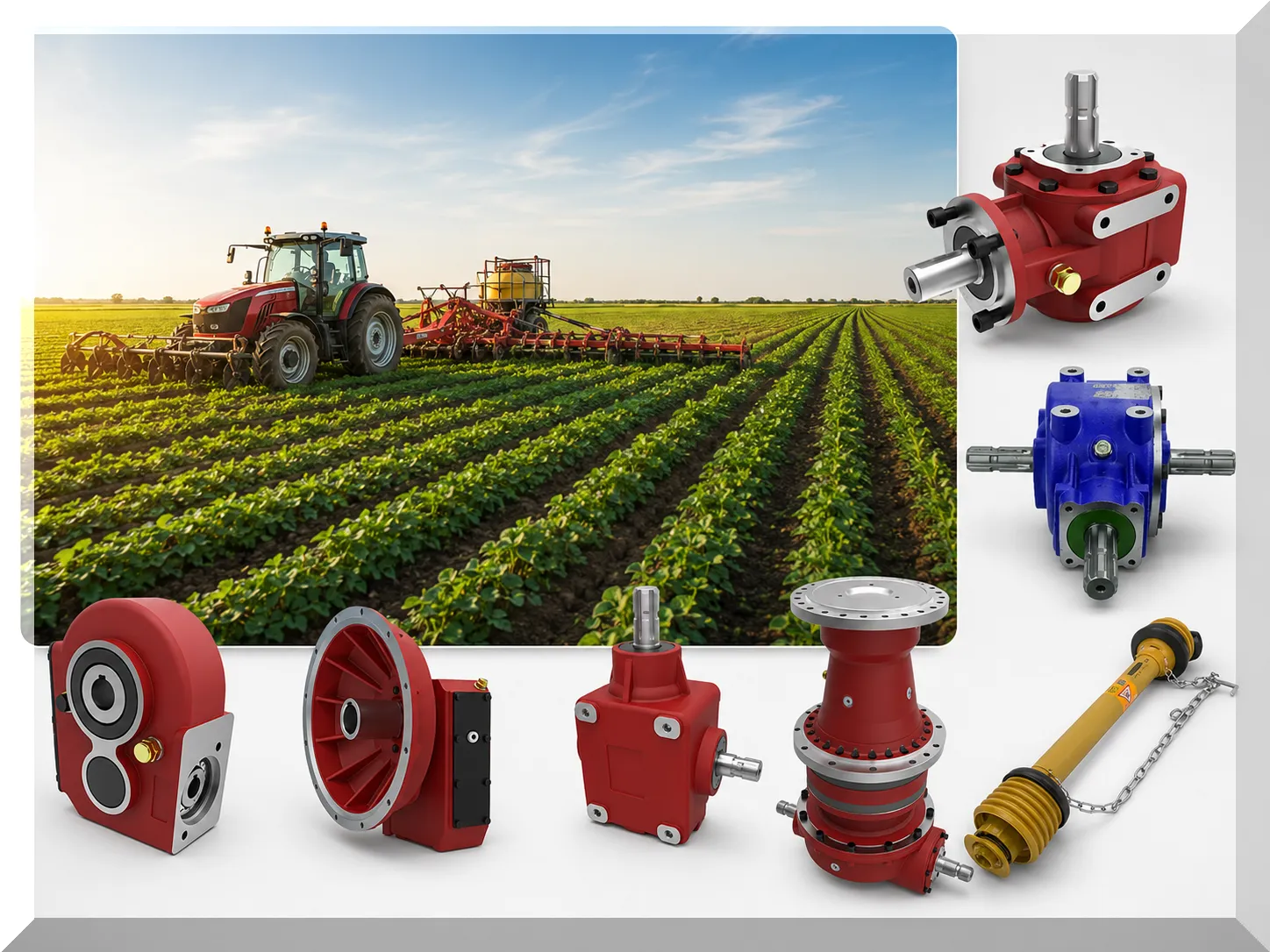
一般的な牧草作業の構成は、1台のトラクターでモアコンディショナー、レーキ、ベーラーを順番に操作するものです。トラクターの馬力は、各作業機の要求を個別に満たす必要がありますが、順番に使用されるため、同時に満たす必要はありません。最も馬力を必要とする作業機が制限要因となり、トラクターはその要求を余裕をもって満たす必要があります。中規模の牧草作業(4×5ベーラー、ディスクモアコンディショナー、Vレーキ)のほとんどでは、75~100馬力のトラクターで3つの作業機すべてを快適に操作できます。
詳細なマッチングフレームワーク(専用のベーリングトラクターと共有の多目的トラクターの選択、高生産量におけるトラクターの専門化のケース、マッチングされた機器の組み合わせとミスマッチな機器の組み合わせを比較するコストモデルなど)は、 丸型ベーラーとトラクターのマッチングガイドトラクターを大型ベーラーに合わせてアップグレードすることでプラスのリターンが得られるかどうかを評価する完全なROIモデルは、 ベーラー投資収益率(ROI)分析トラクターとベーラー間の機械的インターフェースを定義するPTOドライブラインの仕様とギアボックスのトルク定格は、 農業用ギアボックスおよびPTO駆動系部品の仕様.
トラクターとベーラーの重量比:馬力だけよりも重要な理由
馬力は機械駆動に必要な要件を満たし、トラクターの重量は牽引力に必要な要件を満たします。密度の高い一番刈りアルファルファで最大密度でベーラーを稼働させる場合、トラクターのPTO出力と牽引力の両方が利用されます。十分な馬力があってもバラスト重量が不足しているトラクターは、ベーラーの抵抗力が利用可能な牽引力を超えるとタイヤが空転します。PTOは動力を供給できますが、トラクターはタイヤを地面に接地させて動力を伝達することができないのです。
一般的なルールとして、平坦地から緩やかな起伏のある地形では、トラクターの重量はベーラーのPTO出力1馬力あたり最低120~130ポンド必要です。75馬力のベーラーには、バラスト込みで最低9,000~9,750ポンドのトラクターが必要です。75~100馬力クラスのほとんどのユーティリティトラクターは、バラストなしで8,000~11,000ポンドの重量があり、これは一般的に平坦な畑でのベーリング作業には十分です。傾斜が10度以上の急な地形では、前車軸の荷重にさらに注意を払い、場合によっては前部にスーツケース型のウェイトを追加する必要があります。
ベール作業中にトラクターのタイヤが圃場に連続的なスリップ痕を残す場合、ベールの密度が傾斜方向と相関して不均一になる場合、または平地での作業に比べて上り坂でのベール作業時に密度設定を下げる必要がある場合は、その組み合わせにおいてトラクターの牽引力が制限されている可能性があります。解決策:後部バラスト(ホイールウェイトまたはタイヤ内の液体バラスト)を追加する、ベール密度設定を下げる、ウィンドローのサイズを小さくする、または単位時間あたりのベール形成力を下げるために上り坂での走行速度を落とすことを受け入れる。
ベーラーとの互換性に関する中古トラクターの評価
中古トラクターとベーラーを組み合わせる場合、銘板の仕様は理論上は互換性があることを示していますが、実際の互換性はトラクターの現場状況によって決まります。クラッチが滑り、エアフィルターが詰まり、油圧シールが摩耗した85馬力の中古トラクターは、現場では実質的に60馬力しか発揮できず、油圧容量も制限されるため、本当に小さすぎるトラクターと同じように、サイズ不足の問題を引き起こす可能性があります。
トラクターの互換性に関するよくある質問
トラクターと対象ベーラーの互換性を確認してください
トラクターのPTO出力、PTO回転速度、ヒッチの種類、油圧リモートの数をお知らせください。お客様の既存のトラクターと完全に互換性のあるベーラーモデルを確認し、ご購入前に必要なインターフェース要件をお知らせいたします。
編集者: Cxm


