
ベールスピア:あらゆる丸型ベール処理システムの基盤
ベールスピアは、ベールの端面に突き刺さって持ち上げるポイントとなる、先端が尖った鋼鉄製のプローブです。これは、最も基本的で広く使われている丸型ベールの取り扱い用アタッチメントであり、事実上すべての丸型ベールの取り扱い手順には、少なくとも1回のスピア操作が含まれています。適切なスピアを選択し、正しく使用することで、取り扱い時に最もよく発生する2つの損傷、すなわちベール面の裂け目(ネットで包まれた干し草の貯蔵中の乾物損失を増加させる)とサイレージフィルムの穿孔(ラップされたサイレージの好気性腐敗を引き起こす)を防ぐことができます。
直径の大きい(2.5~3.5インチ)中央のタインが1本あり、先端が先細りになっています。最もシンプルで低コストなオプションです。欠点:接触点が1点のみであるため、ベールの重量が1箇所に集中し、持ち上げや運搬中にベールがタイン上で回転する可能性があります。回転しても安全上のリスクではなく外観上の損傷につながる乾燥した干し草ベールに最適です。回転したベールがフィルムの穴を広げる可能性があるため、サイレージベールにはお勧めしません。
共通のベースプレートに取り付けられた2本または3本の爪が、別々の入口からベールに突き刺さります。複数の貫通箇所によりベールの重量が分散され、回転が防止されます。マルチタイン式スピアは、商業用サイレージベールの取り扱いにおいて標準となっています。回転防止機能により、貫通箇所でのフィルムの破れを軽減します。その代償として、ベールあたりのフィルム貫通箇所は増えますが(1箇所に対し2~3箇所)、各穴は小さく、輸送中に拡大する可能性が低くなります。
ベールスピアーにはそれぞれ定格吊り上げ能力があります。スピアーの定格がベールの最大重量を超えていることを確認してください。水分含量60%の5×5構成のサイレージベールは、1,400~1,600ポンドの重量になります。定格1,200ポンドのスピアーは、この用途には小さすぎます。定格容量以上で小さすぎるスピアーを使用すると、ベールの底が裂け、最終的にスピアーチューブが破損します。ローダーの容量定格も関係します。フロントエンドローダーの最大吊り上げ能力が、作業現場で最も重いベールタイプに適していることを確認してください。
ベールグラップル:サイレージの取り扱いに最適なツール
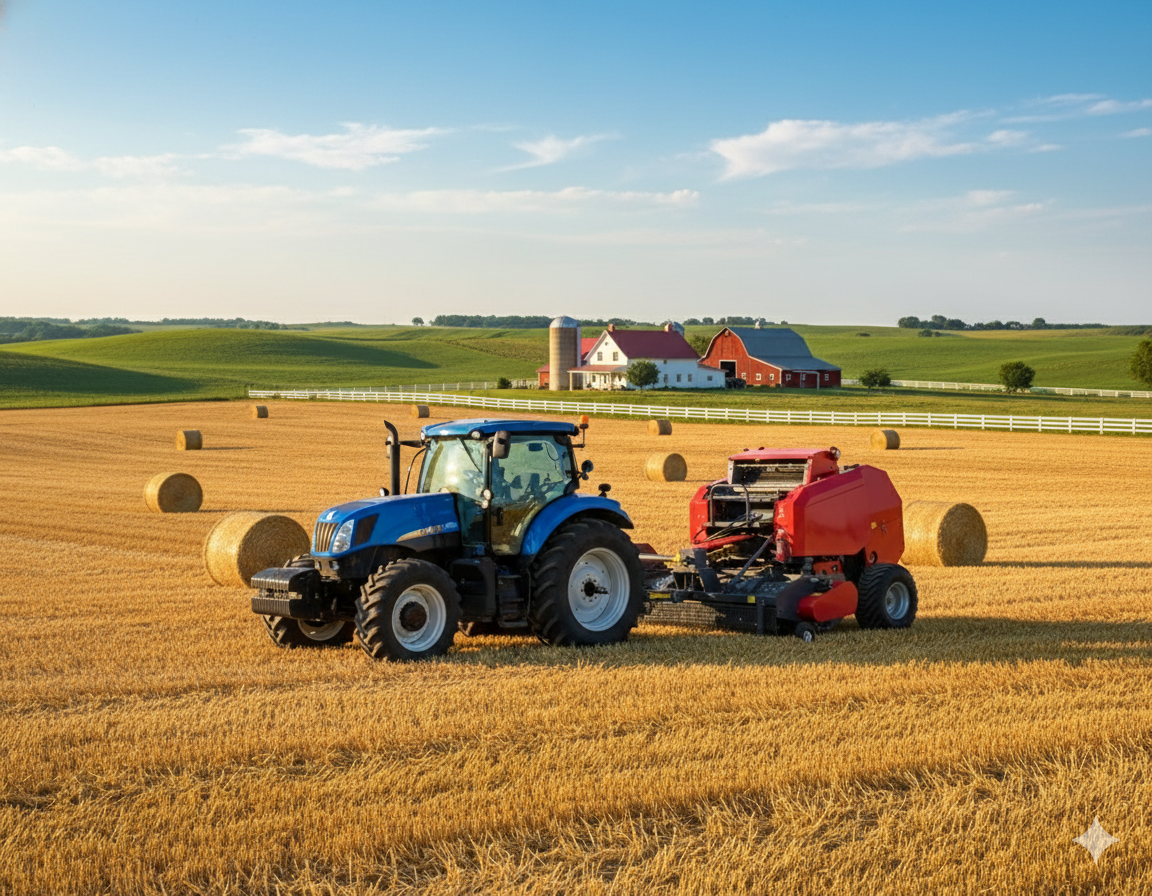
ベールグラップルは、油圧で駆動する2本または4本の腕を使ってベールの外径から挟み込み、フィルムに穴を開けることなく持ち上げて運びます。サイレージベールの取り扱いには、スピアによるフィルムの損傷を完全に防ぐことができるグラップルが最適な選択肢です。欠点としては、アタッチメントのコストが高いこと(スピアの場合は$800~$2,500、スピアの場合は$150~$400)、ローダーに互換性のある油圧リモートが必要となること、そして把持圧力を調整する必要があることが挙げられます。丸いサイレージベールに過剰な挟み込み圧力をかけると、ベールの断面が潰れてフィルムが穴が開くのではなく圧縮によって破裂する可能性があります。
- 1シーズンに100個以上のサイレージベールを生産する作業で、累積的な槍穴の補修に時間がかかる
- フィルム損傷のリスクが一切許容できない高級乳牛用サイレージ
- 重量と槍の積載能力の差が小さい、大型の5×5または5×6のベール
- ネットで包まれた乾燥干し草のベールも扱う作業に対応 ― グラップルはアタッチメントを交換することなく両方に対応可能
- ベールを持ち上げるのに必要な最小限の油圧に調整してください。過剰な圧力はサイレージフィルムの圧縮損傷のリスクを高めます。
- ベールには端からまっすぐにアプローチしてください。斜めにベールに接触するグラップルは不均一な力を加え、高い位置でベールがグラップルから転がり落ちる可能性があります。
- グラップルで掴んだベールを高速で振り回さないでください。高速で振り回すと、慣性力がグラップルの摩擦力を超えてしまいます。
- グラップルには2つの油圧リモートカップリング(開閉用)が必要です。ローダートラクターに十分なリモート容量があることを確認してください。
ベール運搬トレーラー:畑から保管場所までの効率性
丸型ベールの取り扱いで最も労力を要する段階は、畑から貯蔵場所への輸送です。これは、排出されたベールを数十個または数百個、貯蔵場所または給餌場所まで移動させる作業です。フロントエンドローダーでベールを1つずつ(槍を使って)移動させると、一度に複数のベールを移動できる専用のベールキャリアに比べて、この距離を20~30倍遅く移動します。畑から貯蔵場所までの距離が長い場合やベールの量が多い場合は、ベールキャリアを使用することで、輸送作業の労力を50~701トン削減できます。
フィルムを損傷することなくサイレージベールを扱う
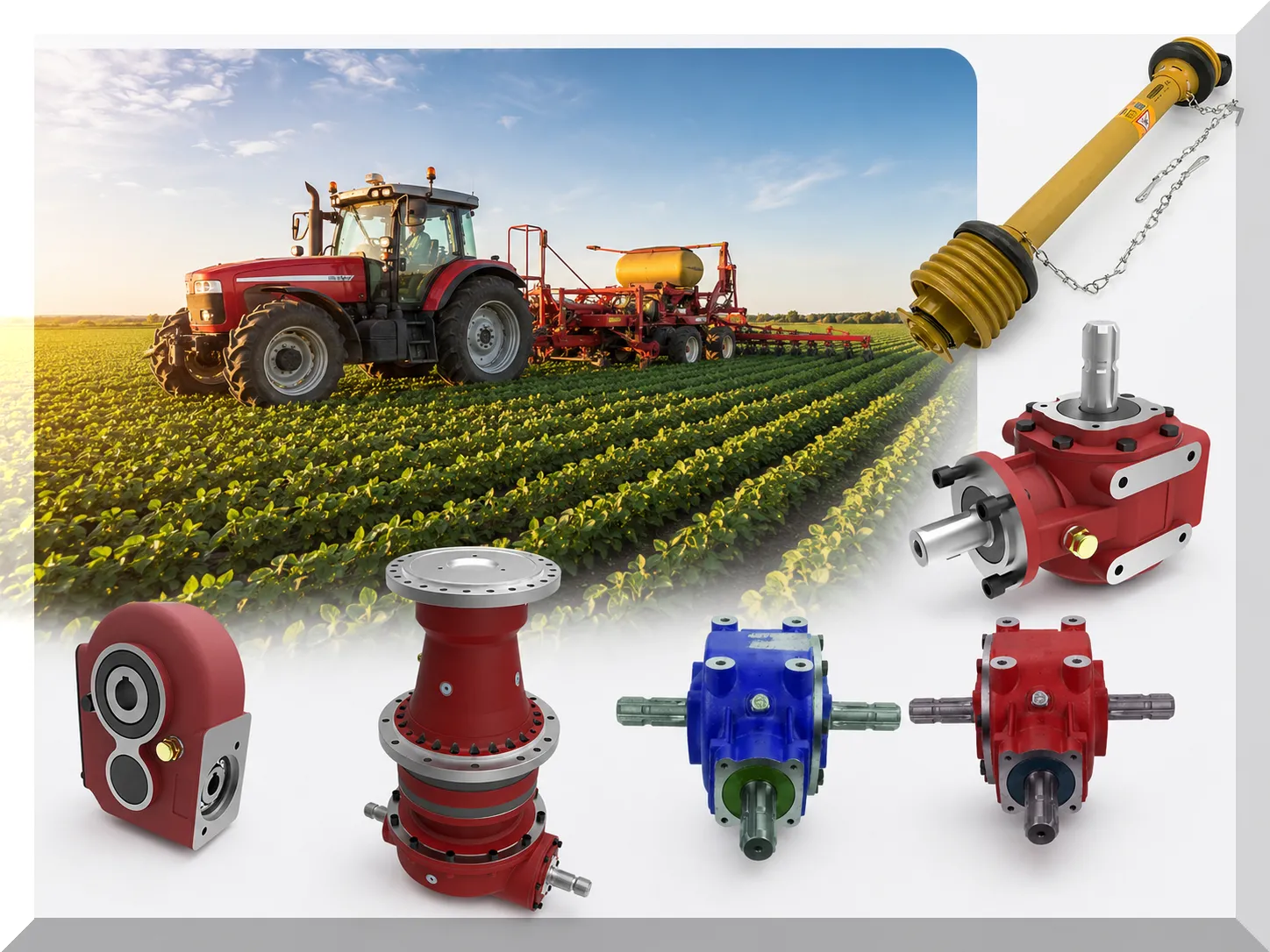
サイレージベールのフィルムの完全性は、排出から保管場所までの過程において、ベールがクリーンな嫌気性発酵を受けるか、フィルム損傷が発生するたびに好気性腐敗ゾーンが発生するかを左右します。目標は、ベーラーから保管場所まで、持ち上げと設置の回数を最小限に抑え、各段階でフィルムの接触を最もクリーンに保つことです。
ベールを保管場所に置く作業は、最初の圃場での集荷と同じ手順で行います。つまり、ベーラーがベールを排出し、ローダーがそれを拾い上げ、保管場所まで直接運転してベールを置きます。この「ワンタッチ」方式では、保管場所が圃場からローダーの走行範囲内にある必要があります。2つの作業(圃場から仮置き場、仮置き場から保管場所)ではなく1つの作業に減らすことで、フィルム損傷のリスクを半減できます。
粗い表面(骨材が突き出たコンクリート、砂利、刈り株が残る畑など)を転がるサイレージベールは、フィルムに表面摩耗による損傷が蓄積します。ベールは、滑らかな表面、または犠牲接触層(コンクリートパッドの上にコンベアベルトを敷くなど)がある場所でのみ転がしてください。サイレージベールが鋭利な物体に接触しないようにしてください。岩やコンクリートの突起がある表面では、ベールを所定の位置に置くのではなく、転がして移動させてください。
サイレージ補修テープを携帯し、ベールを配置する際に一つ一つ点検してください。目に見える穴、擦り傷、裂け目は、保管場所から移動する前にテープで補修してください。配置時に30秒かけて補修すれば、2週間後に発見された30分間の点検と補修作業よりもはるかに効果的です。また、酸素の浸入がすでに始まっている場合、部分的な効果しか得られないのと比べて、設置時の補修ははるかに効果的です。
ベール積み配置と現場管理
保管場所におけるベールの配置方法は、日々の給餌効率と長期保管における乾物損失率の両方に影響を与えます。適切な保管場所管理は、地中からの水分浸透や積み重ねによるフィルムの損傷を防ぎ、これらが保管損失の大きな原因となることを防ぎます。
砂利敷きの床に一層に積み重ねることで、屋外保管における乾物損失を最小限に抑えることができます。これは、ベール同士の接触による損傷がなく、各ベールの下の排水が良好で、フィルムの点検も容易であるためです。ベールを2段以上に積み重ねると保管密度は高まりますが、ベール間に接触面ができ、圧縮荷重によってネットラップやフィルムに損傷が生じる可能性があります。スペース上の理由で積み重ねる必要がある場合は、清潔な砂利敷きの床に一番下の層を置いてピラミッド状に積み重ね、各配置時に接触面を点検してください。
先入れ先出し(FIFO)方式で給餌できるよう、ローダーが端からアクセスしやすいように列の向きを調整してください。端からアクセスできない列に保管されたベールは、最も古いベールを取り出すために他のベールを移動させる必要があり、フィルム損傷のリスクを高める追加の作業が発生します。シーズン最初のベールを配置する前に、列の長さと向きを計画し、給餌シーズンを通して最大限の保管容量と容易なアクセスを両立できるようにしてください。
容量とコスト仕様に基づいて、単一ベール後部マウント、複数ベールトレーラー、および自走構成を含むベール運搬装置のアタッチメントタイプの選択は、 丸型ベール運搬車の選定ガイド保管パッドの仕様、列間隔の推奨事項、および保管方法別の屋外乾物損失データは、 丸型ベール保管ガイドローダーの油圧システムの仕様は、ハンドリングサイクル速度を決定するものであり、 農業用ギアボックスおよびPTO駆動系部品の仕様.
処理効率:処理するベールあたりの労働コストの計算
3分/ベール × 500ベール = 25時間 × $22/時間 = $550/シーズン
5分/回 × 167回 = 14時間 × $22/時間 = $308/シーズン — 44% 省力化
12分/回 × 63回 = 13時間 × $22/時間 = $286/シーズン -トレーラーの資本コストを10年間で償却
荷役作業は重要なコスト要因であるにもかかわらず、農業コスト会計では見落とされがちで、独立した項目として計上されることはほとんどありません。しかし、荷役作業を追跡することで、中規模規模の農場では荷役システムのアップグレードが短期間で投資回収につながることが多いことが明らかになります。
ベール処理用ローダートラクターの選定:ベール重量に合わせた吊り上げ能力
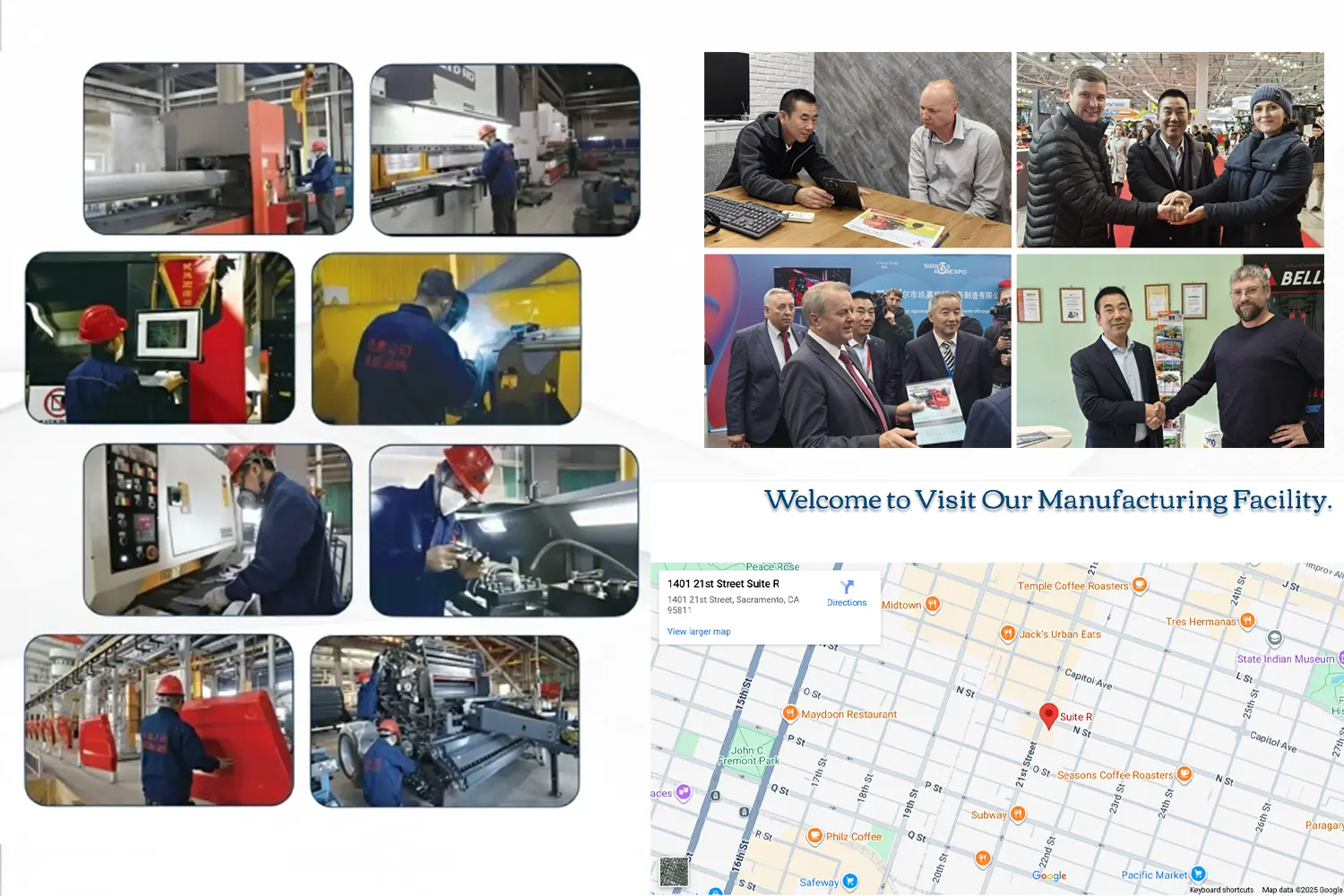
ローダートラクターの定格吊り上げ能力は、ローダーの旋回位置ではなく、最大リーチ位置での数値が重要です。ローダーメーカーは、「旋回位置での最大吊り上げ能力」と「最大リーチ位置での最大吊り上げ能力」を別々の仕様として公表していますが、最大リーチ位置での数値は常に低い値であり、輸送および積み重ね時にローダーを伸ばした状態でベールを運搬する際の正しい基準値となります。
- 乾燥干し草 4×5 (700~900 ポンド): ローダーの定格荷重は最大リーチ時で最低 1,200 ポンド
- 乾燥干し草 5×5 (900~1,200 ポンド): ローダーの定格荷重は最大リーチ時で最低 1,600 ポンド
- サイレージ 4×5 (1,000~1,400 ポンド): ローダーの定格荷重は最大リーチ時で最低 1,800 ポンド
- サイレージ 5×5 (1,200~1,600 ポンド): ローダーの定格荷重は最大リーチ時で最低 2,200 ポンド
ローダーを最大高さまで上げてベールを運搬すると、トラクターの重心が前方かつ上方に移動し、後車軸と前車軸の重量比が低下します。傾斜地を走行中は、ベールを最大高さまで上げたままにしないでください。50フィート以上移動する前に、ローダーを運搬高さ(地面から12~18インチ)まで下げてください。重いベールが傾斜地で最大高さにある場合、トラクターの転倒リスクが最も高くなります。
丸型ベールの取り扱いに関するよくある質問
ベール量と保管環境に応じた最適なハンドリングシステムの推奨事項を入手しましょう。
年間ベール量、ベールサイズ、畑から貯蔵場所までの距離、および現在使用しているローダー装置についてお知らせください。お客様のベールを最小限の損傷で最大限に効率的に取り扱うための、槍型またはグラップル型の仕様とキャリアシステムをご提案いたします。
編集者: Cxm


