
The pre-cutting system on a round baler is an option that appears on many commercial models but is specified by fewer buyers than it should be on some operations and more than it should be on others. Understanding what chopper knives actually do to the forage before it enters the bale chamber — and what the measurable consequences are for bale density, feed value, and equipment costs — allows you to make the decision on evidence rather than marketing.
What Pre-Cutting Does to Forage Before Bale Formation
A pre-cutting (or knifing) system on a round baler places a rotor with knife holders immediately behind the pickup and ahead of the bale chamber intake. As the pickup delivers cut forage to this rotor, the rotor spins at high speed and the knives shear the forage stems against a fixed shear bar — cutting the stems into shorter lengths before the material enters the chamber.
The practical effects of this pre-cutting step on bale quality and feed value are three-fold. First, shorter stem lengths pack more tightly under the same chamber pressure, increasing bale density by 8 to 18% compared to the same forage baled without knives — a direct increase in tons per bale and a reduction in transport and storage space per unit of dry matter. Second, shorter particle lengths improve rumen digestion rates in ruminant animals (dairy cows, beef cattle), reducing the energy cost of mechanical breakdown during mastication and increasing available energy per kilogram of DM consumed. Third, dense, pre-cut bales are easier to feed with bale processors and mixer wagons because the shorter, more consistent particle lengths flow more uniformly through augers and mixing paddles than long-stemmed whole-plant forage.
Particle Size vs Livestock Class: Choosing the Right Knife Configuration
The optimal pre-cut particle length depends on the target livestock class that will consume the forage. Different species and production classes have different rumen fill constraints, fiber requirements, and optimal particle size ranges:
| Livestock Class | Recommended Particle Length | Knife Configuration | Reason |
|---|---|---|---|
| High-producing dairy (lactating cows) | 3–5 cm | Maximum knives (17–25 knife positions) | Short particle length maximizes energy density and TMR flowability. NDF from long stems reduces DMI in high-producing cows. |
| Beef cattle (backgrounding / finishing) | 5–8 cm | Mid-range knives (9–17 knife positions) | Improved feedout efficiency without the very fine cut that causes sorting behavior in beef cattle on high-grain TMR diets. |
| Cow-calf (dry cows, spring calving) | 8–15 cm | Low knife count (4–9 positions) or no knives | Dry beef cows require long effective fiber (peNDF) for rumen mat function. Over-cutting reduces peNDF below minimum requirements. |
| Horses (hay fed directly) | 15–30 cm (long) | No pre-cutting knives | Horses require long-stem forage for normal chewing time, saliva production, and hindgut buffering. Pre-cut forage fed directly can contribute to gastric ulcer risk in horses. |
| Sheep (adult ewes, lambs) | 8–15 cm | Low knife count or no knives | Sheep are sensitive to very fine-cut forage causing acidosis risk. Sufficient long fiber supports correct rumen function in small ruminants. |
Particle length recommendations are general guidelines from ruminant nutrition research. Specific rations should be confirmed with a livestock nutritionist for your herd. Pre-cut particle length from a given knife configuration varies with forage type, moisture, and baler ground speed.
When Pre-Cutting Pays: The Programs That Justify Knife Investment
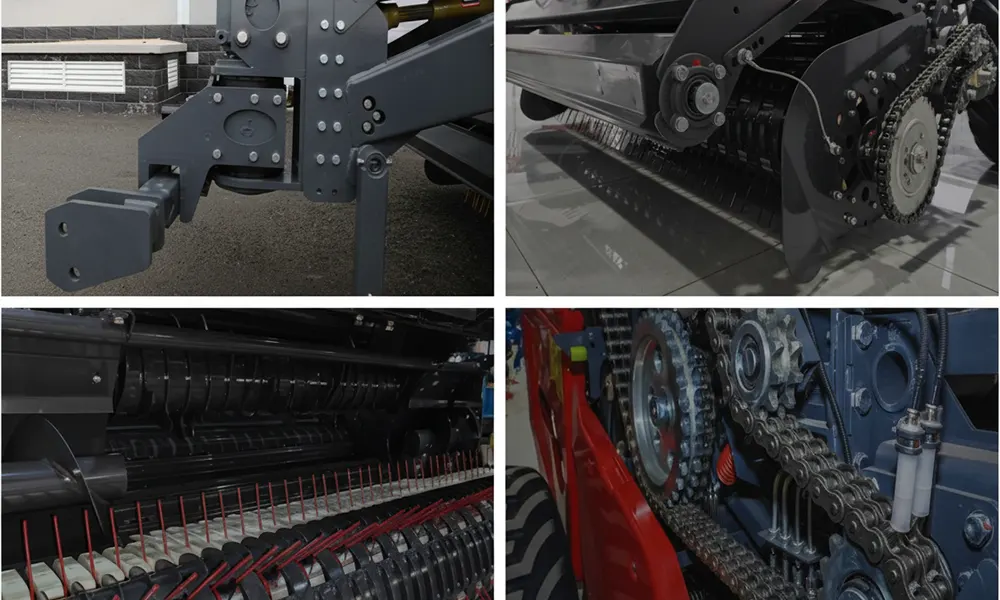
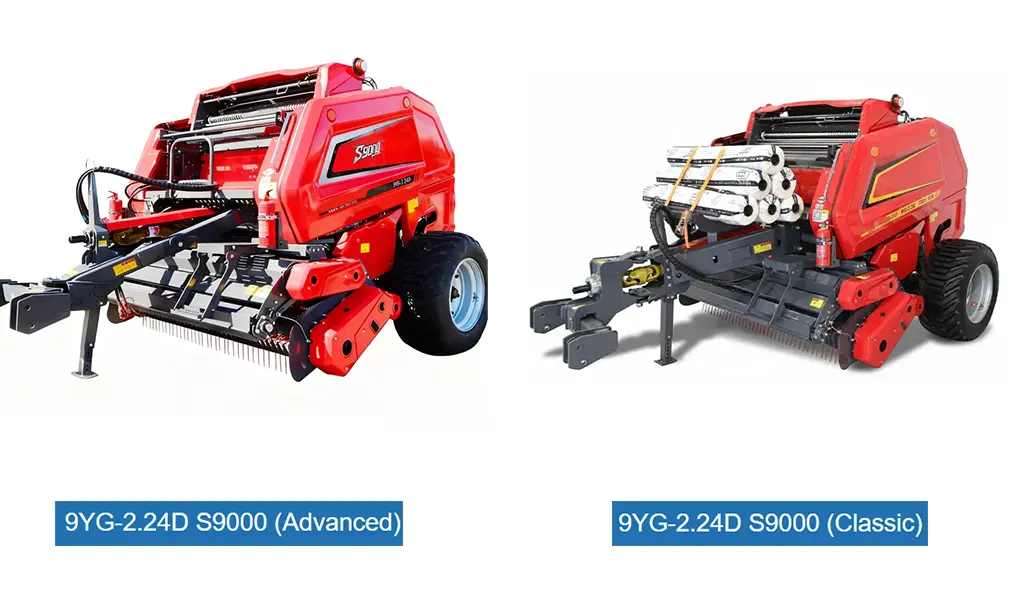
Pre-cutting systems reliably generate positive return on investment in three specific program types. The first is silage production at high moisture — at 40 to 65% crop moisture, pre-cutting significantly improves compaction within the bale, reducing the oxygen-filled void fraction that supports aerobic spoilage during storage. Well-cut, dense silage bales have measurably lower fermentation heating losses and better aerobic stability at feedout than whole-plant silage bales at the same moisture. The 9YG-2.24D S9000 Advanced baler is available with a pre-cutting system option for silage-focused programs.
The second program where pre-cutting pays is high-producing dairy operations using TMR feeding systems. The density improvement in pre-cut bales means more dry matter per load when bales are transported to the TMR wagon from storage, and the improved flowability of pre-cut forage through mixer augers reduces separation and mixing time in the TMR process.
The third program is large-scale hay operations selling on a weight basis where the density improvement directly translates to revenue per bale. A 15% density increase on 2,000 bales per season at $100 per bale represents $30,000 of additional annual revenue potential — a return that exceeds the capital cost of a pre-cutting system within a single season at commercial scale.
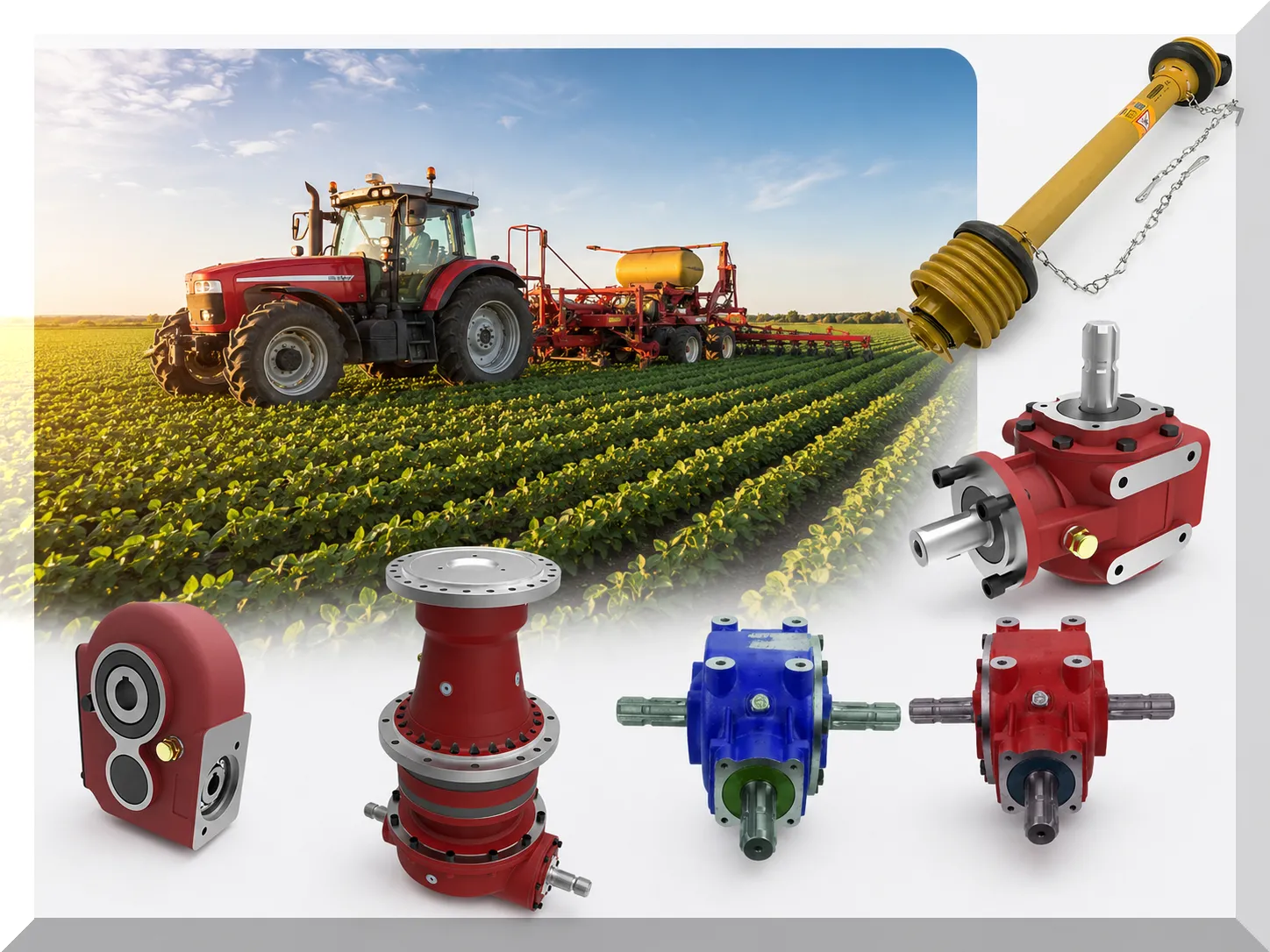
For the full context on how bale density affects nutritional value and market price, our bale density and feed quality guide covers the density-value relationship in detail. The agricultural drive gearbox and PTO components that power the pre-cutting rotor from the baler’s main PTO input are sized for continuous-duty operation at the additional load the knife system adds — typically 10 to 20 HP above the base baler requirement depending on knife count and crop type.
When Pre-Cutting Is Unnecessary or Counter-Productive
Pre-cutting systems add unnecessary cost and maintenance on operations where the forage use case does not benefit from shorter particle lengths. Horse hay production is the clearest example: pre-cut hay is actively undesirable for direct horse feeding, and the capital and maintenance cost of a knife system adds no market value to horse hay bales. Operations selling mixed-use hay where the buyer base includes horse producers should consider whether knives on the baler create a market limitation that outweighs the density advantage.
Straw baling is a second case where pre-cutting typically adds more problems than benefits. Dry straw is highly abrasive and wears knife edges rapidly — a knife system that lasts 80,000 linear meters of alfalfa cutting may need resharpening or replacement after 20,000 meters of straw. The density benefit of pre-cutting straw is also more limited than on hay crops because straw’s low natural moisture means it compacts relatively well even without pre-cutting. Running knives through straw when they are not needed accelerates wear without delivering a proportional benefit.
Knife Maintenance: Sharpness, Shear Bar Gap, and Replacement Intervals
The pre-cutting system requires two distinct maintenance actions to remain effective. Knife edge sharpness is the primary variable: as knives dull, they tear rather than cut the forage stems, increasing power consumption without improving particle length or bale density. Most pre-cutting systems allow in-situ knife sharpening using a provided grinding tool that dresses the cutting edge without removing the knife from the holder. Sharpen at the first sign of elevated PTO load, rough cut surface, or visible edge rounding — typically every 1,500 to 3,000 bales on alfalfa or grass hay.
The shear bar gap — the clearance between the rotating knife edges and the fixed shear bar — is the second critical adjustment. Too wide a gap (above 0.8 mm) allows stems to pass between knife and bar without being cut, reducing pre-cutting effectiveness. Too narrow a gap (below 0.2 mm) risks knife-to-bar contact that damages both components. A feeler gauge shear bar adjustment is part of the pre-season setup procedure and should be verified after any rock ingestion event, which can push the knife away from the bar and widen the gap significantly.
Frequently Asked Questions

Tell Us Your Livestock Class and Forage Program — We Confirm the Right Knife Configuration
Whether your operation needs maximum knife count for dairy silage or zero knives for horse hay, our U.S. team confirms the right specification before anything ships. Direct factory pricing from California warehouse.
Editor: Cxm


