
Tırmıklama Neler Başarmalı ve Neler Başarmamalı
Tırmık, saman yapım sisteminde iki amaca hizmet eder: kurutulmuş saman yığınını balya makinesi için doğru genişlik ve yoğunlukta bir sıra haline getirir ve -nemli koşullarda veya düzensiz kuruyan ürünlerde- kısmen kurumuş saman yığınını kabartarak ve çevirerek kuruma sürecini hızlandırabilir. Her iki amaç da meşru ve değerlidir. Risk, hız, nem koşulu veya tırmık türünün yaprak kırılmasına -mekanik darbe nedeniyle kurumuş yaprakların saplardan fiziksel olarak ayrılmasına- neden olmasıdır.
Yaprak dökülmesi, tırmıklama işlemindeki en önemli kalite kaybıdır. Yonca bitkisinde, yaprak kısmı bitkinin toplam proteininin yaklaşık 65-701 TP5T'sini ve sindirilebilir enerjinin orantısız bir payını içerir; yani samanın en yüksek kaliteli kısmıdır. Düşük nemde tırmık tarafından dökülen yapraklar kalıcı olarak kaybolur: ya rüzgarla savrulurlar ya da balya makinesinin toplayamayacağı kadar küçük parçalara ayrılırlar. 221 TP5T ham protein içeren bir yonca tarlasında 101 TP5T yaprak dökülmesine neden olan bir tırmıklama işlemi, balyalanmış samanın teslim edilen ham proteinini 19-201 TP5T'ye düşürebilir; bu fark, birçok tahıl deposu spesifikasyon sayfasında pazar kalite derecesi eşiğini aşmaktadır.
Tırmıklama İçin Nem Hedefleri: Kaliteyi Koruyan Rakamlar
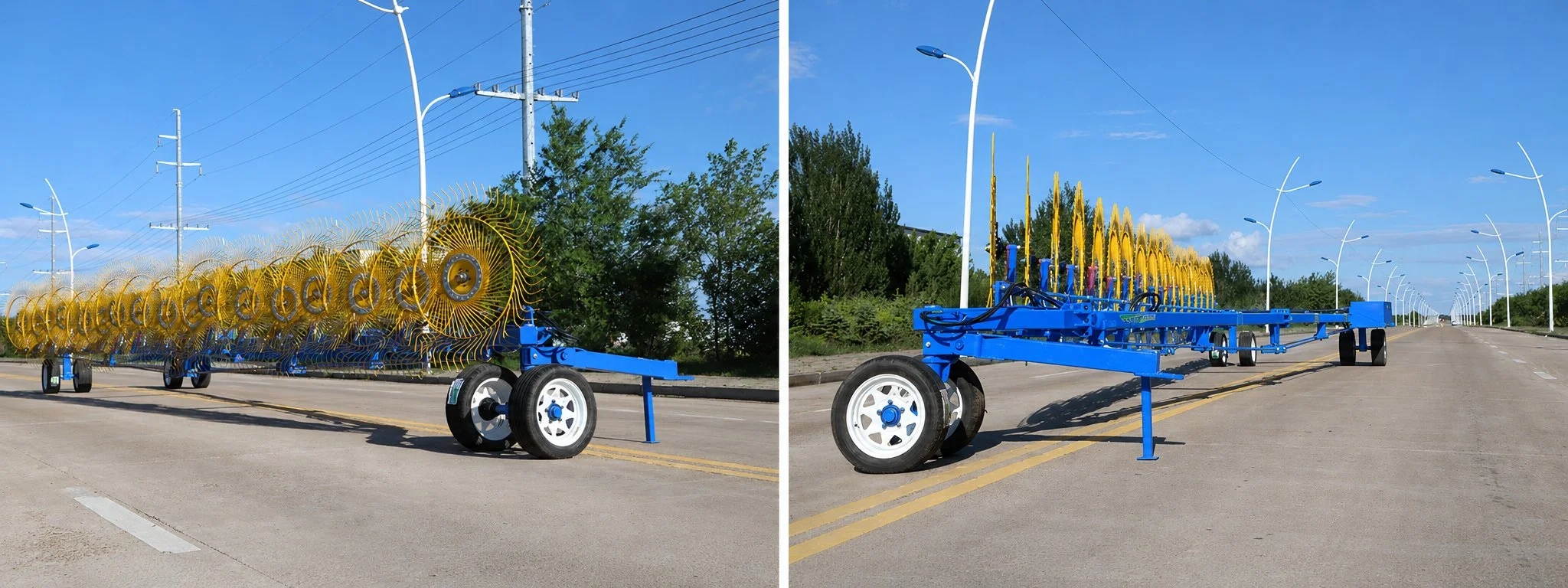
Tırmıklama işleminde kullanılan nem oranı, hem kalite kaybı riskini hem de tırmıklama işleminin işlevsel amacını belirler. Evrensel bir "doğru" tırmıklama nem oranı yoktur; doğru hedef, tırmıklama nedeninize ve hangi ürüne bağlı olarak değişir.
| Mahsul / tırmıklama amacı | Bu nem seviyesinde tırmıklayın. | Bu ürün yelpazesinin nedeni nedir? | Yaprak kırılma riski |
|---|---|---|---|
| Yonca — yüksek kaliteli süt ürünleri / ihracat | 20–25% | Yapraklar hala esnektir; tırmık dişlerinin teması kırılma yerine bükülmeye neden olur. Ek 2-4 saatlik kuruma sonrasında güvenli dış mekan balyalama için yeterli nem kalır. | Düşük (2–4%) |
| Yonca — sığır eti / çiftlikte yetiştirilen saman | 18–22% | Kalite standartları daha az katı olduğunda biraz daha kuru hedef kabul edilebilir; yine de 15%'nin altındaki kırılgan yaprak bölgesinden kaçınılır. | Düşük-orta (3–7%) |
| Çim samanı (meyve bahçesi otu, çayır otu) | 18–24% | Ot samanı, yonca otuna göre daha esnek yapraklara sahiptir ve tırmıklama işlemi sırasında önemli bir kalite kaybı olmadan biraz daha geniş bir nem aralığına dayanabilir. | Düşük (2–5%) |
| Daha hızlı kurutma için tırmıklama (kurutma makinesi fonksiyonu) | 30–50% | Bu nem seviyesinde yapraklar tamamen esnektir ve normal tırmıklama hızında parçalanmazlar. Yüksek nemde tırmıklama, yığın oluşturma adımı değil, kurutmayı hızlandıran bir işlemdir. | Çok düşük (0–2%) |
| Herhangi bir ürün — tehlike bölgesi | <14% | Nem oranı 14%'nin altında olduğunda, yonca yaprakları kırılgan hale gelir; tırmık tırmığıyla temas anında parçalanmaya neden olur. Bu nem oranında tek bir tırmık geçişinde yaprak kütlesinde 20%'yi aşan kalite kaybı yaşanabilir. | Yüksek-şiddetli (10–25%) |
Pratik kural şudur: Eğer saplar kuru ama yapraklar hala hafif serin ve esnekse, yaprakları tırmıklamak için güvenli zaman dilimindesiniz demektir. Yaprakları parmaklarınız arasında ovduğunuzda buruşuyor veya ufalanıyorsa, saman çok kuru demektir ve önemli bir kalite kaybı olmadan tırmıklanamaz. Bu durumda, ya tırmıklamadan balyalayın ya da sabah neminin yaprakların yeterli esnekliğini geri kazanmasını bekleyin (genellikle sabah erken saatlerde 18–22%).
Tırmık Hızı: Çoğu Operatörün Çok Yüksek Ayarladığı Değişken
Tırmıklama sırasında zemin hızı, yaprak kırılma oranını belirleyen ve operatörün doğrudan kontrolü altında olan değişkendir; ancak çoğu operatör tırmıklarını optimum hızdan 20–40% daha hızlı çalıştırır. Hız ve yaprak kırılması arasındaki ilişki doğrusal değildir: Tırmıklama hızının iki katına çıkarılması, tırmık dişlerinden gelen yaprak darbe kuvvetini yaklaşık dört katına çıkarır, çünkü darbe kuvveti, diş ile ürün arasındaki bağıl hızın karesiyle orantılıdır.
En uygun hız: Kuru saman için 5–8 mil/saat (20–25% nem); yüksek nemli saman çevirme/kabartma için 8–12 mil/saat (30%+)
Hızın burada neden daha önemli olduğu: Döner tırmıklar, aynı zemin hızında bantlı tırmıklara göre daha yüksek tırmık-ürün çarpma hızları üretir, çünkü tırmık tekerleğinin dönme hareketi, zemin hızına kendi hızını da ekler. Kuru koşullarda, daha yüksek zemin hızında daha hızlı tekerlek dönüşü, yaprak kırılmasını önemli ölçüde artırır. Ürünün ne kadar kuru olduğuna bağlı olarak hızınızı azaltın.
En uygun hız: Nem oranı –25% iken 6–10 mph; daha yüksek nem oranlarında 12 mph'ye kadar.
Yaprak kırılma profili: Çubuklu tırmıklar, aynı zemin hızında daha düşük tırmık-ürün çarpma hızına sahiptir çünkü tırmık uçları ağırlıklı olarak hareket yönünde hareket eder. Döner tasarımlara göre yüksek hızlarda biraz daha toleranslıdırlar, ancak kuru koşullarda saatte 10 milin üzerindeki hızlarda yine de önemli ölçüde parçalanmaya neden olurlar.
En uygun hız: Nemden bağımsız olarak 5-8 mil/saat
Yaprak kırılmasının avantajı: Bantlı tırmıklar, diğer tüm tırmık türlerine göre en düşük yaprak kırılmasını sağlar; taşıma hareketi ürüne çarpmak yerine onu hareket ettirir. Yer hızı, yaprak kırılma riskiyle değil, bant taşıma kapasitesiyle sınırlıdır. Özellikle yaprak kaybının en aza indirilmesinin en yüksek öncelik olduğu durumlarda kullanılır (ihracatlık çayır otu, yüksek kaliteli yonca).
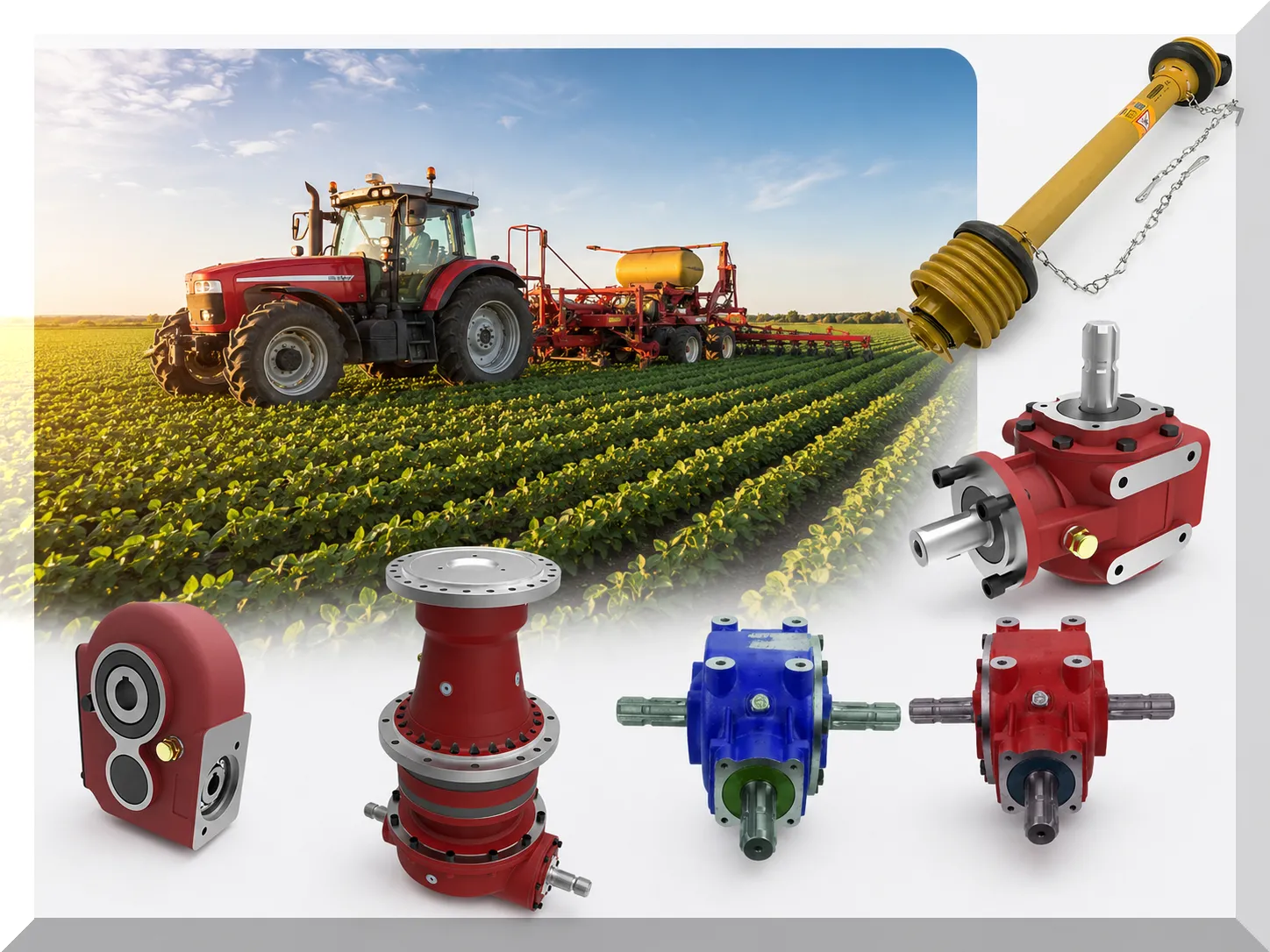
Tırmık tasarımlarının ve yaprak parçalama özelliklerinin ürün türüne göre ayrıntılı bir karşılaştırması şurada yer almaktadır. saman tırmığı çeşitleri karşılaştırma kılavuzu. İlk yığın yapısını ve tırmığın daha sonra çalışacağı nem dağılımını belirleyen biçme ve şartlandırma işlemi, aşağıdaki bölümde ele alınmaktadır. biçme ve bakım kalitesi kılavuzuTırmık tahrik sistemlerinde PTO şaft hızı gereksinimleri, dişli oranı ve tırmık şanzımanı özellikleri için lütfen ilgili bölüme bakın. tarımsal şanzıman ve PTO tahrik sistemi bileşenlerinin özellikleri.
Sıra Genişliği ve Balya Makinesi Toplama Oranı
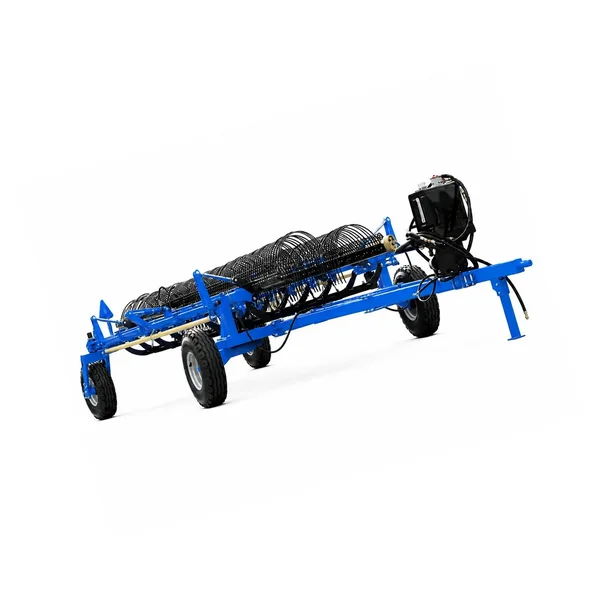
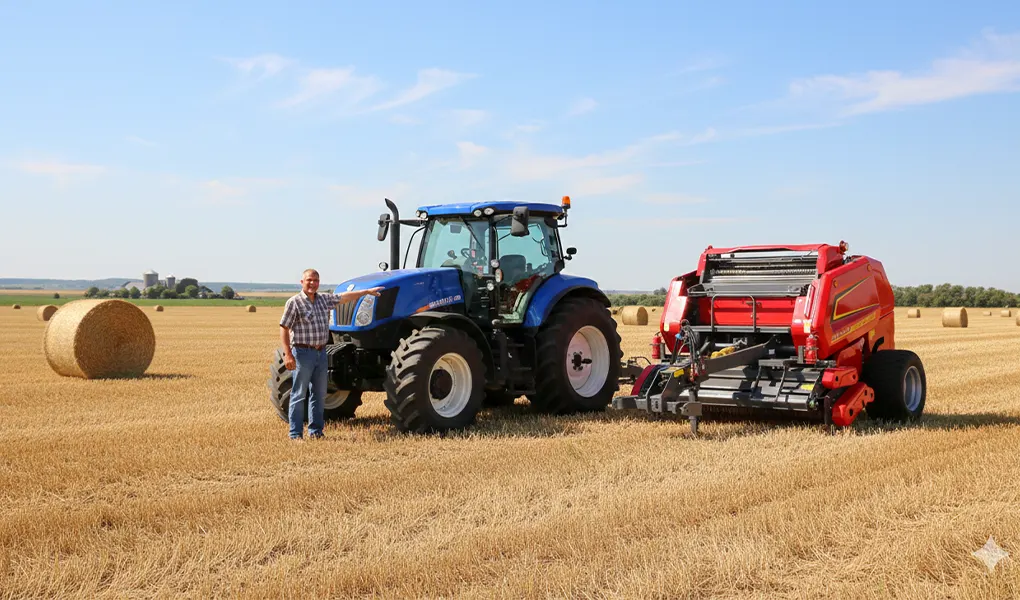
Tırmıkla oluşturulan saman yığını, verimli ve temiz bir toplama için balya makinesinin toplama genişliğiyle uyumlu olmalıdır. Toplama genişliği çok fazla olan bir saman yığını, balya makinesinin tırmıklarının saman yığınının kenarlarını kaçırmasına ve her geçişte bir saman şeridi bırakmasına neden olur. Çok dar bir saman yığını ise, toplama makinesinin saman yığını ile tarla yüzeyi arasındaki boş alanı süpürmesine, toplama verimliliğini düşürmesine ve aynı alanı toplamak için daha fazla geçiş gerektirmesine neden olur.
Örnek: 60 inç (5 ft) balya toplama çapı → optimum balya sırası genişliği = 30–39 inç
Örnek: 72 inç (6 ft) balya toplama çapı → optimum sıra genişliği = 36–47 inç
Toplama genişliğinin 50–65% olduğu bir sıra genişliği, toplama dişlerinin her sıra kenarının 2–4 inç ötesine süpürmesini sağlayarak, sıra kenarlarındaki gevşek malzemenin tamamen toplanmasını garanti eder. Bu kenar süpürme işlemi, kurutma sırasında yaprak dökülmesinden sonra en değerli yaprak fraksiyonunun yoğunlaştığı yerdir; bunu temiz bir şekilde toplamak için, toplama işleminin her iki tarafta da görünür sıra kenarının birkaç inç ötesine geçmesi gerekir.
Doğru sıra genişliğini ayarlamak, tırmığın teslimat açısını veya her geçişte birleştirilen sıra sayısını ayarlamayı gerektirir. Ayarlanabilir tekerlek açısına sahip bir V-tırmık, tekerlek açısı ayarına bağlı olarak daha dar veya daha geniş bir sıra oluşturur; daha geniş açı daha dar, daha yüksek bir sıra; daha sığ açı ise daha geniş, daha alçak bir sıra oluşturur. Aynı tırmıkla aynı miktarda ürün toplandığında, 30 inç genişliğindeki bir sıra, 45 inç genişliğindeki bir sıraya göre daha yüksek ve daha yoğun olacak ve tırmıklama sonrasında farklı kuruma özelliklerine sahip olacaktır.
Farklı Alanları Birleştirme: Birleştirmenin Mantıklı Olduğu ve Olmadığı Durumlar
İki veya daha fazla biçilmiş ot yığınını tek bir yığın halinde birleştirmek (tek yığından daha geniş bir yığın halinde tırmıklamak), dönüm başına verim düşük olduğunda balyalama verimliliğini artırmak için yaygın bir uygulamadır. Birleştirme kararı, daha az balyalama işlemi yapma isteğine değil, balyalama makinesinin minimum yığın yoğunluğu gereksinimine dayanmalıdır.
- Tek sıra halinde toplanan saman, çok yavaş balyalama hızı (saatte 2 milin altında) gerektirmeden tam bir balya oluşturmak için çok hafiftir.
- Dönüm başına ürün verimi 1,5 tonun altında kuru madde seviyesinde; tek sıra halinde yığılmış otlar, verimli toplama için çok ince.
- Tarla koşulları, nem katmanlarında eşitsizlik olmadan (her iki biçilen parça da aynı nem seviyesinde kurutularak) hasat yapılmasına olanak tanır.
- Birleştirilmiş saman yığını, 50–65% oranında balya makinesinin toplama genişliğine hala sığmaktadır.
- İki kumaş parçası farklı hızlarda kurudu; birleştirilmesi, daha nemli malzemenin daha kuru malzemenin içine gömülmesine ve depolama sırasında eşit olmayan şekilde ısınan nem tabakalı balyalar oluşturmasına neden oldu.
- Toplam yığın, balya makinesinin toplama genişliğinin 65%'sini aşıyor; toplama mekanizması yığın genişliğinin tamamını düzgün bir şekilde toplayamıyor.
- Birleştirilmiş saman yığını o kadar yoğundur ki, makul herhangi bir yer hızında balya makinesinde balya yükü oluşmasına neden olur.
- Bir bölüm kayalık, yüksek bir arazide, diğeri ise alçak, ıslak bir alanda kurutuldu; bu birleştirme, iki farklı nem seviyesini bir araya getiriyor.
Balya Sırası Yoğunluğu ve Balya Makinesi Toplama Verimliliği: Balya Makinesini Başarıya Hazırlama
Yığın halindeki balyaların yoğunluğu ve kıvamı, genişliği kadar önemlidir. Yığın boyunca ince ve kalın arasında değişen bir balya yığını (tırmık operatörünün yığın kenarlarının üzerinden geçip malzemeyi kaçırması durumunda sıkça görülür), balya yoğunluğunun tutarlılığını azaltan ve balya kırılması riskini artıran balya yükleme/boş oda değişimine neden olur. İdeal balya yığını, sıranın bir ucundan diğer ucuna kadar hem kesit alanı hem de malzeme yoğunluğu bakımından homojendir.
Tarladaki otu kabartmak yerine yuvarlayan bir tırmık, toprak yüzeyine daha yakın, sıkıştırılmış ve yoğun bir sıra oluşturur. Bu sıkıştırılmış yapı, nemi sıra tabanında hapsedebilir ve düzensiz kurumasına neden olabilir; üst kısım balyalama nemine ulaşırken alt kısım hala %5-8 daha nemli olabilir. Tarladaki otu kabartan bir tırmıklama tekniği (biraz daha yüksek tırmık tekerlek açısı veya daha güçlü bir diş yay hareketi ile elde edilir), havanın kesit boyunca dolaşabilmesi sayesinde daha düzgün kuruyan, daha hafif ve daha yüksek bir sıra oluşturur. Kaliteli saman için, biraz daha düşük hız ve daha agresif tekerlek açısı ile kabartılmış bir sıra oluşturmak, tırmıklama hızındaki mütevazı azalmaya değerdir.
Tarlaya girişten çıkışa kadar, balyalama makinesinin balyalama sırasında düz ve tahmin edilebilir bir yolda ilerleyebilmesi için, balya yığınının tam olarak hedeflenen sıra çizgisi üzerinde ortalanmış halde tutulması, tutarlı bir yerleşim sağlar. Sapan, kıvrılan veya tarla sıralarına açılı duran bir balya yığını, daha fazla balyalama makinesi yönlendirme düzeltmesi gerektirir, balyalama hızını düşürür ve balya toplama mekanizmasının kıvrımların iç tarafındaki balya yığını kenarlarını kaçırma olasılığını artırır. Tırmık geçişlerini biçme makinesi geçişlerine ve tarla sınırlarına paralel tutun; her tırmık geçişine başlamadan önce tarla giriş noktasında hizalayın.
Asansörde Size Pahalıya Mal Olan Altı Hata
En sık karşılaşılan ve kaliteyi düşüren tırmıklama hatası. Tırmığın arkasında ince toz ve gözle görülür yaprak dökülmesi izi olarak kendini gösterir. Tırmıklama işlemini sabah erken saatlerde (çiğ kuruduktan sonra, öğlen sıcağı nemi 15%'nin altına düşürmeden önce) veya yükselen nemin yaprak esnekliğini artırdığı öğleden sonra geç saatlerde yapın.
Tırmıklama sırasında rüzgarın savurduğu yaprak malzemesi, toplanmadan önce yanlara doğru savrulur. Saatte 32 km hızla esen yan rüzgarda, parmak tekerlekli bir tırmık, 8-151 ton ince yaprak ve saman malzemesini yığın genişliğinin dışına dağıtabilir. Yüksek rüzgar koşullarında, kaliteli saman için tırmıklama işlemi ertelenmelidir; sığır samanı için ise kalite üzerindeki etkisi daha az kritiktir.
Toprağa temas eden tırmık uçları, kül içeriğini artıran ve balyayı kirleten mineral maddeleri toplar. Özellikle farklı toprak yapısına sahip tarlalar arasında geçiş yaparken veya yağmurdan sonra toprak yüzeyi yükseldiğinde, her yeni tarlayı tırmıklamadan önce tırmık uçlarının açıklığını kontrol edin. En alt tırmık ucu yayı ile sıkı toprak arasında 0,5–1 inçlik bir boşluk bırakın.
22% nem bandı ile 16% nem bandını birleştirmek, iç nem dağılımı tahmin edilemeyen karışık bir balya oluşturur. Balya dışarıdan kuru görünür ancak ısınan ıslak iç bölgeler içerir. Her iki bandı da test edin ve yalnızca aralarındaki nem oranları %3'ten az olduğunda birleştirin.
Toplama genişliği 65%'den fazla olan bir sıra, toplama aletinin her geçişte kenarlarda mahsulü kaçırdığı kısımlar bırakır. Bu kaçırılan kenar şeritleri genellikle sıranın en yoğun kısmıdır (tabana yerleşmiş en ağır mahsul) ve toplam mahsul kütlesinin 10-15%'sini temsil edebilir. Tırmık açısı ayarına karar vermeden önce sıra genişliğini toplama genişliğiyle karşılaştırın.
Balya işleminden sonra yığınları "temizlemek" için yapılan ikinci bir tırmıklama işlemi, yığın kenarlarında kalan malzemeyi geri kazanır, ancak zaten kuru olan malzemenin ek bir mekanik bozulmasına neden olur. 15% nem seviyesinin altındaki her tırmıklama işlemi yaprak kırılmasını artırır. İlk balya işlemi yığın kenarlarında malzeme bıraktıysa, toplama yüksekliğini biraz düşürün ve ikinci işlemde daha yavaş balya yapın; bu, yaprak kaybını artırmadan ikinci bir tırmıklama işleminden daha fazla kenar malzemesi toplar.
Saman Tırmıklama Hakkında Sıkça Sorulan Sorular
İşletmenize uygun tırmık ve balya makinesi özelliklerini belirleyin.
Bize ana ürününüzü, hedef pazarınızı, biçme makinenizin kesim genişliğini ve balya makinenizin toplama genişliğini bildirin. Maksimum toplama verimliliği ve minimum yaprak kaybı için balya makinenizin toplama genişliğine uygun sıralar oluşturan tırmık çalışma genişliğini ve tırmık tipini onaylıyoruz.
Editör: Cxm


