by ep | Jun 4, 2026 | Forage Baler
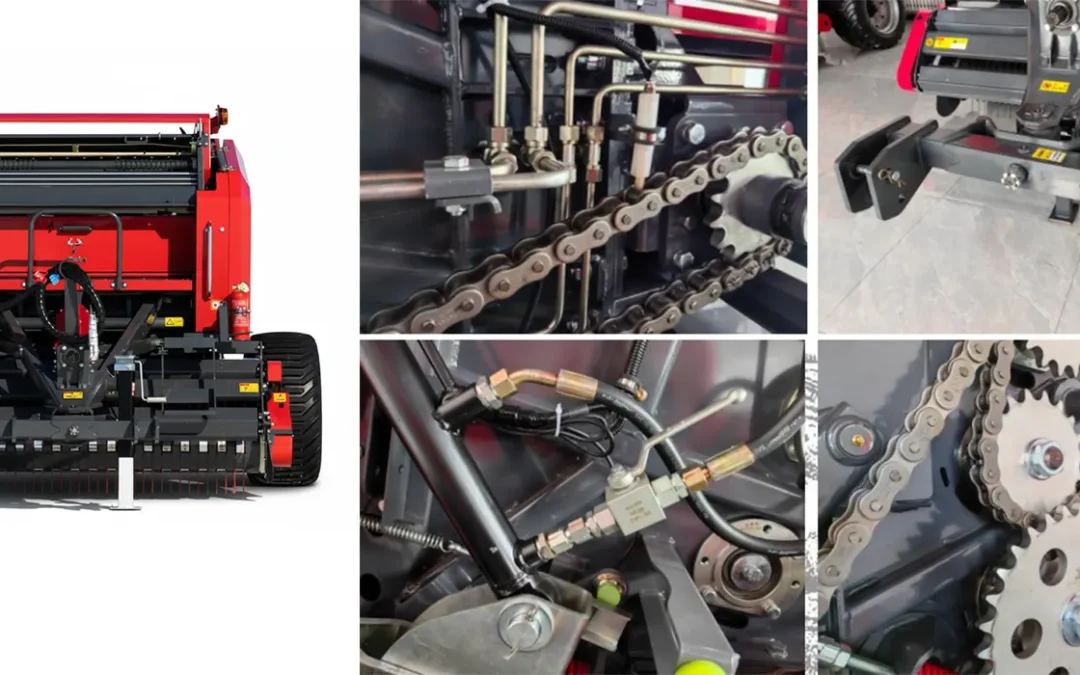
USDA NOP — Organic Certification for Hay Producers Organic Hay Certification: USDA NOP Requirements Guide The organic hay market pays $40–$80/ton above conventional in most U.S. markets — a premium that has grown every year since 2018. Getting there requires a 3-year...
by ep | Jun 4, 2026 | Forage Baler
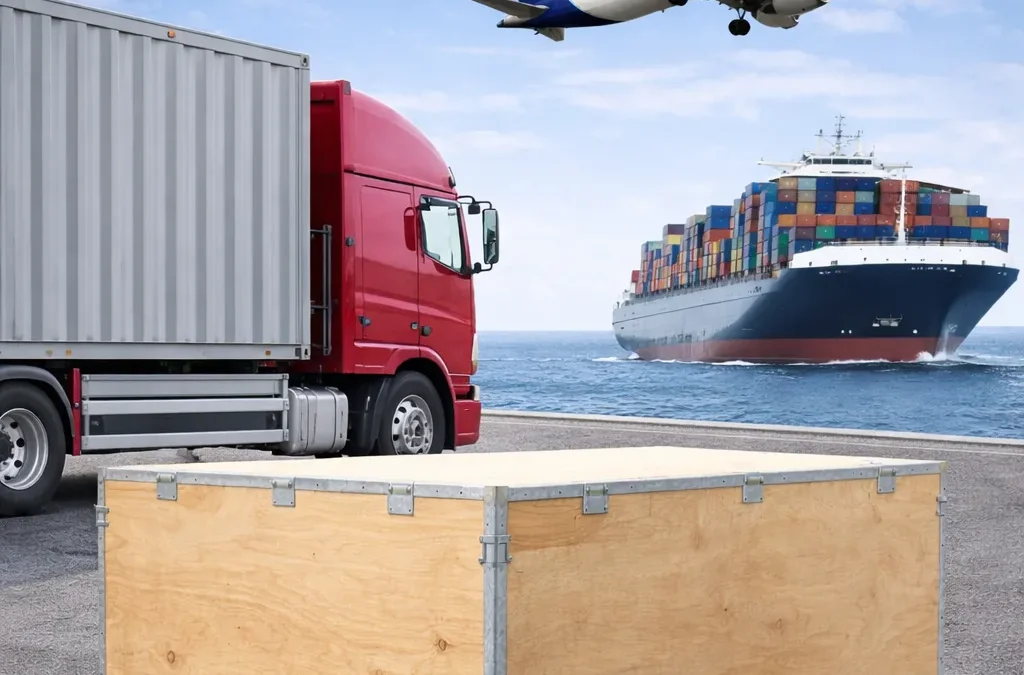
Baleage Equipment — System Comparison and ROI Baler Wrapper Combo vs Separate Wrapper: Baleage Guide The entire baleage quality debate reduces to one variable: how long freshly baled forage sits exposed to oxygen before sealing. Every minute of that window is a...
by ep | Jun 4, 2026 | Forage Baler
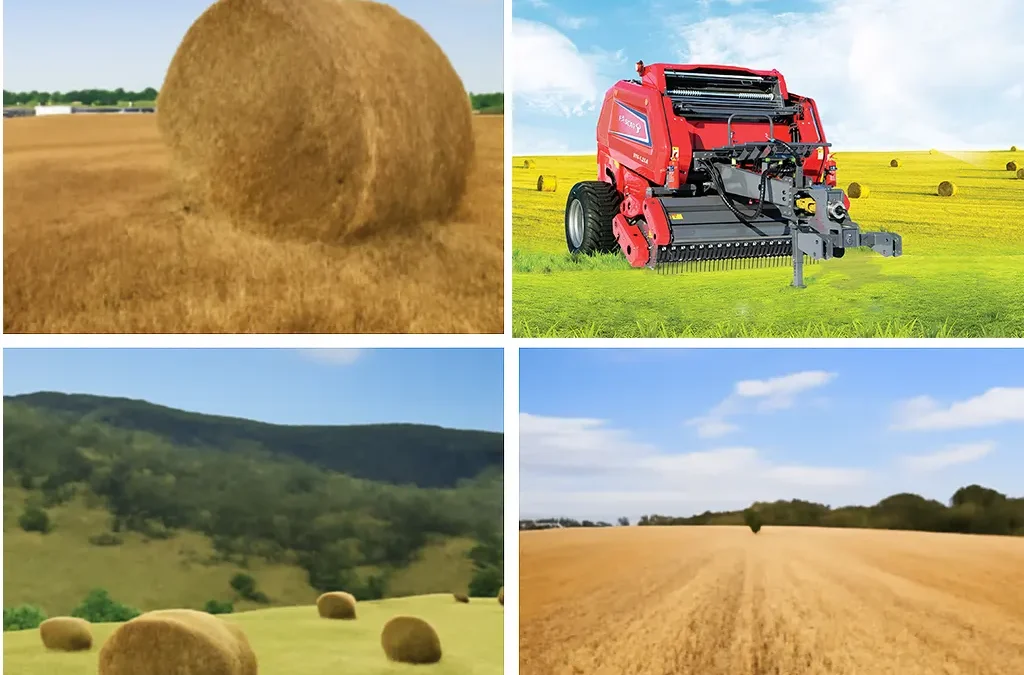
Cool-Season Grass — Endophyte Safety and Production Guide Tall Fescue Hay: Endophyte, Toxicosis, and Horse Safety Tall fescue grows on more U.S. acres than any other cool-season grass, and the majority of those acres harbor a toxic endophyte that causes documented...
by ep | Jun 4, 2026 | Forage Baler
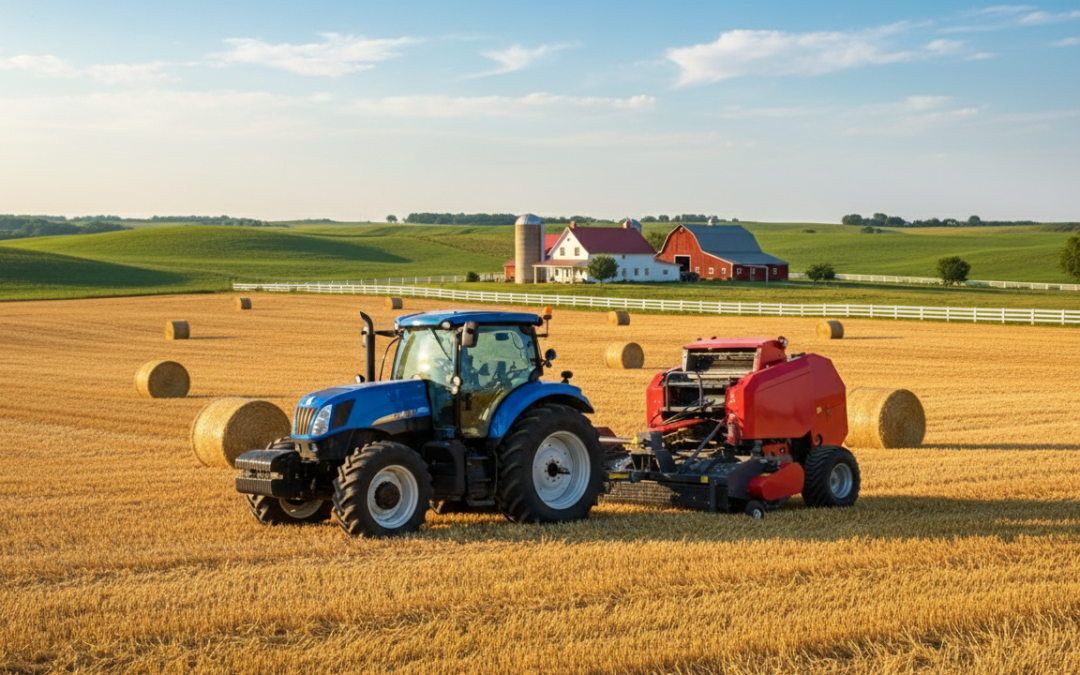
Small Ruminant Hay — Quality Targets and Species Guide Hay for Goats: Quality, Species Selection, and Feeding Guide Goats are not small cattle, and cattle hay standards don’t transfer. Alfalfa ideal for dairy does can cause life-threatening urinary calculi in...
by ep | Jun 4, 2026 | Forage Baler
Legume Hay — Safety, Quality, and Production Red Clover Hay: Bloat Risk, Cutting Timing, and Baling Red clover hay tests higher in crude protein than most grass hay, establishes in lower-pH soils that exclude alfalfa, and fits 2–3 year rotations where alfalfa cannot...


