Warm-Season Hay Production — Southern U.S.
Bermudagrass Hay Production and Baling Guide
Bermudagrass yields 4–8 tons per acre across up to seven cuttings annually in the southern U.S. — but it is also the most technically demanding warm-season hay crop to harvest well. Fine stems dry unevenly, quality declines faster than northern crops, and the baling window is narrower than alfalfa or orchardgrass. This guide covers variety selection, cutting intervals, drying management, baler settings, nitrogen fertility, and the market decisions that convert production into premium revenue.
Start with Variety Selection
Why Bermudagrass Hay Requires a Different Production Mindset
Producers who have experience with alfalfa or cool-season grass hay and then transition to bermudagrass discover quickly that their existing instincts about cutting timing and drying management are partially wrong for this crop. Bermudagrass has a fundamentally different physiology and a different quality degradation curve than any northern hay crop — and the production system has to be built around those differences, not around what works in Kentucky or the Midwest.
4–7 cuts/season
Cutting frequency possible under full-season management in Gulf Coast and deep South regions — more revenue opportunities but also more total management complexity than northern hay systems
28–35 day
Optimal cutting interval for most hybrid bermudagrass varieties — shorter intervals sacrifice yield without meaningfully improving quality; longer intervals push CP below profitable thresholds
50–150 lbs N
Nitrogen per acre per cutting required by productive hybrid bermudagrass — the crop is a luxury consumer of nitrogen and will not achieve premium quality or yield without adequate fertility at every cutting cycle
What makes bermudagrass different
Bermudagrass is a C4 warm-season grass, which means it uses a different photosynthetic pathway than C3 cool-season grasses. This gives it significantly higher water-use efficiency and heat tolerance but also means it has a higher fiber fraction and lower digestibility than equivalent-stage alfalfa or orchardgrass. The cell wall structure is more lignified at equivalent maturity stages, which is why bermudagrass NDF values (55–72%) run substantially higher than alfalfa (38–50%). This fiber level is not a quality failure — it is an inherent characteristic of the species — but it means bermudagrass hay is nutritionally different from alfalfa and should be marketed and priced accordingly.
The quality-maturity degradation curve
Bermudagrass quality declines with maturity faster, in percentage terms, than most cool-season grasses — and the decline is non-linear. A stand that would yield acceptable hay at 28 days may test 2–3 percentage points lower in CP and 8–12 points higher in NDF at 42 days. For cattle operations, this difference may still produce acceptable hay. For horse and dairy markets, this difference crosses quality thresholds that determine the market you can access and the price you can command. Understanding where your specific variety and growing conditions fall on this curve — through trial and testing — is more valuable than following a generic cutting-interval guideline.
Bermudagrass Varieties: What Grows, Yields, and Tests Well
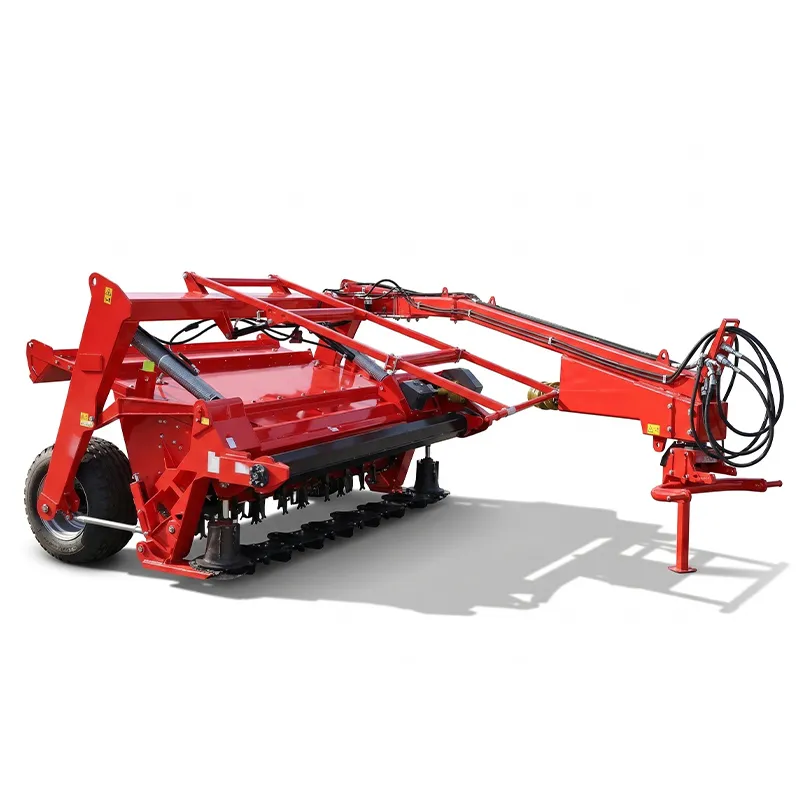
Bermudagrass variety selection is the production decision that sets the ceiling on your yield potential, quality ceiling, and regional adaptation — and it is not reversible without replanting. Most commercial bermudagrass varieties are sterile hybrids established from sprigs rather than seed, which means the investment in establishment is significant ($150–$300/acre for sprigging costs plus $80–$150 in nitrogen the establishment year) and the variety choice is a 10–15 year commitment.
| Variety |
Yield (tons/acre) |
CP at 28 days |
Best use |
Drying speed |
| Tifton 85 |
5–8 |
11–14% |
Dairy, feedlot, horse |
Moderate |
| Coastal |
4–6 |
8–12% |
Cow-calf, stocker cattle |
Fast (fine stems) |
| Jiggs |
4–7 |
10–14% |
Cattle, horses — drought-tolerant |
Fast |
| Alicia |
3–5 |
9–12% |
Cattle — cold-tolerant, upper South |
Fast |
| Common bermuda (seeded) |
2–4 |
7–10% |
Low-input cattle |
Very fast |
Tifton 85 vs Coastal: Tifton 85 outyields Coastal by 20–40% in most trials and produces hay with notably higher digestibility and CP at equivalent cutting intervals — it is the variety of choice when fertility and moisture support its full potential. Coastal remains the dominant hay variety across the Southeast because of its lower input requirements and superior drought tolerance, making it more forgiving under variable growing conditions. For operations targeting premium dairy or horse markets, Tifton 85 justifies its higher management intensity. For operations selling to cow-calf producers or commodity cattle markets, Coastal’s reliability and lower fertility requirement often produces better overall economics.
Cutting Interval and the Quality-Yield Tradeoff in Bermudagrass Production
No production decision has more impact on bermudagrass hay quality than cutting interval — and the tradeoff between quality and yield is sharper in bermudagrass than in most other hay crops. Shorter intervals produce higher CP and lower NDF values but sacrifice total seasonal yield and may stress the stand. Longer intervals produce more tons per acre but push quality metrics below premium market thresholds.
21 days
Aggressive interval — possible in high-fertility, irrigated conditions. CP can reach 14–16% but yields are 25–35% lower than 35-day intervals. Stand stress risk is high with repeated short intervals. Rarely justified economically except for specialty horse hay operations with very high per-bale returns.
28 days
Recommended interval for premium markets. Tifton 85: CP 11–14%, NDF 55–62%, ADF 32–38%. Coastal: CP 9–12%, NDF 58–66%, ADF 34–42%. Adequate root carbohydrate recovery between cuttings maintains stand health for multiple seasons. This interval is the baseline for dairy and horse-quality bermudagrass hay.
35 days
Standard cattle hay interval. Maximum yield per cutting — 15–25% more tons than 28-day intervals. Quality decline is acceptable for cow-calf and stocker operations. CP drops to 8–11% range on most varieties, NDF increases to 62–72%. Stand recovery is excellent at this interval.
42+ days
Over-mature — stems become woody and coarse, digestibility falls significantly, seed heads form on common varieties. CP at 6–9%, NDF at 68–78%. Hay produced at this interval will not be accepted by most commercial buyers and will require significant discounting even for low-grade cattle market sales.
Stand health over multiple years: The cutting interval that maximizes quality (21–28 days) also stresses bermudagrass stands by reducing the recovery time for root carbohydrate storage between cuttings. Stands cut too frequently too many times per season show stand thinning by year 3–5. Rotating one cutting per season (typically the last of the year) to 42–45 days allows the stand to fully recharge root carbohydrates before winter dormancy and significantly extends stand productive life. This is particularly important for Tifton 85, which is less winter-hardy than Coastal and benefits from a longer growth-out period before the first killing frost.
Drying Bermudagrass Hay: The Most Challenging Step in Production
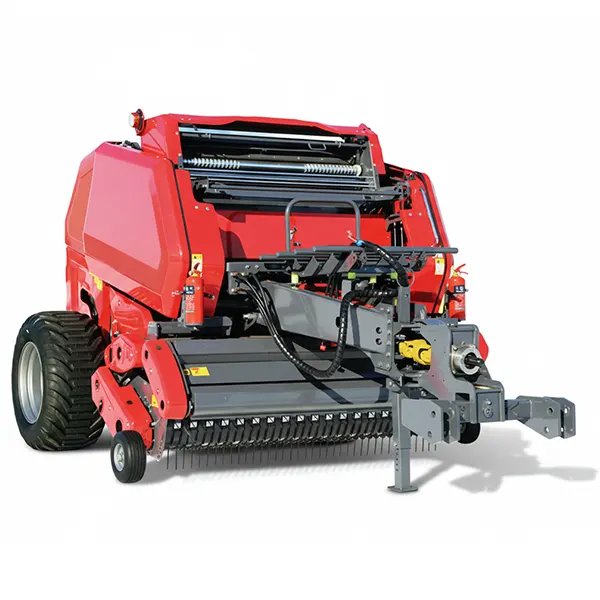
Bermudagrass is paradoxically the crop that dries fastest and the crop that most often gets baled at the wrong moisture. Its fine stems dry from the outside very quickly — the top of the windrow may reach 10% moisture within 24 hours of cutting in hot weather — while the interior of the windrow remains at 20–25% moisture. This exterior-drying-faster-than-interior pattern creates the illusion that the hay is ready to bale when in fact the interior moisture would produce significant mold development in the bale within 3–5 days of storage.
Target moisture range for bermudagrass baling
For round bales without preservative: 12–16% moisture throughout the bale. The critical measurement is the interior of the windrow, not the outer surface — use a probe-type moisture meter that reads the windrow core, not a surface reader. Target 14% at the core and you will typically have 11–12% on the exterior, which is acceptable for bermudagrass. Baling above 18% core moisture in bermudagrass produces more severe mold than in alfalfa due to bermuda’s naturally higher residual sugar content that feeds mold growth.
Why summer heat creates a narrow baling window
In peak summer conditions — 95°F temperatures, 30% relative humidity, full sun — bermudagrass can go from baling-ready to over-dry in 3–4 hours. Operators in deep-South states who have experienced a cutting-day schedule that looked ideal at 8 AM and had hay below 10% by noon understand this firsthand. The practical management response: check windrow moisture at 7 AM, 10 AM, and 1 PM on clear drying days rather than relying on elapsed drying time estimates. Bale the moment the interior core hits 14–15% and do not leave hay in the windrow past that point on clear summer afternoons.
Propionic acid preservative for wider baling windows: Applying propionic acid or buffered propionic acid at 0.5–1.0% of bale weight allows bermudagrass to be baled at 18–22% moisture without mold development. This is particularly valuable for late-evening cuttings that would otherwise need to wait until the following afternoon to reach 14% moisture — risking afternoon thunderstorms that reset the drying process. The cost ($3–$8/bale at recommended application rates) is easily recovered by eliminating one day of weather risk per cutting cycle.
Tedding Bermudagrass: Why the Tedder Is Not Optional for This Crop
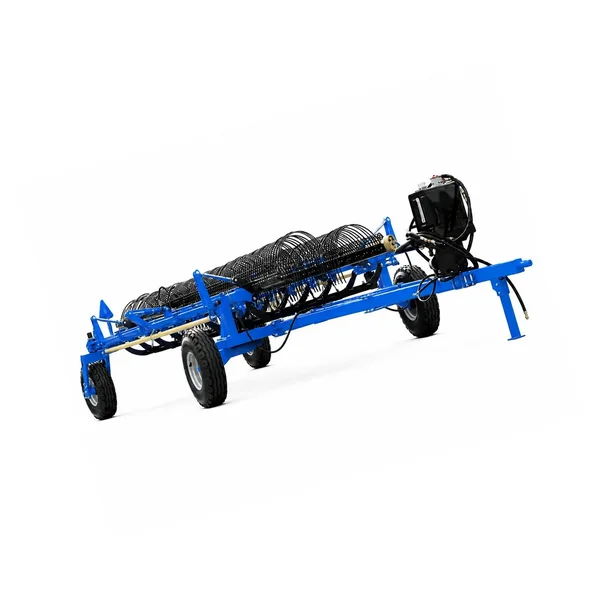
Bermudagrass cut and dropped directly into a narrow windrow creates a dense, matted layer that can take 36–72 hours to reach baling moisture in humid Southern conditions — during which time weather risk accumulates and leaf color begins to bleach from UV exposure. Tedding within 2–4 hours of cutting, before the outer surface dries and the mat becomes fixed, reduces drying time to 18–36 hours in most Southern summer conditions. The difference in drying time between tedded and un-tedded bermudagrass hay is proportionally greater than for alfalfa because bermuda’s finer stems mat more densely.
When to ted
Ted 1–3 hours after cutting, when the cut material is still flexible and hasn’t begun to surface-dry. A second tedding at 6–8 hours post-cutting may be warranted in humid conditions. Do not ted after the outer surface has dried to below 25% — at this point the material is brittle and tedding causes leaf shatter rather than improved drying.
Tedder speed for bermudagrass
Operate the tedder at slightly lower tine speed than for alfalfa to reduce leaf loss. Bermudagrass has small, fine leaflets that are more vulnerable to mechanical stripping than alfalfa leaflets. A tine tip speed of 45–55 mph (vs 55–65 mph for alfalfa) provides adequate material spreading without excessive leaf loss.
Tedder vs no tedder: drying comparison
In controlled University of Florida and Georgia Extension trials, bermudagrass with single tedding reached 15% moisture 8–14 hours faster than unmanaged windrows under equivalent weather conditions. On a 30-cut-day calendar, that 8-hour reduction converts to 1–2 additional cuttings per season that avoid weather events, representing a meaningful yield and quality benefit.
The complete tedder operation guide — including timing, speed settings, swath width management, and when to skip tedding in dry conditions — is in the hay tedder complete guide. Windrow formation and raking technique for bermudagrass before baling is covered in the hay raking techniques and windrow formation guide.
Baler Settings for Bermudagrass: What Changes from Northern Hay Crops
Bermudagrass bales at different density and behaves differently in the chamber than alfalfa or orchardgrass. Its fine, interlocking stems create a more cohesive mat that holds together well as a bale once compressed — but this also means that starting density is critical because over-compression happens faster in bermudagrass than in alfalfa. Three baler settings require adjustment when switching to bermudagrass production.
Density spring setting
Reduce density spring tension by 10–15% from the setting used for alfalfa at equivalent moisture. Bermudagrass forms a denser bale per unit weight than alfalfa at the same spring tension — running alfalfa density settings on bermudagrass produces over-packed bales that require excess PTO torque and cause accelerated belt and roller wear. Target 10–11 lbs per cubic foot for standard cattle bermudagrass hay; 11–12 lbs per cubic foot for horse-quality hay where bale integrity through handling is important.
Pickup speed
Reduce ground speed in dense windrows — bermudagrass windrowed from productive Tifton 85 or Jiggs stands can produce very heavy, dense windrows that overload the pickup tine system if entered too fast. Enter a new windrow at 3–4 mph and increase to 5–6 mph once the chamber starts filling. The fine stems of bermudagrass pass through the pickup more easily than alfalfa stems, but the windrow density creates a volume-per-foot challenge that requires speed management.
Net wrap selection
Use net wrap rather than twine for bermudagrass bales, particularly in humid storage conditions. Bermudagrass bales wrapped with twine shed moisture from the outer layer but allow significant moisture infiltration through the twine-open portions of the bale surface. Net wrap provides better outer surface protection and maintains bale shape through the repeated handlings that are common when selling to cattle operations that move bales multiple times before feedout. The reduced outer layer DM loss from net wrap typically saves more than its cost differential over twine in the first storage season.
Browse our round balers for warm-season hay production to compare density-control systems and chamber sizes suited to bermudagrass baling volume. PTO shaft torque management and gearbox specifications for high-density bermudagrass baling are in agricultural gearbox and PTO driveline component specifications.
Fertility Management: The Nitrogen Schedule That Drives Bermudagrass Yield
Bermudagrass is the most nitrogen-responsive forage crop in common production in the United States. It will use every pound of available nitrogen you apply, up to the point where other growth constraints (moisture, sunlight, potassium) limit response. A Tifton 85 stand managed at 50 lbs N per acre per cutting may yield 1.2–1.5 tons per cutting. The same stand managed at 100 lbs N per acre per cutting under adequate moisture may yield 1.8–2.2 tons per cutting — a 40–50% yield increase from nitrogen alone.
Base nitrogen program (dryland)
50–65 lbs actual N per acre per cutting applied within 1–3 days after each cutting. This timing maximizes uptake efficiency because the plant is actively regrowing and can immediately utilize applied nitrogen. Do not apply nitrogen before cutting — it feeds the cut material, not the regrowth. Total annual application: 200–325 lbs N per acre across 4–5 cuttings.
High-input nitrogen program (irrigated)
80–120 lbs actual N per acre per cutting under irrigation. The moisture limitation that prevents full nitrogen response on dryland acres is removed with irrigation, allowing the stand to utilize higher nitrogen rates. Split application — 50 lbs immediately post-cut and 40–60 lbs 10–12 days later — can improve efficiency under heavy summer rainfall that may leach a single large application before the plant can absorb it.
Potassium and sulfur
Bermudagrass is a luxury consumer of potassium — it will absorb more K than it physiologically requires when soil K is high, which creates imbalances in removed K relative to replacement. Soil test every 2 years and replace K removed by hay at approximately 25–30 lbs K2O per ton of hay removed. Sulfur at 10–15 lbs/acre/year improves CP conversion efficiency and is frequently deficient on sandy soils throughout the Southeast.
Bermudagrass Hay Quality Specifications and Market Channels
| Quality tier |
CP target |
NDF target |
ADF target |
Target market |
Price range /ton |
| Supreme (28-day, Tifton 85) |
13–16% |
52–60% |
30–36% |
Dairy, horses, feedlot |
$175–$240 |
| Premium (28–35 day, Coastal/Jiggs) |
10–13% |
58–66% |
34–40% |
Stocker cattle, horses |
$130–$175 |
| Good (35-day, Coastal, any variety) |
8–11% |
62–72% |
38–46% |
Cow-calf, beef cattle |
$80–$130 |
The bermudagrass export market: Premium documented bermudagrass hay — particularly Tifton 85 at 28-day intervals with CP above 13% — finds an active export market through Gulf Coast ports. Hay export buyers typically require USDA phytosanitary inspection, specific bale size compliance (large squares most preferred internationally, but large round bales also accepted by some buyers), and documentation of pesticide application records. If your operation is within 150 miles of a Gulf Coast port and you are producing documented high-quality bermudagrass, contact your state department of agriculture’s commodity marketing division about export hay buyer contact programs — export prices can reach $220–$280/ton FOB port for certified premium bermudagrass.
Seasonal Planning: Managing Bermudagrass Across the Full Production Season
A bermudagrass hay operation in the Deep South may run from April through October — a 7-month production window with 5–6 cuttings on productive stands. Planning the season in advance rather than reacting cutting-by-cutting produces significantly better outcomes in both economics and stand management.
April / Cutting 1
First cutting when bermuda is 4–6 inches. Quality is highest of the season but yield is lowest. Good fit for horse/dairy marketing. Apply starter N immediately after cutting.
May–June / Cuttings 2–3
Peak quality cuttings — stand fully active, nitrogen response strong, drying conditions good before summer humidity peaks. Target premium market buyers for this production.
July–Aug / Cuttings 4–5
Peak yield period but most difficult drying conditions. Very high heat and humidity require tedding and careful moisture monitoring. Quality remains high with 28-day cutting intervals on productive stands.
Sept–Oct / Final cut
Allow 42–50-day final growth-out before first expected frost to build root carbohydrate reserves for winter. Do not cut within 4 weeks of expected frost date. This final rest period is critical for stand longevity.

Bermudagrass Hay Production FAQs
Can I establish bermudagrass from seed instead of sprigs?+
Common bermudagrass varieties (like Princess 77, Sahara, and Giant) are available as seed and can be established by seeding. Seeded varieties typically produce lower yields (2–4 tons/acre) than hybrid sprigged varieties like Tifton 85 or Coastal (4–8 tons/acre) but have lower establishment costs ($30–$60/acre for seed vs $150–$300/acre for sprigs). For operations primarily targeting cattle hay markets at commodity prices, seeded common bermudagrass can be a cost-effective establishment strategy. For operations targeting premium dairy, horse, or export markets where yield per acre and quality specification matter, the higher yield and quality ceiling of hybrid sprigged varieties justifies the higher establishment investment — the additional income per acre typically recovers the cost difference within 2–3 years of production.
How do I deal with broadleaf weed competition in bermudagrass stands?+
Bermudagrass’s aggressive competitive nature makes it naturally resistant to weed encroachment once the stand is fully established — typically by the second or third year. Early in establishment (year 1), broadleaf weeds can be significant competition. Selective broadleaf herbicides labeled for use in established bermudagrass (metsulfuron-methyl, triclopyr, dicamba) control most common broadleaf weeds without damaging the grass. Apply when bermudagrass is actively growing (not during drought stress or dormancy) and when weeds are in early growth stages. For established stands showing weed pressure, examine whether the cause is stand thinning from over-cutting, disease, or soil pH issues — weeds typically fill thinned stands rather than invading healthy dense bermudagrass. Correct the underlying cause rather than treating symptoms with repeated herbicide applications.
Is bermudagrass hay suitable for horses with laminitis or EMS?+
Bermudagrass is generally considered one of the safer warm-season grasses for insulin-dysregulated horses because it naturally accumulates fewer fructans (a type of WSC) than cool-season grasses. Its NSC typically ranges 6–14%, compared to 10–22% for cool-season grasses, making it more consistently within the low-NSC range that EMS and laminitis-prone horses require. However, bermudagrass NSC is not uniformly low — early spring growth, drought-stressed material, and heavily fertilized stands can all elevate NSC significantly above typical levels. For horses with confirmed metabolic conditions, bermudagrass should still be tested for NSC before use, particularly from lots produced during atypical growing conditions. A veterinary nutritionist should always be involved in feeding management for horses with active laminitis or severe insulin dysregulation regardless of the hay species used.
Why is my bermudagrass hay yellowing quickly in storage?+
Bermudagrass hay that turns from green-to-yellow within 30–60 days of baling has almost always experienced one of two problems: either it was baled slightly over target moisture and underwent heat damage from microbial activity during initial curing in the bale (the “barn cure” effect), or it was stored outdoors or in partial cover and the outer layers have bleached from UV exposure. Heat damage from baling above 18% moisture causes carotene (the pigment responsible for green color) to oxidize rapidly — the resulting yellowing is accompanied by a caramel or cooked-hay smell that experienced buyers recognize as heat damage. UV bleaching from outdoor storage produces yellowing without odor but does indicate significant carotene loss, which reduces the hay’s vitamin A value for livestock consuming it. Covered storage on an elevated pad prevents UV bleaching; tight baling moisture management prevents heat damage.
How many years will a Tifton 85 stand last?+
A Tifton 85 stand under good management — adequate fertility, appropriate cutting intervals including an annual late-season rest period, and soil pH maintained between 6.0 and 6.5 — typically remains productive for 10–15 years before significant stand thinning requires renovation or replanting. The primary stand-shortening factors are: repeated short cutting intervals without an adequate fall rest period (depletes root carbohydrate reserves); severe winter kill in marginal-cold areas (Tifton 85 is less cold-hardy than Coastal, with winter kill risk above zone 7a); disease pressure from Helminthosporium leaf spot under wet conditions; and soil compaction from heavy equipment that reduces stand vigor. Tifton 85 stands in South Georgia and Central Florida that are managed with consistent fertility programs and appropriate rest periods have remained productive for 20+ years — the investment in proper management pays compounding returns over the stand’s life.
Can bermudagrass hay be made into baleage (silage bales)?+
Yes — bermudagrass baleage is increasingly popular in the humid Southeast where reliable drying weather is limited during parts of the production season. Bermudagrass baleage is typically made at 40–60% moisture (wilted for 4–12 hours post-cutting) and wrapped immediately with 6 or more layers of stretch film to create the anaerobic environment needed for fermentation. The fermentation process preserves the hay at significantly higher nutritive value than field-dried hay from the same cutting because there is no sun bleaching, rain damage, or leaf shatter from field drying and tedding. Bermudagrass baleage tends to ferment well because of its naturally higher sugar content relative to maturity — the available WSC fuels the lactic acid fermentation that acidifies the bale and prevents spoilage. The primary disadvantage compared to dry hay is the significantly higher cost per bale (plastic wrap cost, wrapper machine requirement) and the need to use baleage within 6–18 months to prevent oxygen infiltration through degraded wrap.
Editor: Cxm