
Warum die Sortenwahl die erste Entscheidung bei der maschinellen Ernte ist
Die maschinelle Ernte von Kidneybohnen umfasst zwei aufeinanderfolgende Arbeitsgänge, die unterschiedliche Anforderungen an die jeweilige Sorte stellen: das Ausreißen, bei dem die Pflanzen am Wurzelhals gefasst und aus dem Boden gehoben werden, und das anschließende Schwaden und Dreschen. Selbst eine Sorte, die sich leicht ausreißen lässt, kann hohe Ernteverluste verursachen, wenn die Hülsen beim Aufnehmen des Schwads zerbrechen. Eine Sorte mit ausgezeichneter Hülsenhaftung kann ebenfalls hohe Ernteverluste verursachen, wenn das Wurzelsystem zu aggressiv ist, um die Bohnen bei der Erntereife sauber zu ernten.
Die Trockenbohnenindustrie in Michigan – dem größten Anbaugebiet für Kidneybohnen in den Vereinigten Staaten – hat durch jahrzehntelange universitäre Versuche und die Erfahrung von Anbauern umfangreiche Daten zur Sortenleistung hinsichtlich der Ernteanforderungen gesammelt. Die wichtigste Erkenntnis aus diesen Daten: Die Unterschiede bei den Ernteverlusten zwischen den besten und schlechtesten Sorten für die maschinelle Ernte haben einen größeren wirtschaftlichen Einfluss als jede Entscheidung bezüglich Ausrüstung oder Erntezeitpunkt, die ein Landwirt während der Saison trifft. Die Sortenwahl ist die wichtigste Entscheidung für die Ernte und wird bei der Aussaat getroffen.
Die sechs Sortenmerkmale, die die Eignung für die maschinelle Ernte bestimmen
Die Höhe der untersten reifen Hülse über dem Boden bestimmt die minimale Erntehöhe und den Anteil der Ernte, der ohne Bodenkontakt geerntet werden kann. Sorten, deren unterste Hülsenhöhe unter 7,5 cm liegt, verursachen beim Ernten unzulässige Bodenstörungen und Hülsenbruch. Wählen Sie Sorten mit einer untersten Hülsenhöhe von mindestens 10 cm – so kann die Pflanze sauber geerntet werden, ohne dass die unteren Hülsen die Ernteschuhe berühren. In universitären Sortenversuchen wird die unterste Hülsenhöhe als Standardmessgröße angegeben; überprüfen Sie diesen Wert für jede neue Sorte, bevor Sie sie großflächig anbauen.
Determinierte Sorten bilden ihre Hülsen in einem konzentrierten Zeitraum und reifen gleichmäßig über die gesamte Pflanze – die oberen und unteren Hülsen befinden sich gleichzeitig in einem ähnlichen Reifestadium. Indeterminierte Sorten produzieren weiterhin neue Hülsen, während die unteren reifen, wodurch zu jedem Kalendertag unterschiedliche Reifegrade der Hülsen entstehen. Die maschinelle Ernte indeterminierter Sorten erfordert einen schwierigen Kompromiss: Entweder man erntet früh und verliert die noch reifenden oberen Hülsen, oder man erntet spät und nimmt den Ausfall der vollreifen unteren Hülsen in Kauf. Determinierte Sorten umgehen diesen Kompromiss – die gesamte Pflanze ist innerhalb eines kurzen, vorhersehbaren Zeitfensters erntereif. Für die maschinelle Ernte sind determinierte Sorten daher eindeutig vorzuziehen.
Der Stängel muss die Zugkraft vom Greifpunkt des Erntegeräts am Wurzelhals auf das darunterliegende Wurzelsystem übertragen, ohne zu brechen. Sorten mit spröden Stängeln brechen bei Reife eher ab, als dass sie sich sauber herausziehen lassen – der Wurzelhals trennt sich von der Wurzelzone, und der hülsentragende Teil der Pflanze bleibt im Erntegerät hängen. Die Stängelflexibilität bei der Ernte ist eine sortenspezifische Eigenschaft, die sich bei maschinellen Ernteauswertungen deutlich zeigt, aber in Ertragsversuchen nicht immer dokumentiert wird. Die Erfahrung der Landwirte in ihrer Region und mit dem jeweiligen Bodentyp ist oft der zuverlässigste Indikator dafür, welche Sorten sich sauber herausziehen lassen und welche abbrechen.
Hülsenplatzen tritt auf, wenn die Naht, die die Hülsenhälften zusammenhält, unter mechanischer Belastung beim Ziehen, Schwaden oder Dreschen reißt. Sorten mit hoher Platzresistenz verlieren 3–81 % ihres Ertrags durch Feldverluste während der Ernte, am deutlichsten sichtbar beim Schwaden oder Schwadenlegen, wenn die Hülsen mit den Zinken des Schwaders in Berührung kommen. Die Platzresistenz wird in den meisten universitären Sortenversuchen bewertet. Wählen Sie Sorten mit einer guten oder besseren Platzresistenz – der Ertragsunterschied zwischen Sorten mit hoher und niedriger Platzresistenz ist in wiederholten Versuchen oft genauso groß wie der Ertragsunterschied zwischen den ertragreichsten und den ertragsschwächsten Sorten.
Die Länge des Erntefensters – die Anzahl der Tage, in denen die Ernte mit akzeptablen Verlusten möglich ist – variiert stark zwischen den Sorten. Einige determinierte Sorten haben ein sehr kurzes Erntefenster (5–7 Tage), das eine präzise Planung erfordert. Andere Sorten bieten ein längeres Fenster (10–14 Tage) und damit mehr Flexibilität bei der Planung. Im wechselhaften Spätsommerwetter Michigans ist eine Sorte mit einem längeren Erntefenster oft wertvoller als eine ertragreichere Sorte mit einem kürzeren Fenster, da Regen und eingeschränkte Verfügbarkeit von Maschinen die Ernte zum optimalen Zeitpunkt für Sorten mit einem kürzeren Erntefenster häufig verhindern.
Aufrecht wachsende, kompakte Reben lassen sich leichter ernten als ausladende, rankende Sorten. Rankende Reben verheddern sich zwischen den Reihen, und die zusammenhängende Rankenmasse bewirkt, dass beim Ernten einer Reihe eine seitliche Kraft auf die benachbarte Reihe wirkt – was zu Reihenverschiebungen und einer Fehlausrichtung der Erntemaschinenfüße führt. Aufrecht wachsende, kompakte Reben behalten beim Ernten ihren Reihenabstand bei, sodass die Erntemaschine der Reihe präzise folgen kann. Wählen Sie für die maschinelle Ernte die aufrecht wachsende Sorte, die Ihren angestrebten Ertrag und Ihre Marktklasse erfüllt.
Auswirkungen der Wachstumsgewohnheiten auf die Einrichtung und den Zeitpunkt des Ausreißens
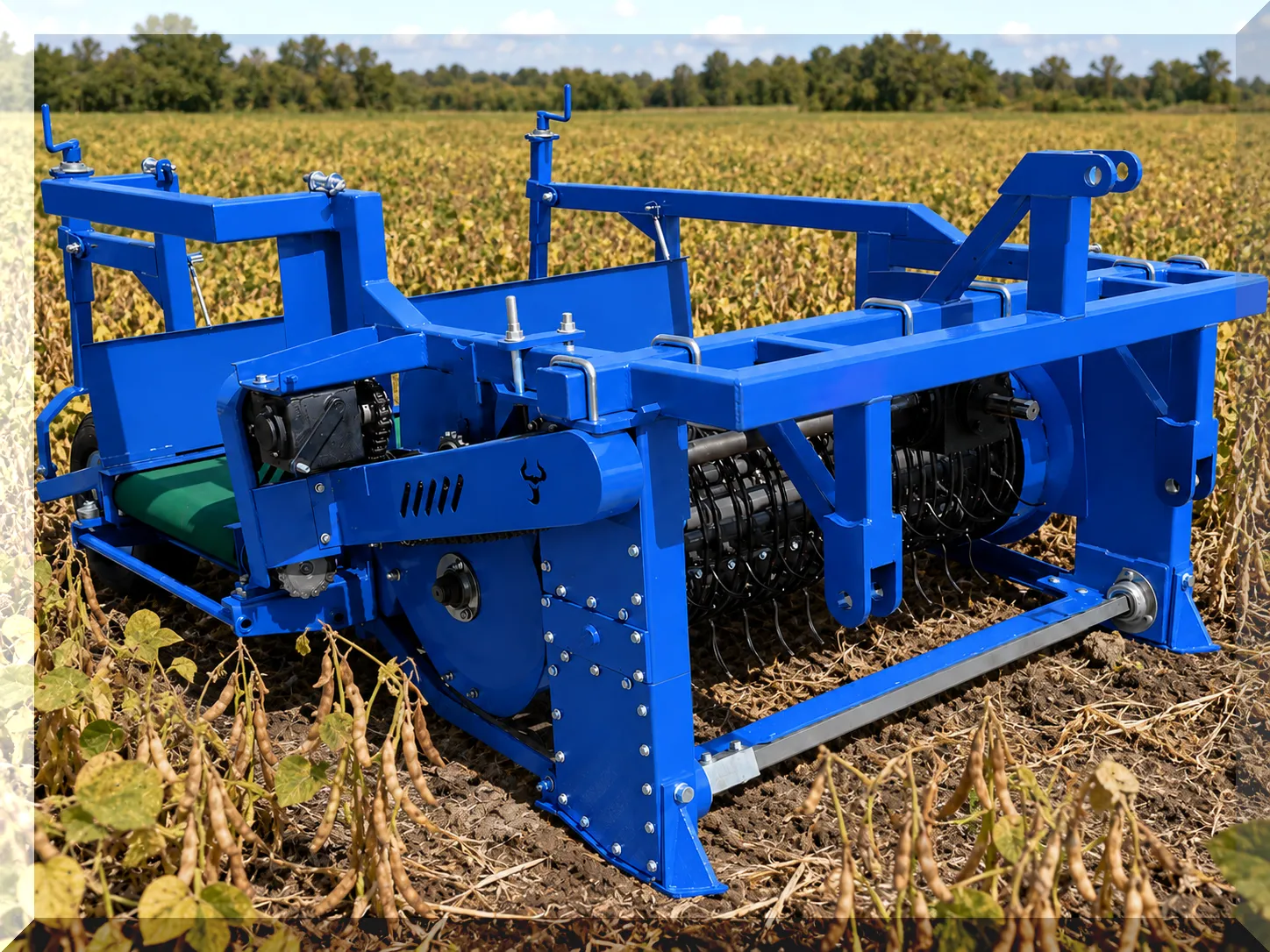
Das Wuchsverhalten der Sorte – ob determiniert oder indeterminiert, aufrecht oder rankend – beeinflusst direkt die optimalen Einstellungen und den Zeitpunkt des Erntens. Eine einheitliche Erntekonfiguration ist nicht für alle Sorten gleichermaßen geeignet; die Konfiguration sollte daher für jede Sorte und jedes Feld individuell angepasst werden.
| Sortenmerkmal | Abziehertiefeneinstellung | Optimaler Erntezeitpunkt | Geschwindigkeitseinstellung |
|---|---|---|---|
| Bestimmt, aufrecht, hoch, unterste Hülse | Standardtiefe – 1–2 Zoll unter der Bodenoberfläche am Pflanzenscheitel | Wenn 85–90% der Hülsen reif (gelbbraun) sind und der Morgentau getrocknet ist | Standardgeschwindigkeit – 3–4 mph auf ebener Strecke |
| Determiniert mit niedriger unterster Hülse (<3 Zoll) | Flacher – 0,5 Zoll unterhalb der Schuhkrone, um den Kontakt des Schuhs mit den untersten Sohlen zu minimieren | Ernten Sie die Hülsen bei einem Reifegrad von 80–851 TP5T anstatt auf die vollständige Reife zu warten – eine spätere Ernte erhöht das Risiko des Hülsenbruchs bei Sorten mit niedrigen Hülsen. | Reduzieren Sie 10–15%, um den Schuh-Pod-Kontakt in Reihen mit niedriger Pod-Größe zu minimieren. |
| Unbestimmt, aufrecht | Standardtiefe – dieselbe wie bei feststehendem, aufrechtem | Wenn die unteren Hülsen (75%) reif sind, werden die oberen Hülsen im Schwad geerntet. Warten Sie nicht bis zur vollständigen Reife der Pflanze – der Wert der ausfallenden unteren Hülsen übersteigt den der oberen. | Standardmäßig, aber die Schwaden regelmäßig auf Bruchstellen prüfen – Geschwindigkeit bei ersten Anzeichen reduzieren. |
| Kletternd oder halbkletternd | Tiefer graben, um auch Rebkronen zu erfassen, die sich möglicherweise von der Reihenmitte verschoben haben. | Bei reifen Rebsorten des Typs 70% – diese speichern Feuchtigkeit länger; warten Sie vor dem Ernten eine ausreichend lange, taufreie Morgenperiode ab. | Reduzieren Sie 20–25% – Verwicklungen durch Ranken erzeugen seitliche Widerstandsspitzen, die das Timing-System des Abziehers bei Standardgeschwindigkeit beschädigen können. |
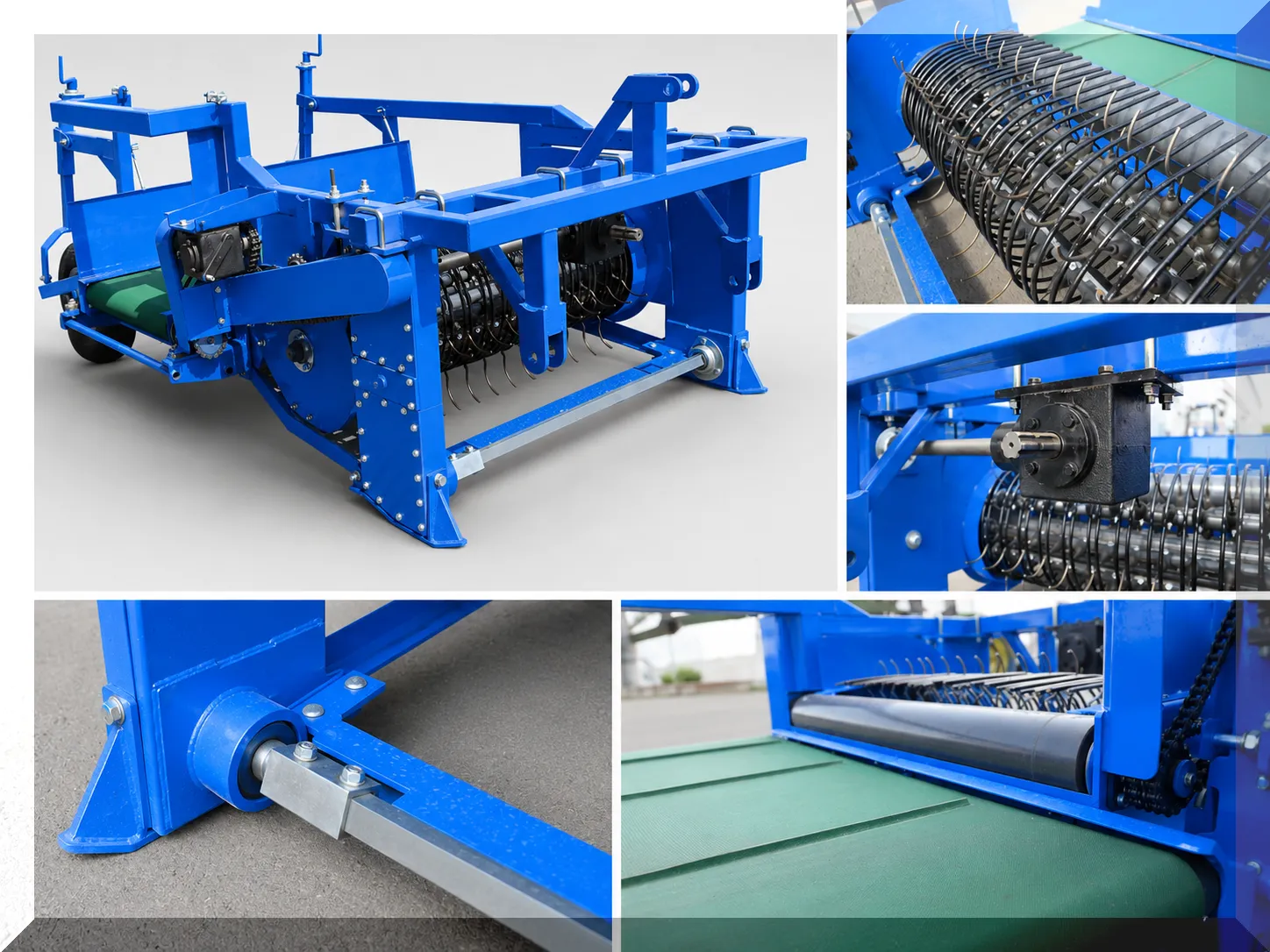
Die vollständige Konfiguration für Reihenabstand und Arbeitsbreite des Kidneybohnen-Auszupfens 4BYH-1.3 – einschließlich der Vorgehensweise zur Anpassung des Abstands der Auszupfenden an Ihren spezifischen Reihenabstand und die Sortenbreite – finden Sie in der Anleitung für Reihenabstand und Arbeitsbreite beim Kidneybohnen-PflückerDas vollständige Verfahren zur Bestimmung des Erntezeitpunkts und zur Bewertung der Feldverluste während des gesamten Erntevorgangs ist in der Anleitung zum maschinellen Ernten von KidneybohnenDie Spezifikationen für Getriebe und Zapfwelle, die die maximale Fahrgeschwindigkeit und Zugkraft des Antriebssystems des 4BYH-1.3-Zuggeräts bestimmen, finden Sie unter [Link einfügen]. Spezifikationen für landwirtschaftliche Getriebe und Zapfwellenantriebskomponenten.
Merkmale des Erntefensters nach Marktklasse
Die Kidneybohnenproduktion in Michigan umfasst mehrere unterschiedliche Marktklassen mit verschiedenen Sorteneigenschaften. Das Verständnis der Auswirkungen des jeweiligen Erntezeitpunkts auf die Anbaufläche jeder Klasse hilft den Landwirten bei der Planung des Maschineneinsatzes für ihre gesamte Anbaufläche, wenn mehrere Klassen angebaut werden.
Sortenauswahl für Ihren landwirtschaftlichen Betrieb anhand von Versuchsdaten
Die Michigan State University Extension, die Michigan Bean Commission und private Saatgutunternehmen veröffentlichen jährlich die Ergebnisse replizierter Sortenversuche für die wichtigsten Anbaugebiete für Trockenbohnen in Michigan. Diese Versuche umfassen Ertrag, Reifezeitpunkt und häufig auch Ergebnisse der maschinellen Ernte für jede Sorte. Um diese Daten effektiv für die Sortenwahl auf landwirtschaftlichen Betrieben zu nutzen, ist es wichtig zu verstehen, was die Versuchsdaten messen und wo ihre Grenzen liegen.
Priorisieren Sie mehrjährige Daten von mehreren Standorten. Eine Sorte, die in einem Jahr in einem Landkreis gute Ergebnisse erzielt hat, ist möglicherweise nicht repräsentativ für ihr durchschnittliches Verhalten über verschiedene Jahreszeiten und Böden hinweg. Bevor Sie größere Anbauflächen in Anspruch nehmen, sollten Sie Sorten wählen, die über mindestens drei Jahre und an zwei Standorten hinweg konstant im oberen Drittel der Ertragsrangliste rangieren.
Achten Sie auf die Bewertung der maschinellen Ernte, nicht nur auf den Ertrag. Einige Versuchsberichte enthalten eine Bewertung oder Rangfolge der Eignung für die maschinelle Ernte. Sofern verfügbar, ist diese Angabe aussagekräftiger als der reine Ertrag. Falls nicht verfügbar, können die niedrigste Hülsenhöhe und die Hülsenbruchrate als Ersatzwerte herangezogen werden – diese beiden Kennzahlen erklären den Großteil der Unterschiede in der Leistung der maschinellen Ernte zwischen den Sorten.
Sprechen Sie mit benachbarten Anbauern, bevor Sie sich für eine neue Sorte entscheiden. Anbauer mit 2-3 Jahren Erfahrung im Anbau einer bestimmten Sorte in Ihrem Landkreis können Informationen liefern, die in keiner veröffentlichten Versuchsstudie erfasst werden – wie die Sorte auf den jeweiligen Bodentyp reagiert, wie sie sich bei den in Ihrer Gegend üblichen nassen Bodenverhältnissen verhält und wie die Wuchsform der jeweiligen Sorte mit Ihrem Reihenabstand interagiert.
Mehrere Sorten im gesamten Betrieb einplanen
Landwirte, die verschiedene Sorten von Kidneybohnen anbauen, stehen bei der Ernte vor der Herausforderung, die Maschineneinsatzplanung zu optimieren: Mehrere Felder erreichen gleichzeitig optimale Erntebedingungen, aber ein Erntefahrzeug kann immer nur ein Feld bearbeiten. Die strategische Sortenwahl, die die Reifezeiten über die gesamte Anbaufläche staffelt, verlängert die effektive Erntesaison und reduziert den Druck, alle Felder gleichzeitig erntereif zu haben.
Pflanzen Sie die frühreife Sorte zuerst auf dem am besten zugänglichen Feld (optimale Drainage, Südlage). Dieses Feld erreicht als erstes den Erntezustand und bietet die erste Möglichkeit zur Ernte. Frühe Reife korreliert typischerweise mit einer kürzeren Wachstumsperiode und damit einem geringeren Ertragspotenzial – gleichen Sie dies mit einer ertragreicheren, mittelfrühen Sorte auf besseren Böden aus.
Pflanzen Sie die ertragreichste Sorte Ihrer Marktklasse auf Ihrem besten Boden. Die mittlere Reifezeit liegt 5–10 Tage nach Feld A, sodass der Erntehelfer ohne Terminkonflikte direkt von Feld A auf Feld B wechseln kann. Die besten Böden rechtfertigen die ertragreichste Sorte, selbst wenn diese nicht die früheste ist.
Spät reifende Sorten verschieben den Erntezeitpunkt in Richtung der Frostgefahr im Herbst, ermöglichen aber den Einsatz von Erntemaschinen bis zum Saisonende. In Michigan bieten Sorten, die Mitte bis Ende September reifen, Vorteile gegenüber Frostrisiken; der Ertragsvorteil sollte sorgfältig gegen das Frostrisiko abgewogen werden. Späte Sorten auf gut drainierten Feldern mit geringerem Frostrisiko sind die sicherste Wahl.
Reihenabstand und Pflanzüberlegungen für maschinell geerntete Sorten
Die Wahl des Reihenabstands beeinflusst in direktem Zusammenhang mit der Sortenwahl die Effizienz der Ernte. Die in Michigan üblichen Reihenabstände für Trockenbohnen von 26, 28 und 30 Zoll haben Auswirkungen auf die maschinelle Ernte, die je nach Sortenbreite und Einstellbereich des Abstands der Ernteschaber variieren.
Engere Reihen führen zu einer größeren Kronenausbreitung zwischen den Reihen – rankenanfällige Sorten überlappen bei 66 cm Reihenabstand stärker in benachbarte Reihen als bei 76 cm, was das Verheddern beim Ausreißen begünstigt. Am besten geeignet sind aufrecht wachsende, kompakte Sorten. Vorteil: Mehr Pflanzen pro Hektar für potenziell höheren Ertrag bei geeigneten Sorten.
Der am häufigsten verwendete Reihenabstand im Trockenbohnenanbau in Michigan – kompatibel mit den meisten Ausziehmaschinen und bietet ein gutes Verhältnis zwischen Pflanzenbestand pro Hektar und Bestandsabstand. Funktioniert mit einem breiteren Spektrum an Bestandsbreiten als 66 cm Reihenabstand. Standardwahl für die meisten Betriebe, ohne dass ein zwingender Grund besteht, davon abzuweichen.
Ein größerer Reihenabstand verringert den Kontakt zwischen den Pflanzenreihen bei rankenden Sorten und verbessert so die Sauberkeit beim Pflücken, allerdings auf Kosten einer etwas geringeren Pflanzendichte. Diese Methode ist besonders geeignet für halbrankende oder breitwüchsige Sorten sowie für Felder, auf denen aufgrund des bekannten Weißschimmelbefalls eine maximale Luftzirkulation im Pflanzenbestand erforderlich ist. Prüfen Sie vor der Aussaat, ob der maximale Abstand der Pflückerschuhe Ihres Pflückers zu 76 cm Reihenabstand passt.
Häufig gestellte Fragen zur Auswahl von Kidneybohnen-Sorten

Konfigurieren Sie Ihren Bohnenpflücker entsprechend Ihrer Sorte und Ihrem Reihenabstand.
Teilen Sie uns Ihre Sorte, die niedrigste Hülsenhöhe, den Reihenabstand und die Bodenart mit. Wir bestätigen Ihnen vor der Erntesaison die optimale Einstellung für den 4BYH-1.3-Schaufelabstand, die Tiefeneinstellung und die Fahrgeschwindigkeit, abgestimmt auf Ihre spezifische Sorte und Ihre Feldbedingungen.
Herausgeber: Cxm


