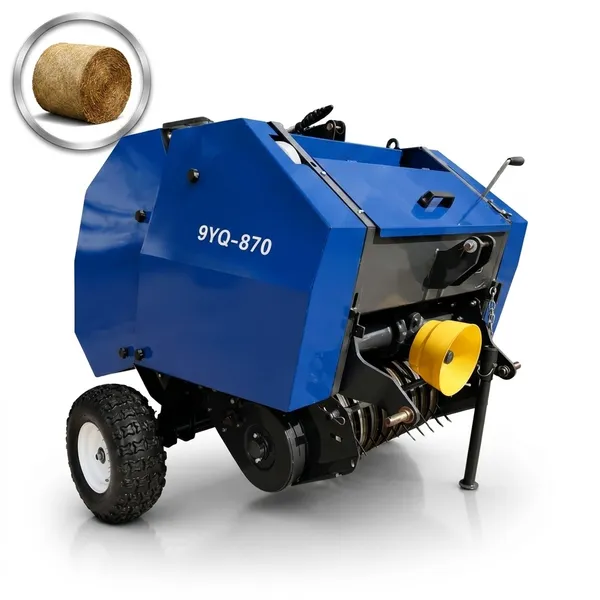
Comparison Guide · 9YQ Series · Wrapping System Selection
Round Baler Net Wrap vs Twine
Net wrap and twine are the two wrapping systems used on round balers — and the choice between them affects bale storage performance, handling speed, weather resistance and cost per bale more than almost any other operating decision on a round baling operation. This guide compares both systems across every dimension that matters for practical hay and silage production.
Covers: how each system works · wrapping speed · weather resistance · cost comparison · bale shape retention · market requirements · storage performance · when each is the right choice
How Each Wrapping System Works
ネットラップ
Net wrap is a wide woven polyethylene mesh that feeds from a roll and wraps around the full width of the bale in 1–3 revolutions. The mesh structure allows the net to grip itself on each overlapping layer, creating a self-securing wrap that holds without mechanical fastening. The wrapping cycle is brief: 45–60 seconds for a complete 2-layer wrap on most round baler models. The resulting net-covered bale surface is water-shedding, UV-resistant and mechanically stable for transport and stacking.
Twine (Sisal or Polypropylene)
Twine wrapping uses individual strands that are laid in a spiral pattern across the bale width as the bale rotates, then tied off at the end of the cycle. A typical round bale requires 6–8 twine strands at 15–20cm spacing across the bale width. The wrapping cycle takes 90–120 seconds. The finished bale is held by individual twine strands at intervals rather than a continuous surface layer — leaving the bale surface between strands exposed to weather, and providing less structural support to the bale cylinder shape during transport and storage.
Wrapping Speed: The Productivity Difference
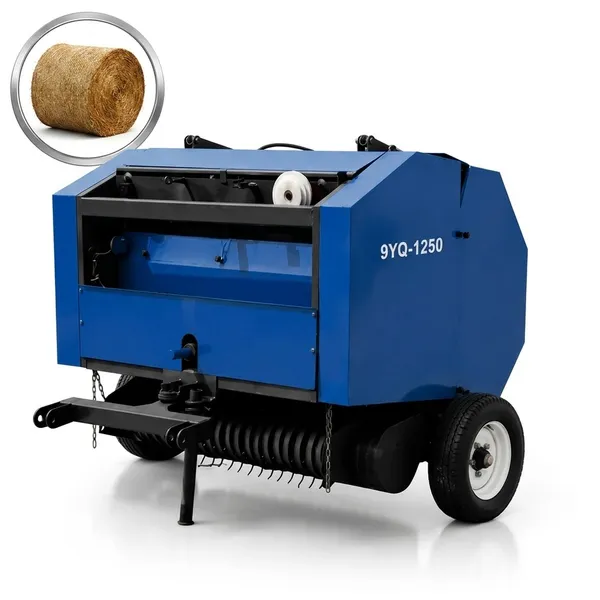
The wrapping time difference between net wrap and twine has a measurable impact on daily bale output when baling throughput is high. At 120 bales per day:
| Wrapping System |
Wrap Cycle Time |
Time Spent Wrapping at 120 Bales |
Implication |
| Net wrap (2-layer) |
45–60 sec |
90–120 min |
1.5–2 hours of wrap time per 120-bale session |
| 麻ひも(6本) |
90–120 sec |
180–240 min |
3–4 hours of wrap time per 120-bale session — 1.5–2 additional hours per day |
The 1.5–2 hour difference per day is significant in operations with narrow baling windows. For a bermudagrass operation baling in a 4-hour afternoon window, net wrap produces a measurably larger number of completed bales within the window than twine — directly affecting revenue in weather-constrained environments.
Weather Resistance in Storage
How Weather Affects Each System
Net wrap covers 95–98% of the bale outer surface — the mesh interlaces sufficiently to repel rain from the upper bale surface while allowing some lateral airflow for initial curing. The uncovered area (bale ends) remains exposed but represents only 5–8% of the total surface area. A net-wrapped bale in outdoor storage sheds rain from the cylindrical surface effectively when stored on its curved side rather than on the flat cut end.
Twine-wrapped bales leave 70–80% of the bale surface exposed between strands. Rain penetrates directly to the hay surface and can be wicked into the bale interior — particularly in the first 3–5 days after baling when the bale surface is not yet fully compressed and the hay retains some absorbency. A single significant rain event on a fresh twine-wrapped bale can increase bale moisture by 2–4% in the outer 50–100mm layer.
Outdoor storage beyond 3 months: net wrap produces 30–50% lower dry matter loss from weathering than twine-wrapped bales stored under equivalent conditions. This is the most consistently measured advantage of net wrap over twine in research trials across different hay crops and climate regions.
Indoor storage of less than 60 days: weather resistance is irrelevant and the cost difference between net and twine is the only relevant comparison. Twine is the economically rational choice for indoor storage with rapid turnover.
Silage wrapping (with stretch film): the wrapping system under the stretch film is less critical than the film application itself. Either net or twine under silage stretch film provides acceptable initial shape retention for film application.
Bale Shape Retention During Transport and Handling
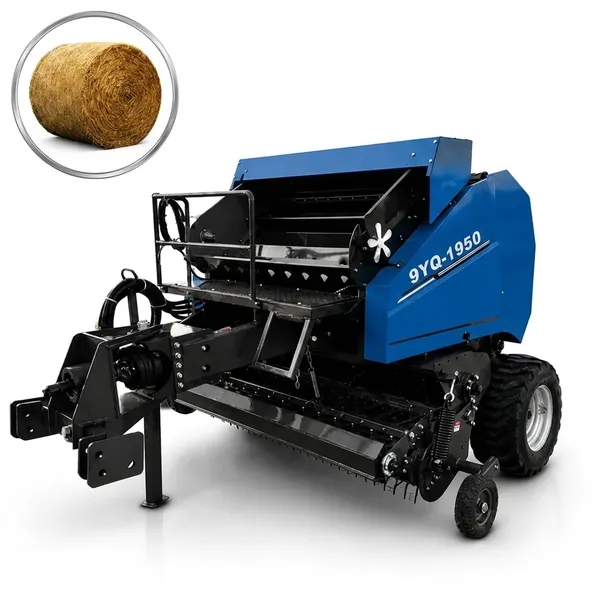
Bale shape affects stacking stability, transport efficiency and buyer perception. A bale that maintains a consistent cylinder is more stackable, more transportable and visually more appealing to buyers than a bale that has deformed into an irregular shape during handling or storage.
Net-wrapped bales consistently maintain better shape retention than twine-wrapped bales under the same handling and storage conditions. The mesh provides continuous circumferential support to the compressed hay cylinder — resisting the lateral expansion under axial load (stacking bales on top of each other) that causes twine-wrapped bales to deform into increasingly non-cylindrical shapes as the stack height increases. In a stack of 3 rows of twine-wrapped bales, the bottom row typically shows 10–15% diameter increase relative to the top row from the stacked weight above. Net-wrapped bales in the same stack show 3–5% diameter increase.
Cost Comparison Per Bale
| コスト構成要素 |
ネットラップ |
Twine (Polypropylene) |
Twine (Sisal) |
| Wrap material per bale |
$0.90–$1.60 |
$0.35–$0.60 |
$0.45–$0.80 |
| Time value (wrap cycle at $40/hr) |
$0.33–$0.40 |
$0.60–$0.80 |
$0.60–$0.80 |
| Dry matter loss avoided (outdoor storage) |
Saves $2–$6 per bale |
ベースライン |
ベースライン |
| Net wrap premium over twine — materials only |
+$0.55–$1.00 per bale |
— |
— |
The material cost premium of net wrap over polypropylene twine is $0.55–$1.00 per bale. For 500 bales per season, this is $275–$500 additional annual wrapping cost. Against this, outdoor-stored net-wrapped bales lose 3–5% of dry matter versus 8–15% for twine-wrapped bales stored under the same conditions. At a hay value of $120 per tonne dry matter and a 400kg bale, the dry matter loss difference is worth $2.40–$6.00 per bale. In any scenario involving outdoor storage for more than 60 days, the dry matter preservation value of net wrap exceeds the material cost premium.
Market Requirements: When Buyers Specify the Wrapping System
EXPORT
Export markets (Japan, Korea, Middle East) typically require net wrap. The structural integrity of net-wrapped bales during sea freight shipping — where bales experience vibration, stacking loads and humidity variation over 3–6 weeks — is superior to twine. Net wrap also allows containerisation with reduced bale movement because the bales maintain shape more consistently in the container stack.
TMR MIXING
Total mixed ration (TMR) dairy operations that use a bale processor in the mixer wagon may require net wrap. Some bale processor designs are built for net-wrapped bales and do not handle twine-strands reliably — twine strands can wrap around the processor flails and cause blockages. Confirm with your TMR equipment operator which wrapping system their bale processor handles.
SILAGE
For wrapped silage (haylage), net wrap is strongly preferred under the stretch film wrap. The net layer stabilises the bale shape before stretch film application and prevents the irregular shapes that make airtight film sealing difficult. Poorly shaped twine-wrapped silage bales have more film puncture risk from the irregular surface.
LOCAL FEED
Local domestic hay sales where bales are fed within 60 days and handled carefully: twine is the rational choice. The wrapping cost saving is real and the weather resistance advantage of net wrap is less relevant when bales move quickly from field to barn to feeder.
Environmental Considerations
Net wrap is made from polypropylene — the same material as polypropylene twine. Both are synthetic plastics that do not biodegrade in standard agricultural conditions. The environmental management requirement is the same for both: net wrap and synthetic twine must both be collected after use and disposed of through plastic recycling streams or agricultural plastic waste programs. Do not burn net wrap or synthetic twine — burning synthetic agricultural plastics produces toxic fumes.
Sisal twine is a biodegradable natural fiber — it degrades in the environment within 6–12 months under normal conditions. For operations with environmental commitments or organic certification requirements, sisal twine has the advantage of being compostable. The trade-off: sisal is typically 25–40% more expensive than polypropylene twine per unit of bale coverage.
Several net wrap manufacturers now produce net wraps with post-consumer recycled content or bio-based materials. Check with your net wrap supplier for available sustainability-certified products if this is relevant to your market or certification requirements.
Operating Tips for Each System
Net Wrap Operation Tips
Roll tension: check the net roll brake tension before each session. Insufficient tension allows the net to feed loosely and produces loose, uneven wraps. Excessive tension causes net breakage at the start of the wrap cycle. Set per the machine manual specification.
Knife sharpness: the net knife must cut cleanly at the end of each wrap cycle. A dull knife tears the net rather than cutting it, leaving a ragged tail that can interfere with the next wrap cycle. Replace the knife blade at the start of each season.
Roll storage: store net wrap rolls in sealed bags in a dry location. Net wrap rolls exposed to UV for extended periods become brittle and tear during the wrap cycle. Order sufficient net wrap for the season and store correctly rather than ordering small quantities repeatedly.
Wrap count: 2 layers of net wrap is standard for hay. For silage bales before stretch film application, 1 layer is sufficient since the stretch film provides the primary weather barrier. For export bales: verify buyer requirement — some specifications require 3-layer net wrap.
Twine Operation Tips
Spool quality: use consistent spool diameter and twine gauge across all positions. Mixed spool sizes on the same baler produce uneven tensioning that results in bales with one well-tensioned side and one loose side.
Strand count: minimum 6 strands on a 1.5-metre wide round bale at 25cm spacing. Fewer strands allow the bale to sag between strands during outdoor storage, accelerating weathering of the exposed surface.
Tension setting: higher twine tension produces a tighter bale face that is more weather-resistant between strands. Set the tensioner to maximum that does not cause twine breakage during wrapping. This typically requires adjusting after any twine brand or batch change.
Twine removal before feeding: confirm twine is fully removed before feeding to cattle or horses. Twine strands consumed by livestock can cause intestinal obstruction. Net wrap presents the same risk and should also be removed before feeding — but it is more visible as a single piece than multiple twine strands.
PTO Drive and Round Baler Wrapping System Reliability
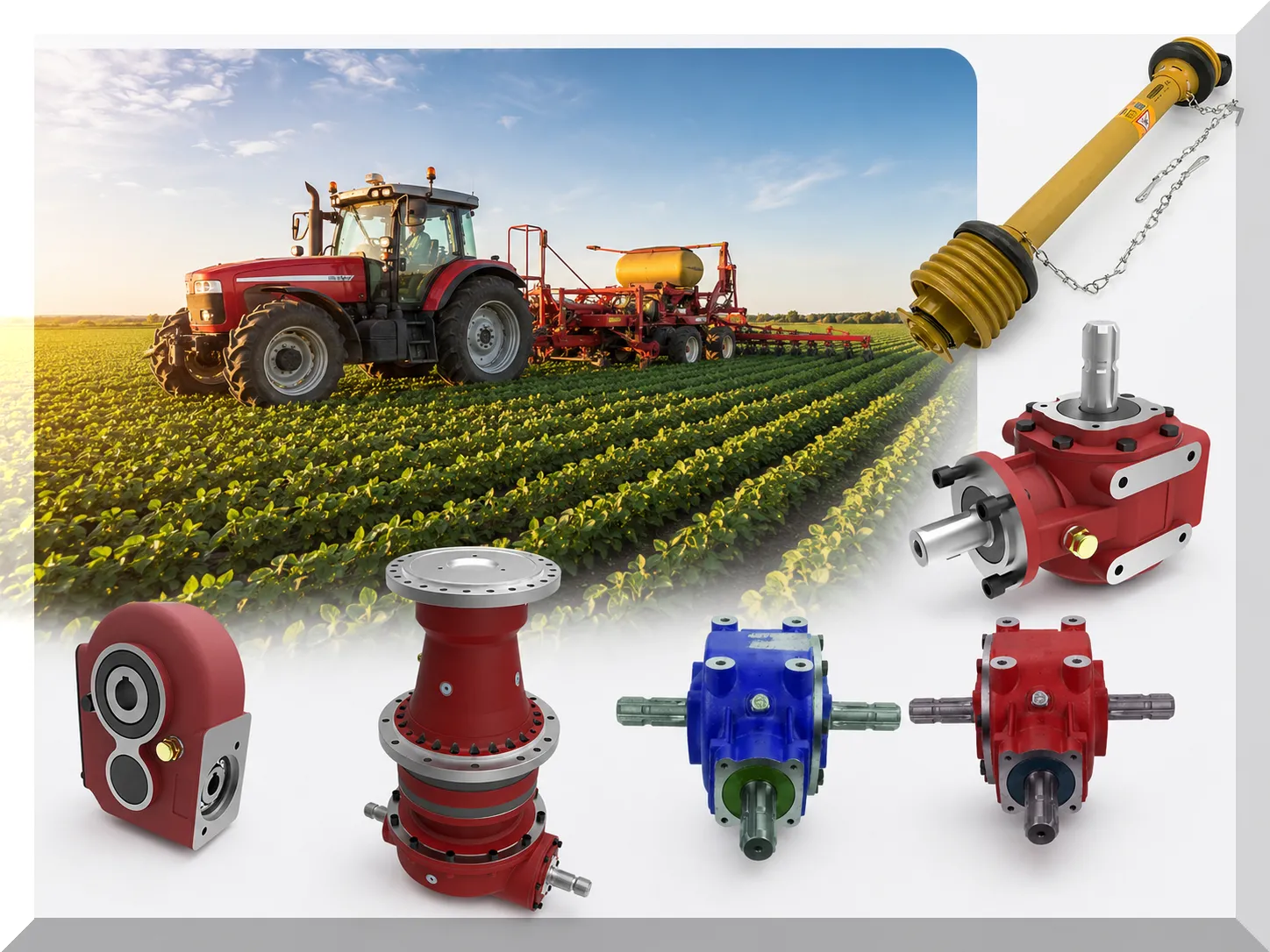
The wrapping cycle on both net and twine systems is driven by the main bale chamber drive — and requires a stable, correctly rated PTO shaft and CV joints for reliable wrapping cycle activation. Fluctuating PTO speed at the wrapping trigger point can cause early or late wrap starts. Full PTO driveshaft specifications: PTOドライブシャフトとCVジョイントのサイズガイド.
Frequently Asked Questions — Net Wrap vs Twine
Can I switch between net wrap and twine on the same round baler?+
On round balers designed for dual-system operation — including several models in the 9YQ series — switching between net wrap and twine requires changing the wrapping material loaded in the wrap station but does not require major mechanical conversion. The transition typically takes 5–10 minutes to change materials and verify the correct path and tension settings for the new material type. Some round balers are designed for one system only and cannot easily be converted without replacement of the wrap station mechanism. Check your specific model specification to confirm whether dual-system operation is supported before purchasing materials for the alternate system.
Does net wrap affect the quality of the hay inside the bale?+
Net wrap does not affect hay quality inside the bale — it contacts only the outer 5–10mm of the bale surface. The nutritive value, protein content, fiber fractions and energy density of the hay in the bale interior are determined entirely by the crop quality and baling moisture at the time of production. What net wrap does affect is the preservation of that quality during storage: a net-wrapped bale stored outdoors for 4 months loses less crude protein and energy from the outer layer to weathering than a twine-wrapped bale stored under the same conditions. The interior hay quality is the same for both — the difference is how much of the outer layer remains at the original quality.
How much net wrap roll does each bale use?+
A standard 1.23-metre wide round bale at 1.5-metre diameter with 2-layer net wrap uses approximately 5.5–6.5 metres of net wrap from the roll per bale. At a standard net wrap roll of 3,000 metres, one roll produces approximately 460–540 bales at 2-layer coverage — roughly equivalent to one full season for many medium-volume operations. Actual usage varies with bale diameter (larger diameter = more net per wrap revolution) and wrap count setting. Monitor usage on the first 20 bales of a new roll to establish your specific per-bale consumption before committing to a season supply order.
Is net wrap safe to leave on bales that are fed without removal?+
Net wrap should be removed before feeding to all livestock — cattle, horses, sheep, goats and alpacas. Net wrap consumed by livestock can cause intestinal obstruction, which is a veterinary emergency. While some TMR bale processor systems are designed to separate net wrap from bale material during processing, this separation is never 100% complete and livestock consumption of net wrap fragments remains a risk even in processor-fed systems. The correct procedure is to remove the net wrap before introducing the bale to animals or to the bale processor. The same recommendation applies to polypropylene twine — remove all wrapping material before feeding. Natural sisal twine is the only wrapping material that is considered acceptable if small amounts are consumed by cattle (not horses or small ruminants), and this is tolerance rather than endorsement of intentional feeding.
My net wrap is tearing during the wrap cycle. What causes this?+
Net wrap tearing during the cycle is caused by one of four conditions: excessive brake tension holding the net roll too firmly, causing the net to tear as it feeds into the bale chamber; a sharp burr or rough surface on the net guide that snags the net strands on the feed path; a UV-degraded net roll that has lost tensile strength from improper storage; or a net width that does not match the baler specification — a narrower net than rated causes edge overloading during the wrap. Diagnose by checking each condition in order: reduce brake tension first (most common cause); inspect the feed guide for surface damage; test the net tensile strength by pulling a strip by hand; and measure the net roll width against the machine specification. In most cases, reducing the brake tension and inspecting the feed guide path resolves the tearing without any replacement parts.
For hay exported to Japan, is net wrap a requirement?+
Most Japanese hay importers specify net wrap as a minimum requirement for round bales in export shipments. The reasons are practical: net-wrapped bales maintain consistent diameter throughout the shipping container load, preventing bale movement in the container that can cause bale deformation and stack collapse during transit. Japanese dairy buyers in particular have precise specifications for bale dimensions and presentation — twine-wrapped bales that have deformed during the 3–4 week shipping transit are typically rejected at the port. Always confirm the specific wrapping requirement with your buyer or export agent before production — individual buyer specifications may require 2-layer or 3-layer coverage, and some specifications also define acceptable net wrap widths and minimum tensile strength ratings. The USDA phytosanitary certificate required for hay export to Japan covers the crop content but does not specify wrapping material — that specification is set by the buyer contract.
How does silage bale net wrap differ from hay bale net wrap?+
Standard net wrap is appropriate for silage bales before stretch film application — the same net used for hay works for silage. The primary consideration for silage net wrap is that it must provide sufficient shape retention during the stretch film application that follows: the bale must maintain its cylinder shape long enough for the stretch film applicator to complete 4–6 layers of film without the bale distorting and creating gaps in the film seal. One layer of net wrap is typically sufficient for silage (versus 2 layers for outdoor hay storage) because the stretch film provides the primary weather barrier. Some producers use a slightly lighter net roll for silage to reduce the volume of plastic that must be separated from the silage at feeding time — but standard hay net wrap is fully acceptable. The stretch film applied over the net is the critical investment for silage quality; the net is simply the substrate that holds the bale shape during film application.
What is the break-even storage duration where net wrap cost equals dry matter savings?+
The break-even point where the dry matter savings from net wrap equal the extra material cost depends on hay value and storage conditions. At $120 per tonne hay value, a 400kg bale, and the typical dry matter loss differential of 5% between net and twine (8% twine loss vs 3% net wrap loss in exposed outdoor storage over 4 months): the net wrap saves 0.05 × 400kg × $0.12 per kg = $2.40 per bale in dry matter. Against a net wrap premium of $0.70 per bale over twine, the break-even is reached at approximately 1–1.5 months of outdoor storage. In other words: if a bale will be stored outdoors for more than 6 weeks, net wrap typically pays for its extra cost through dry matter preservation alone — before accounting for the wrapping speed advantage. Bales stored indoors and turned over within 4 weeks: twine at lower material cost is the correct choice regardless of hay value.
Find the Right Round Baler for Your Wrapping System
その 9YQ series round balers are available in net wrap, twine and dual-system configurations. Contact us with your target bale size, crop type and storage requirements and we will confirm the right model and wrapping system for your operation.
編集者: Cxm