Kidney Bean Harvest Timing Guide

Kidney Bean Pulling Timing: How to Scout the Harvest Window and Prevent Shatter Loss

The optimal window for pulling dry beans is 5 to 10 days wide in a normal season — and shorter when heat and wind accelerate desiccation. Getting in the field at the right moment requires a systematic scouting approach, not a calendar date. This guide explains what to look for, what to measure, and when to pull.

Confirm Pulling Equipment for Your Operation

Kidney bean pulling timing is the most consequential field decision in the two-stage mechanical harvest program. Pull too early — before pods have reached adequate maturity — and the threshed grain sample will contain immature seeds that fail elevator grading specifications. Pull too late — after pods have dried past the shatter threshold — and yield losses accumulate at the rate of one to three percent of total harvest per day under dry, windy conditions. The difference between the two endpoints is often less than one week. Systematic field scouting, not calendar date, is the only reliable way to identify and capture that window.

The Physiological Sequence: What Is Happening Inside the Pod Before You Pull

Understanding the physiological sequence of bean maturation provides the framework for interpreting field observations accurately. After the bean seed reaches physiological maturity — the point at which seed dry weight is maximum and the seed is no longer adding dry matter from the plant — the pod transitions through a rapid desiccation phase. The green chlorophyll in the pod walls breaks down, producing the yellowing and browning color change that is the grower’s primary visual harvest indicator.

Simultaneously, the pod walls lose water rapidly during desiccation. As the pod moisture drops from 60 to 70% at green maturity through the 30 to 40% range (which corresponds to the optimal pulling window) toward the 10 to 15% range (where the dried pod becomes brittle), the suture — the seam along which the pod splits — becomes progressively weaker relative to the mechanical stress of wind movement, vibration from the pulling machine, and physical contact during the windrow formation and curing phases.

The pulling machine itself does not cause shatter directly — properly timed pulling on a well-adjusted puller has minimal impact on pods at optimal moisture. What causes shatter is the disturbance energy transferred to pods that have already desiccated past the structural integrity threshold. This is why the dry, windy weather that accelerates desiccation in late August and September is the primary shatter risk factor: it compresses the window between optimal pull and over-dry conditions from a week to three to four days.

The 4-Stage Bean Maturity Scouting Scorecard

The following scorecard provides a standardized field assessment framework that can be used in any U.S. dry bean growing region. Walk a minimum of 10 separate locations across the field (not just the field edge) and assess each indicator. The majority of locations should agree on a single stage before committing to a pull decision.

🟢
Stage 1 — Too Early
Wait — do not pull
▸ Pod color: predominantly green or yellow-green
▸ Pod color change: below 70% of pods showing color change
▸ Leaves: majority still green and attached
▸ Leaf drop: less than 40% defoliation across stand
▸ Stem color: main stem still green to lower nodes
▸ Pod feel: soft, spongy — seeds not yet firm
▸ Lower pod check: lowest pods on lower branches still filling
▸ Seed check (split pod): seeds still soft or slightly watery at hilum
▸ Whole-plant moisture (estimate): above 60% by feel
▸ Risk: threshing will produce high immature/wrinkled seed count

🔵
Stage 2 — Optimal Pull Window
Pull now
▸ Pod color: 85–90% of pods yellow to tan-brown
▸ Pod color change: 85–90% across the stand
▸ Leaves: 70–80% fallen; remaining leaves yellowed
▸ Leaf drop: 70–80% defoliation
▸ Stem color: yellowing from base upward; some browning
▸ Pod feel: firm but not brittle; bends without shattering
▸ Pod moisture (squeeze test): pod walls feel leather-tough, not crackling
▸ Seed check: seeds firm, fully formed, plump at hilum; skin intact
▸ Estimated pod moisture: 25–35% — ideal for pulling
▸ Risk: low shatter if pulled now; increases daily after this point

🟡
Stage 3 — Late (Pull Urgently)
Pull immediately — shatter risk rising
▸ Pod color: 90–95% tan to brown; some pods dark brown
▸ Very few green pods remaining
▸ Leaves: 85–95% fallen; virtually bare stems
▸ Stem color: brown from base to upper nodes
▸ Pod feel: firm to stiff; beginning to feel papery at suture
▸ Shatter test: gentle squeeze of dried pods causes some cracking
▸ Field observation: seeds visible on soil under wind-exposed plants
▸ Estimated pod moisture: 15–25% — approaching shatter threshold
▸ Weather risk: any wind event or frost accelerates losses
▸ Action: deploy pullers immediately; prioritize driest, most exposed areas

🔴
Stage 4 — Too Late (Significant Loss)
Pull anyway — minimize further losses
▸ Pod color: dark brown to black; some pods have opened
▸ Visible split pods: suture open on 5% or more of pods
▸ Seed loss visible: seeds on soil surface at stand density
▸ Pod feel: brittle and crackling; pods shatter on handling
▸ Estimated pod moisture: below 15% and dropping
▸ Estimated yield loss to date: 5–15%+ depending on conditions
▸ Action: pull at the earliest possible morning opportunity (higher dew slows shatter)
▸ Reduce pulling speed 20–30% to minimize vibration
▸ Prioritize the worst areas first
▸ Consider on-farm threshing with direct combine if shatter loss is severe

Pod Moisture Targets and Field Measurement

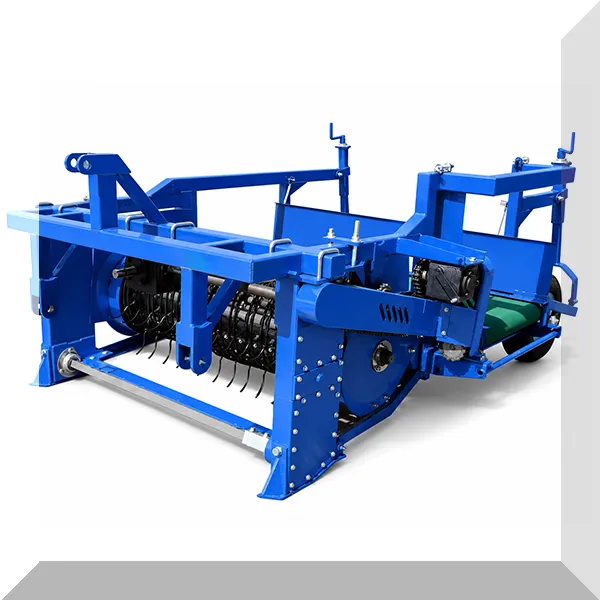
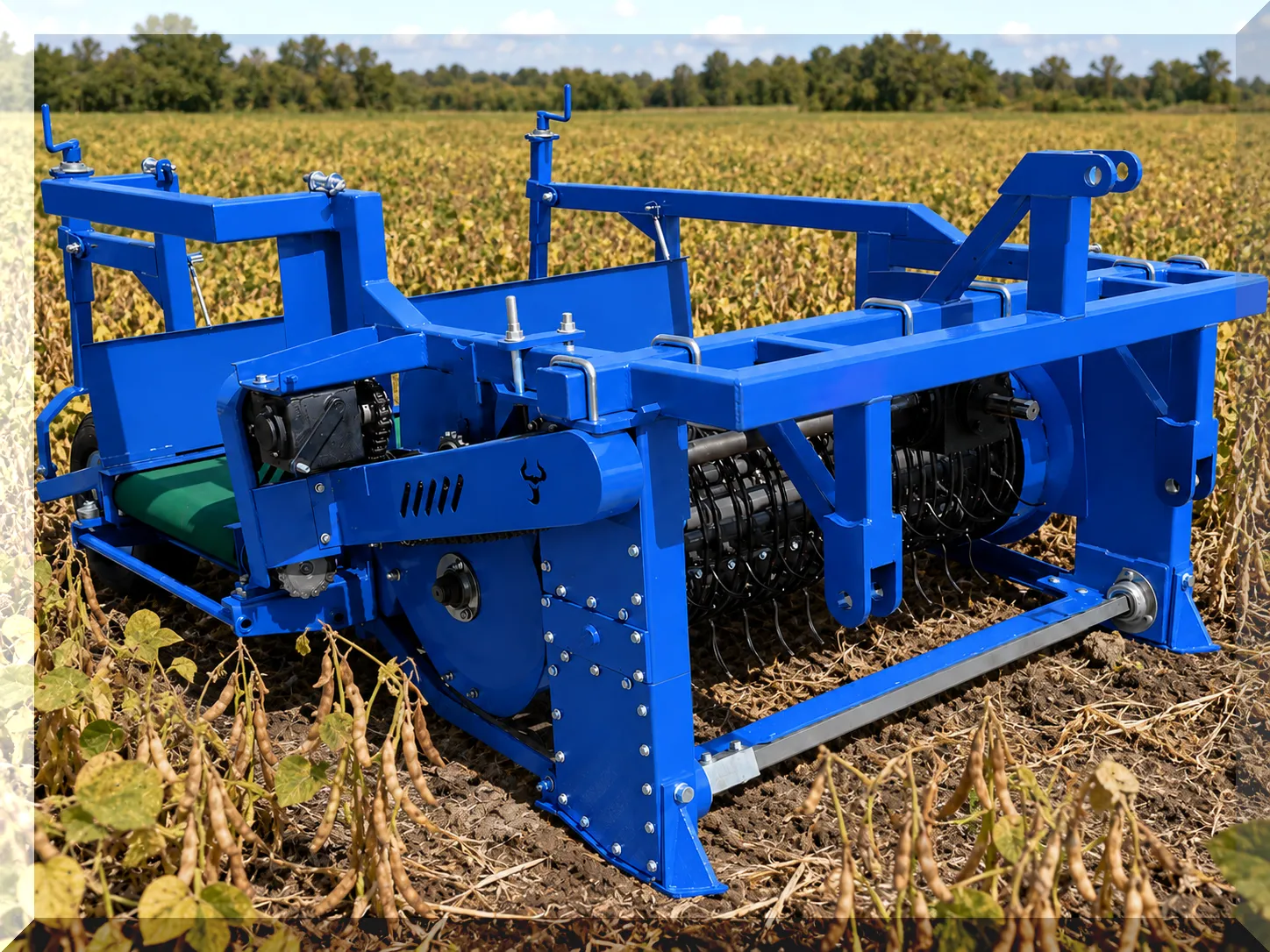
kidney bean puller operating at optimal harvest timing — pulling dark red kidney beans at pod color change stage

The target pod moisture at pulling for dark red kidney beans and other large-seeded dry bean classes is approximately 25 to 40% as measured in the pod walls. At this range, pods are pliable enough to resist shatter disturbance while dry enough that the 3 to 7-day field curing period in the windrow will bring pod moisture to the 12 to 18% range required for clean threshing. Pulling at moisture above 40% extends the curing period and can leave the windrow exposed to rain damage during a longer drying window. Pulling at moisture below 20% means the suture is already under stress and shatter losses are beginning.

Pod moisture can be estimated in the field using a small portable grain moisture meter with the pods cut open and the meter probe inserted directly into pod tissue — most meters designed for small grain can be adapted for this measurement. An alternative field check is the bend test: a pod at optimal moisture bends without cracking when slowly folded; a pod at late-stage moisture cracks or shatters when bent. The bend test is not as precise as a moisture reading but requires no equipment and can be applied to every field walk.

私たちの kidney bean mechanical harvest guide covers the complete two-stage pull-and-thresh sequence, including optimal curing window management after pulling. The 4BYH-1.3 2-row kidney bean puller is designed to operate at the 3 to 5 km/h speeds optimal for late-stage pulling when shatter risk is elevated. The 農業用PTO駆動系およびギアボックス部品 on the puller’s share drive are built for the sustained slow-speed torque load that careful, low-shatter pulling demands when timing is tight.

Regional Timing Calendars: When to Expect the Pull Window

kidney bean puller harvest timing regional calendar — Michigan Thumb Red River Valley Idaho pulling window

The following calendar dates represent typical pulling windows based on standard planting dates and normal accumulated growing degree days (GDD base 50°F) in each region. Actual dates shift by 7 to 14 days with early or late planting, above-average or below-average growing season temperatures, and extreme rainfall or drought events that alter maturation rates. These are planning anchors — scouting observations supersede calendar dates in all pull timing decisions.

地域 Primary Bean Class Typical Pull Window Average First Frost (32°F) Key Regional Risk Factor
Michigan Thumb (Huron, Sanilac, Tuscola counties) Dark Red Kidney Late August – mid-September Oct 1–10 Hot, dry August winds can compress the window to 3–5 days; scout daily after 80% color change
Red River Valley (ND, MN border region) Navy; Pinto; Black Early – mid-September Sept 20–30 Early frost is the binding constraint; do not wait past 85% color change if frost forecast is within 7 days
Southern Idaho / Snake River Plain Pinto; Great Northern Mid – late September Sept 25 – Oct 5 Low humidity accelerates desiccation once color change begins; daily scouting mandatory after late August
Central Nebraska / Southwest Kansas Pinto; Black Late August – early September Oct 5–15 Heat and low humidity; risk of window shortening to 3–4 days in early September heat events

Shatter Loss Triggers: The Factors That Compress the Pull Window

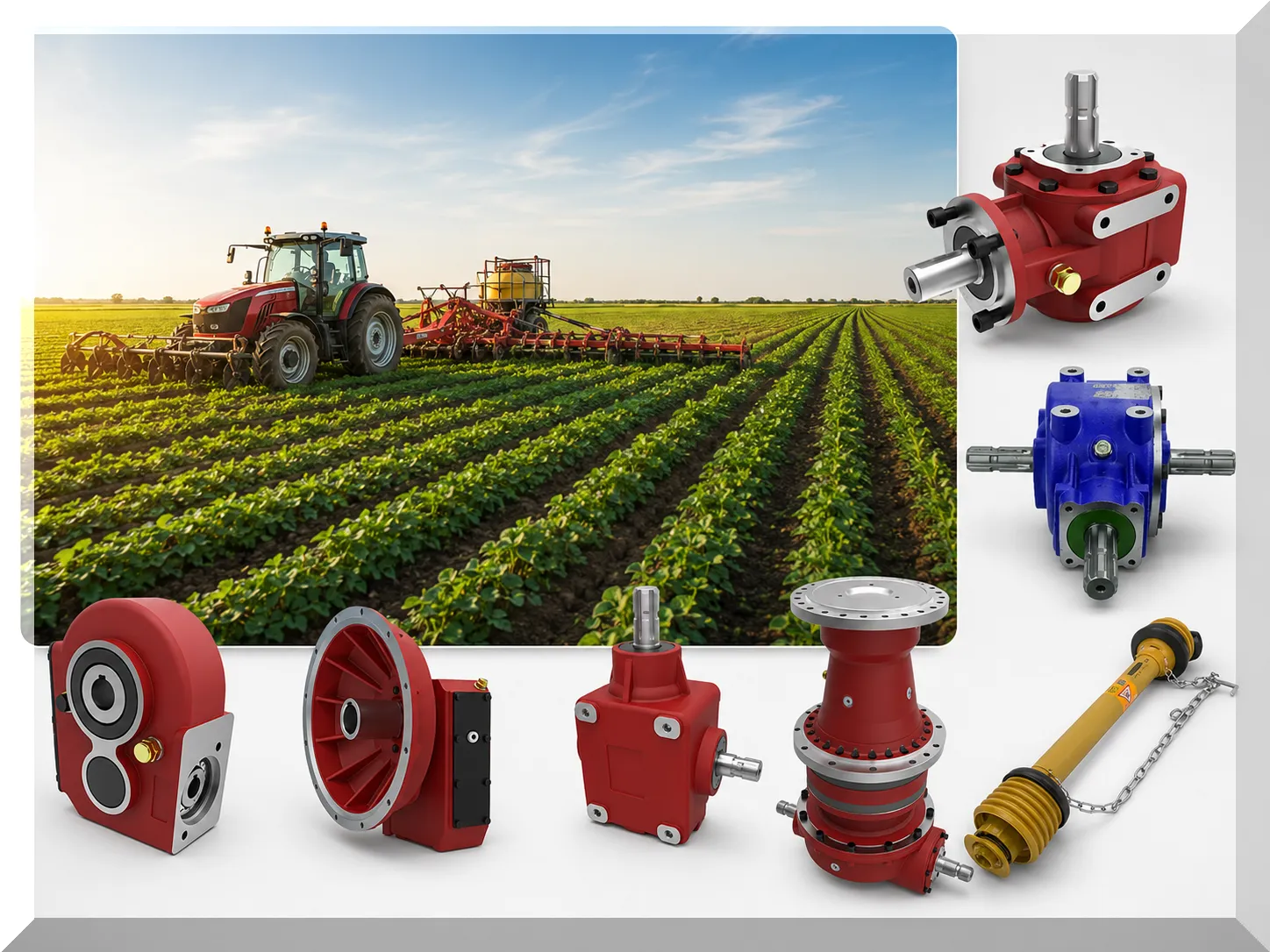
kidney bean puller drive components — PTO shaft and gearbox for careful low-speed pulling to minimize shatter

Three environmental factors trigger or accelerate shatter losses and compress the effective pull window:

Wind events. Sustained winds above 15 mph (24 km/h) acting on over-dried bean plants generate enough mechanical vibration in the standing or windrow crop to trigger pod splitting along the suture. A single overnight wind event in an over-dry bean field can cause 2 to 5% additional seed loss before the puller enters the next morning. Early morning pulling — before mid-afternoon wind speeds peak — is standard operating practice in wind-prone growing regions when the crop is approaching or past optimal pull timing.

Rapid humidity drop / heat events. Late-season heat events (temperatures above 32°C / 90°F) combined with low relative humidity (below 40%) can drive pod moisture from 25% to below 15% in 48 to 72 hours. These events are weather-forecast-visible 4 to 6 days in advance. If a forecast shows a heat-and-dry event arriving when your stand is at Stage 2 (optimal pull) or approaching Stage 3, pulling before the event arrives is the correct response — the curing period in the windrow can handle slightly higher pod moisture at pulling better than the alternative of a shatter event in the standing crop.

Overnight dew-dry cycles. In humid regions like Michigan, repeated overnight dew absorption and daytime drying cycles weaken pod sutures through repetitive swelling-and-shrinkage stress. This cumulative mechanical fatigue effect is one reason why late-pulled Michigan DRK beans can shatter badly even on calm days — the sutures have been mechanically stressed through multiple moisture cycles even if the current pod moisture reading appears adequate.

よくある質問

Can I pull kidney beans when there is morning dew on the crop?+
Yes — and for late-season pulling when shatter risk is high, morning dew is actually an advantage. Dew temporarily elevates pod surface moisture, which makes the pod walls slightly more pliable and reduces the mechanical disturbance required to trigger suture splitting. Pulling in light morning dew when the crop is at Stage 3 (late) or approaching Stage 4 is a commonly recommended practice in Michigan and North Dakota extension guidance for exactly this reason. The dew does not significantly delay the windrow curing process — the windrow will dry to threshing moisture within the standard 3 to 7-day curing period regardless of the morning moisture state at pulling. Never pull in heavy standing water (ponded rain) — that is a soil contamination and equipment problem, not a timing advantage.
What is the acceptable shatter loss percentage before it affects profitability significantly?+
University extension research in Michigan generally sets 3% pre-harvest shatter loss as the threshold above which the economic case for immediate pulling outweighs the agronomic benefits of additional maturity development. Above 3%, losses accumulate faster than the value of waiting for slightly better pod condition. Below 3%, some operators choose to wait a day or two for better uniformity if significant green pod fractions remain. At $0.25 to $0.35 per pound for DRK beans, a 3% loss on a 2,000 lb/acre yield is $15 to $21 per acre — meaningful but manageable. A 10% loss is $50 to $70 per acre. Track losses by walking the field and counting seeds on the soil surface per square meter, then multiplying by the appropriate conversion factor for your planting population and bean seed size.
What happens to kidney beans that are pulled too early?+
Pulling too early — before 80% pod color change or before physiological maturity is complete — produces three identifiable quality problems in the threshed grain. First, immature seeds that have not reached full seed weight are smaller than normal, lower in starch content, and wrinkled or sunken in appearance — creating a “peewee” and “wrinkled/cracked” defect fraction that is docked at most U.S. elevator contracts. Second, immature seeds retain higher moisture and may not reach the 18% or lower delivery moisture standard without extended aeration at the elevator, which increases storage costs for the producer. Third, green seed — beans that were still chlorophyll-active at pulling — produces a green-tinted seed coat that fails color specifications for premium DRK markets. On a severely early-pulled field, all three defects are present simultaneously and the grade and price received may be significantly below contract specifications.
Should I scout the field edge or the field interior for timing decisions?+
Field interior observation is more representative than field edge assessment for pull timing decisions. Field edges — particularly south and west-facing edges — receive more wind and direct solar radiation than the interior, which drives faster desiccation along the border rows. Edge rows are typically 3 to 7 days more advanced in maturity and desiccation than the interior canopy. Making a pull decision based on edge-row observation leads to over-late pulling for the interior crop, which is where the majority of yield is. Walk a grid pattern that includes at least 5 interior locations per 50 acres, and weight the interior observations more heavily than edge observations when assessing which maturity stage applies to the field as a whole.
How does an approaching frost change the pull timing decision?+
A frost forecast within 5 to 7 days should trigger an early pull on any field at Stage 2 (optimal) or approaching Stage 2, even if some green pods remain. Frost damage to kidney beans occurs at 28°F (-2°C) for extended exposure and can cause seed coat discoloration, internal tissue damage, and elevated defect rates in the threshed sample that are not visible during field scouting but are detected by elevator graders. Pulling slightly early and accepting a small immature seed fraction is almost always preferable to exposing a full-maturity stand to frost damage. In northern growing regions like Michigan and the Red River Valley, growers with large acreage should begin pulling the fields closest to maturity when frost probability reaches 30% within 5 days, rather than waiting for a higher probability forecast that may leave insufficient time to pull all acreage.
How do I prioritize which fields to pull first when multiple fields are approaching maturity simultaneously?+
Prioritize fields in the following sequence: first, fields at Stage 3 (late — shatter beginning) regardless of other factors; second, fields on south- and west-facing slopes or with elevated wind exposure, because these dry faster than sheltered or low-lying fields; third, fields with lower-shatter-resistance varieties; and fourth, fields with lighter soils that desiccate faster than heavy clay soils. Within a single day’s pulling capacity, deploy the machine on the highest-risk field first and leave the most sheltered, high-shatter-resistance fields for last. Fields with adequate green pod fraction remaining can often wait one additional day without significant loss while the priority fields are pulled first.

foragebaler.com kidney bean puller — equipment selection for timing-sensitive dry bean harvest programs

Get the Right Puller Configured Before Your Harvest Window Arrives

Our U.S. team confirms row count, row spacing compatibility, and tractor HP against your operation before any puller ships from our California warehouse. Delivery timing can be coordinated to arrive before your regional pull window.

Confirm Equipment for Your Pull Window

編集者: Cxm