
Where Silage DM Goes Between Wrap and Bunk
A well-made round bale silage bale — properly wilted, correctly wrapped, sealed within 2 hours of formation, stored on drained ground — loses 2–4% of its dry matter through the fermentation process itself. That loss is unavoidable; it represents the substrate consumed by lactic acid bacteria as they acidify the bale to its stable fermented pH. Every additional DM loss beyond that 2–4% baseline is preventable.
The reality in most commercial and farm-scale silage feeding operations is total DM loss rates of 12–22% from baling to final animal consumption. That gap between the avoidable 2–4% and the observed 12–22% represents real feed value that is being discarded or decomposed instead of being consumed. The three post-fermentation loss sources — storage film damage, aerobic spoilage at feedout, and feeding waste — each have specific management practices that reduce them independently.
When Is the Bale Ready to Feed? The Fermentation Timeline
Silage fermentation is not complete immediately after wrapping — the lactic acid bacteria population must build, dominate, and acidify the entire bale mass before a stable anaerobic pH is reached. Opening a bale before fermentation is complete exposes incompletely fermented material to oxygen, which can trigger secondary aerobic fermentation and heating rather than stable anaerobic preservation. Understanding the fermentation timeline tells you the minimum wait time before feedout.
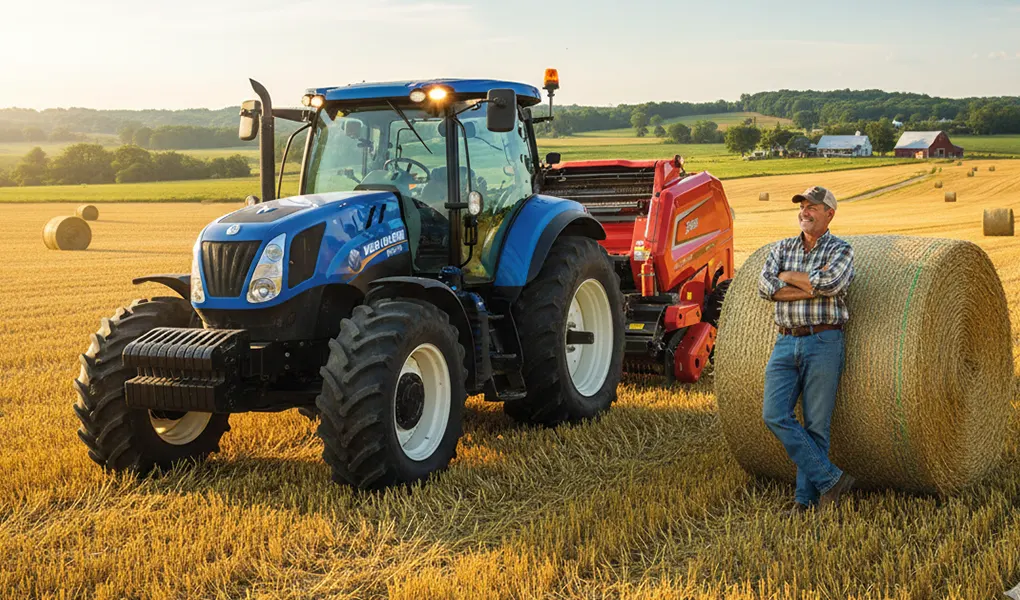
Opening a Wrapped Bale: The Sequence That Minimizes Aerobic Exposure
Every second from film removal to animal consumption is a second in which aerobic organisms are metabolizing the bale surface. The 24–48 hours after a silage bale is opened are when the highest rate of aerobic DM loss occurs — yeasts and molds on the bale surface begin consuming lactic acid and carbohydrates within minutes of oxygen exposure. Managing the opening sequence and the speed of consumption after opening determines how much of that loss you prevent.
- Open and feed within 4–6 hours (not “open in morning, feed that evening”)
- Remove film from one end only — do not fully unwrap the bale before use
- Position bale at the feeding site before opening film — move while wrapped
- Match opened surface area to daily consumption rate (see Module 4)
- Keep opened surface away from rain and direct sun — both accelerate aerobic loss
- Opening the bale and leaving it overnight before feeding — yeast populations double every 3–4 hours under warm conditions
- Removing the full wrap before moving to the feed site (handling damage + oxygen exposure)
- Feeding in direct sunlight without shade — surface temperature increases accelerate aerobic metabolism exponentially
- Under-stocking animals relative to opened bale volume — surface spoilage occurs when consumption rate is too slow
Aerobic Stability Window: Match Feed Rate to Herd Size
The fundamental aerobic stability rule for round bale silage is: consume the opened bale surface before visible mold develops on it. In practical terms, this means each opened bale face should be consumed within 24–48 hours in warm weather (above 65°F ambient), or within 72–96 hours in cool weather (below 50°F). If your herd consumes silage more slowly than this rate, you have a mismatch — either too many bales open simultaneously, or too many animals per opened face.
| Animal class | Daily silage DM intake (% body weight) |
Daily intake (lbs DM) |
Animals per 1,000 lb DM bale for 2-day feedout |
Notes |
|---|---|---|---|---|
| Dairy cow (high producing) | 2.8–3.5% | 39–49 lbs DM | 10–13 cows | Silage typically 50% of TMR DM; actual bale consumption higher if silage is primary forage |
| Beef cow (dry/gestating) | 1.8–2.2% | 24–30 lbs DM | 17–21 cows | If silage is the only forage, scale up; 1,200 lb cow, silage as sole forage |
| Stocker/yearling beef | 2.2–2.8% | 16–22 lbs DM | 23–31 stockers | 700 lb yearling; growth rate and grain supplementation affect silage intake |
| Sheep (ewes) | 2.5–3.2% | 3.5–5 lbs DM | 100–143 ewes | 150 lb ewe; small ruminants require large flock sizes to consume a full round bale within 48 hours |
| Horse | 1.5–2.0% | 18–24 lbs DM | 21–28 horses | 1,200 lb horse; silage feeding to horses requires confirmed absence of listeria risk from good fermentation quality |
Intake estimates assume silage as primary forage source, DM basis. Actual intake varies with forage quality, season, body condition, and production stage. Bale DM weight assumes approximately 500 lbs DM per 1,000 lb as-fed bale (50% DM, typical of 45–55% moisture haylage). Adjust for your actual bale moisture.
How Haylage Quality Changes Between Wrapping and Feeding
Silage is not the same feed at feedout as the crop was at wrapping. The fermentation process makes some changes that improve availability of certain nutrients, and other changes that reduce crude protein fraction. Knowing these changes helps you accurately predict the nutritional contribution of your haylage in ration formulations and explains the differences between a fresh forage analysis (pre-ensiling) and a silage analysis (post-fermentation).
- NDF digestibility — fermentation partially breaks down hemicellulose, improving rumen digestibility of the fiber fraction by 3–8 percentage points vs. dry hay from the same crop
- Palatability — lactic acid and acetic acid in fermented silage improve acceptance by ruminants, particularly cattle, compared to dry hay of equivalent quality
- Available energy — the organic acids produced have energy value; NEl of good haylage often exceeds that of dry hay from the same cutting by 5–10%
- Soluble protein fraction — proteolysis (protein breakdown by plant enzymes and bacteria) converts some true protein to non-protein nitrogen forms that are less efficiently utilized by ruminants; partially offset by proper inoculants
- Carotene (Vitamin A precursor) — beta-carotene degrades significantly during ensiling; silage-based diets for cows near calving should supplement Vitamin A
- DM content — 2–4% of DM is consumed as substrate; the bale weighs 2–4% less at feedout than at wrapping (unavoidable fermentation cost)
The practical implication for ration balancing: always use a forage analysis of the actual silage (not the pre-ensiling dry hay analysis) for TMR formulation. The changes in NDF digestibility, soluble protein fraction, and moisture content are large enough that using dry hay values for a silage-based ration significantly mis-estimates the energy, protein, and intake values the animals actually receive. Send a sample from a representative bale to a forage testing laboratory before the feeding season begins. For the correct wrapper setup that maximizes fermentation quality and reduces the extent of negative changes, see the round bale wrapper guide.
Identifying Spoiled Silage Before Feeding — and What to Do With It

Not all silage that looks problematic is problematic — and not all problematic silage looks bad. Developing a systematic inspection habit when you open each bale prevents both the waste of discarding good silage prematurely and the mistake of feeding genuinely spoiled material that contains mycotoxins or Listeria.
| What you see/smell | Risk level | Most likely cause | Decision |
|---|---|---|---|
| Clean acid smell, olive-green to tan color, moist surface | None | Normal well-fermented haylage | Feed immediately |
| White or gray surface mold on outer 1–2 inches only; clean interior | Low | Surface aerobic spoilage during storage from pin-hole film damage | Remove moldy outer layer; feed clean interior. Ensure remaining film is intact |
| Buttery or putrid smell; brown or black discoloration extending 4+ inches into bale | High | Clostridial fermentation (baled too wet, >60% moisture) or extensive mold penetration | Do NOT feed to livestock. Particularly dangerous for horses and sheep. Compost or discard. |
| Visible visible blue-green mold colonies (Penicillium); musty smell | High | Sustained oxygen infiltration through film damage; mycotoxin risk | Test for mycotoxins before feeding. Do not feed dairy cattle without testing. Restrict cattle consumption to <20% of diet if quality appears otherwise acceptable and no test available. |
| Slippery, slimy texture; very dark brown color; ammonia smell | Critical | Listeria monocytogenes contamination (associated with soil contamination and poor fermentation) | Do NOT feed to pregnant animals of any species, or horses. Veterinary consultation before feeding to any livestock. |
The Last 20% Problem: Managing the Bale Bottom
The bottom of a round bale silage bale is the most challenging section to feed efficiently. By the time the top 80% of the bale has been consumed, the remaining material is typically denser (the bale has settled under its own weight), wetter (condensation and effluent from the bale has migrated downward), and in more direct contact with the ground surface. Animals are also less eager to eat the bottom material because it tastes different (higher acidity from effluent concentration) and requires more effort to access as the bale shrinks.
Feed on a concrete pad, gravel base, or raised wooden platform. Ground contact absorbs effluent and allows soil organisms to enter the bale base from below, accelerating spoilage in the last section.
When the bale is below 30% of original size, reduce the number of animals with simultaneous access. A smaller group finishing the bale more quickly reduces total aerobic exposure time on the dense, wet bottom section.
Small herds (under 15 cows) feeding round bale silage should use smaller bale formats (4×4) to reduce the time the bale stays in its final-20% phase. Large 5×5 bales for small herds generate excessive last-20% spoilage losses that a smaller bale format avoids.
Silage Feedout FAQs
Get Baler-Wrapper Equipment Matched to Your Silage Program
Fermentation quality starts with consistent bale density and reliable film application — both determined at the baler-wrapper stage. Our team confirms the bale density setting, film layer count, and wrapper configuration for your crop moisture and herd feedout rate before your equipment ships.
Editor: Cxm


